Thrilled to announce the release of @GeoscienceAus#DEAIntertidal, a next-generation continental coastal dataset for Australia!
🏝️ 3D coastal elevation models
🦆 Ecological exposure maps
📏Vertical uncertainty
⏱️ Annual data from 2016
🔎 10 m resolution
https://t.co/nX0mZQ5jM9
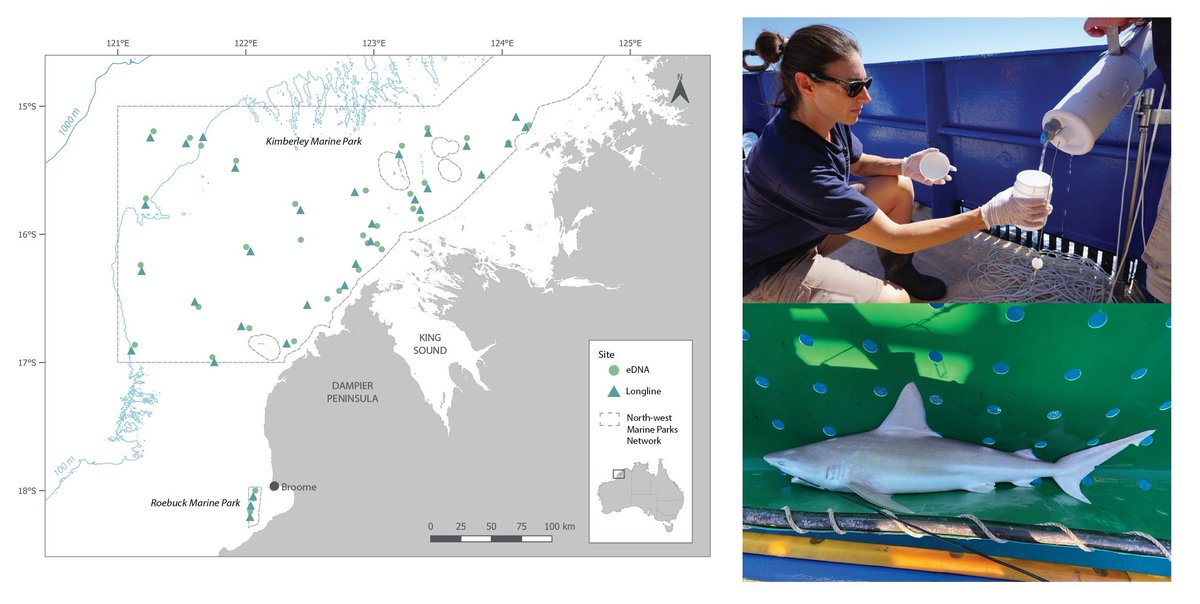
New research with @FisheriesWA in @RFBFisheries. We describe population connectivity in two coral grouper species across remote Indian Ocean atolls. Find online 👉 https://t.co/ArsK6XToiZ or DM for a pdf.
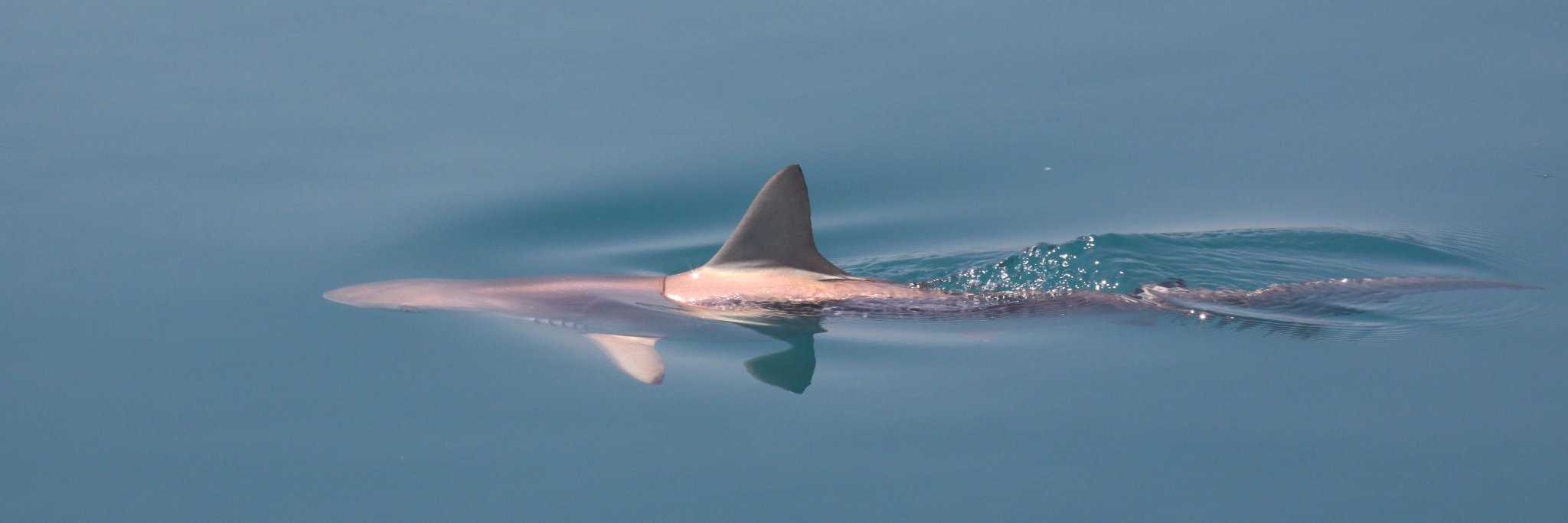
Image by Tane Sinclair-Taylor
The collapse of the eastern Bering Sea snow crab population appears to be one of the largest reported losses of motile marine macrofauna to marine heatwaves https://t.co/8hiCU8e0OQ
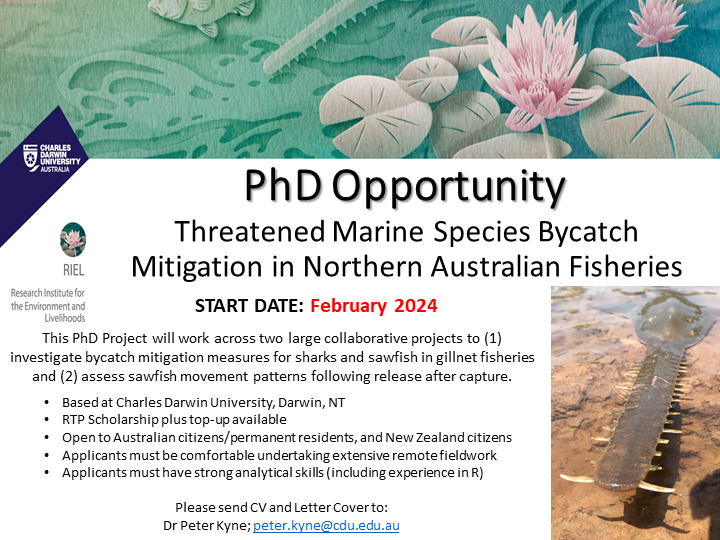
Exciting PhD opportunity working with me and @spottedcatshark at @CDUni@RIELresearch to test sawfish and shark bycatch mitigation devices and assess post-release behaviour in sawfish 👇
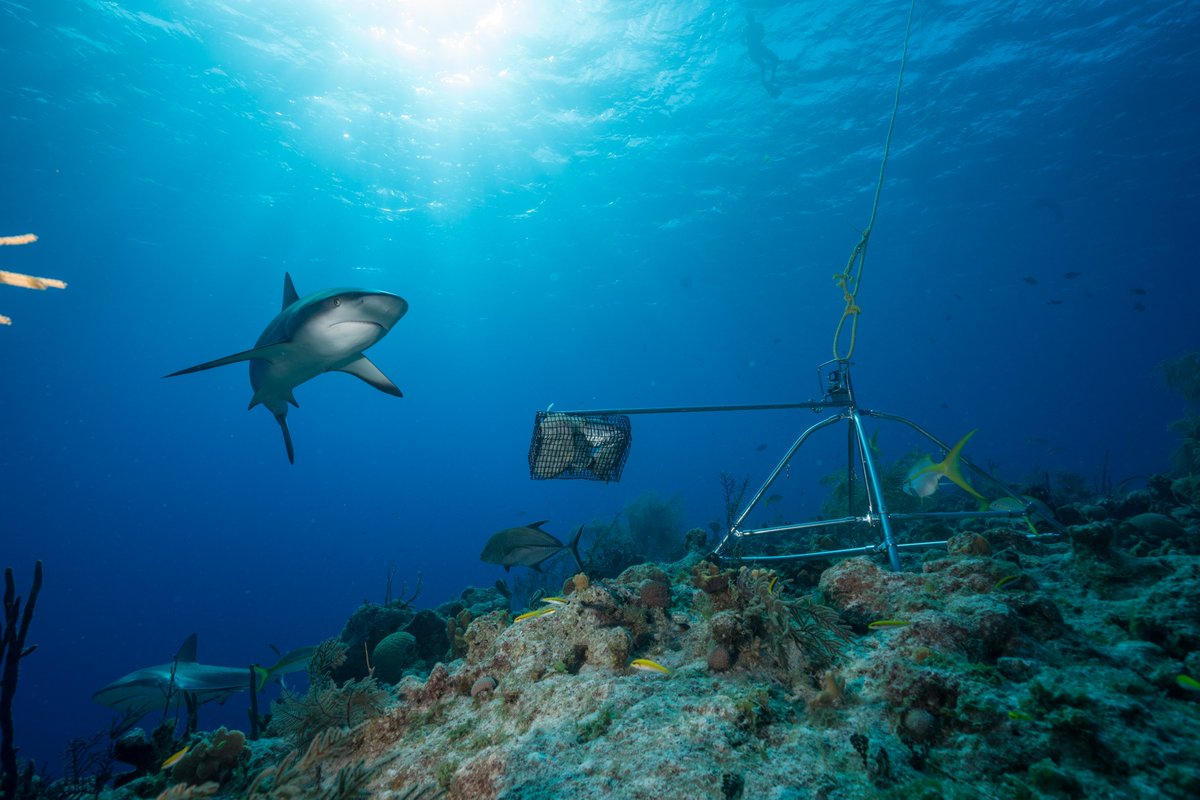
Trade (mis)labelling, human health, (un)sustainability, illegal fishing and human rights abuse are all factors that consumers should be aware of in order to make informed decisions when/if purchasing shark products
https://t.co/JAHfRF6hyP
Excited to share our new publication in Fish and Fisheries: "Where land meets sea: Intertidal areas as key-habitats for sharks and rays".
We looked at the INTERtidal ecology of sharks and rays, and how they possibly interact with "low-tide predators" like shorebirds (!). 1/8🧵
After a pack of wolves on a small Alaskan Island decimated the island's deer population, their meal of choice shifted from venison to seafood. Now sea otters represent the bulk of the wolves' diets. 🐺🦦
My latest for @NewsfromScience: https://t.co/uTx3ns91fr
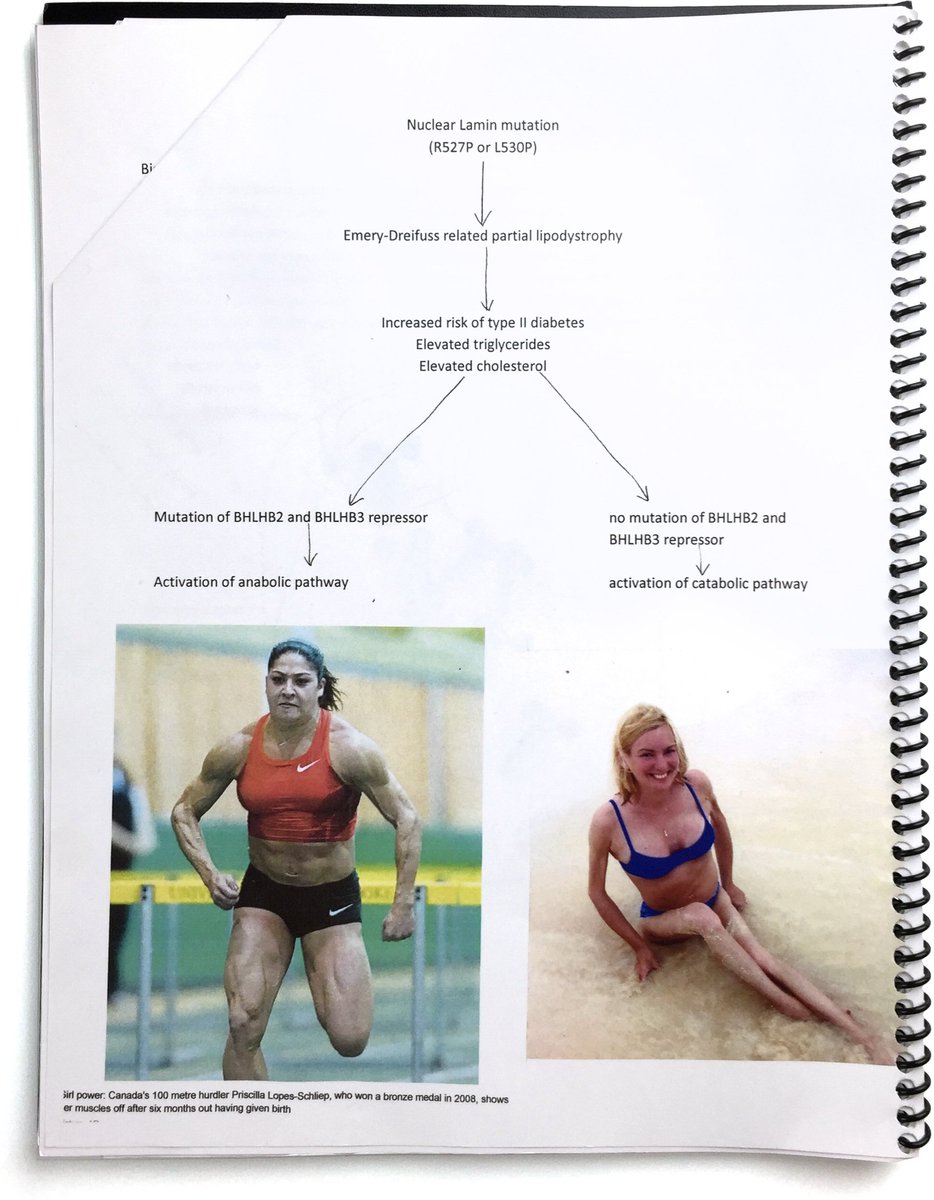
“It seemed absolutely crazy. The idea that an Iowa housewife, equipped with the cutting-edge medical tool known as Google Images, would make a medical discovery about a pro athlete who sees doctors and athletic trainers as part of her job?” https://t.co/iELohgpQHH
Can't recommend this paper enough, fish friends take five mins and read it if you haven't yet
Fish, People, and Systems of Power: Understanding and Disrupting Feedback between Colonialism and Fisheries Science* | The American Naturalist: Vol 200, No 1 https://t.co/Ro2a5aHG42
Are you interested in population genetics, evolution and fisheries? Have a look at our latest work in @EvolAppJournal, we find low connectivity and distinct demographic histories between coral grouper on the GBR & Coral Sea, pops separated by only 100 km https://t.co/FxoYJCt5h9