At PayPal, Peter Thiel made every employee focus on exactly one thing. The team rebelled until they understood why.
Keith Rabois on the rule that forced breakthroughs:
The AI ponzi scheme goes like this:
Everyone is generating all these long ass docs and then passing them off for others to read
Then the person receiving is like, wtf this is way too long, and hands that into an AI to read and summarize
Then they are generating a long ass response back
and this cycle goes like that forever. and we call this work now 😅
The token lords watch this from their towers nodding and grinning.
"I read everything: Annual reports, 10-Ks, 10-Qs, biographies, histories, five newspapers a day. On airplanes I read the instructions on the backs of the seats. Reading is key.
Reading has made me rich over time."
— Warren Buffett
Empathy loop: think about the user and what they want, and give them it
Conviction loop: believe you will create something of value for that user, even if most people think you won't
Sequoia founder Don Valentine: “The art of storytelling is incredibly important”
“The art of storytelling is incredibly important. And many—maybe even most of the entrepreneurs who come to talk to us can’t tell the story. Learning to tell a story is incredibly important because that’s how the money works. The money flows as a function of the stories.”
The founder of Sequoia founder explains that the story is how you explain what you want to do, how long it’s going to take, who the competition is, and how much money you need.
a16z cofounder Ben Horowitz shared a similar view in a 2014 Forbes interview:
“Storytelling is the most underrated skill… Companies that don’t have a clearly articulated story don’t have a clear and well thought-out strategy. The company story is the company strategy.”
He continues:
“The story must explain at a fundamental level why you exist. Why does the world need your company? Why do we need to be doing what we’re doing and why is it important?… You can have a great product, but a compelling story puts the company into motion. If you don’t have a great story it’s hard to get people motivated to join you, to work on the product, and to get people to invest in the product.”
This is the job of the founder and CEO:
“The CEO must be the keeper of the story. The CEO is responsible for getting the story right, that it’s up to date, compelling, and can move the hearts of men and women. That’s the fundamental responsibility of the chief executive… The mistake people make is thinking the story is just about marketing. No, the story is the strategy. If you make your story better you make the strategy better.”
Source: @StanfordGSB (Oct 2010)
🗓 Startups once went public about 6-7 years from founding, now 10-12 years.
🐘2/3rds of all VC went to rounds $100M or larger
📈Good for private investors: institutions, fam office
📉Bad for normal people who wanted to participate in tech financial gains https://t.co/NYIZRtknFN
INSTEAD OF WATCHING A 2-HOUR MOVIE.
Watch this Anthropic Claude for Finance lecture.
It’s probably the best free hour in quant AI right now.
Bookmark it and watch it today, no matter what.
Instead of watching an hour of Netflix, watch this 60 minute lecture from Steve Jobs after being fired from Apple. It will teach you more about building companies than most startup books ever will.
Steve Jobs reveals why Japanese companies dominate quality without ever marketing it:
"The group of people that do not use quality in their marketing are the Japanese. You never see them using quality in their marketing"
"It's only the American companies that do. And yet if you ask people on the street which products have the best reputation for quality they will tell you the Japanese products"
"Customers don't form their opinions on quality from marketing. They form their opinions on quality from their own experience with the products or the services"
In 2014, Stanford professor Matt Abrahams gave a legendary 1-hour lecture called “Think Fast, Talk Smart.”
It has 51M+ views for a reason.
His frameworks:
• Dare to be dull
• Greet your anxiety
• The paraphrase is your Swiss Army knife
12 lessons on communication:
Vietnam’s economy is set to grow around 7.2% in 2026–27. Inflation remains contained, but rising energy prices & rapid credit growth could add pressures.
Over the longer term, policies should focus on industrial upgrading and financial sector reforms
Charlie Munger: "Envy, resentment, revenge, and self-pity are disastrous modes of thought. Self-pity gets pretty close to paranoia."
"When you avoid it, you get a great advantage over almost everybody else — because self-pity is a standard condition."
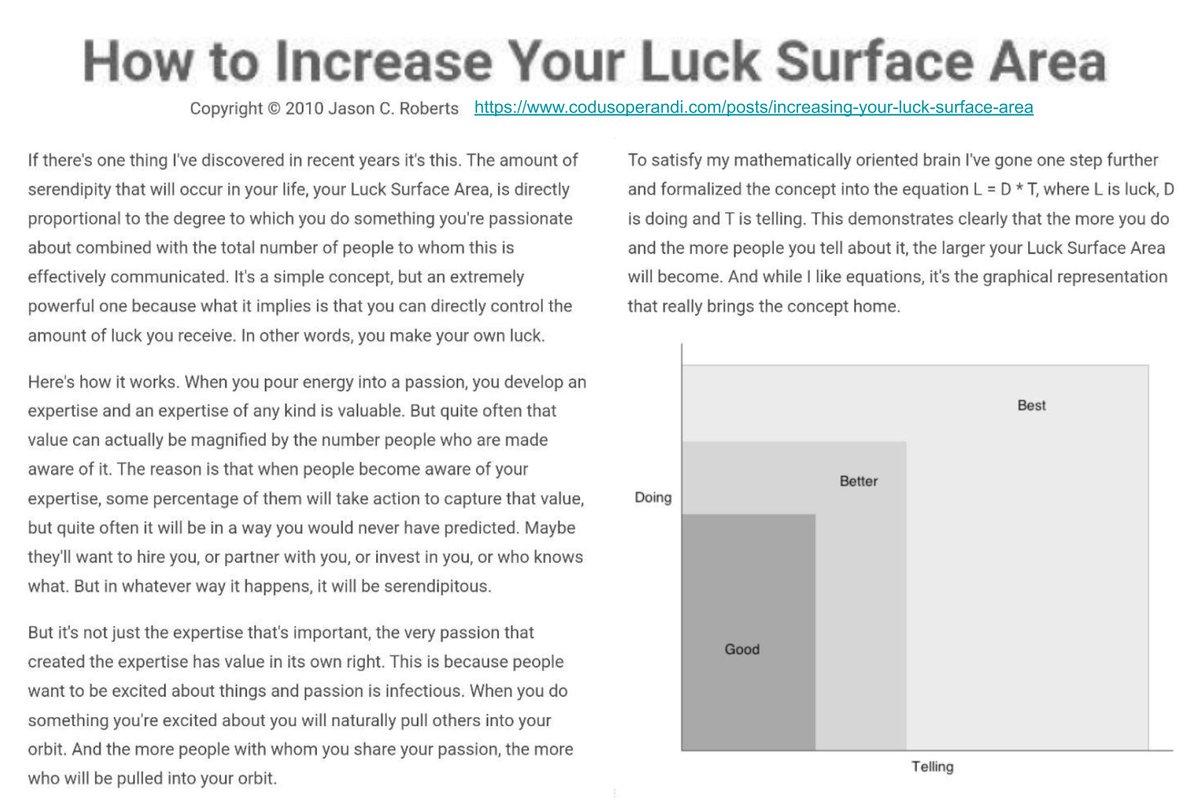
“give yourself a lot of shots to get lucky” is even better advice than it appears on the surface.
luck isn’t an independent variable but increases super-linearly with more surface area—you meet more people, make more connections between new ideas, learn patterns, etc.