Studenti ed AI
Il MIT ha pubblicato il rapporto della sua commissione su AI e didattica. Cinque mesi di lavoro, oltre 8.000 persone intervistate. Le conclusioni valgono per qualsiasi organizzazione, non solo per l'università.
Cosa sta succedendo
- Quasi tutti gli studenti usano l'AI; il 46% usa ChatGPT "spesso o molto spesso"
- Ricevimenti, gruppi di studio e partecipazione in calo: l'AI sostituisce le persone prima ancora dei compiti
- Problem set, esami a casa e progetti fuori aula non misurano più nulla
- Gli studenti dei primi anni si sentono più "sostituibili" che "potenziati" (40% contro 34%)
- Il 70% pensa che l'AI sarà decisiva per la carriera; solo il 25% si sente preparato
- I rilevatori di testo AI non funzionano e avvelenano il rapporto docente-studente
Cosa propone
- Ripartire dagli obiettivi di apprendimento, non dal "vietare o permettere"
- Esami orali, portfolio, colloqui in aula sul lavoro fatto a casa; niente fuga verso gli scritti a tempo, che premiano la velocità e non la profondità
- Ogni corso con una politica AI esplicita e motivata, scelta da un menù di quattro opzioni: libera, solo supporto, obbligatoria, vietata
- Più laboratori, progetti reali e una componente sociale obbligatoria in ogni materia
- Difendere la ricerca degli studenti dalla tentazione di sostituirli con agenti: l'inefficienza dell'apprendistato è una funzione, non un difetto
- Ripensare i voti: senza corsa alla media sparisce gran parte dell'incentivo a barare
- Accesso equo ai modelli: chi paga 200 dollari al mese ha un vantaggio strutturale sui compagni
- Comitato permanente, referenti AI per dipartimento, fondo per sperimentare, metriche
Il principio guida: aumentare, non automatizzare. L'AI deve ampliare ciò che una persona può pensare e costruire, non eliminare la fatica che produce apprendimento.
Se un compito può farlo l'AI, cosa stai davvero valutando quando lo assegni a una persona?
Fonte: https://t.co/v8rKmARBkc
I got hit by some rather sudden and extreme financial hardship so if anyone is in need of remote wetlab contract research, strictly BSL1, do let me know. Currently scrambling for gigs.
Plant, Bacterial, Archaeal Bioeng
Custom Lab Hardware
Turn Key Genetic Design
Please RT 💚
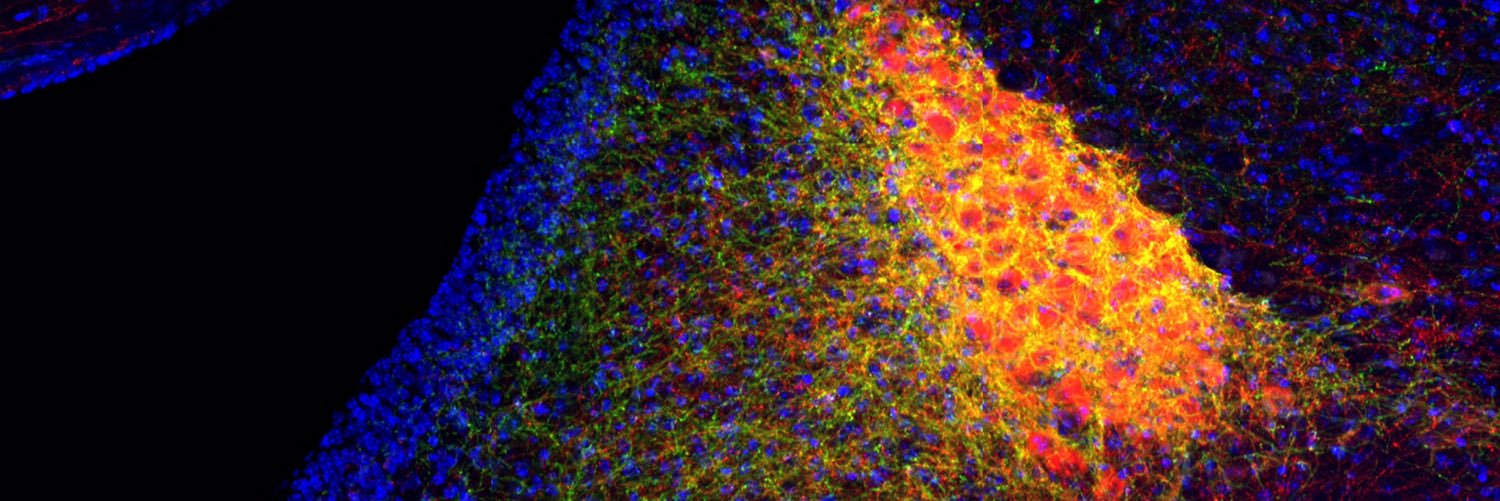
Our second-generation monosynaptic tracing paper is now online at Nature Neuroscience (open access):
"Long-term labeling and imaging of synaptically connected neuronal networks in vivo using double-deletion-mutant rabies viruses"
https://t.co/dmxMWwPTK6
1/12
🔵 New paper suggests that noradrenaline(NA) from the #LocusCoeruleus regulates "giving up" in response to inescapable stress. With repeated failure, NA decreases and less alpha1a-receptors get activated on GABAcells in orbitofrontal cortex.👇
https://t.co/m0mskdEf6N
Bacteria in our BRAINS??
Surprisingly, we observe translocation of gut bacteria to the brain via the vagus nerve. This occurs in mice fed a high fat diet, or without dietary changes in mouse models of Alzheimer’s, Parkinson’s, and autism. 🧵
https://t.co/sD8jElANvE
🚨✨🧠🐭📰🚨
Interested in how defined neural populations of the insular cortex encode both emotional valence and anxiety-related behaviors ?
Check out our work answering this exact question !! https://t.co/pD6AjGioc3
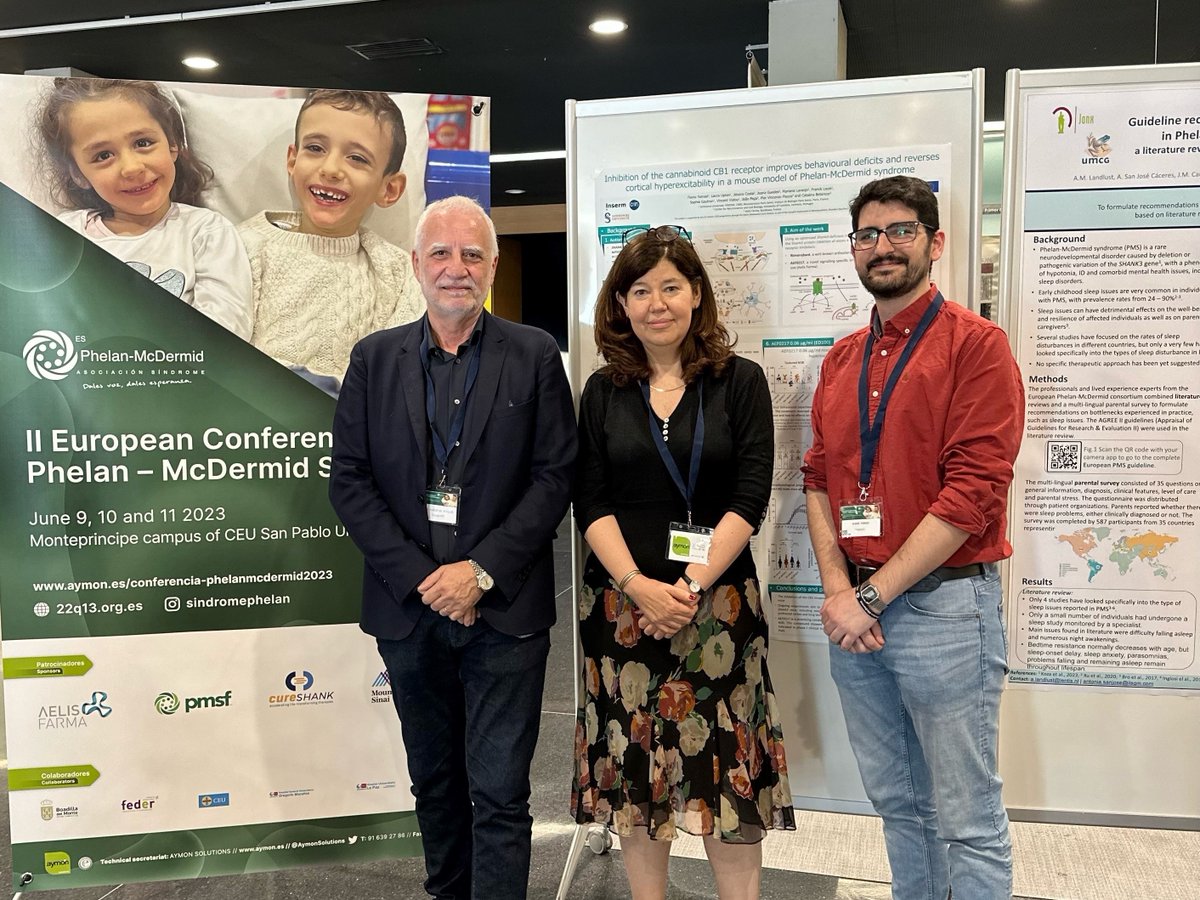
At the II European Conference on @PhelanMcDermid Syndrome, Aelis Farma and Catalina Betancur presented the efficacy of AEF0217 in a mice model of Phelan-McDermid Syndrome, a genetic cause of ASD🧬
More info👉 https://t.co/ETMVpVW5Sc
#AELIS#autism#PhelanMcDermid#orphandisease
I am so excited to share with you our latest story with @MarsicanoLab published in @NeuroCellPress!
For those interested, full free access text here:
https://t.co/6u232sh3qf
check🧵for a short summary! 1/4
New study from our lab! We discovered that blocking the 2-AG hydrolyzing enzyme, Abhd6, reduces the premature lethality and thermally-induced seizures in a genetic mouse model of Dravet Syndrome via potentiation of GABAAR. PDF here_ https://t.co/MMHBiP7BLK
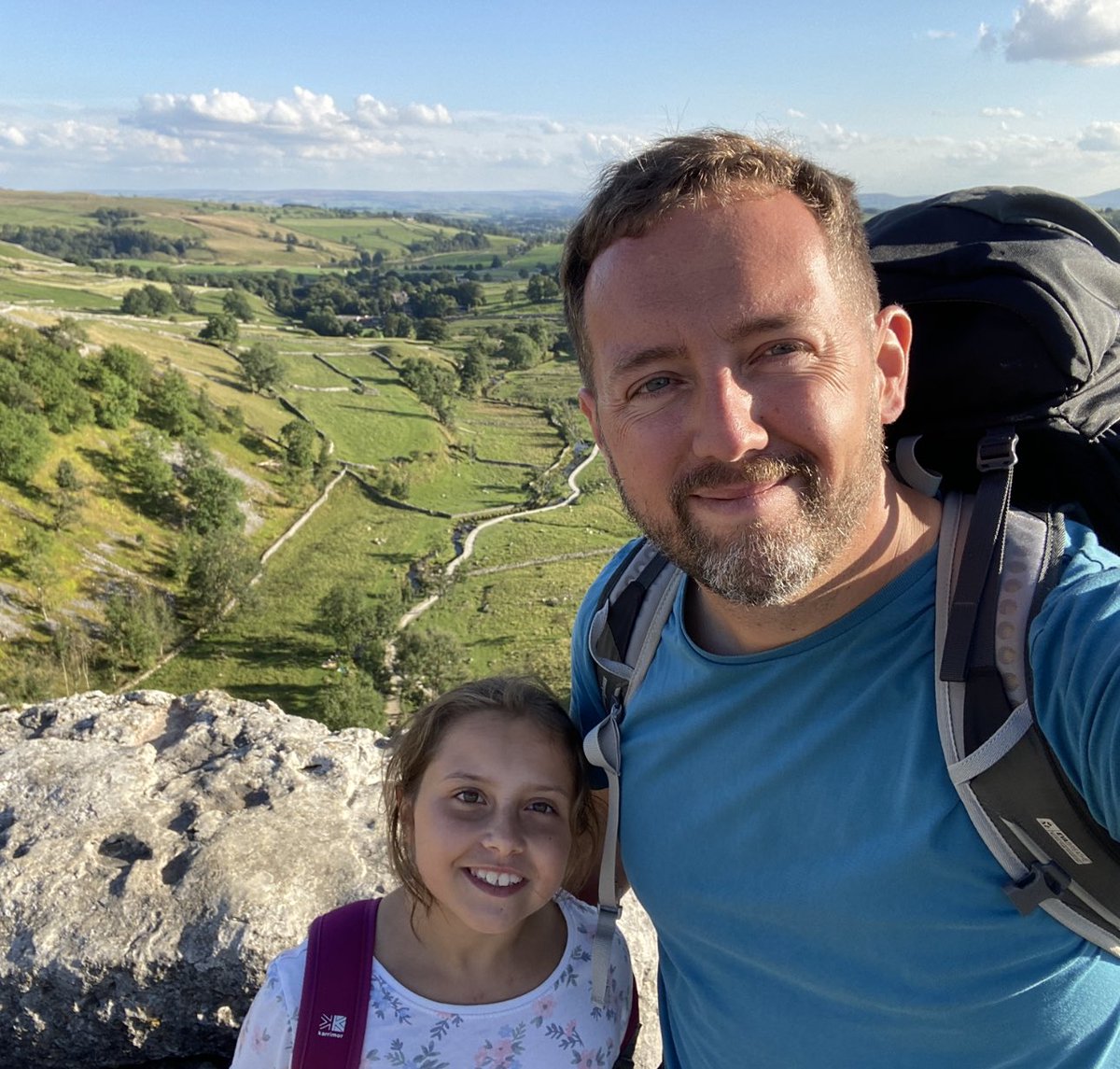
I don’t usually post personal news but Clinicians have told us to pull every lever.
Our daughter has with #dipg Brain cancer. There is no cure and typically 9m life expectancy.
If anyone knows of trials then please get in contact! #braincancer#childrenscancer@CR_UK
The Bastos Lab and the Data Science Institute at Vanderbilt seek to hire a highly-paid ($70,000/yr) data science postdoc to discover the neural building blocks of predictive coding. We also seek to re-envision postdoctoral training within a community-based training model. 1/5
🚨🚨PAPER ALERT🚨🚨
We're glad to share with you our laboratory's first paper published in @npp_journal about alcohol and social choice in Wistar rats (full text: https://t.co/Tvh7WJoWGf).
We also have a🧵for you!
#Webinaire🎥
Participez à notre webinaire interactif dans lequel nous feront le point sur les avancées cliniques d'@AelisFarma
🗓 Mardi 29 novembre 2022
🕥 18h00
Inscrivez-vous en cliquant ici 👉 https://t.co/v3Z8WRe1tq
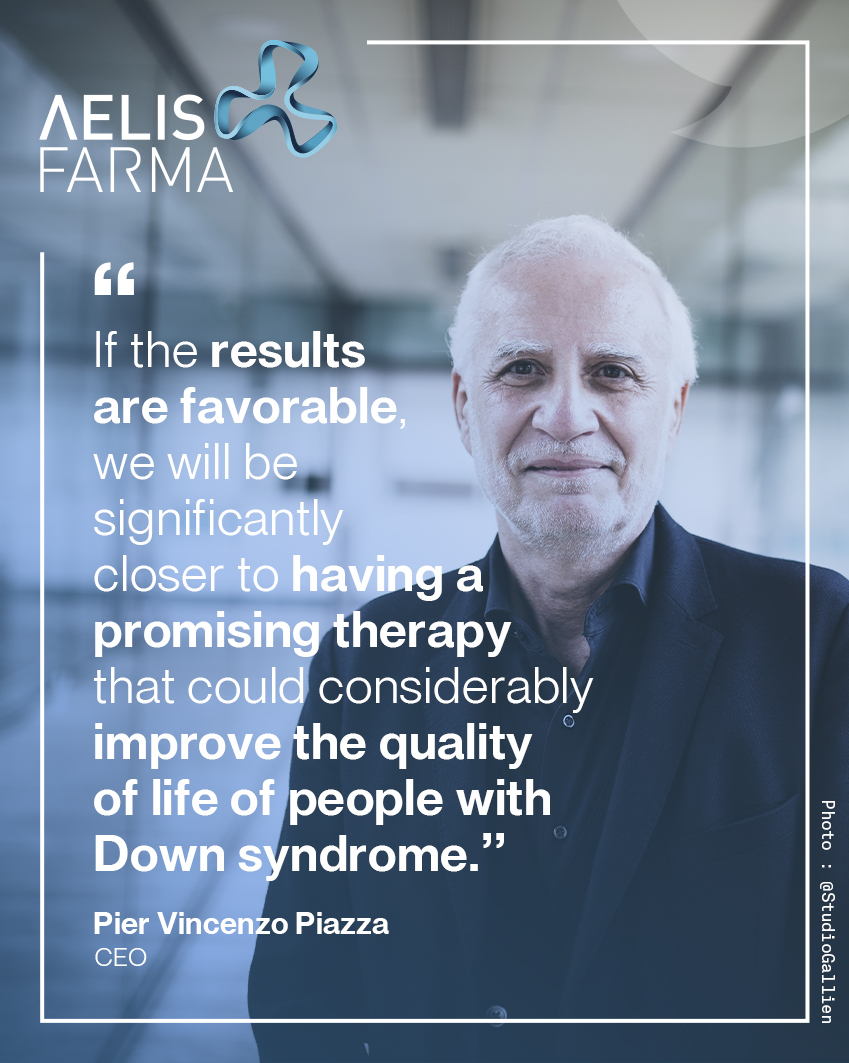
We are happy to announce the positive results of the phase 1 program of AEF0217 in healthy volunteers, which allow us to enter the first trial in people with #DownSyndrome with this drug candidate designed to treat cognitive disorders
More info 👉 https://t.co/AMgeLClJmP