From operating room to pathology report: Delphi consensus on pathological assessment of peritoneal cytology and biopsies in staging laparoscopy for gastric cancer
https://t.co/4tDS0CwpZ6
❗️ Bayesian Thinking
Very high yield talk w/slides
Must-read stuff for graduate and medical students, biomedical researchers, clinicians
🫡 @f2harrell
https://t.co/2nl695T4dq
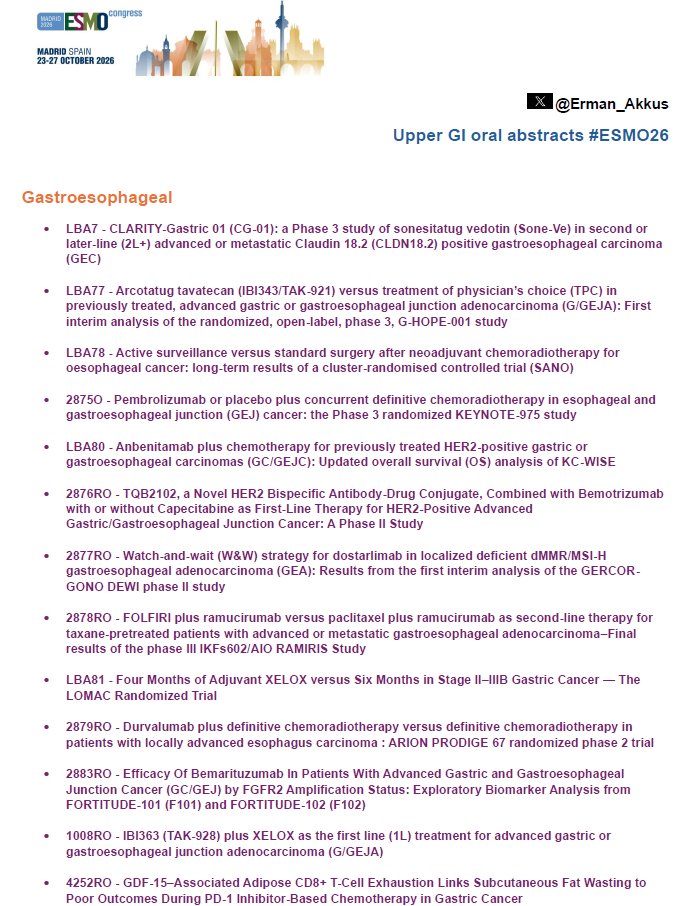
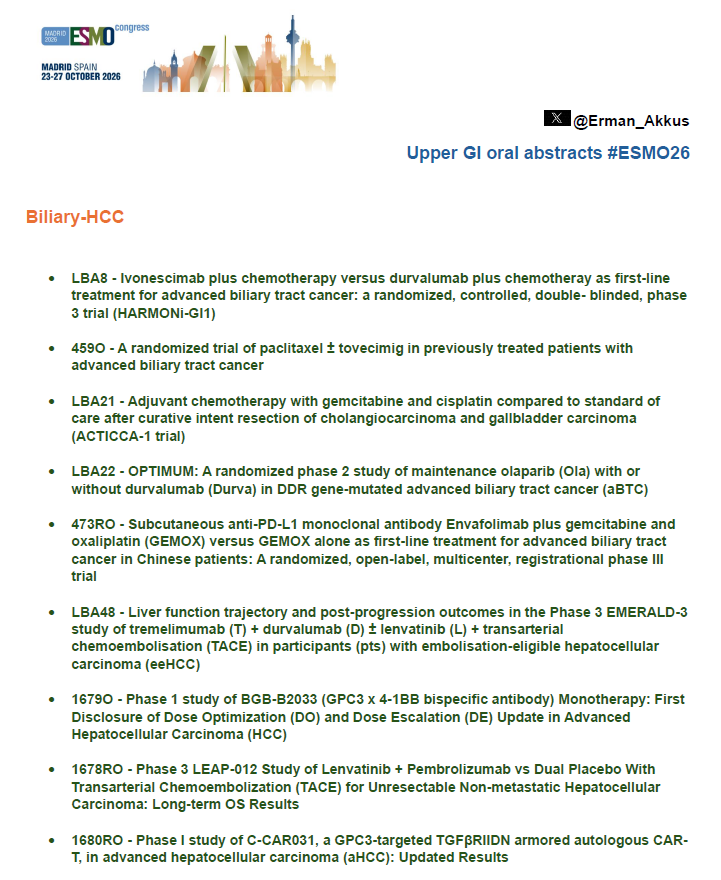
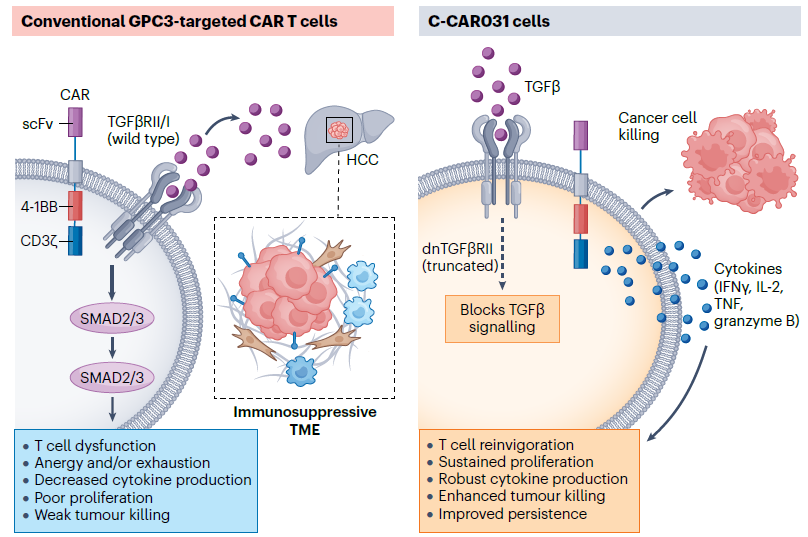
💡 #GPC3 CAR T cells in #HCC: how much armouring is enough, and what comes next? @NatRevClinOncol
📊 C-CAR031, a GPC3 CAR T armoured with a dominant-negative TGFb receptor II, gave ORR 44.4% in 36 heavily pretreated patients, but median DOR was only 4.4 months.
📊 Resistance ran through two routes: GPC3 loss and rising TGFb signalling that overwhelmed the armour.
👉 Antigen escape is the more tractable one. Dual or tandem-antigen CARs could help, but only if the second target is functionally relevant.
👉 GPC3-PET could track this without repeat biopsies.
👉 And why only T cells? The liver is rich in NK, MAIT and myeloid cells, so CAR NK, CAR MAIT and CAR macrophages deserve comparison.
DOI: https://t.co/FCJbD5WofZ
@ILCAnews@EASLnews@myESMO #LiverX #CART
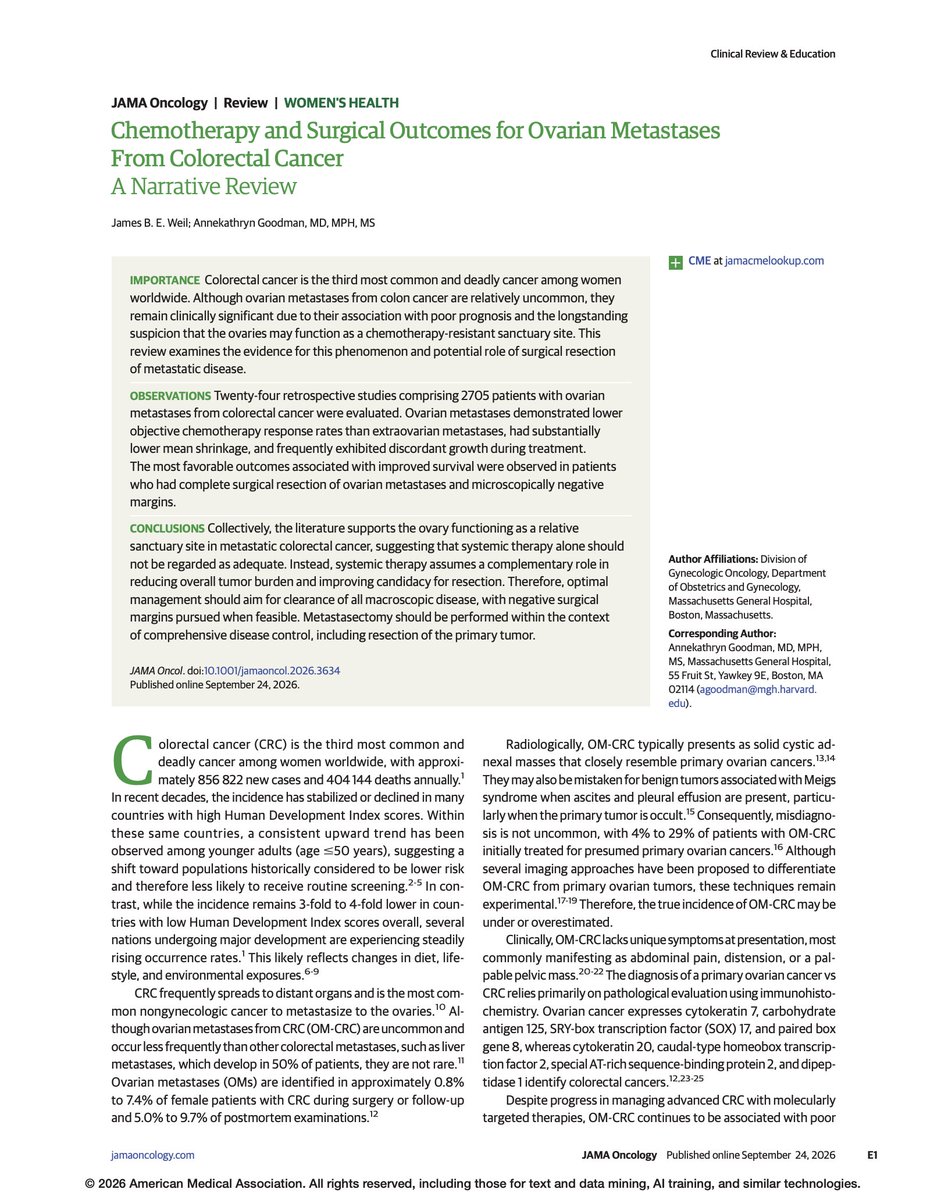
Review article: Ovarian metastases from CRC
▪️24 retrospective studies, 2,705 patients
▪️Ovarian mets showed lower response to chemo, less shrinkage, and frequent discordant growth vs extraovarian disease.
👉The ovary may act as a relative chemotherapy-resistant sanctuary site. In cases where ovarian mets show discordant progression despite response at other mets, surgical resection may be worth considering.
🔗https://t.co/bu7v8rN8dk
@JAMAOnc@OncoAlert
Expert consensus on clinical trials for use of systemic therapy in patients with hepatocellular carcinoma undergoing surgical and locoregional therapies
https://t.co/nsJwKUvOzX
🔥great news🔥
FDA approves lirafugratinib for previously treated, unresectable, locally advanced or metastatic cholangiocarcinoma
https://t.co/u4Mr4ijEcu
👉expanding options for patients with FGFR2 fusions!
@myESMO@ASCO@ILCAnews@EASLedu
"Statistics in Oncology in Practice", fom my talk available at https://t.co/nTsm6LeKo2
A change in sample size should always be transparently explained.
If not, there is a risk of what we call "p-hacking", "data-dredging"
See here with an example with the PANOVA trial👇
🔥off the press🔥
Precision oncology in GI-cancer: Mechanisms of action, indications and ongoing strategies to overcome primary and secondary resistance
Seminars in Cancer Biology
👉PO is fascinating , but complex
👉No magic bullet, much to consider: vertical & sequential pathway inhibitions, persister & resistance mechanisms, rechallenge...
Our thoughts👇
https://t.co/T2AA1lAlqw
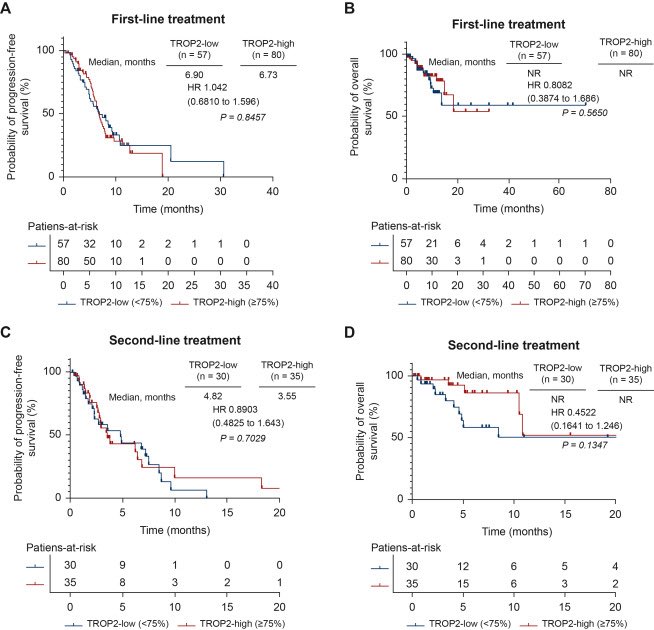
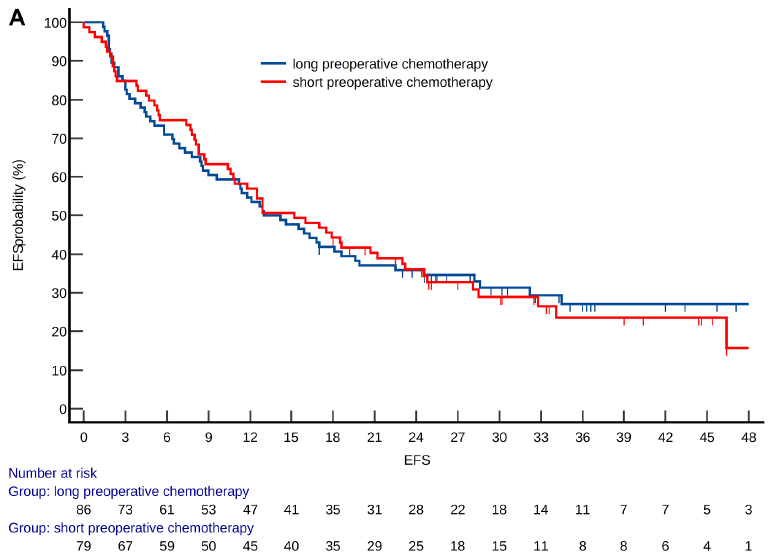
"Statistics in Oncology in Practice", my new talk is available at https://t.co/gbrSccFxE2
Here is an excerpt: understanding the principles of Kaplan-Meier is fundamental, a practical example with LUNAR @Alfdoc2 !
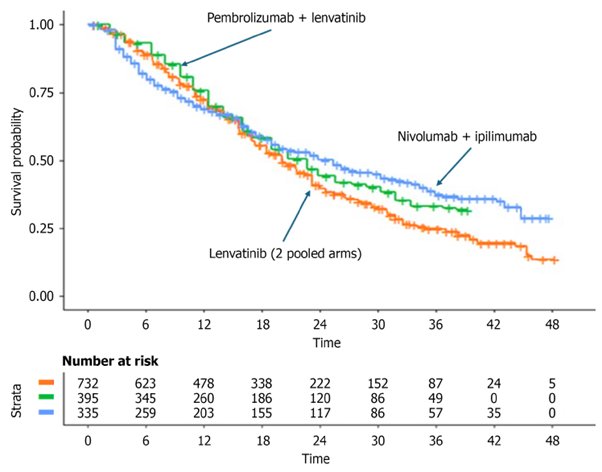
🔥 No head-to-head trials compare first-line #HCC combo therapies.
Researchers reconstructed patient data from KM curves (IPDfromKM) to rank them indirectly.
New analysis in World J Gastrointest Pharmacol Ther (8 phase III RCTs) 👇
👉 vs #sorafenib: camrelizumab + rivoceranib had the best HR (0.61); cabozantinib+atezolizumab showed no benefit
👉 vs #lenvatinib: nivolumab+ipilimumab and pembrolizumab+lenvatinib showed modest, similar gains
🧐 Comparator choice (sorafenib vs lenvatinib) shapes the results — a descriptive, not causal, ranking.
DOI: https://t.co/moi4oV3mLO
@ILCAnews@myESMO@EASLnews
#LiverX #Immunotherapy #IndirectComparison
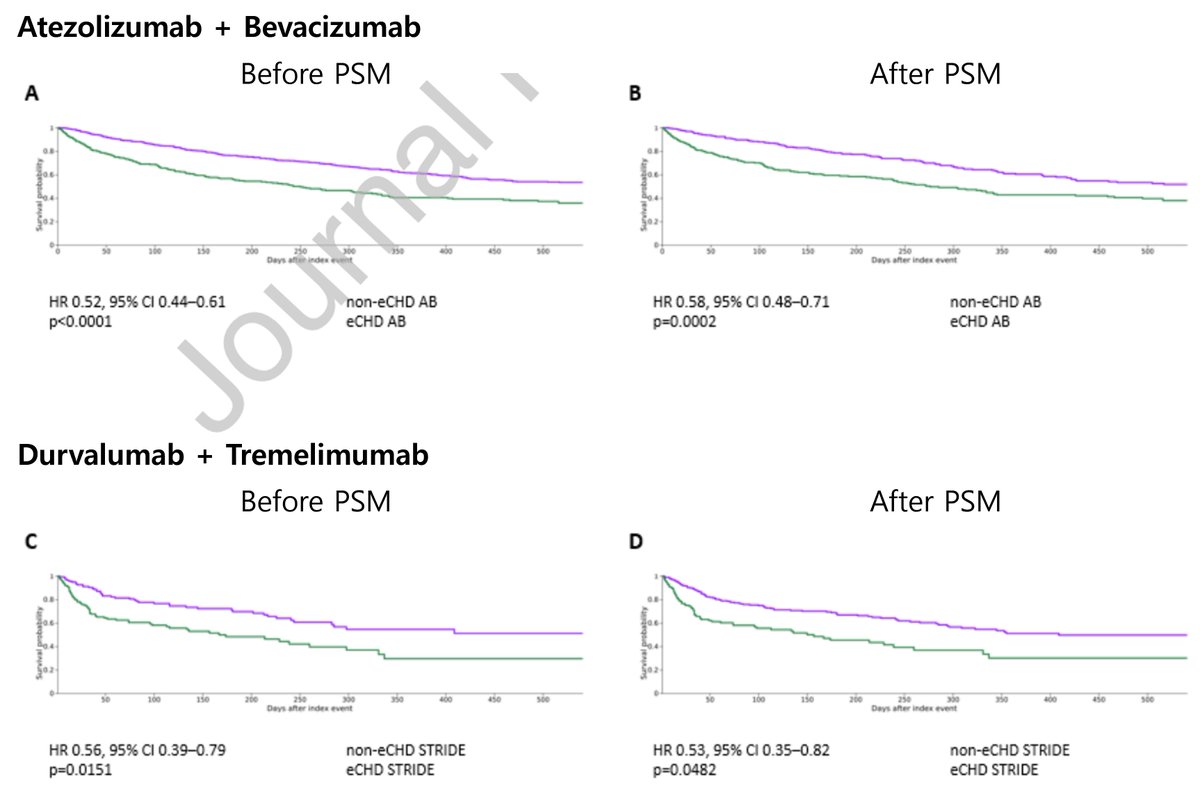
💡 Early hepatic #decompensation (eCHD) predicts worse survival in #HCC on #ICI therapy #SeminarsInOncology@casadei_gardini
👉 #eCHD hit 31% of cohorts, nearly halving median OS (AB: 5.5 vs 16.2mo, STRIDE: 5.2 vs 13.6mo)
👉 Still significant after adjusting for baseline liver function
DOI: https://t.co/y3vqBUAwOv
Futibatinib after Non-Covalent FGFR Inhibitors in FGFR2-Rearranged Intrahepatic Cholangiocarcinoma: Clinical Activity and Resistance Patterns - European Journal of Cancer https://t.co/lBgKf7AOd6
Durvalumab and tremelimumab, with or without lenvatinib, combined with transarterial chemoembolisation in participants with embolisation-eligible hepatocellular carcinoma (EMERALD-3): a global, randomised, open-label, sponsor-blinded, phase 3 study https://t.co/dQ33H7EZg5