Scientist | Plant Health | Nematology | Food Systems Transformation | Climate Smart Agriculture | Currently affiliated at NemAfrica | African Woman🇰🇪 | Artist
Forests help absorb carbon, regulate temperatures and strengthen resilience against climate impacts.
Protecting them means protecting one of our strongest climate allies.
Find out more: https://t.co/e2SY5xwAG5
#NowForClimate#WorldEnvironmentDay
This week @nfrec_sv we planted our first peanut trial of the year. We are testing various nematicides applied in the planting furrow for management of peanut root-knot nematode. In the season, we will broadcast nematicides in certain treatments to see if this improves management.
This #earthday, we recognize the vital role plant scientists play in protecting our ecosystems, strengthening food security, and advancing sustainable agriculture worldwide. From research to real-world impact, APS members are helping #planthealth take root for a better future.
On #InternationalMotherEarthDay, we face a clear reality: agrifood systems drive 30% of global emissions. 🌍
Through climate-resilient crops, improved soil health, smarter water use, and stronger farming systems, @CIMMYT is helping build a more sustainable future.🌱
“We are called to assist the earth, to heal her wounds, and in the process heal our own.”
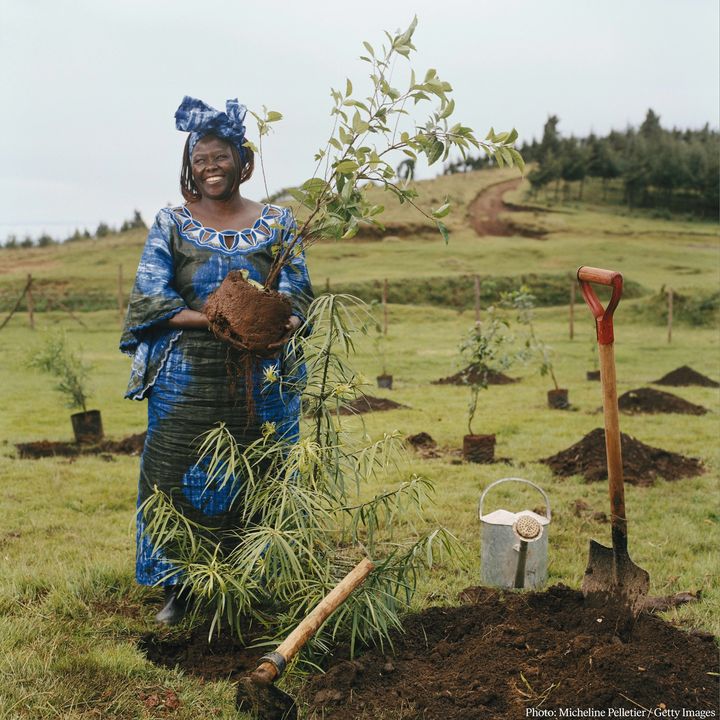
After becoming the first woman to earn a doctorate degree in East and Central Africa, Wangari Maathai started a movement that led to the planting of 50 million trees, a more democratic society and the Nobel Peace Prize.
In 1976, Wangari Maathai became involved with the National Council of Women in Kenya. She suggested that they should start community-based tree planting to combat deforestation and desertification. In 1977, she developed her idea into a grassroots movement organisation called the Green Belt Movement (GBM).
Maathai began the project by planting nine trees in her own yard – as it grew it became the largest tree planting project Africa had ever seen, encouraging women to plant trees in “green belts” around their towns and villages and to think ecologically. Her movement grew and spread to other African countries. With the GBM, Maathai hoped to promote sustainability as well as create jobs for women and empower them to gain economic and social power.
Besides giving jobs to women and planting more than 50 million trees, the movement also became a symbol for a democratic struggle and a token of peace. According to widespread African tradition, trees are used as white flags during disputes. In Wangari Maathai’s own words: “The tree also became a symbol for peace and conflict resolution, especially during ethnic conflicts in Kenya when the Green Belt Movement used peace trees to reconcile disputing communities.”
In 2004, Maathai was awarded the Nobel Peace Prize "her contribution to sustainable development, democracy and peace." She was the first African woman to receive the peace prize.
Photo by Micheline Pelletier / Getty Images
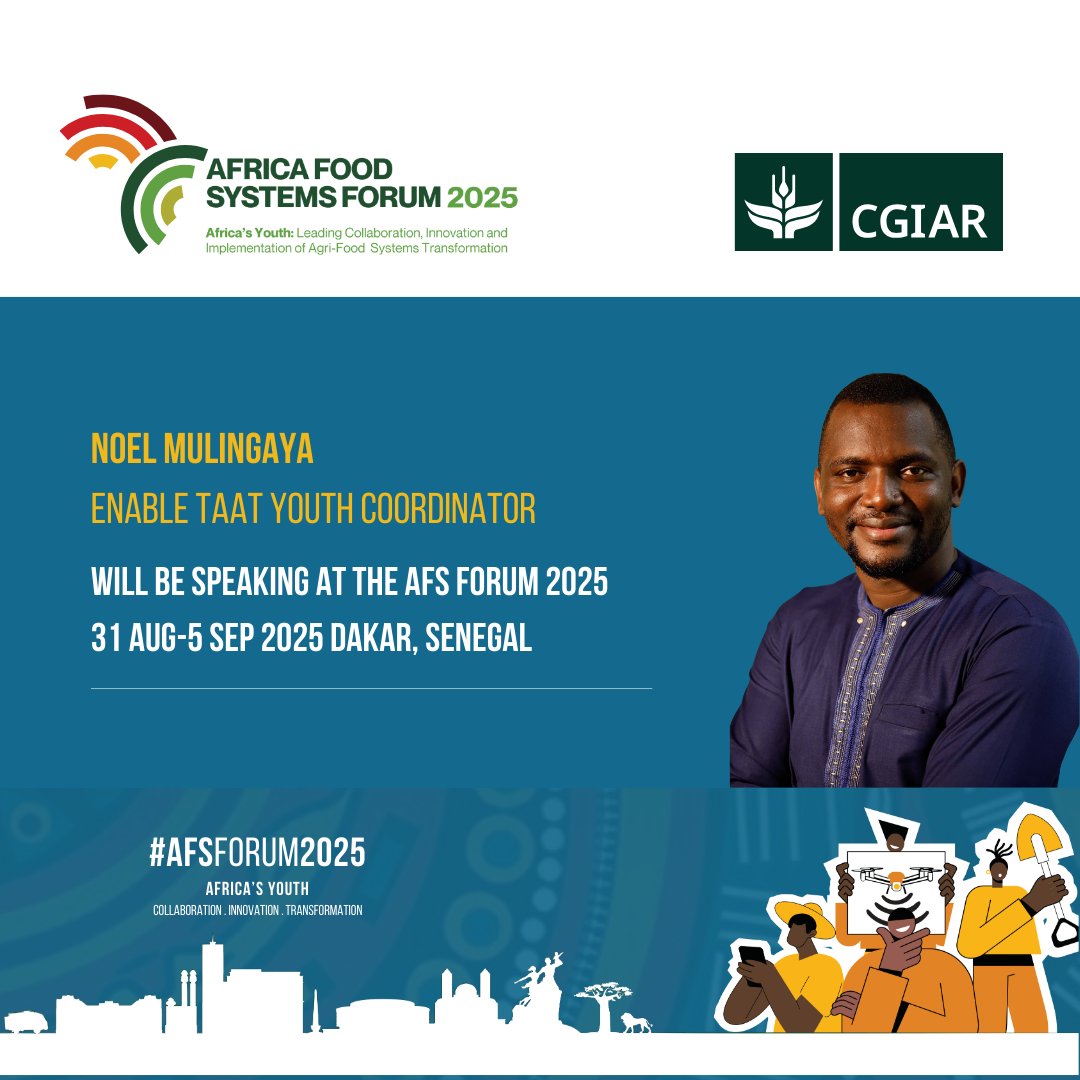
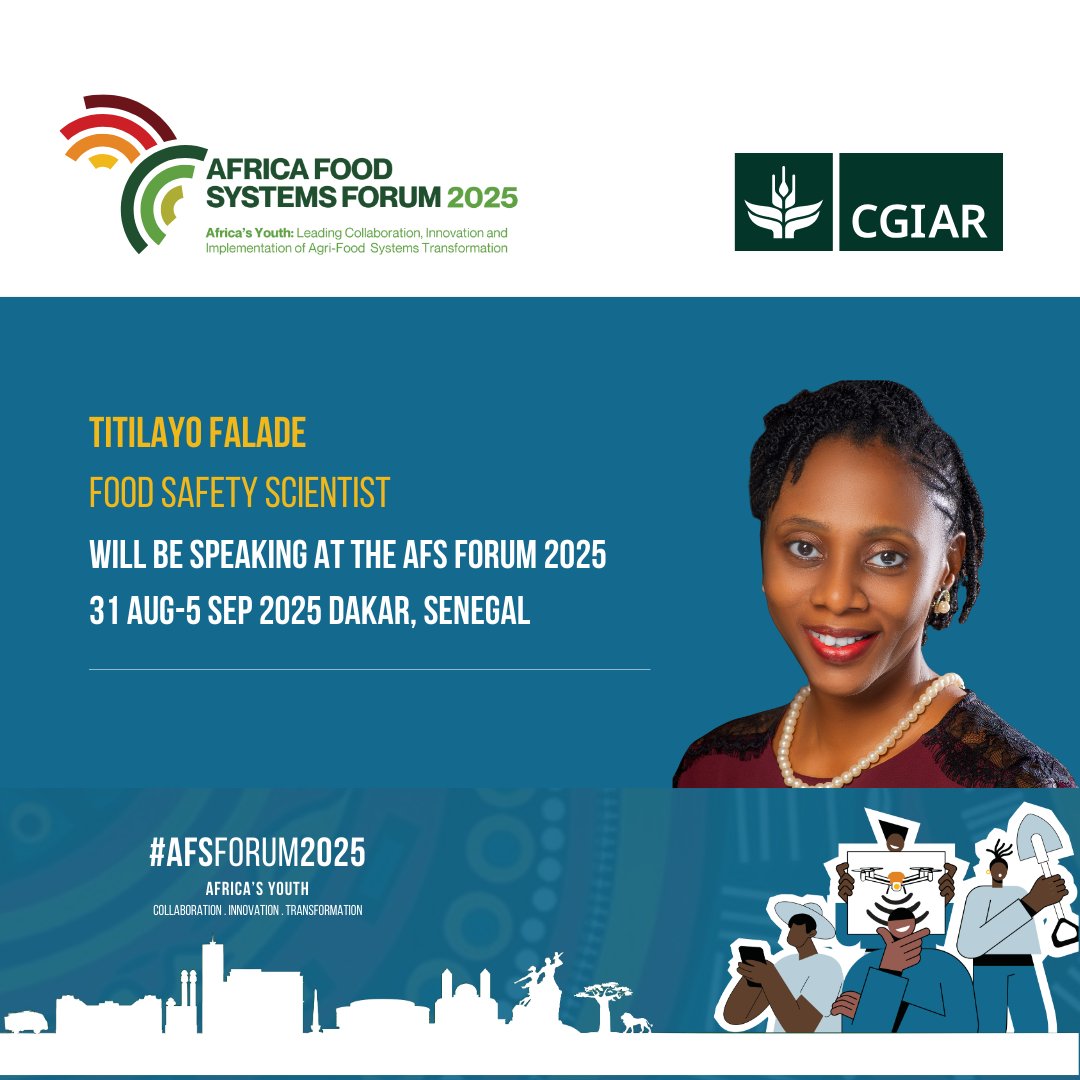
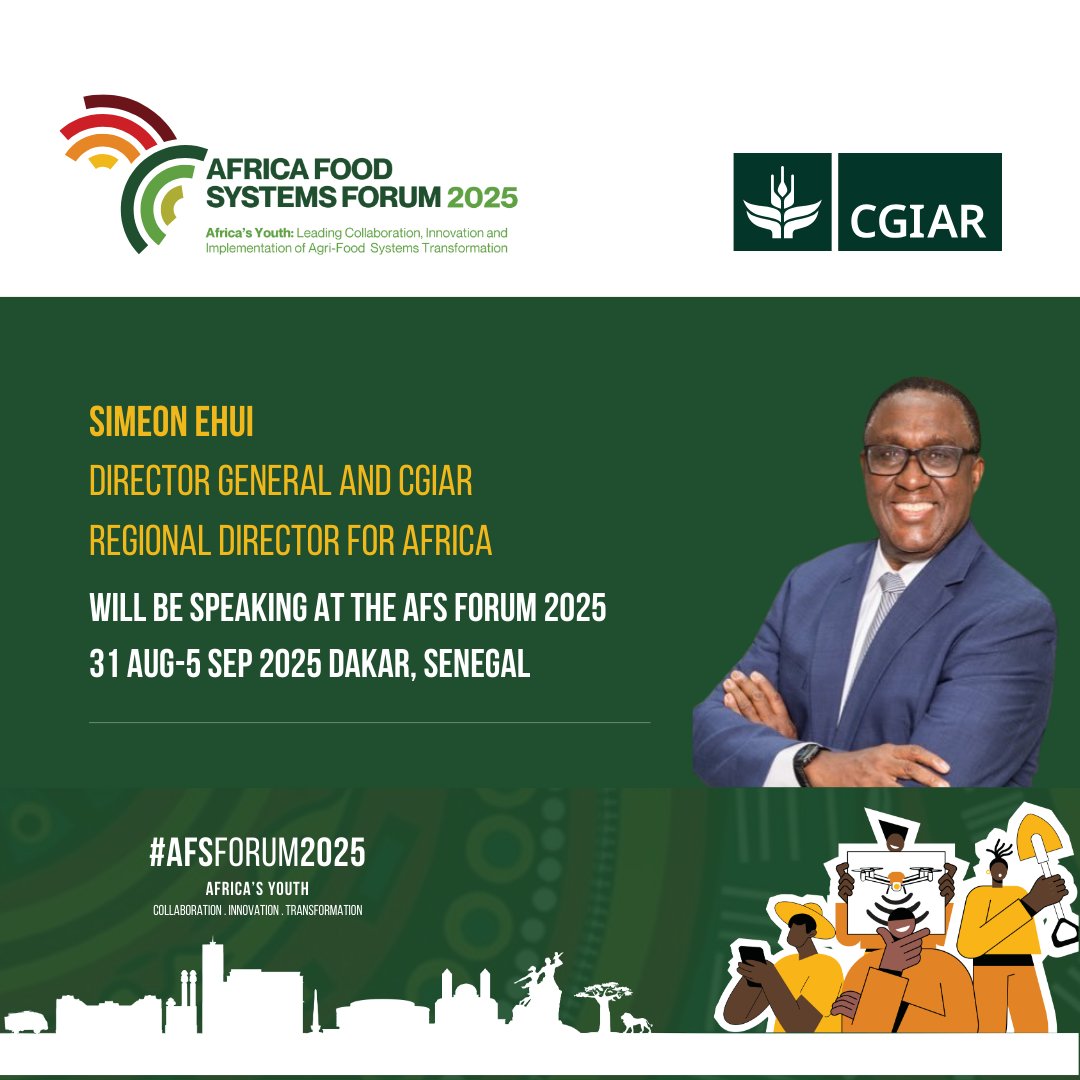
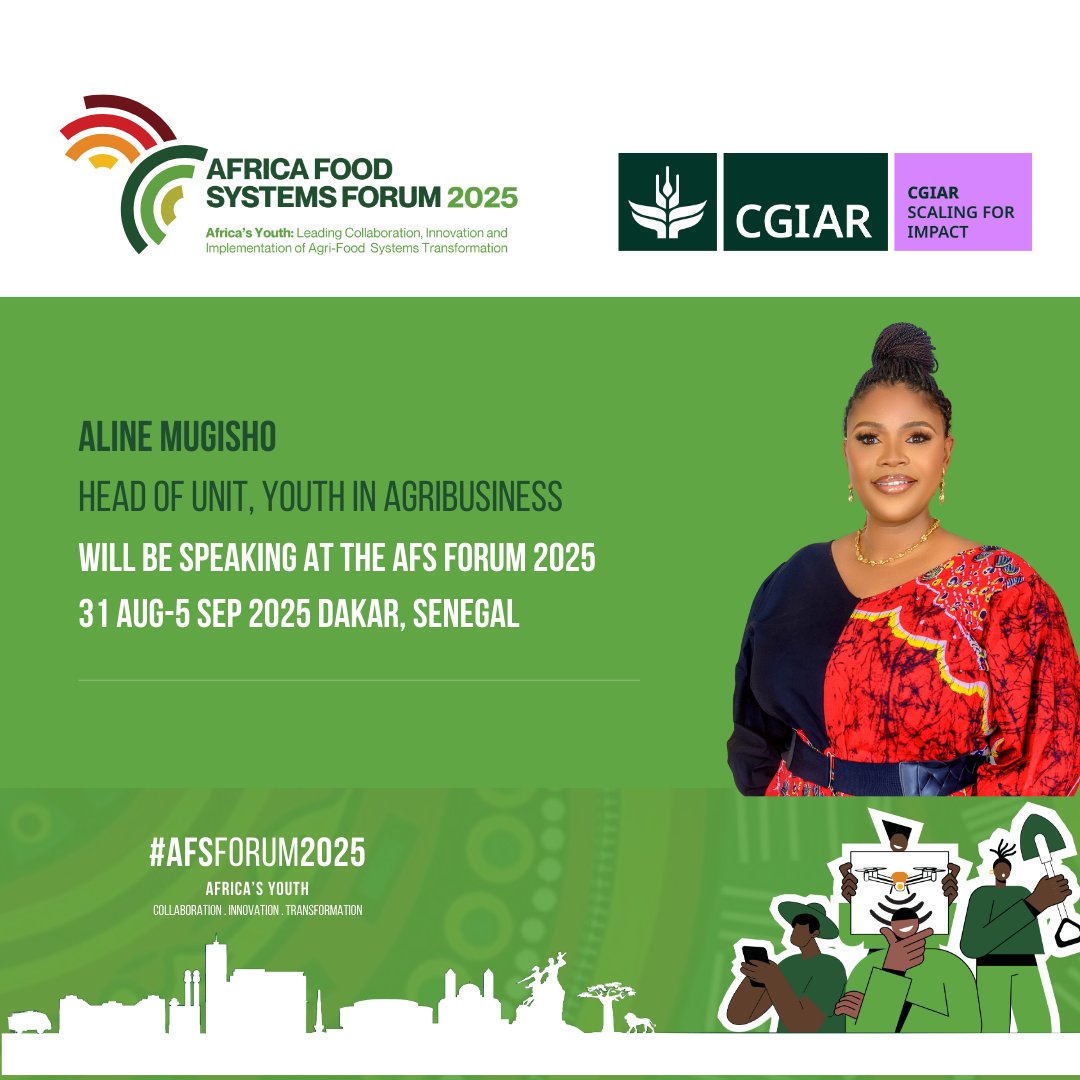
📢Next week, IITA will be participating at the African Food Systems Forum (AFSF) 2025 taking place in Dakar!
Our Director General and @CGIAR Regional Director for Africa, Dr @simeonehui , alongside IITA scientists, will join policymakers, innovators, and agri-food systems' leaders to strengthen partnerships for agricultural transformation across Africa.
At the heart of discussions during the @TheAGRF will be youth and innovation, food safety, nutrition and strategic collaborations.
IITA along with other CGIAR centers will showcase #agricultural innovations that are empowering #farmers, and building resilient food systems for the future.
Stay tuned as we share insights from Dakar!
.
#AFSF2025 #IITAxCGIAR #FoodSystems #Nutrition #SeedSystems
🚨 Big news for #Kenya’s potato sector!
Scientists at @JamesHuttonInst NPIC have bred 2 new potato varieties, now listed on National Variety List—set to tackle major pests & boost yields.
more 👉 [https://t.co/8FXKB9DVUE](https://t.co/8FXKB9DVUE
@Cipotato@icipe@IITA_CGIAR
🚨 Big news for #Kenya’s potato sector!
Scientists at @JamesHuttonInst NPIC have bred 2 new potato varieties, now listed on National Variety List—set to tackle major pests & boost yields.
more 👉 [https://t.co/8FXKB9DVUE](https://t.co/8FXKB9DVUE
@Cipotato@icipe@IITA_CGIAR
Celebrating 10 Years of NemAfrica: A Decade of Advancing Nematology Research and Capacity in Africa
This year marks the 10th anniversary of @NemAfrica, an inspiring partnership born from the fusion of two leading institutes aiming to amplify nematology research and build critical mass across Africa. Over the past decade, NemAfrica has tirelessly worked to create synergy among researchers, agriculturalists, and farmers to tackle one of the continent’s most hidden but damaging agricultural pests—nematodes.
We’re proud to share that NemAfrica’s decade of work protecting farmers’ harvests from hidden threats has been highlighted by EnviroNews Nigeria.
📰 Read the full feature here 👉 https://t.co/hYlZsfZrWq
@DannyCoyne6
We hosted Prof. Benson Mwangi, Director of Mariira Campus – @MurangaUni , & his team for the official MOU signing with @IITA_CGIAR. They also toured our lab, explored our research, and saw where one of their students is thriving during attachment! @icipe@CGIAR@DannyCoyne6
Accurate identification of the Potato Cyst Nematode means faster action, stronger harvests, and a brighter future for farmers — all while boosting food security for the region.
By strengthening diagnostic capacity and fostering regional collaboration, @IITA_CGIAR and @icipe are collaborating with partners to help East and Southern Africa safeguard potato production and trade.
IITA and icipe work through the NemAfrica lab to equip national plant protection agencies in 12 countries with cutting-edge diagnostic tools and management strategies to tackle the PCN threat.
By strengthening diagnostic capacity and fostering regional collaboration, this initiative is helping East and Southern Africa safeguard potato production and trade.
@Cipotato@KephisKe and CABI
#Kenya, #Uganda, #Burundi, #SouthSudan, #Rwanda, #Ethiopia, #Zimbabwe, #Zambia, #Malawi, #Mozambique, #Tanzania, and #Lesotho
Learn more here: https://t.co/FVSpFmBCjP
🆕 paper out in @Nitrogen_MDPI
💡 This review highlights the importance of legumes in tropical farming and covers major diseases affecting productivity and their impact on the economy and the environment, including #nematodes
🔎 Read the full paper at https://t.co/f3tS79dNUL