To my fellow innovators and disruptors: Let's push boundaries, challenge norms, and create a brighter future for all. May the fourth be with us all! #StarWarsDay
Tomorrow's data scientists won't use SQL or python...
Instead, they will use English to instruct generative AI models
These models will, in turn, program end-to-end MLOps systems to build machine learning systems.
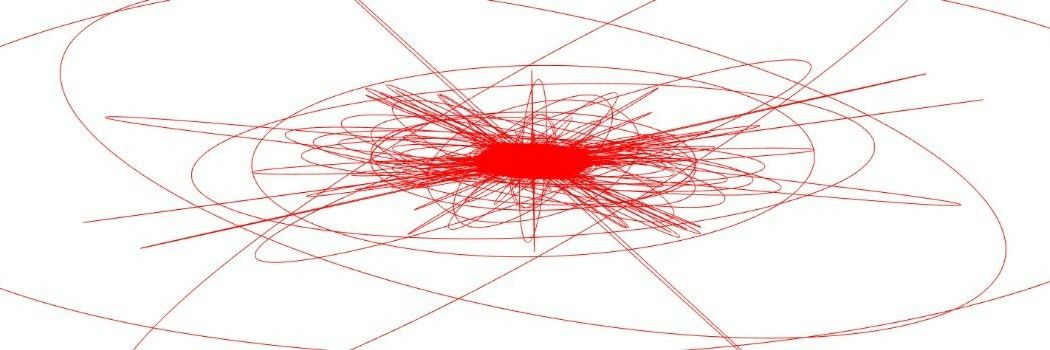
Hey #SpaceWeather peeps! What do you think? Another #Starlink batch going down due to #SpaceWeather?
While the altitude is higher than the Feb batch that was lost, solar activity (and therefore thermosphere density/satellite drag) is significantly higher... plus, G2 storm...??
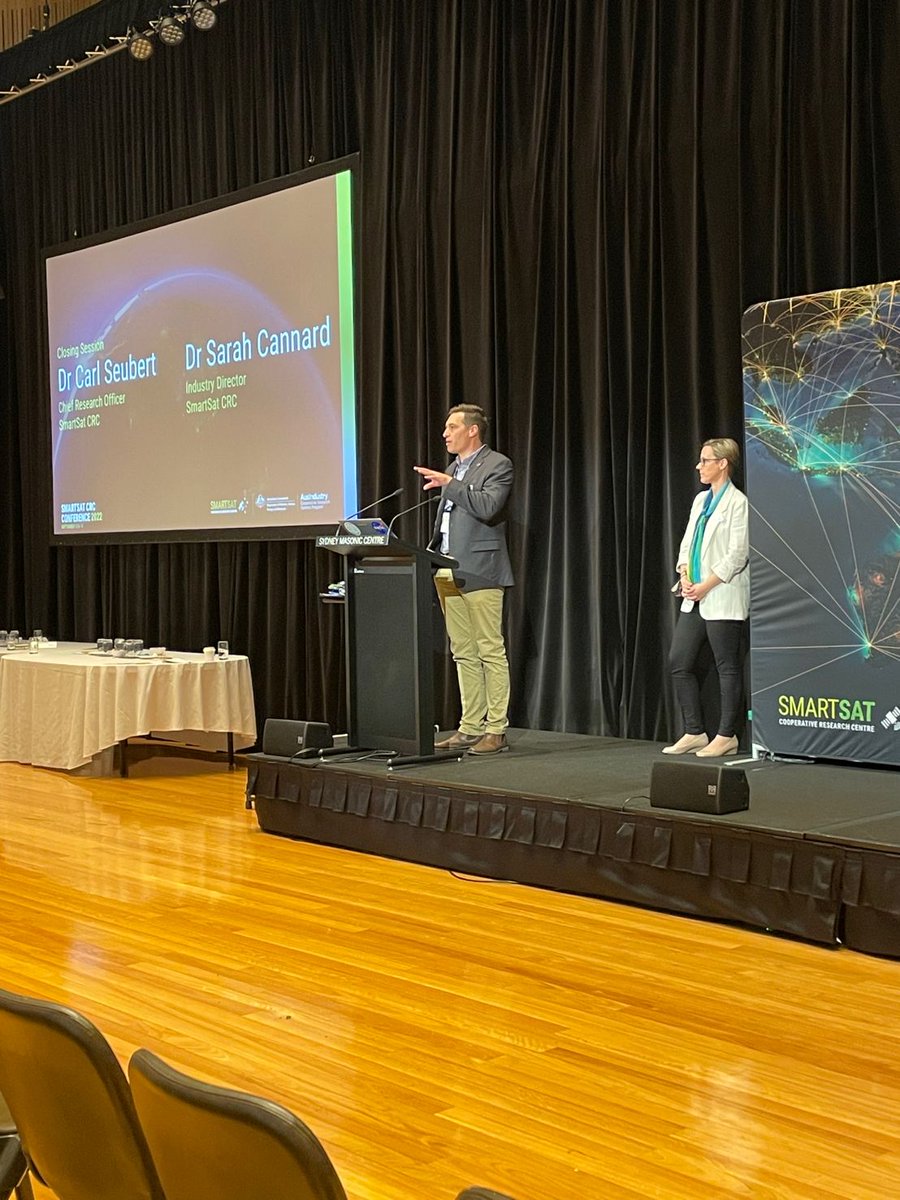
@AndyKoronios also announced the winners of Technical Poster competition:
🏆Best Project Poster - P3-04 Real Time Fire Analytics from @RMIT
🏆Best PhD Poster - P2-30s Building damage estimation using multi satellite source data based on machine learning from @UNSW's Chang Liu
Wow, G2 storm (Kp=6)! Fast solar wind from the equatorial coronal hole is the culprit. The solar wind speed is 650-700 km/s now. If the magnetic field is more often southward, we may see more Kp=6, but I would be surprised if Kp gets to 7 (G3 storm) without a CME.
The first in a succession of SIX #solarstorms is hitting Earth now! NASA/CCMC's Mary Aronne got this run spot on (see graphic). NOAA/SWPC has the other five hitting in machine-gun fashion starting on the 18th. Magnetic field is northward thus far but expect #aurora to build soon!
Space is lovely, dark and deep. You're looking at the deepest infrared image of the universe ever taken—the first full-color image from @NASAWebb.
Go deeper on the galaxies of SMACS 0723 at https://t.co/63zxpNDi4I #UnfoldTheUniverse
ISRO just released 13 more OHRC images, including Apollo 11 and 12 landing sites.
Here is A12, OHRC at top, LROC NAC with similar lighting at bottom.
Resolution is the best so far ever achieved from lunar orbit.
A sprite self portrait from October. Gorgeous almost-jellyfish cluster with beautifully detailed tendrils. Some really interesting curved features up at the very top of the grouping. Must be some unusual lightning dynamics that caused these - haven't seen them often.
How can you do archaeology in space? Find out more about the International Space Station Archaeological Project while this article is still free to access! @ISSarchaeology#spacearchaeology
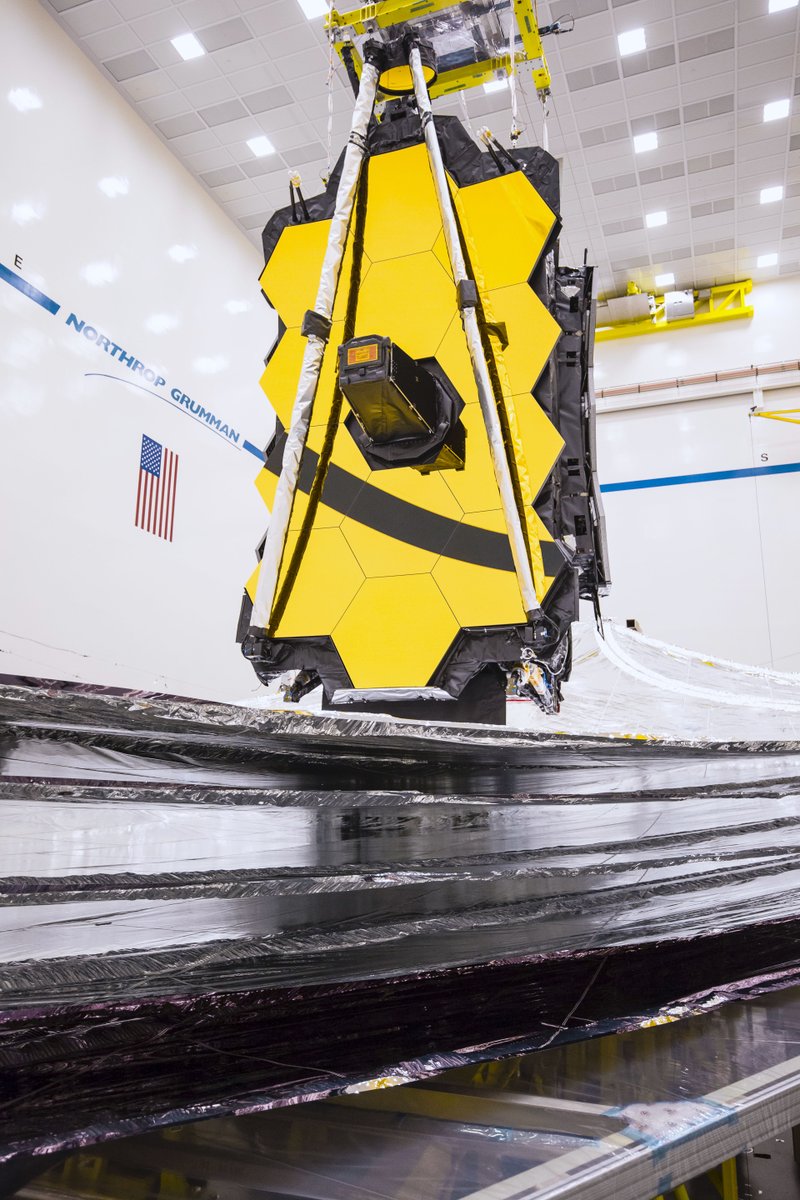
This is it: we’ve just wrapped up one of the most challenging steps of our journey to #UnfoldTheUniverse.
With all five layers of sunshield tensioning complete, about 75% of our 344 single-point failures have been retired!
You’re hot and you’re cold… 🎵
#NASAWebb is split into a “hot side” and “cold side” by its sunshield. The sunshield will always be facing the Sun to block out heat and light, as Webb's mirrors need to stay extremely cold to observe faint heat signals in the universe!