How useful is poor-weather time at International @GeminiObs? See it in a new paper using it's near-infrared spectrograph IGRINS in mostly poor-weather time to produce a high-resolution spectra of massive stars https://t.co/DX62IVOCZW 🌟🌟🌟
✨PMS stars in WLM! 🌟We found 12 metal-poor pre-main sequence stars in WLM with @NASAWebb with @astromonik@JorickVink et al.!🔭💫 They’re the most distant & metal-poor PMS stars known—shedding light on star formation in extreme conditions!🌌 🔗https://t.co/i1QQc7Y4M8
@Iberia_en@Iberia My family's Iberia refund was stolen by your company/staff. It was used to buy flights from Bogota to Madrid by a stranger. It seems this is a company wide problem and data protection is not important, and theft is most likely by your staff/call center. 1/3
@Iberia_en@Iberia It appears there are so many such cases, its shame there is no company wide response/notice of this. I demand the refund be returned since it was your data protection failure 3/3 https://t.co/WeBGs7qTiq
https://t.co/5jAsrSXShO
@Iberia_en@Iberia I complained via your webpages and got no response (assuming that the people who stole the refund are still part of the call center😵). For such a massive company you've failed at basic EU data protection norms which caused me financial damage 2/3
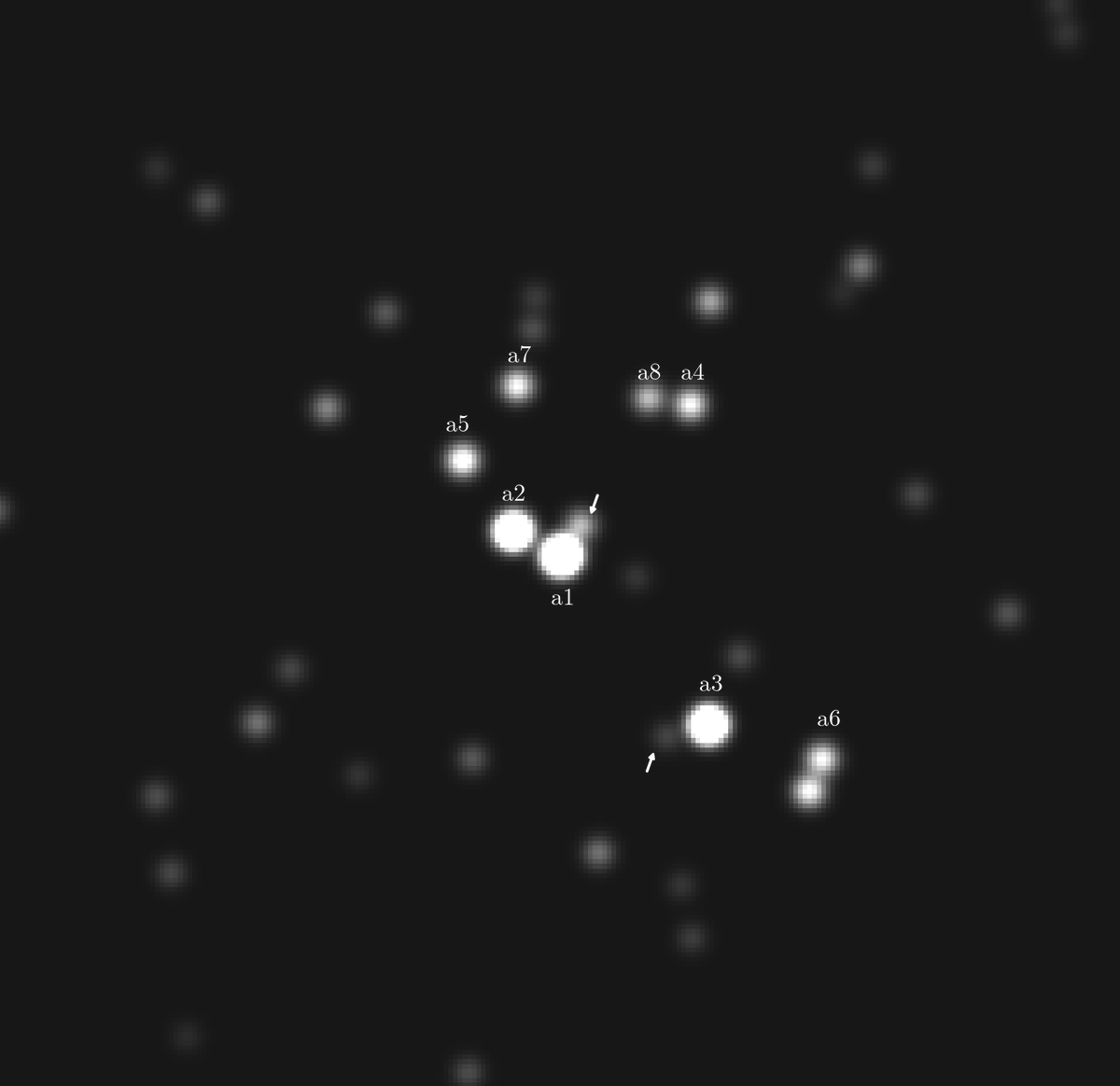
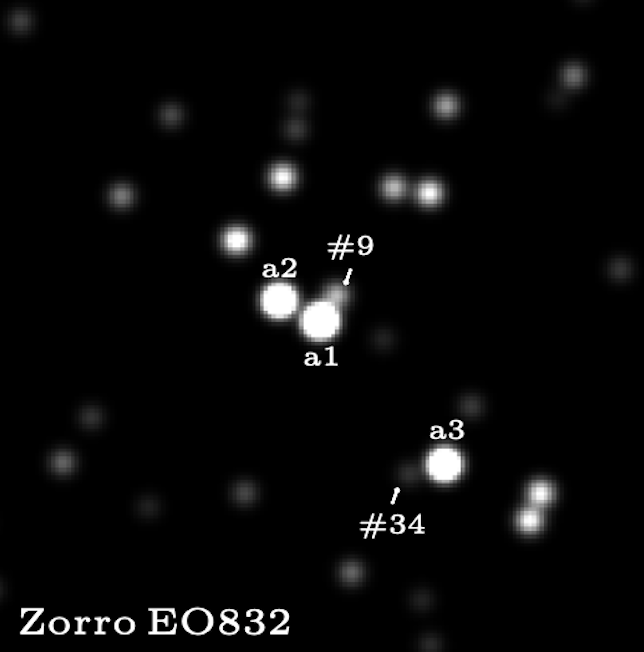
Editor's choice: Venu Kalari (@astroquackers) et al. used speckle imaging to observe the most massive star known. Combining their observation with models determined just how massive the star is.
https://t.co/V3oq8tBvly
Core of R136 in 30 Doradus with speckle imaging from Gemini South by @astroquackers et al. https://t.co/V7M2wfR1AY; R136 a1 is most massive star known with past estimates of ~250-300 Msun, they find ~200 Msun thanks to a clearer view of pesky #9 #starsarestillinteresting
We are excited to show new sharp images of R136 in the optical with @punkstronomer @jorick73 @astromonik in our paper now on astro-ph at https://t.co/iDmyoeCq2i
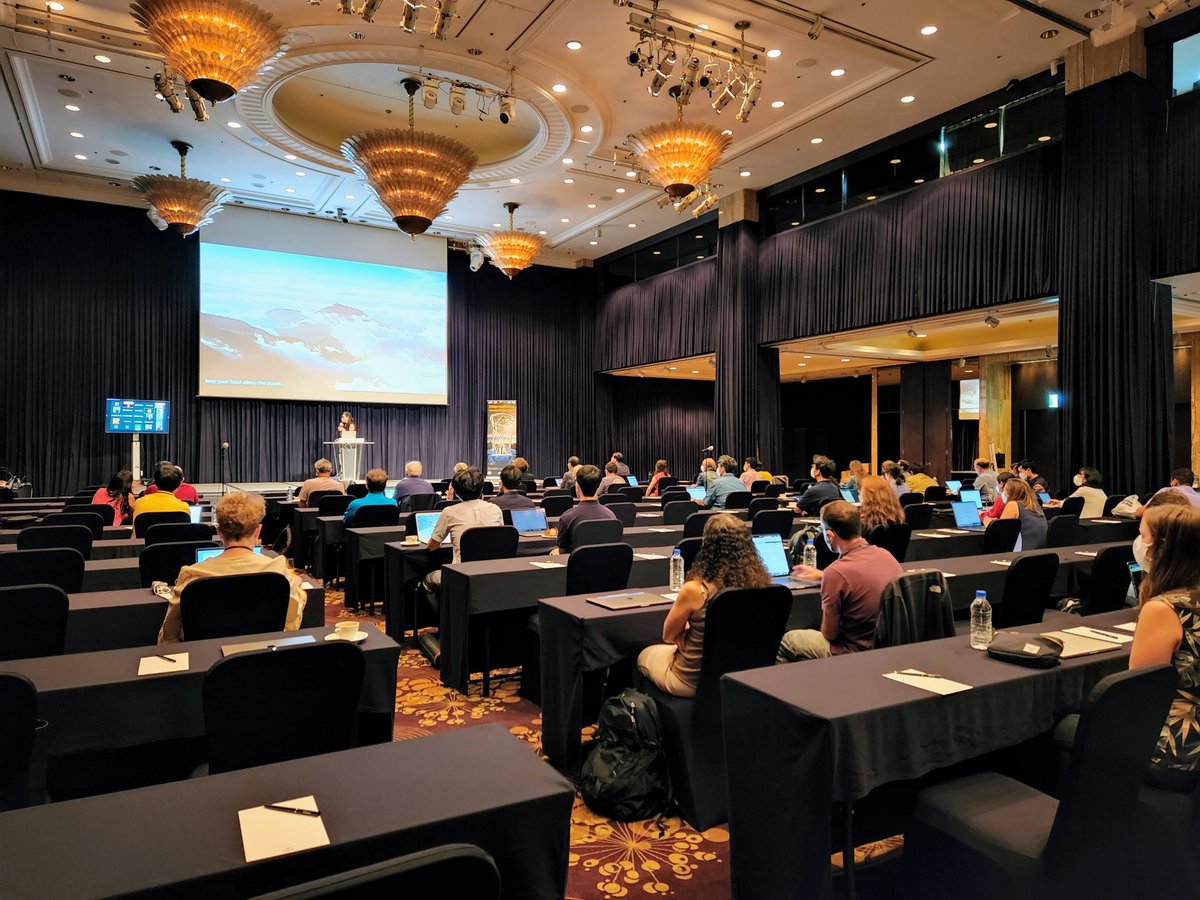
Interested in learning more about @GeminiObs' instrumentation and science but can't make it in person to #GSM22? Check out our live stream on our YouTube channel! #GeminiObs22 https://t.co/Th1JKJa9oe
Our neighboring galaxy has something to tell us! We got a Front-Row Seat to an Ongoing Star-Formation Standoff in the Large Magellanic Cloud.
📷: The star-forming region 30 Doradus.
📡Radio: 🔴🟠ALMA
🔭Infrared: VLT /VISTA @ESO
⬇️
https://t.co/dPEdUZid6S
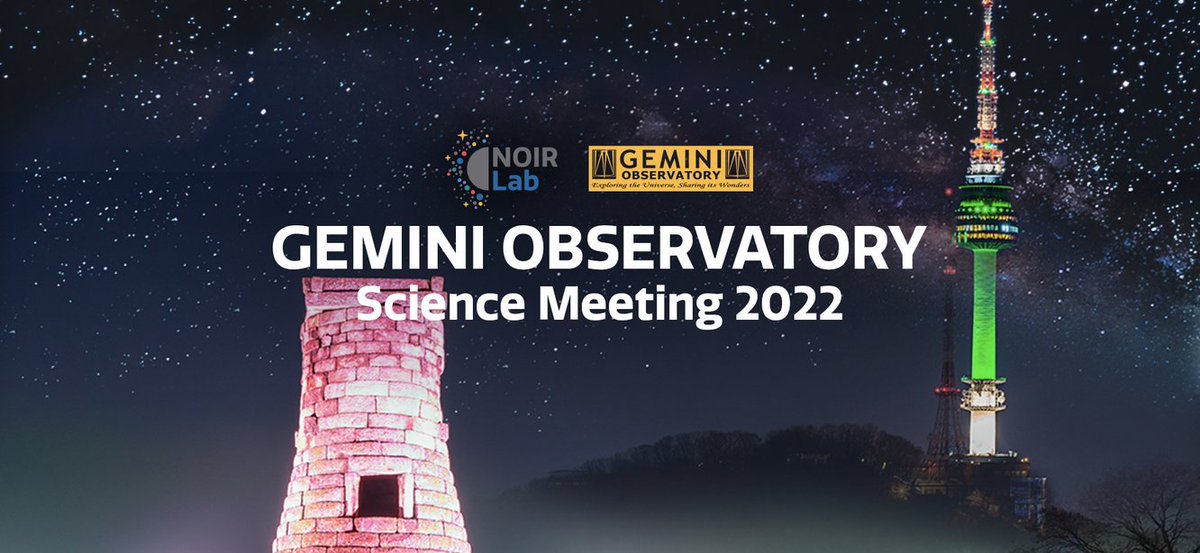
*so* excited to share prelim program for the 2022 Gemini Science Meeting👇👇postponed since 2020!! conference planning in our new normal is a real challenge, but hopeful that we've supported the diverse needs of prospective attendees and we'll be able to gather in Seoul in July✨
Sinuous #stellar jets meandering lazily across a field of #stars are captured in new images by astronomers using the Gemini South #telescope, one half of the #GeminiObs, a Program of NSF's @NOIRLabAstro. These stellar jets are the outflow from young stars.
https://t.co/9sqMZPgl2K