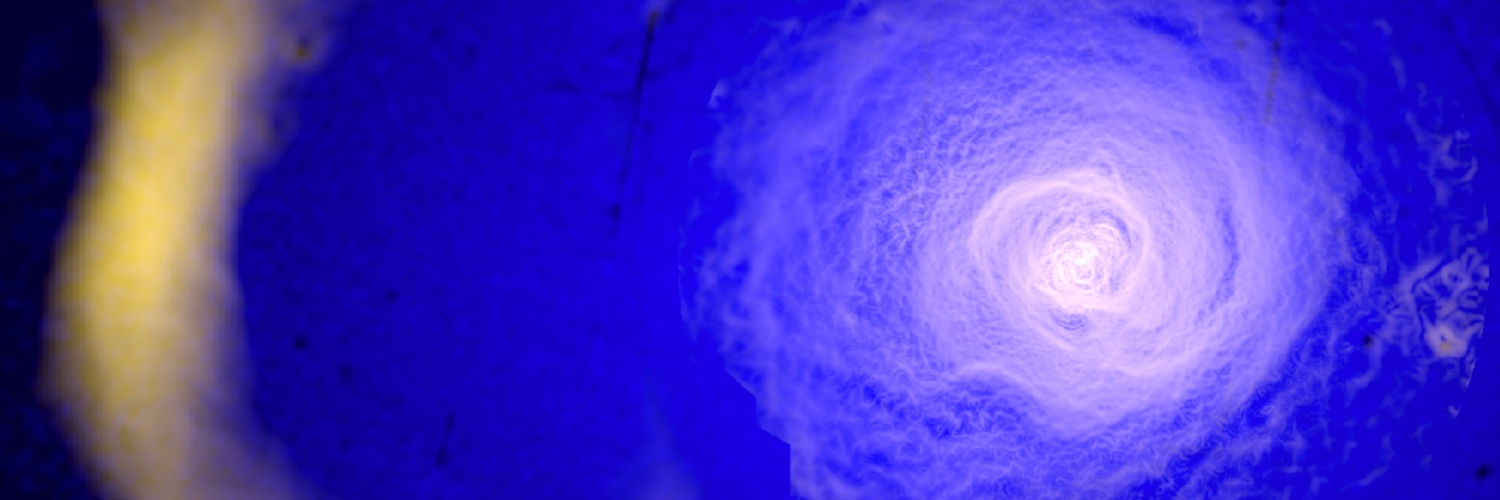
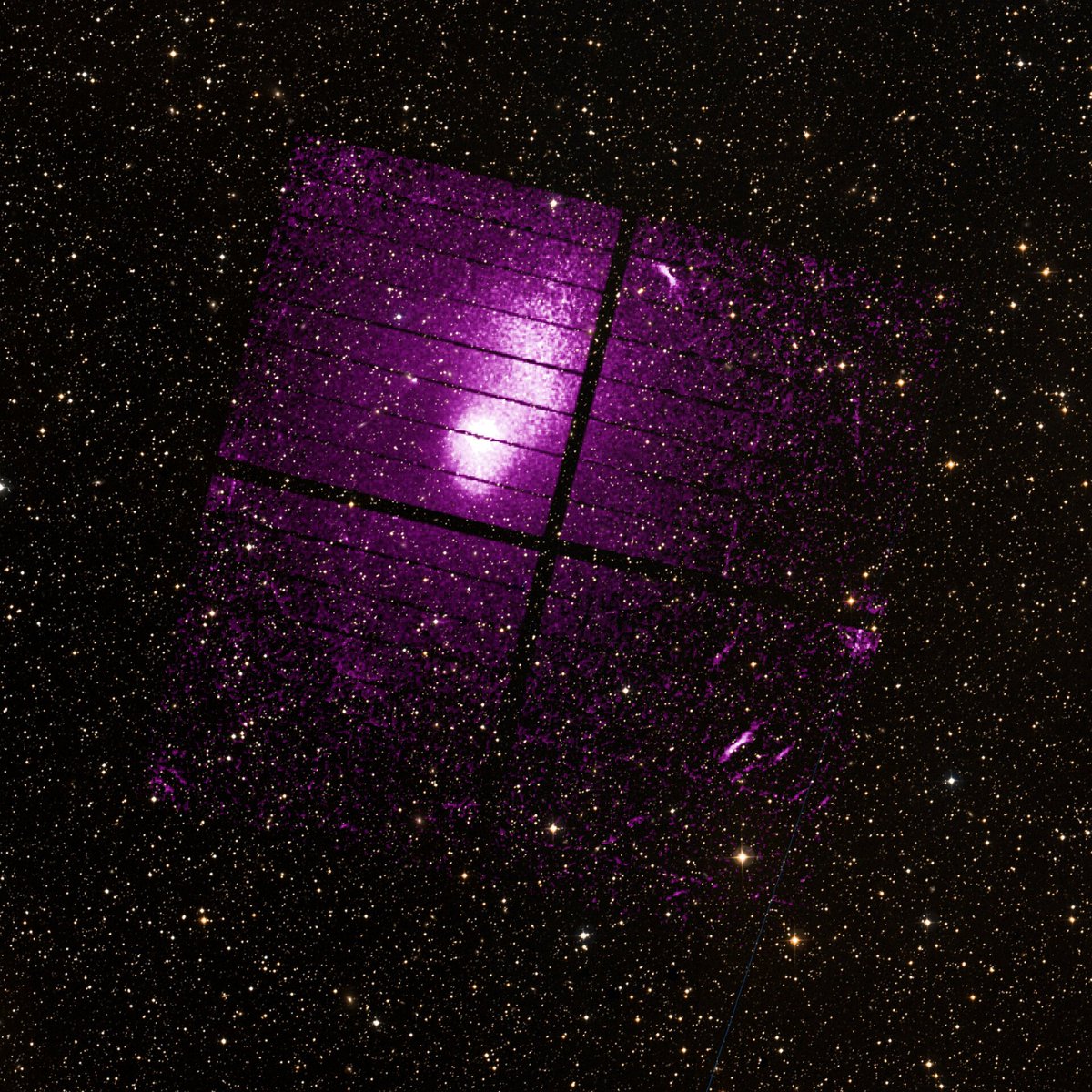
The central region of A3667 in hard X-rays, by @MSMirakhor+@astroswalker
A @NASANuSTAR observation of the cluster is presented. The spectrum is better described by a 2T thermal model. An updated limit of B > 0.2 muG is provided from the lack of IC emission
https://t.co/5eVuOnR1wB
#A distant #SpiralGalaxy with colossal radio jets challenges our understanding of galaxy evolution. This anomaly suggests the #MilkyWay might one day produce similar jets, impacting life on Earth. @RoyalAstroSoc https://t.co/N8D3DUR5VV https://t.co/a4PZnEsJNZ
On the largest scales, our universe looks like a giant web. 🕸 Clusters and superclusters of galaxies form along giant thread-like structures with voids in between. #MondayMotivation#NASAHalloween
We are thrilled that AXIS has been selected to advance to Phase A. Our team is eager to continue supporting AXIS and the remarkable scientific discoveries it will deliver. #AXISTheXrayUniverse
https://t.co/H6KdQLpZKe
Are we alone? X-ray observations of nearby stars are helping astronomers identify the best targets to search for exoplanets with conditions suitable for life. Explore more at: https://t.co/C2h255rSh2 #AAS244 🪐
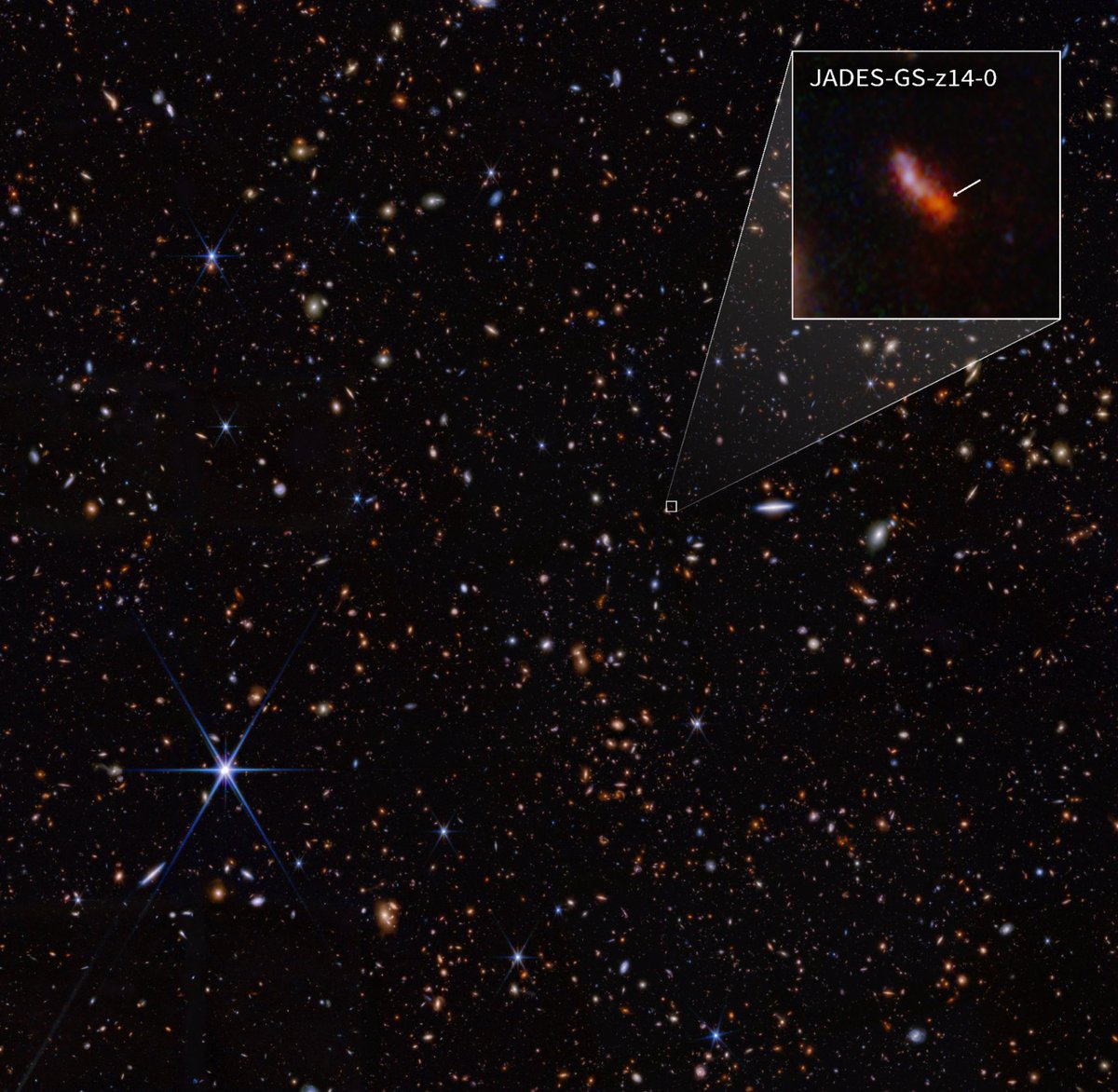
The world’s most powerful space telescope has done it again.
Webb has discovered what appears to be a new record-holder for the most distant known galaxy — shattering its own previous record. This galaxy existed only 290 million years after the big bang: https://t.co/6JN3L2CvRG
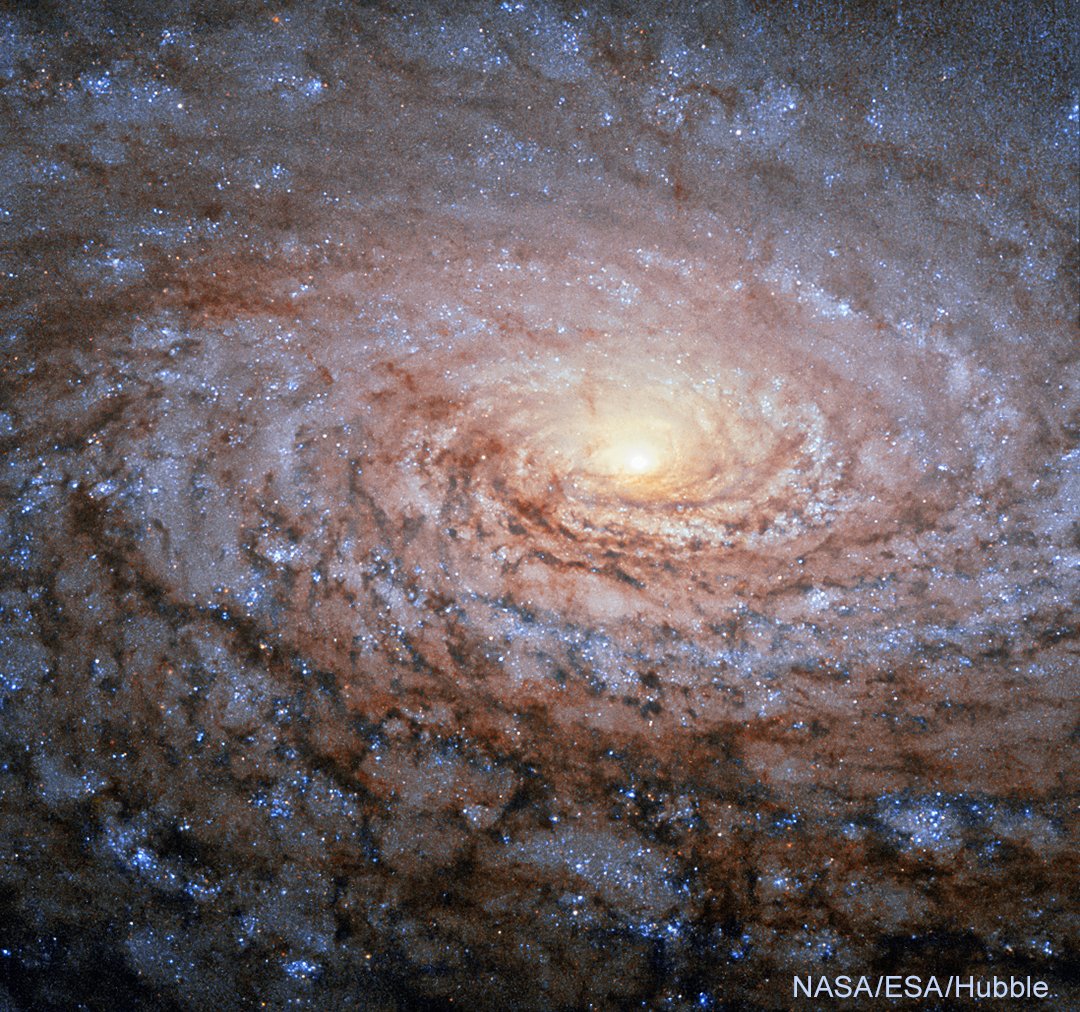
Today Chandra is studying a galaxy in the constellation Canes Venatici (Latin for "hunting dogs"). Nearby in the sky is M63, also known as the Sunflower Galaxy. Similar in size to our own Milky Way Galaxy, this celestial bloom contains over 400 billion stars! 🌻✨
Can we vent?
Scientists have discovered an "exhaust vent" releasing hot gas from a region around Sagittarius A*, the supermassive black hole at the center of our galaxy. It could help reveal how Sagittarius A* ingests & rejects material: https://t.co/UTMmngyO4c #BlackHoleWeek⚫
There’s no doubt that Chandra has revolutionised our understanding of the planets, dwarf planets, moons and comets in our Solar System. It’s not just for far-away astronomy! Chandra is also essential for planetary and Solar System science.
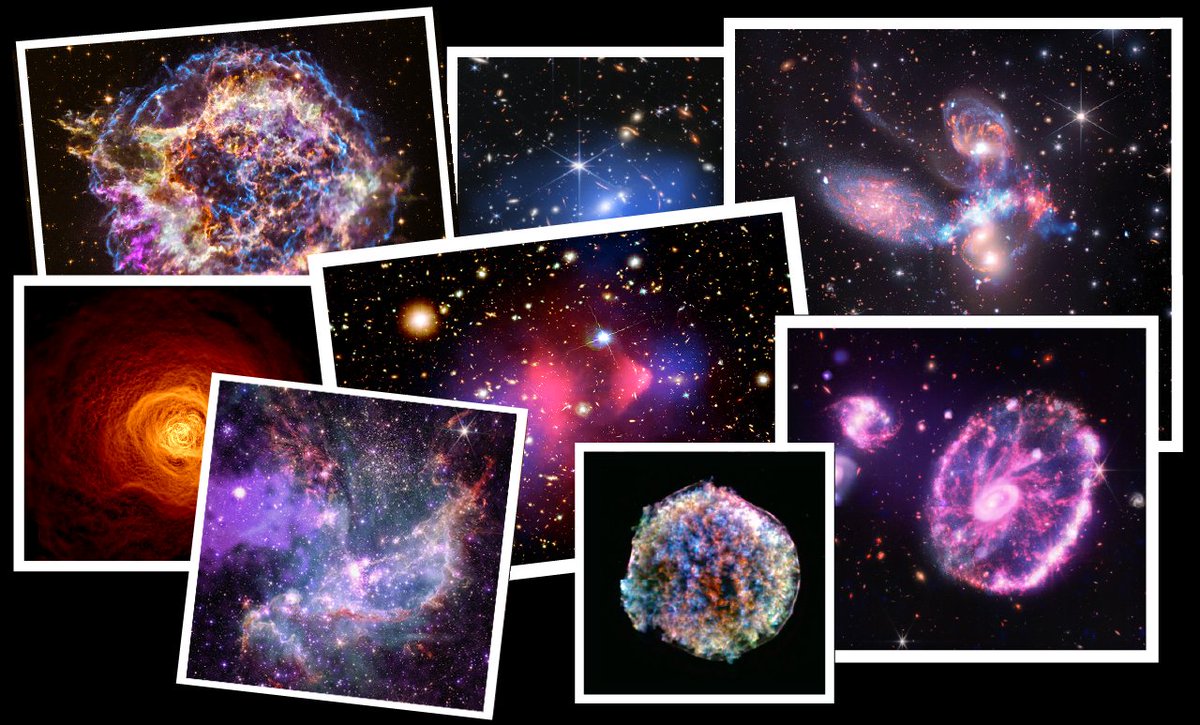
Celebrate the 25th anniversary of @NASA's Chandra X-ray Observatory with us this year!🎉 Chandra is at the forefront of so many discoveries — what wonders will come next? Learn more at: https://t.co/eYi7zsFXO5
We’ve selected a new @NASAUniverse mission! UVEX — UltraViolet Explorer — will conduct a deep survey of the whole sky in two bands of ultraviolet light, providing new insights into galaxy evolution and the lifecycles of stars. Congratulations to Principal Investigator, Fiona Harrison and her team! https://t.co/H9nNIb37rV
We hate to burst your bubble on #BubbleGumDay, but you'll never blow a bubble bigger than the one an O-type star is blowing in RCW 120. This big, beautiful, expanding bubble of hydrogen gas is more than 12 light-years across! (Yes, we'd like to watch it pop too.)
🆕 Spiral galaxies galore! Webb has snapped portraits of 19 spiral galaxies, showing stars, gas, and dust on the smallest scales ever seen beyond our own galaxy ⭐. Read more: https://t.co/3UG784pIc1 or 🧵👇
How do you measure something that the human eye can't see?
JAXA’s @XRISM_jp X-ray telescope has done just this in its 'first light' observations released today.
XRISM’s images reveal a cluster of galaxies and a supernova remnant plus more hidden behind the Universe's hot gas.