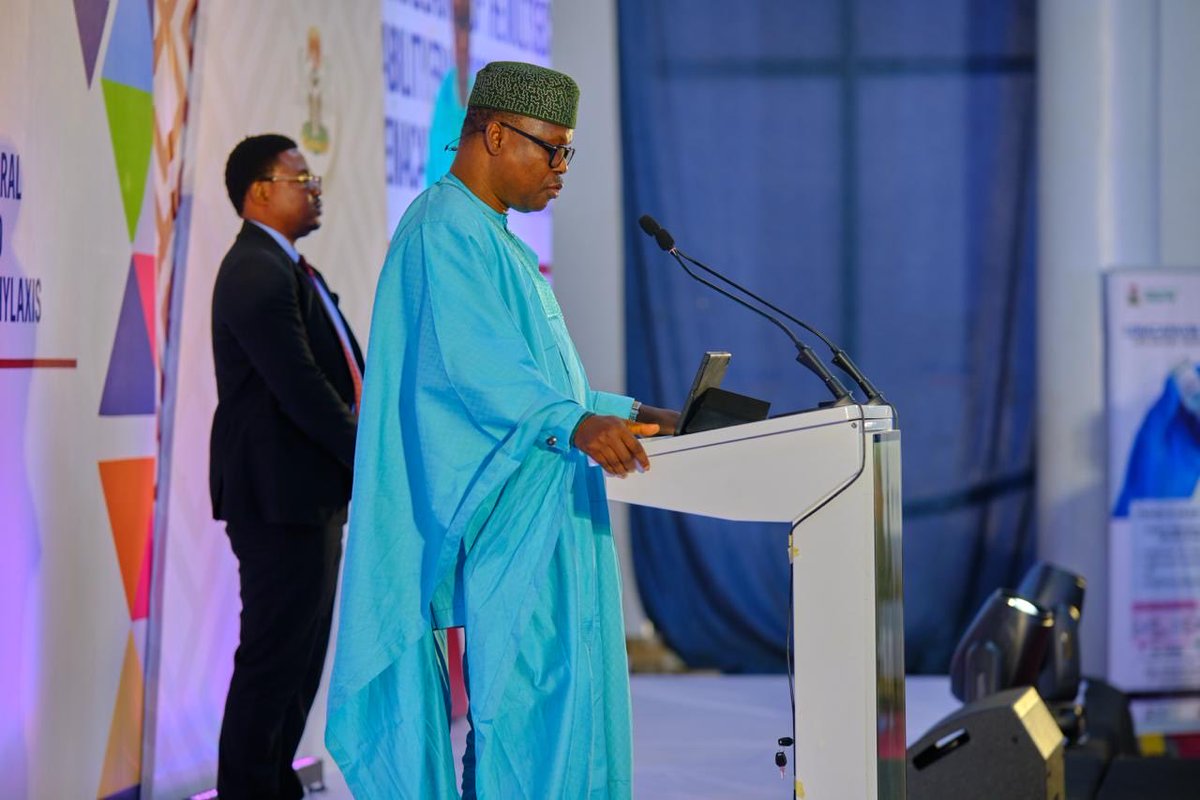
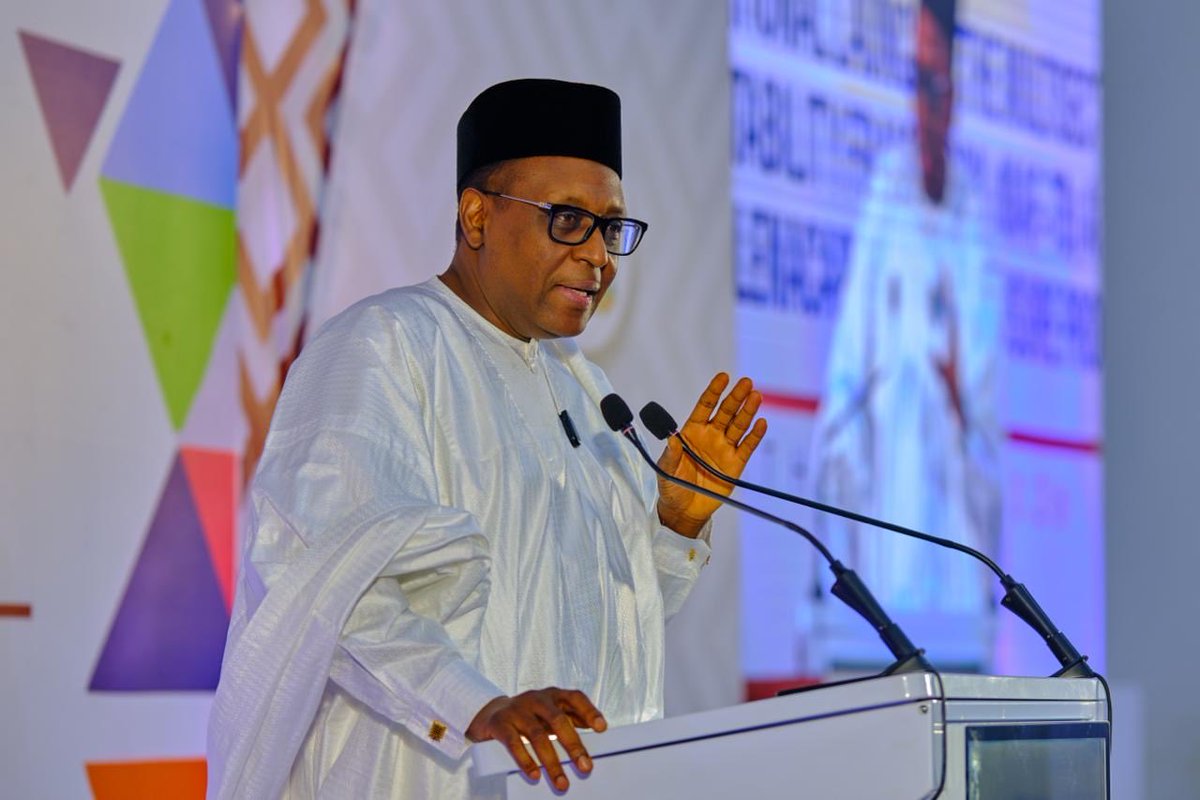
Stroke kills more people than most diseases you hear about daily. It's the world's #2 killer and most cases are preventable. Here's why the resolution on stroke at the World Health Assembly (#WHA79) is a turning point. 👇
𝐐: Are vaccines available to protect people against #Ebola?
𝐀: Vaccines are available for some Ebola species, particularly Zaire ebolavirus, which has caused several outbreaks in Africa. However, vaccines are not yet widely available for all strains, including Bundibugyo ebolavirus. This makes early detection, contact tracing, infection prevention and community engagement even more critical during outbreaks caused by these strains.
Read the latest Disease outbreak news on Ebola disease caused by Bundibugyo virus: https://t.co/wGNYwzcaqN
The Bundibugyo virus disease (BVD) is one of the six species of Ebola and can be very serious.
But with the right preventive measures, we can reduce the risk of infection and protect ourselves, our families, and our communities.
Learn the signs and symptoms, follow public health guidance, and help stop the spread. Communities coming together can save lives.
#AfricaResponds #EbolaResponse
Ebola has broken out in DR Congo and Uganda, reaching the capitals, and @WHO has declared this a global health emergency. I traveled along the Congo/Uganda border last year, and the public health structure--especially community health workers--was being dismantled because of President Trump's demolition of USAID. This Ebola outbreak will also be harder to address because it involves the Bundibugyo strain of Ebola, for which there is no vaccine or approved therapy and for which even testing is complicated. And Trump has also withdrawn the US from @who, limiting the world's ability to work together to fight the virus. Uganda has a decent health system, but Congo's is a disaster and is complicated by war in Eastern Congo. Large numbers of Congolese are in camps in southwestern Uganda, and the US aid cuts mean that UN agencies are able to offer them less support so that the refugees increasingly are on their own and traveling more in search of food. If the Ebola spreads more broadly, then the cost in lives and money could be considerable -- so it's important to act early to contain it. I hope Trump will reconsider his moves, work with WHO, and dispatch assistance to the Uganda/Congo border area. https://t.co/J7MAf3qix1
The #DRC has declared a new #Ebola outbreak in Ituri Province, with 13 cases so far confirmed to be caused by the Bundibugyo species. A total of 67 community deaths suspected to be due to Ebola Bundibugyo have been reported.
#Uganda has also reported one Ebola Bundibugyo confirmed death today that is linked to Ituri, DRC.
WHO experts are in Ituri, working side-by-side with DRC health authorities, reinforcing response measures to control the outbreak.
https://t.co/mlHFH3RIoe
Our @OMSRDCONGO team, led by @anne_anciiaWHO, WHO Representative in #DRC, has been on the ground in Ituri Province, working side by side with health authorities to strengthen #Ebola outbreak preparedness & response.
This close collaboration helped support investigations and detection of the Ebola Bundibugyo virus.
We’re increasing our support fast, working in solidarity and resolve to support #DRC to control and end this outbreak.
We’re intensifying support to #DRC as #Ebola outbreak response is scaled up.
A shipment of 18 tonnes of essential medical supplies and equipment has been prepared at our emergency hubs in #Dakar and #Nairobi for delivery to Bunia to assist frontline teams working to protect communities and save lives.
Appreciate @MONUSCO's agreement to provide vital airlift and road access support to facilitate the response.
Collaborating with health authorities and partners, we’re moving swiftly to help bring the outbreak under control.
A 35-strong team of @WHO and @MinSanteRDC experts arrived today in Bunia from Kinshasa to reinforce #Ebola emergency response operations in Ituri Province.
As efforts intensify, WHO also delivered nearly 7 tonnes of emergency medical supplies and equipment, including personal protective equipment, tents, beds and operational support items to reinforce and scale up frontline response.
WHO stands with DRC, health workers and partners working urgently to contain the outbreak and save lives.
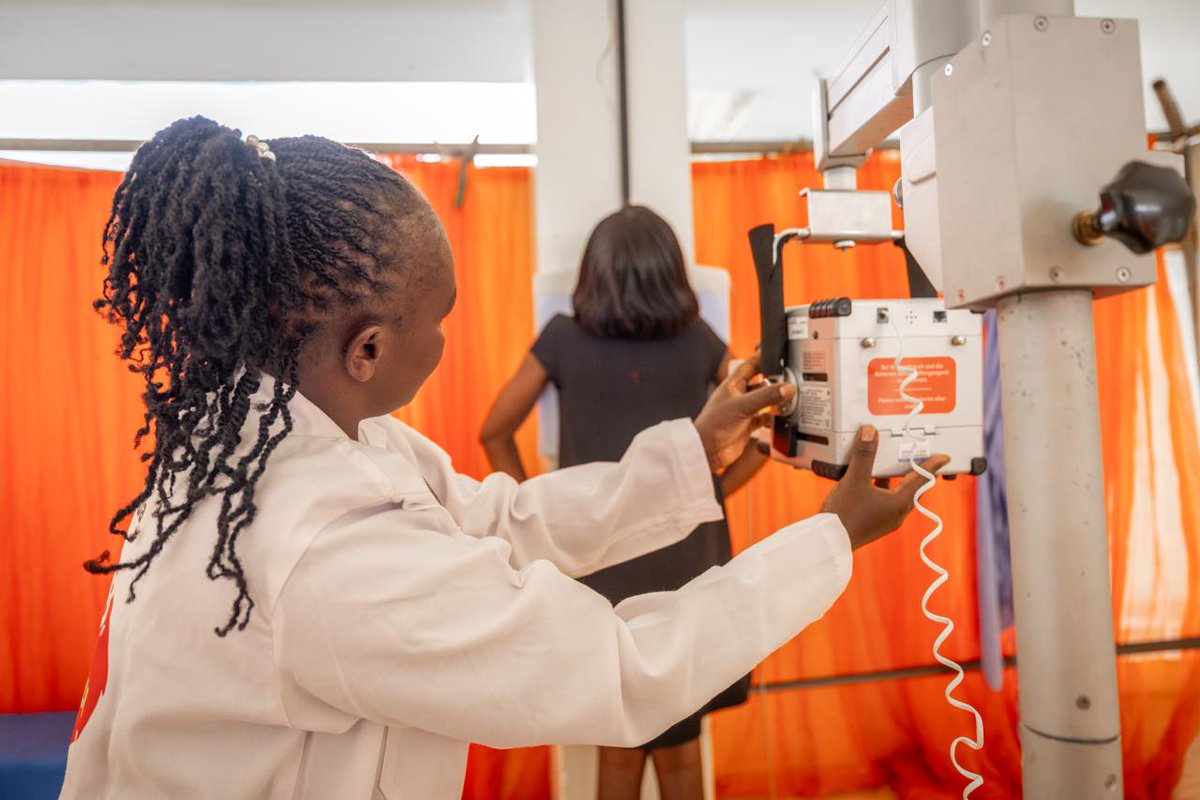
Africa has made significant progress in #TB response, with deaths falling by 46% and cases by 28% between 2015 and 2024.
But major gaps remain.
On #WorldTBDay, @WHOAFRO affirms commitment to ending TB as a public health threat.
I call on governments, partners, donors and communities to play a role.
We are all accountable.
Media Brief
NIGERIA MOVES TO END DONOR DEPENDENCE, ROLLS OUT NEW HIV PREVENTION TOOL
Abuja, Nigeria | March 24, 2026 – Nigeria has taken a decisive step toward health sector independence, announcing a major shift to domestic financing alongside the rollout of a breakthrough HIV prevention tool positioning the country at the forefront of global efforts to end tuberculosis (TB) and HIV.
Backed by the President Tinubu led Administration, the Federal Government confirmed approximately $346 million in additional domestic co-financing for 2026, reinforcing a clear policy direction: Nigeria will increasingly fund and drive its own health priorities.
Speaking at the 2026 World Tuberculosis Day Ministerial Press Briefing, the Coordinating Minister,@Fmohnigeria, @muhammadpate , said the shift reflects a deliberate move toward efficiency, accountability, and national ownership under the Sector-Wide Approach (SWAp). “The responsibility for delivering health outcomes must rest with us. By aligning resources across all levels of government and working with partners in a coordinated manner, we are building a system that is efficient, effective, and capable of ending TB and HIV.”
The event also marked the unveiling of the Multisectoral Accountability Framework for TB (MAF-TB) and the launch of Lenacapavir (LEN) a long-acting injectable for HIV prevention signalling a transition from fragmented, donor-driven interventions to a coordinated, nationally owned health system.
FROM FRAGMENTATION TO RESULTS
Driven by the Nigeria Health Sector Renewal Investment Initiative (NHSRII), government is aligning resources behind national priorities, ensuring TB and HIV services are integrated and free at the point of care.
This approach is delivering measurable results:
· TB case detection increased from 138,591 in 2020 to over 440,000 in 2025—the highest ever recorded.
· Treatment success rate stands at 94%.
· Diagnostic capacity has expanded significantly nationwide.
The Honourable Minister of State, @SalakoIziaq , noted that while progress is significant, gaps remain. “These gains show what is possible with coordinated action. However, thousands remain undiagnosed. We must expand access, strengthen systems, and sustain financing to reach every Nigerian in need.”
A BREAKTHROUGH IN PREVENTION
Nigeria’s introduction of LEN PrEP marks a major advancement in HIV prevention. Administered twice yearly, it offers a practical alternative to daily oral medication particularly for high-risk populations.
Nigeria is among nine countries globally selected for the initial rollout, with implementation underway across eight states, including the FCT, Akwa Ibom, Cross River, Benue, Kwara, Gombe, Anambra, and Ebonyi.
The first batch has arrived, with additional consignments expected later in the year. The intervention will be provided free of charge, reinforcing equitable access and epidemic control.
ACCOUNTABILITY AND SHARED RESPONSIBILITY
The launch of the MAF-TB framework introduces a transparent, multisectoral system to track commitments, strengthen performance, and ensure accountability across all levels of government and partners.
Development partners and civil society organizations commended Nigeria’s leadership and reform trajectory, while reaffirming their support for the country’s transition toward greater domestic ownership.
A NATIONAL COMMITMENT, DRIVEN BY PEOPLE
The Permanent Secretary, Daju Kachollom S. mni emphasised that the reforms reflect a unified national effort anchored in government leadership and powered by communities.
“This is not only about new tools or increased financing, but about building a system that works for our people consistently, sustainably, and at scale.”
With strengthened financing, innovative tools, and a coordinated national strategy, Nigeria is accelerating progress toward ending TB and HIV as public health threats.
The direction is clear: Nigeria will lead, Nigeria will invest, and Nigerians will benefit.
#Tuberculosis treatment just got better, safer, and easier.
People with drug‑resistant TB can now access a shorter, all‑oral regimen; no injections, fewer pills, and a treatment duration of just six months.
This is a major step toward ending TB and improving the quality of care for everyone affected.
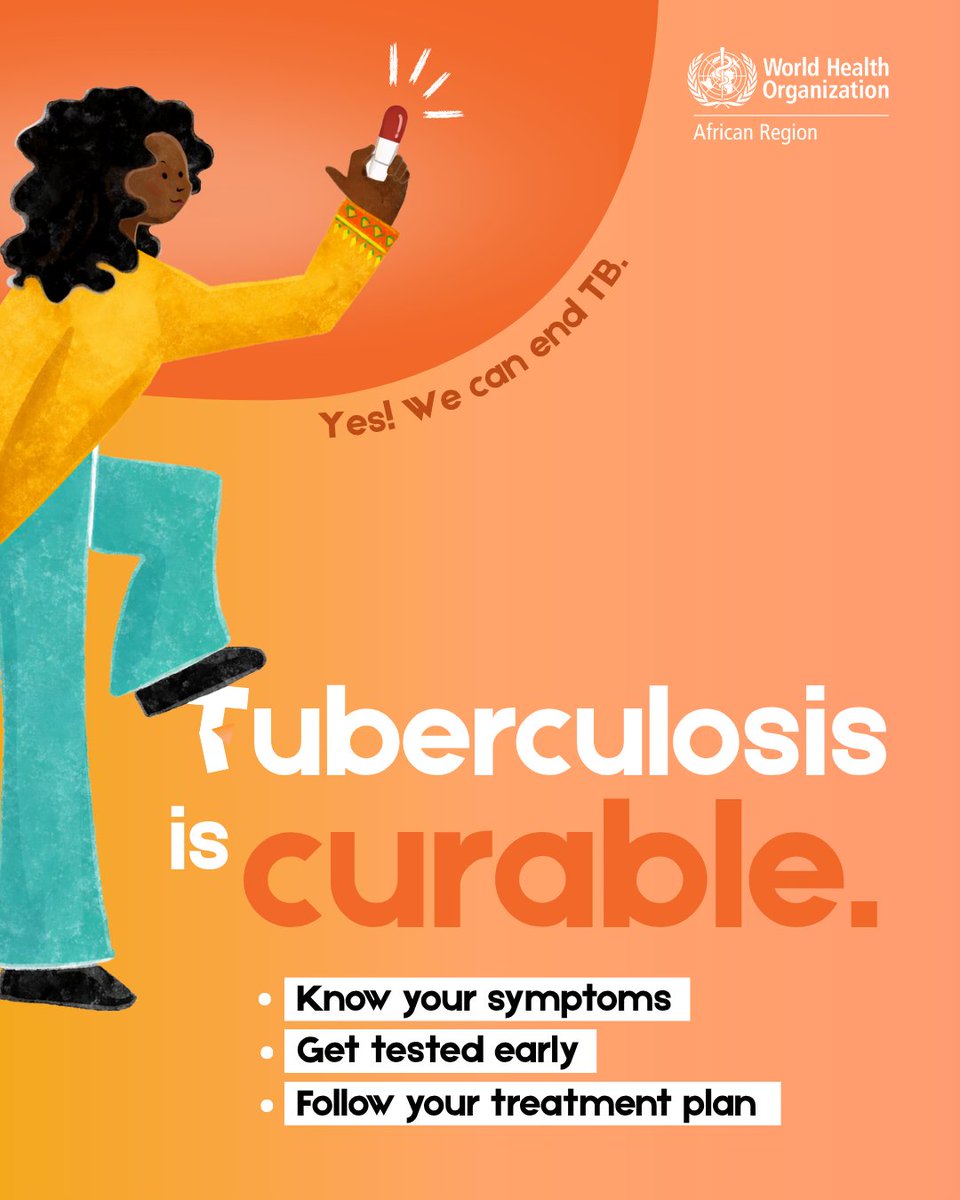
Yes! We can end TB.
#EndTB
#Tuberculosis
#HealthForAll #StopTB
Yes, we can end TB!
While #TB is preventable and curable, it remains a silent threat transmitted simply through the air we breathe.
Understanding the risks is the first step toward TB control.
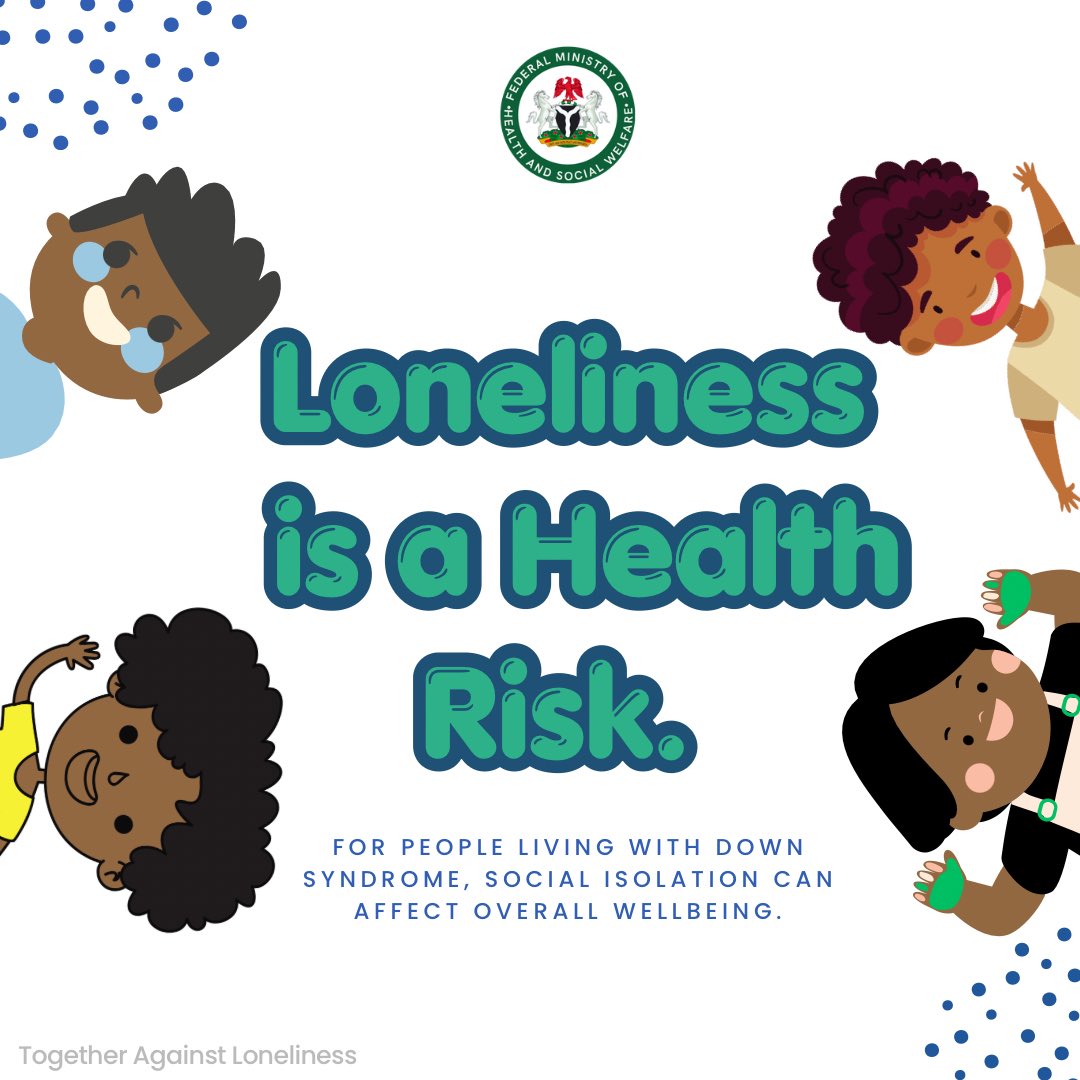
Loneliness is not just a social issue.
It is a health and wellbeing concern.
People living with Down syndrome are more likely to experience social isolation, which can affect mental health, access to care, and overall quality of life.
This is why the Federal Ministry of Health and Social Welfare continues to prioritise:
✔️ Inclusive healthcare services
✔️ Mental and social wellbeing support
✔️ Community-based care systems
✔️ Policies that promote dignity and inclusion
Because better health outcomes begin with connection, inclusion, and care.
Together Against Loneliness.
#WDSD #HealthForAll #LeaveNoOneBehind #MinistryOfHealthNG
Media Brief
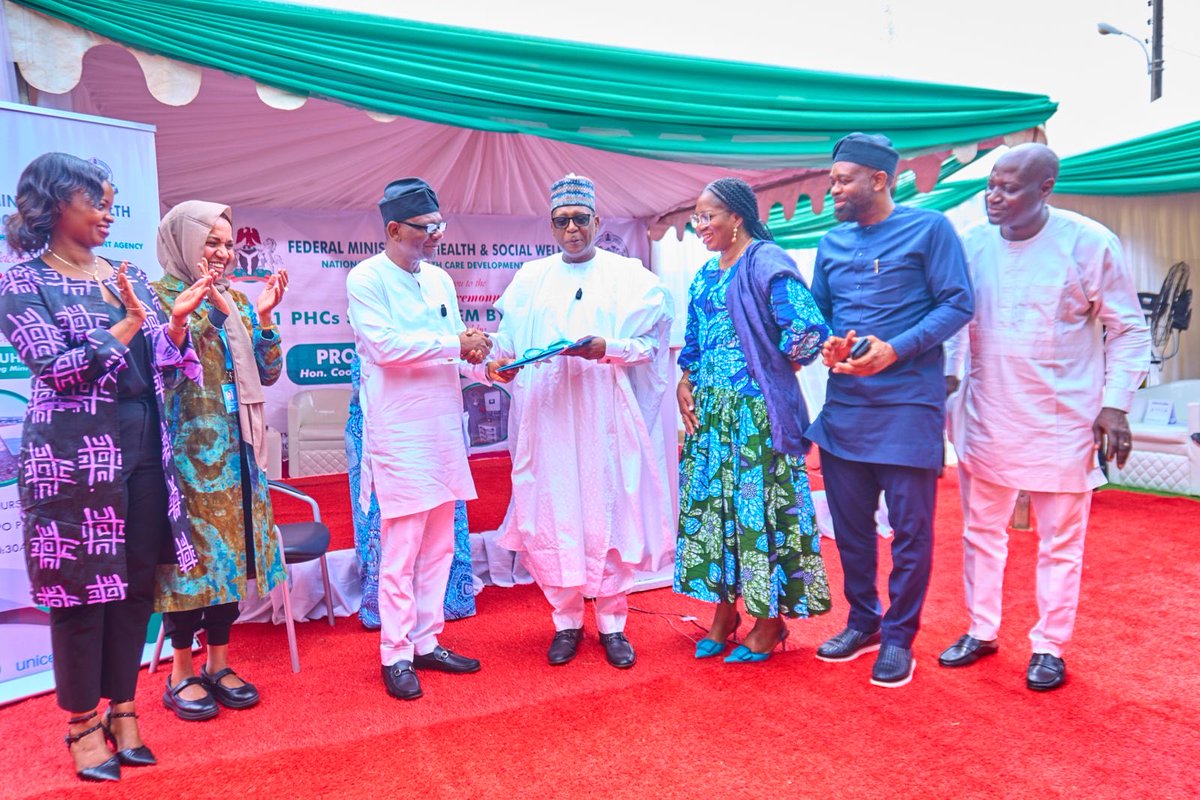
FG FLAGS OFF DISTRIBUTION OF 371 SOLAR-POWERED SYSTEMS TO BOOST PRIMARY HEALTHCARE DELIVERY
Abuja, Nigeria | 12 March 2026 — The Federal Government has flagged off the distribution of 371 solar-powered energy systems to Primary Healthcare Centres (PHCs) across 17 states as part of ongoing efforts to strengthen frontline health facilities, improve routine immunisation services, and enhance the delivery of essential healthcare to communities across the country.
The Coordinating Minister of Health and Social Welfare, Prof. Muhammad Ali Pate, performed the official flag-off at the Apo Primary Healthcare Centre in Abuja, noting that the intervention supports the Federal Government’s broader drive to revitalise primary healthcare and ensure that health facilities at the community level are better equipped to deliver lifesaving services.
Prof. Pate explained that reliable energy is essential to the effective functioning of primary healthcare centres, particularly for sustaining vaccine cold chains, preserving essential medicines, enabling digital health reporting, and supporting health workers in delivering quality care.
“With reliable power supply in our primary healthcare centres, vaccines remain potent, medicines are properly stored, and health workers are better supported to deliver services to mothers, children and families who rely on these facilities every day,” the Minister said.
The solar-powered systems were provided through a partnership between the Federal Government and global health partners, with support from Gavi, the Vaccine Alliance, and UNICEF, and implemented through the National Primary Health Care Development Agency (NPHCDA).
The Coordinating Minister commended the partners for working closely with Nigeria’s health institutions to deliver the intervention, describing it as a strong example of how global partnerships can support national priorities and deliver results at the community level.
“This intervention demonstrates how partnerships, when aligned with national leadership and implemented through our institutions, can deliver real improvements in healthcare services where it matters most at the frontline,” he stated.
Prof. Pate also placed the initiative within the context of the Nigeria Health Sector Renewal Investment Initiative, launched under the leadership of President Bola Ahmed Tinubu, which prioritises strengthening health systems and expanding access to quality care for Nigerians.
According to the Minister, the administration’s sustained focus on revitalising primary healthcare is already yielding visible progress nationwide.
“More than 4,000 primary healthcare centres have already been revitalised across the country, bringing improved services closer to communities and strengthening the foundation of Nigeria’s health system,” he said.
He emphasised that primary healthcare centres remain the backbone of the health system, providing critical services including immunisation, maternal care, disease prevention and referrals.
Prof. Pate urged health workers and facility managers to ensure proper maintenance of the solar systems, while encouraging state and local governments to continue strengthening primary healthcare services within their jurisdictions.
The Federal Ministry of Health and Social Welfare remains committed to working with partners and subnational governments to ensure that ongoing health sector reforms translate into improved health outcomes for Nigerians.
Nigeria’s efforts to interrupt circulating variant type 2 poliovirus (cVPV2) by 2026 gained renewed momentum as the @WHO#Polio Eradication Programme (PEP) held its annual strategic retreat.
Read more: https://t.co/oKPem86vzZ
💡 Did you know? Nearly 1 in 5 Nigerian households risk poverty due to health costs.
But progress is underway. Nigeria is taking bold steps toward Universal Health Coverage.
On #UHCDay2025, WHO & partners are supporting reforms, so no family has to choose between care and survival.
👉 Learn more: https://t.co/bPYv3RlzfP
#HealthForAll
#NigeriaHealth