The world’s oldest moss has survived Earth’s shifting landscapes for more than 400 million years, but climate change is happening faster than it can adapt https://t.co/pgqjQ3mORf
How big does the Saguaro cactus get? 🌵This tree-like giant typically reaches heights of 40 ft (12.2 m), but the record-holder was a specimen that grew more than 78 ft (23.8 m) tall! Expanding to store water in its fleshy stem, this cactus can weigh more than one ton when mature.
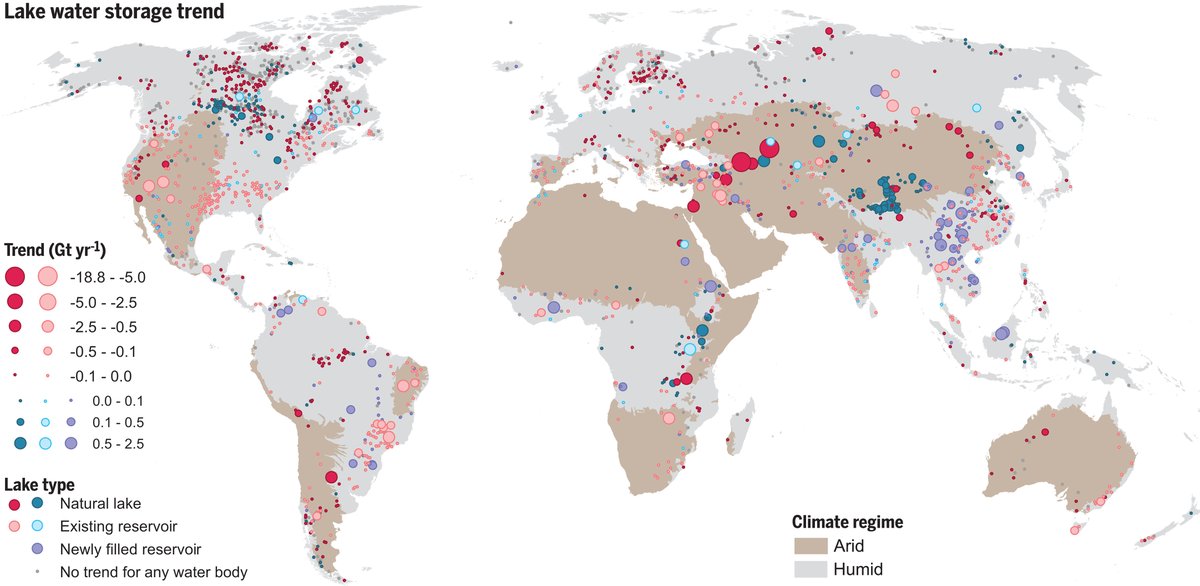
The amount of water stored in more than half of the largest lakes and reservoirs worldwide is declining, a recent Science study finds.
The results underscore the importance of better water management to protect essential ecosystem services. https://t.co/QcRMo6yhqg
On World Population Day, explore two classic mathematical models that describe population growth, including how this growth is affected by changes in food and space availability, competition, and other density-dependent factors. https://t.co/bVhbieC4yl
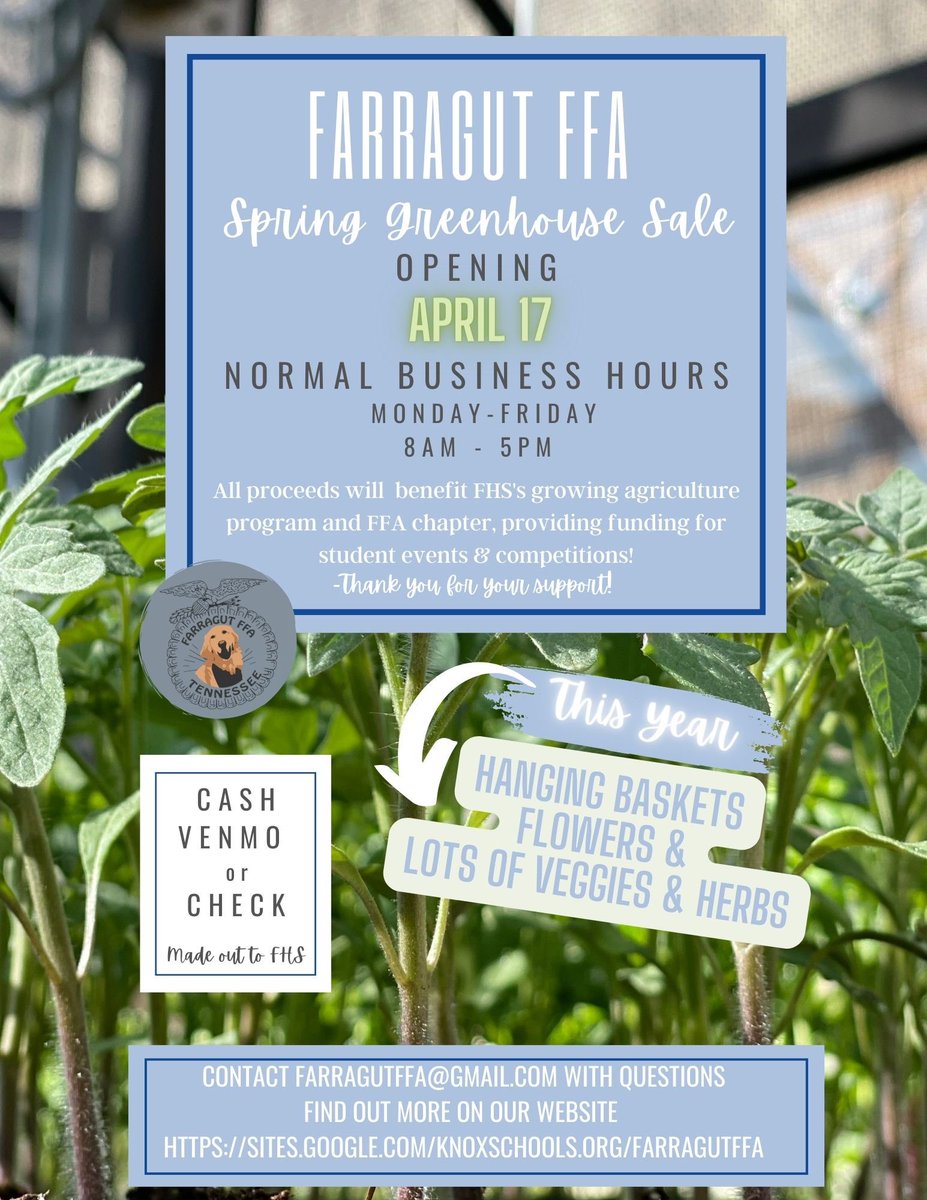
Our greenhouse sale is open to the public! We have hanging baskets, flowers, herbs and lots of veggies. Our agriculture students have worked so hard and the plants look great! All proceeds benefit our FHS agriculture program and FFA.
New Sim! New Sim!
We just published the #html5 version of Greenhouse Effect! Redesigned with new representations and measurement tools to deepen students learning!
Check it out!
https://t.co/CxSB2jU99Y
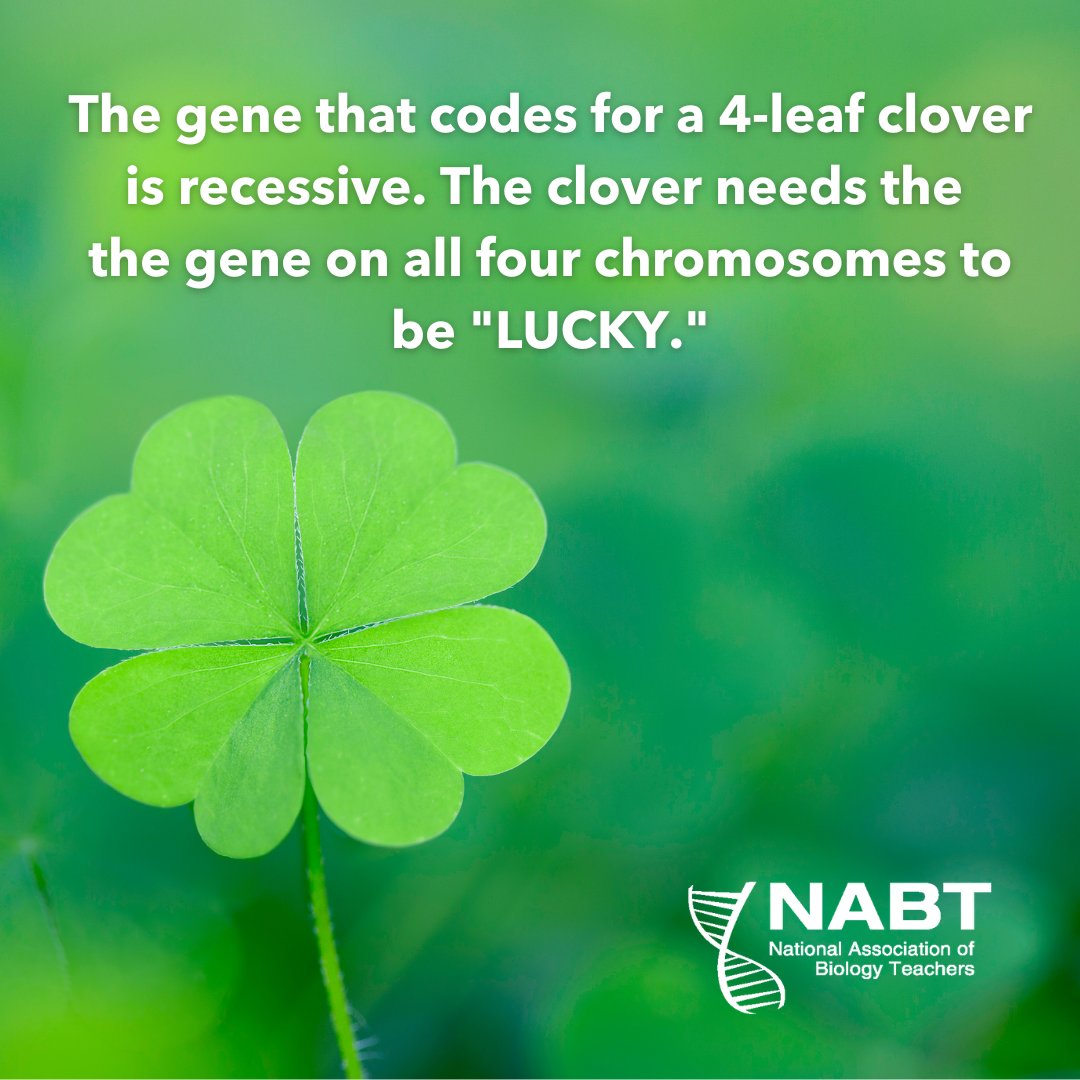
A survey from 2017 suggests that 1 in 5,000 clovers has four-leaves. But they are usually found in clusters, so if you find one odds are good you'll find more.
#NABT#luck
A new #SciencePolicyForum takes a look at how ocean-based climate interventions—strategies that seek to leverage or manipulate the ocean to mitigate ongoing #ClimateChange—may have unforeseen impacts on deep-ocean ecosystems. https://t.co/XYpnwvVKj0
From dogs that doze off and on all day to dolphins that sleep using only half their brains, here’s a look at the many different ways that animals sleep. #WorldSleepDay https://t.co/c3a1MqM8RB
Scientists have generated the first complete map of the brain of a small insect. The map shows all 3,016 neurons and 548,000 synapses tightly packed in a young fruit fly's brain, which is smaller than a poppy seed https://t.co/4806X4B7Cb
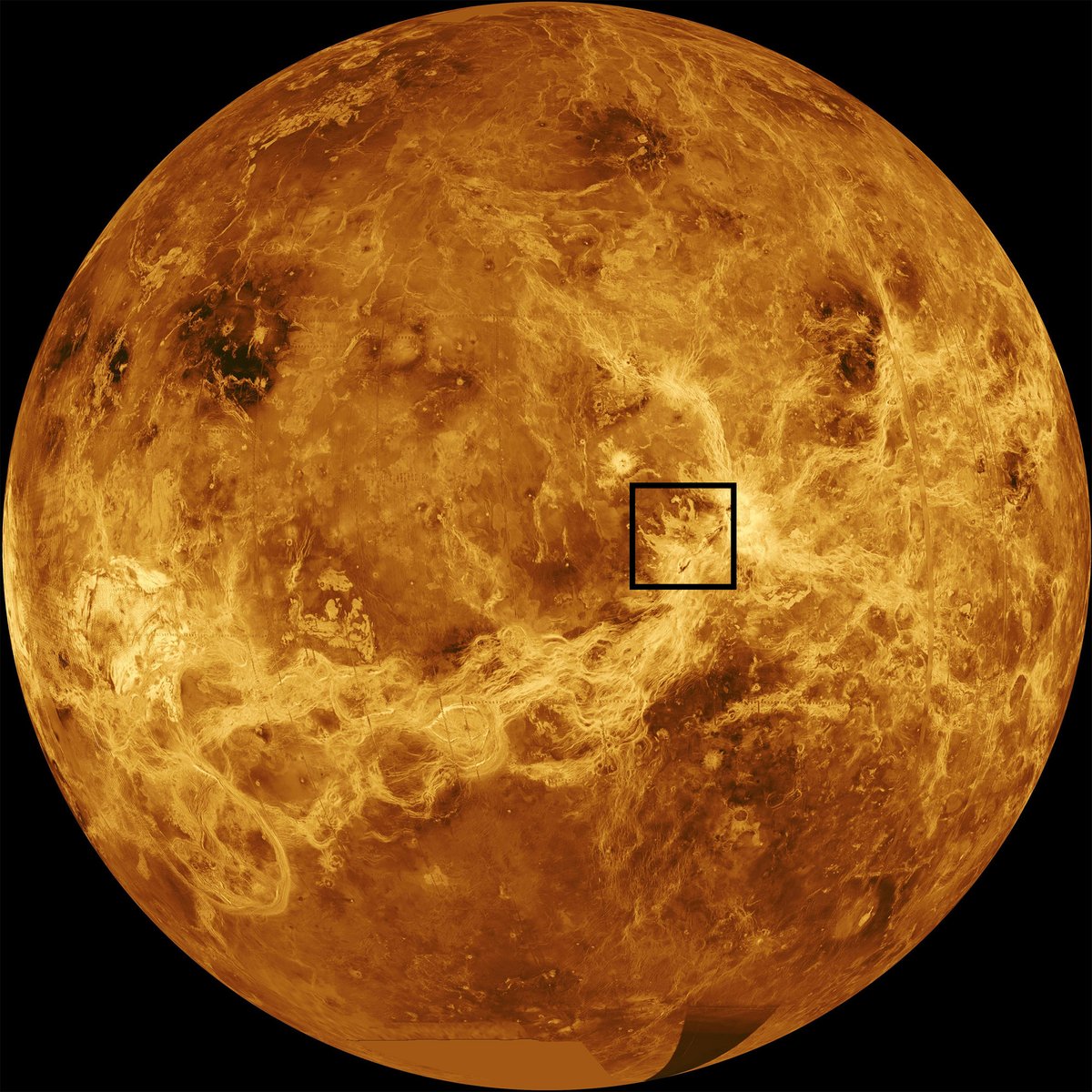
For the first time, scientists have observed direct geological evidence of an active volcano on Venus. 🌋
The @UAFGI and JPL team made the discovery after scouring archival radar images taken by @NASA’s Magellan mission more than 30 years ago. https://t.co/CTYYBFzAJl
Most land plants team with mycorrhizal fungi to survive. This ancient partnership has helped both plants and fungi thrive over much of Earth.
Learn more in this @NewsfromScience feature: https://t.co/xSeLBoYJkS #ScienceMagArchives
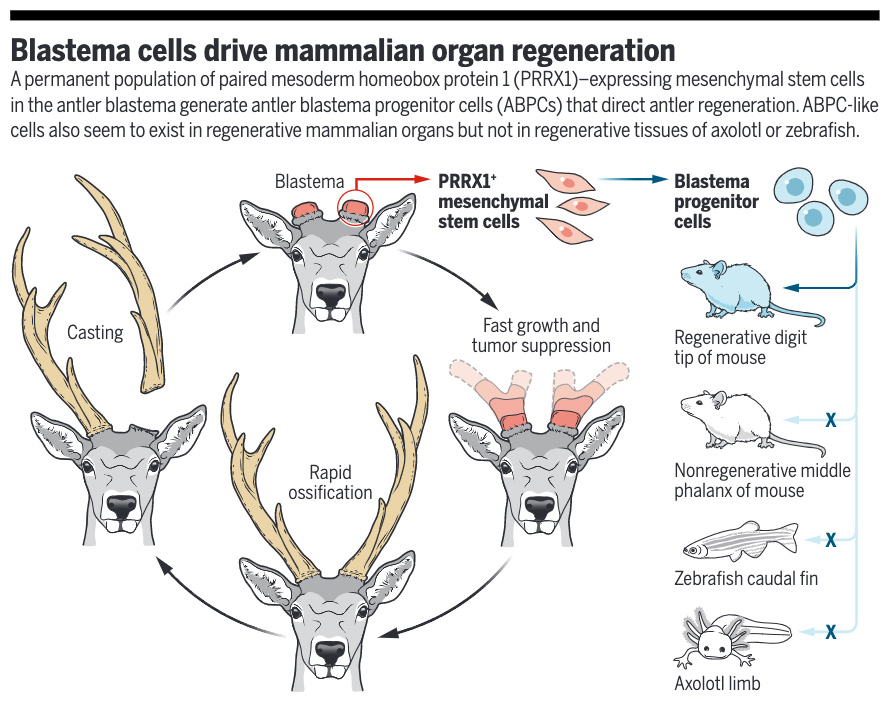
Deer antlers can grow up to 2.75 cm per day. How do they achieve such rapid and complete regeneration?
A new Science study identifies a population of stem cells are responsible for this speedy cycle.
📄: https://t.co/hbk9HHK67s
#SciencePerspective: https://t.co/L11OFewsRB