Ordinary tiredness answers to a good night's sleep. This kind does not. You sleep eight hours, sometimes ten, and wake feeling like you never closed your eyes. Coffee does nothing. Treating it like a sleep problem keeps missing what is actually wrong.
10) Link to the preprint:
St-Jean. 2026 Cluster analysis of ME/CFS symptoms in DecodeME reveals two subgroups and a link to onset type.
https://t.co/Eldr8Byrn9
Lively discussion on S4ME:
https://t.co/FhH0hJzUAS
You were not lazy. You were not anxious. You were not making it worse by thinking about it.
You were sick. The signs were there. The workup that would have found them was never ordered.
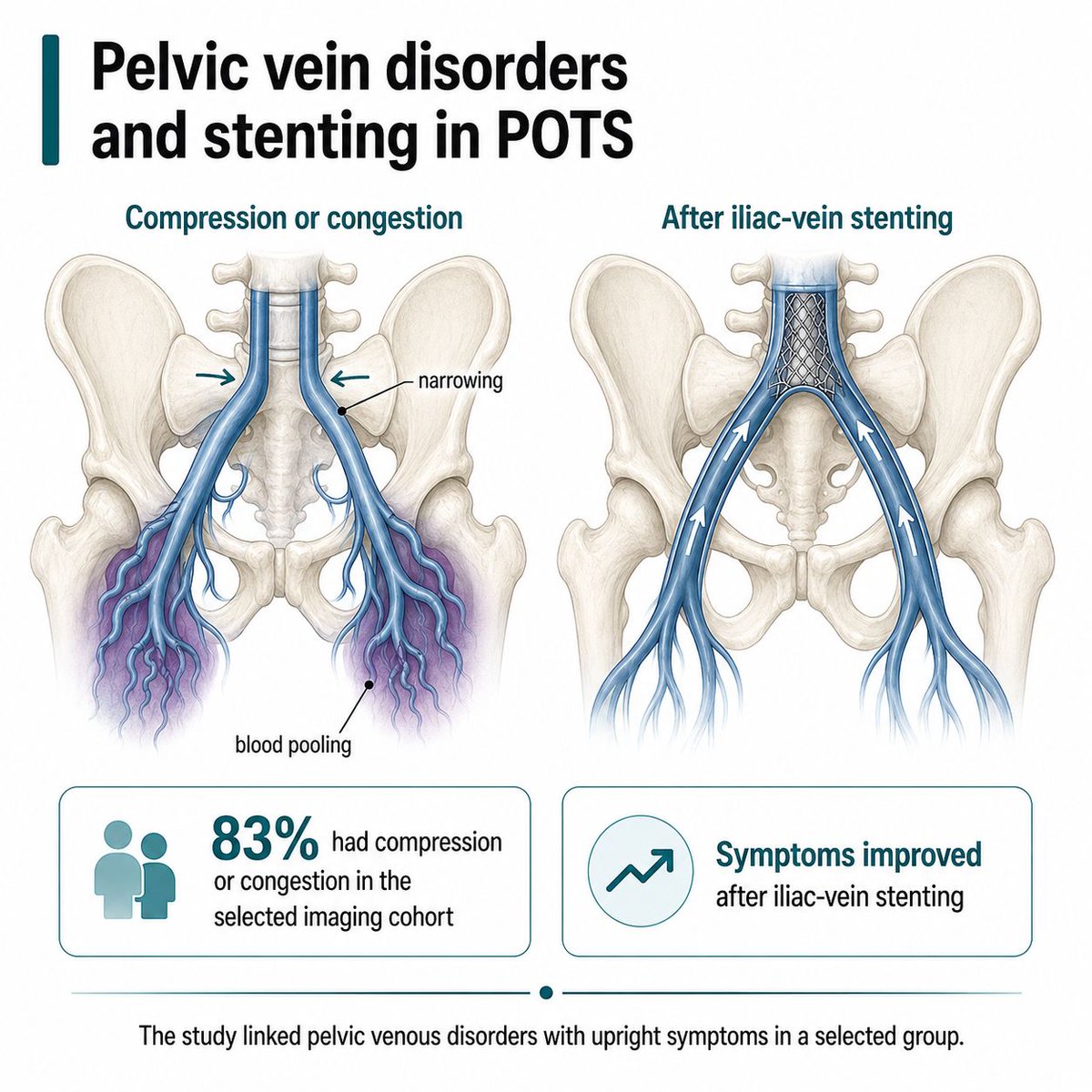
In a selected group with POTS or other upright symptoms plus signs of pelvic vein disease, 83% had pelvic vein compression or congestion. In a larger, partly overlapping group of 271 women, symptoms and quality of life improved after stenting.
heavily contributing to the female predominance in autoimmune diseases like Lupus, MS, and Rheumatoid Arthritis. Maybe M.E. and fibromyalgia too?
https://t.co/lOiExh2cMQ
Are you taking the best form of magnesium available?
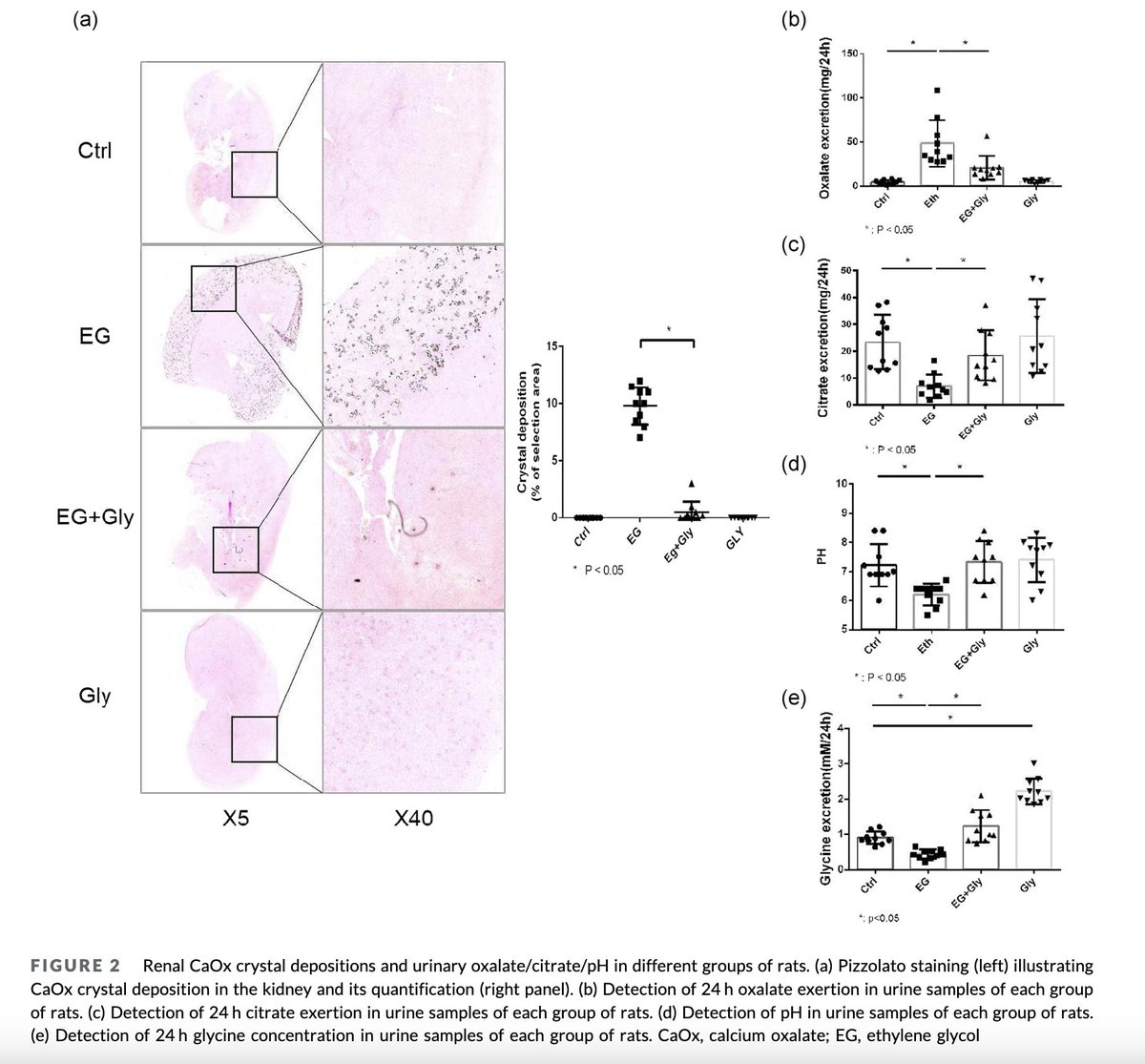
Magnesium glycinate is a combination of magnesium and the amino acid glycine. This combination helps increase its absorption.
It is also very gentle on your stomach and is less likely to cause diarrhea than other forms of magnesium.
Top benefits of magnesium glycinate include:
-It promotes overall relaxation and muscle relaxation
-It supports sleep
-It improves energy during the day
-It supports healthy blood pressure
-It reduces the risk of kidney stones
-It increases insulin sensitivity and promotes healthy blood sugar
-It may help with migraines
-It may help with depression and anxiety
-It may help reduce stress
Dr. Eric Berg, DC, not MD; information only
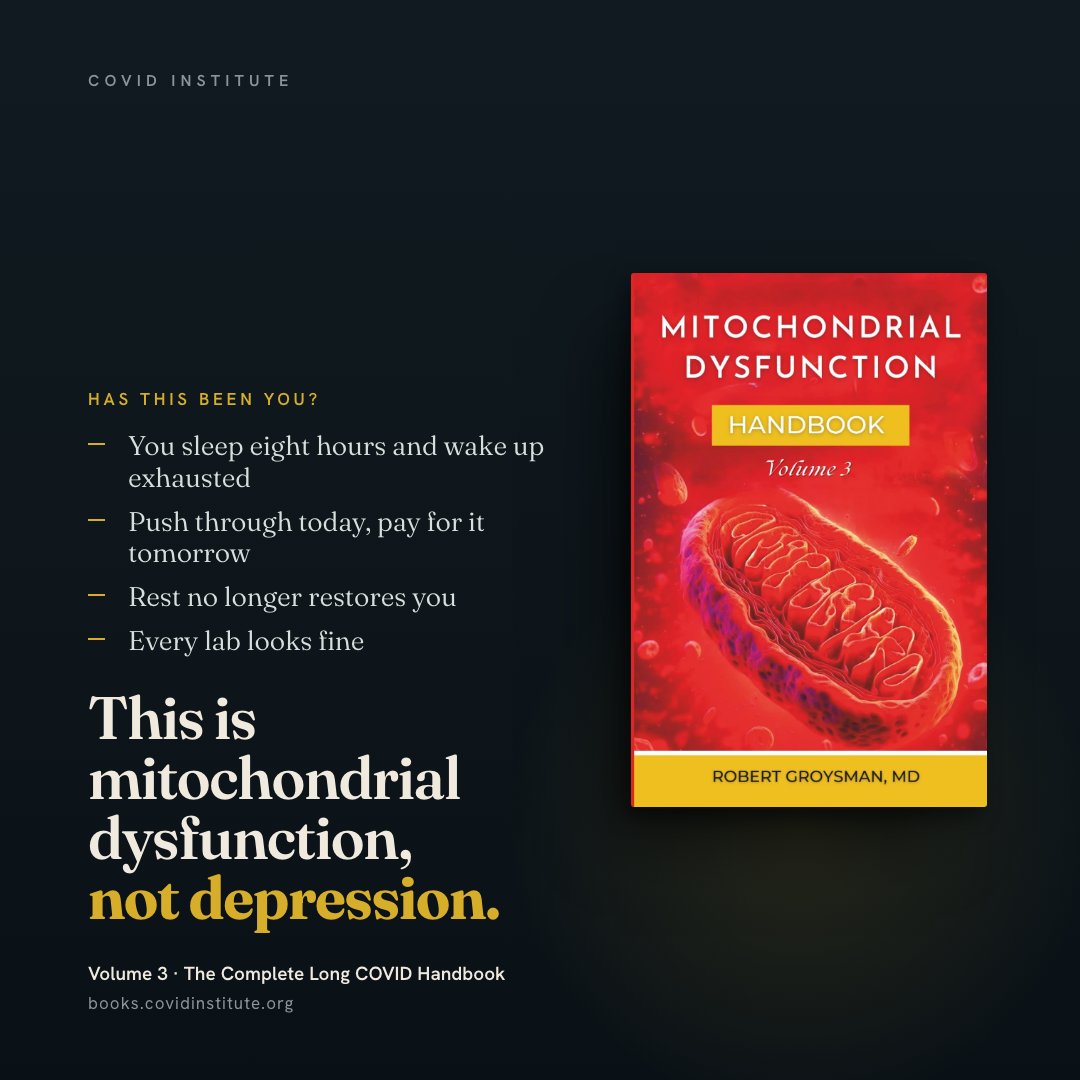
You sleep eight hours and wake up exhausted. Push through today, pay for it tomorrow.
That is mitochondrial dysfunction, your cells struggling to make energy. Volume 3 explains why rest stopped working: https://t.co/xTTtjBKoAf
⚠️‼️The easy take is:
“He got autoimmunity because he is vegan.”
“He avoided the sun.”
“He took too many supplements.”
“He biohacked himself into disease.”
But that is lazy science.
This is not about defending Bryan Johnson’s lifestyle or anyone else’s.
The point is simpler:
autoimmunity can happen to anyone.
You can eat well.
You can exercise.
You can sleep.
You can get sunlight.
You can follow a Mediterranean diet.
You can be an elite athlete.
And still develop autoimmune disease.
Because autoimmunity is not just a lifestyle mistake.
The real question is not:
“What did this person do wrong?”
The real question is:
why did immune tolerance break?
In many cases, the key factors are:
genetic susceptibility,
HLA background,
persistent antigenic stimulation,
chronic infection or viral persistence,
molecular mimicry,
bystander activation,
barrier dysfunction,
and loss of immune regulation.
Lifestyle can modulate risk.
But it does not make you immune to autoimmunity.
The most scientific interpretation is not:
“he developed autoimmunity because he did X.”
It is:
a susceptible immune system met the wrong persistent trigger, and tolerance failed.
That can happen in vegans.
That can happen in carnivores.
That can happen in sedentary people.
That can happen in athletes.
That can happen in people who take excellent care of themselves.
Autoimmunity is not proof that someone “did health wrong”.
It is proof that the immune system is complex.
And reducing it to veganism, sun exposure or supplements is exactly the kind of simplistic thinking that makes chronic disease harder to understand.
On the day this country marks its independence, I want to talk about getting yours back.
Recovery from Long COVID is possible. Not for everyone, not overnight, and rarely in a straight line. I do not say that only as a doctor. I say it as someone who has had it.
This is a friendly reminder that a staggering 67% of individuals with Long COVID develop a form of dysautonomia(1).
This translates to 38 million Americans who have likely developed dysfunction of the autonomic nervous system (dysautonomia) following a SARS-CoV-2 infection. However, the actual number of patients formally diagnosed with dysautonomia is likely much lower, as many physicians fail to recognize the clinical presentations.
The symptoms associated with dysautonomia in those with long COVID include:
- Orthostatic hypotension (drop in blood pressure when standing)
- Sensory disturbances or paresthesias (tingling or numbness)
- Heartbeat irregularities (e.g., tachycardia or palpitations)
- Gastrointestinal issues (e.g., bowel dysfunction)
- Brain fog or cognitive disturbances
- Dizziness or light-headedness
- Shortness of breath (dyspnea)
- Bladder dysfunction
- Sleep disturbances
- Chest pain
- Fatigue
Also, if you are reading a scientific publication about Long COVID and the researchers do not describe POTS or dysautonomia, it's because they were not screening for it.
Help us raise awareness that millions with Long COVID may be experiencing disruptions in the function of their autonomic nervous systems.
Literature Cited:
1. Larsen, N., Stiles, L., et al. Front. Neurol. 2022; 13: 1012668.
https://t.co/PLvE82xkgW
@seanstidston On the fence. It’s believable it could be helpful to some but I don’t think everyone should go out and get on nicotine. The science seems split. Dr. Ben lynch has some interesting videos on why nicotine may be problematic.
Happy for anyone seeing great result from it anyways.
Studies show that chronic fatigue syndrome is associated with reduced levels of beneficial gut bacteria.
This shift in the gut microbiome leads to lower levels of short-chain fatty acids (potentially) influencing more than fatigue, such as:
- Autonomic function
- Neuroinflammation
- Stress responses
- Inflammation
- + more
Learn more about the gut-brain axis in chronic fatigue syndrome here:
https://t.co/lKdeJ4OzlM
The Neuroimmune Autonomic Model of Long COVID
Long COVID has been viewed through many lenses: viral persistence, immune dysregulation, autoimmunity, and latent pathogen reactivation. These may converge on a common downstream pathway: chronic autonomic dysfunction.
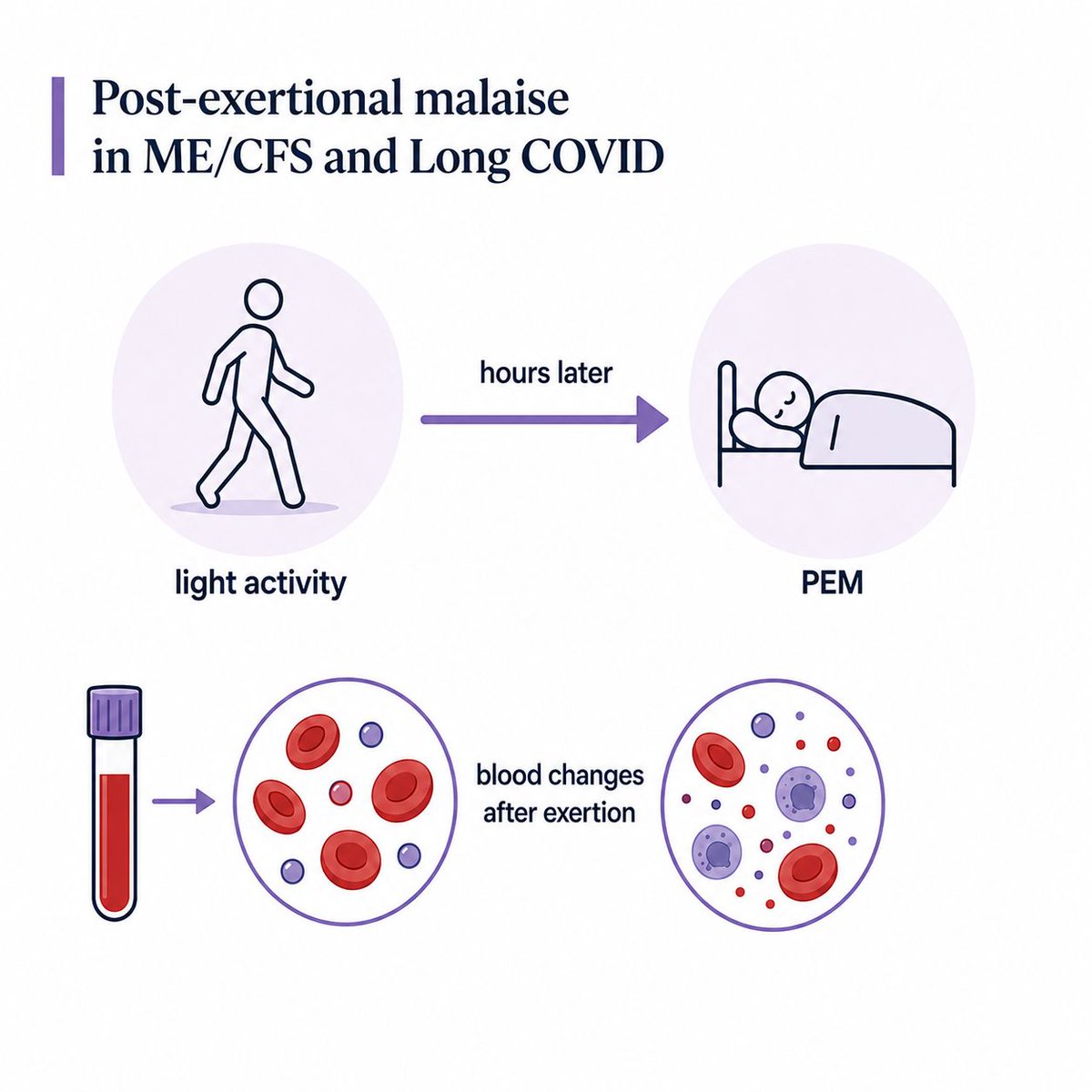
Post-exertional malaise is a delayed or prolonged worsening of symptoms after physical, cognitive or emotional exertion. Understanding its biology is critical to understanding ME/CFS.
What changes when blood is tested before and during PEM? 🧵
“We found a significant TRPM3-calcium pathway dysfunction in ME/CFS, resulting in impaired calcium entry into mitochondria, a region of the cell responsible for energy production … the process effectively triggering a chain reaction in the body.”
https://t.co/gZrh04GeOr
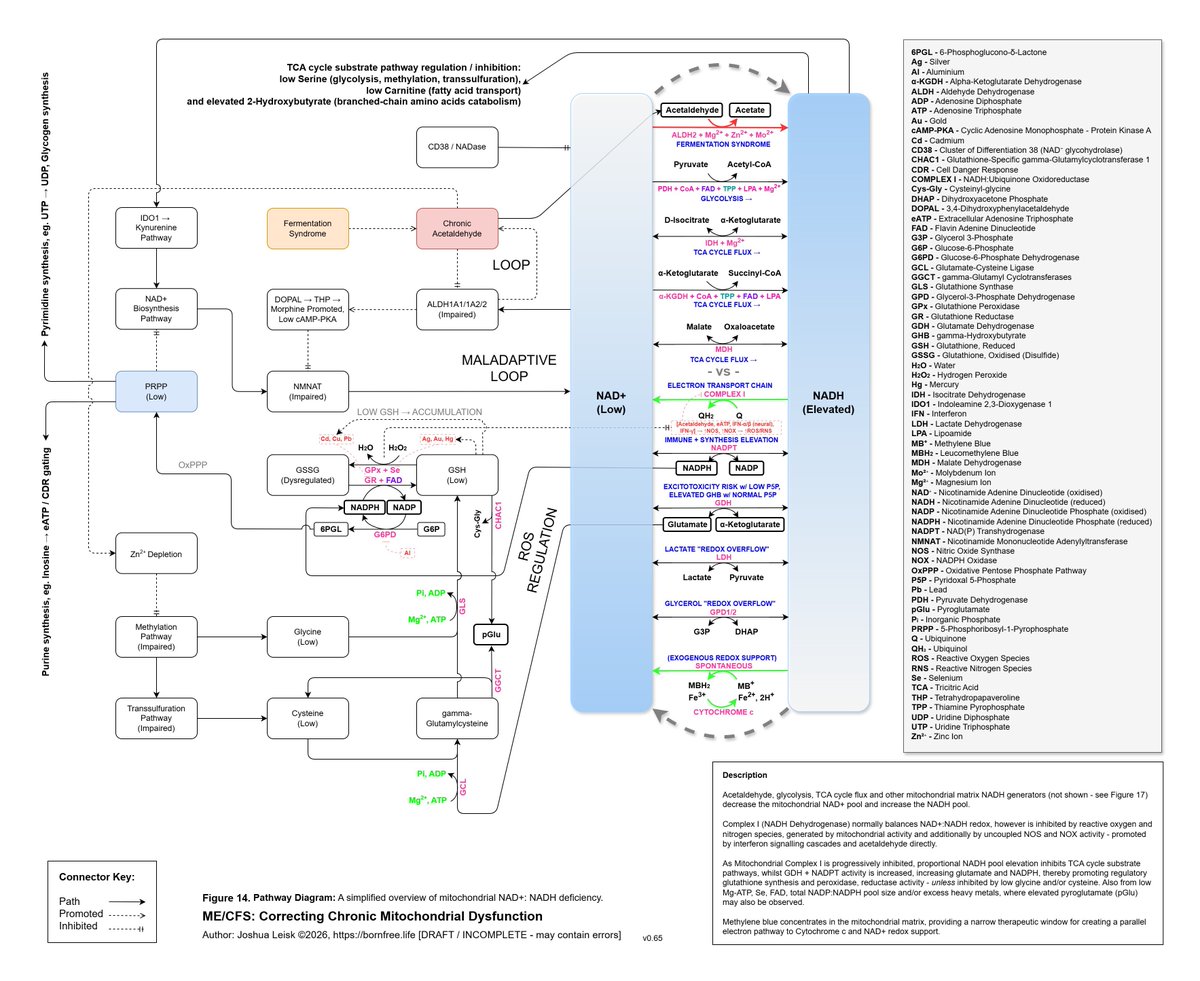
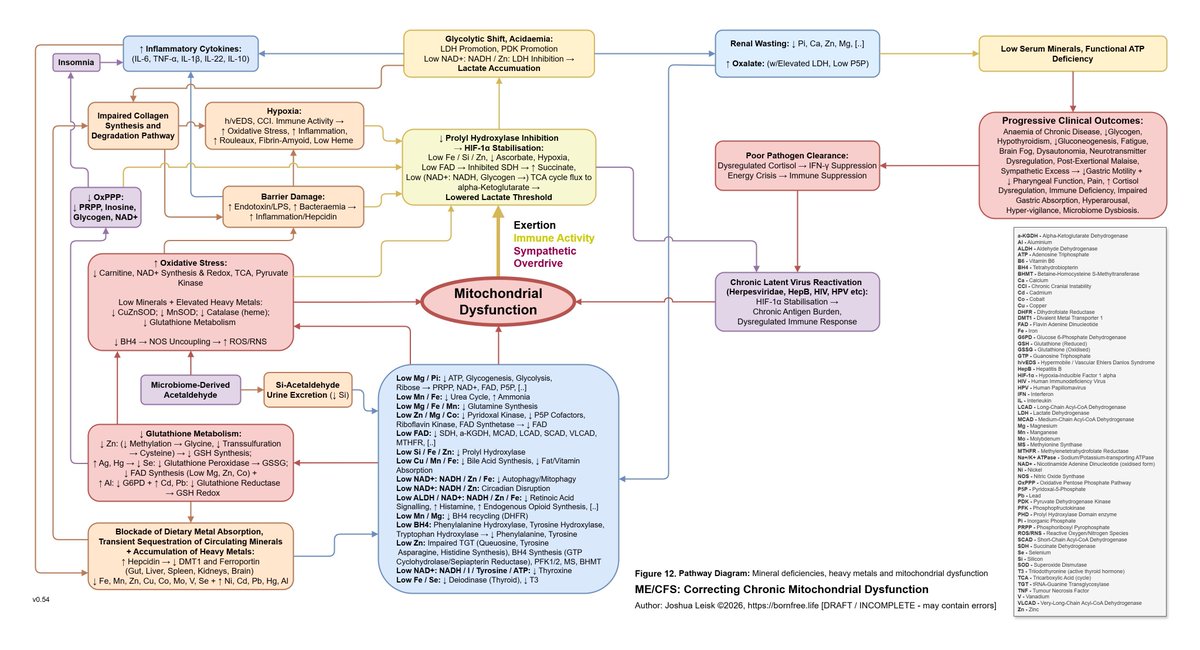
From my disease modelling, here’s the mechanism I describe that causes downregulation of TRPM3 - compensation for dysregulated calcium influx from the pathological glutamate signalling, via impaired glutathione metabolism. This also causes a wide cascade of other issues.
Readily repeatable data shows the persistence comes from ionomic disturbances - a combination of low minerals and elevated toxic metals, downstream of an inflammatory cascade.
https://t.co/GExaQxnSaj
This is now also much easier to correct.