It may sound only a tweet but it means a lot!
Being appreciated would really be motivating for the rest of the path...
Thank you @NASAMars , @NASAInSight, @NASAJPL , @NASA, @NASASolarSystem, like really thank you!
InSight wants to give a big shout out to Amirhossein Bagheri, one of the amazing graduate students who has contributed to the mission’s success. Amir was born in Iran and is now pursuing a PhD at ETH Zurich. He recently published a new model on the origin of Mars’ moons. Go Amir!
Mars’ south interior may be 200–400°C hotter than its north and partially molten, a deep thermal asymmetry that gravity data now points to beneath the planet’s surface. @Caltech@nature https://t.co/U9JF6kuF3e
Great news!
Our new paper on Mars’s interior is out in @Nature: https://t.co/JWAUnsumon
Using seasonal #gravity variations and #tidal tomography, we find that Mars’s southern hemisphere is mechanically much “softer” than the north, implying a hotter, partially molten mantle.
NASA has given approval to begin implementing its project to support @ESA's Rosalind Franklin mission. Scheduled to launch in 2028, this Mars rover will be the first to search for signs of past or present life under the Red Planet’s surface. https://t.co/Q7w0Lmvtnf
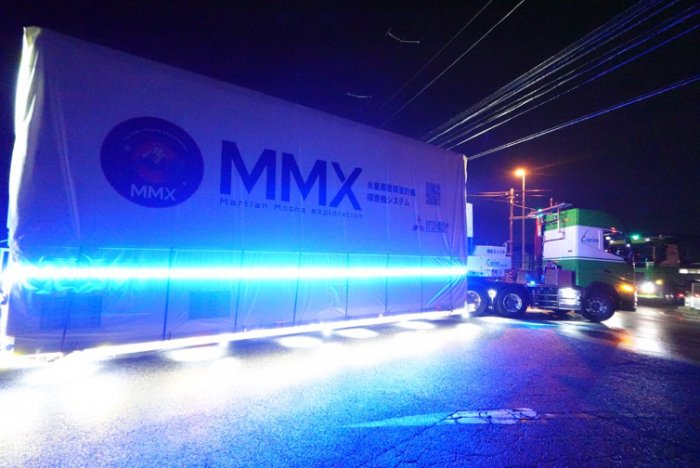
In case you missed it: @JAXA_en’s Martian Moons eXploration (MMX) mission arrived at Tanegashima Space Center on April 1 🚀
On board is NASA's MEGANE instrument, which will study the composition of Mars’ moons, Phobos & Deimos – and help uncover their origins: https://t.co/VSv7PIIUvu
@skoularidou That is surely impressive and fascinating! I believe there is no number (citations, etc) that can express the resilience and great work you have done despite the challenges you have faced.
Congrats on the great work - it is beyond numbers. Best wishes for the rest of the path.
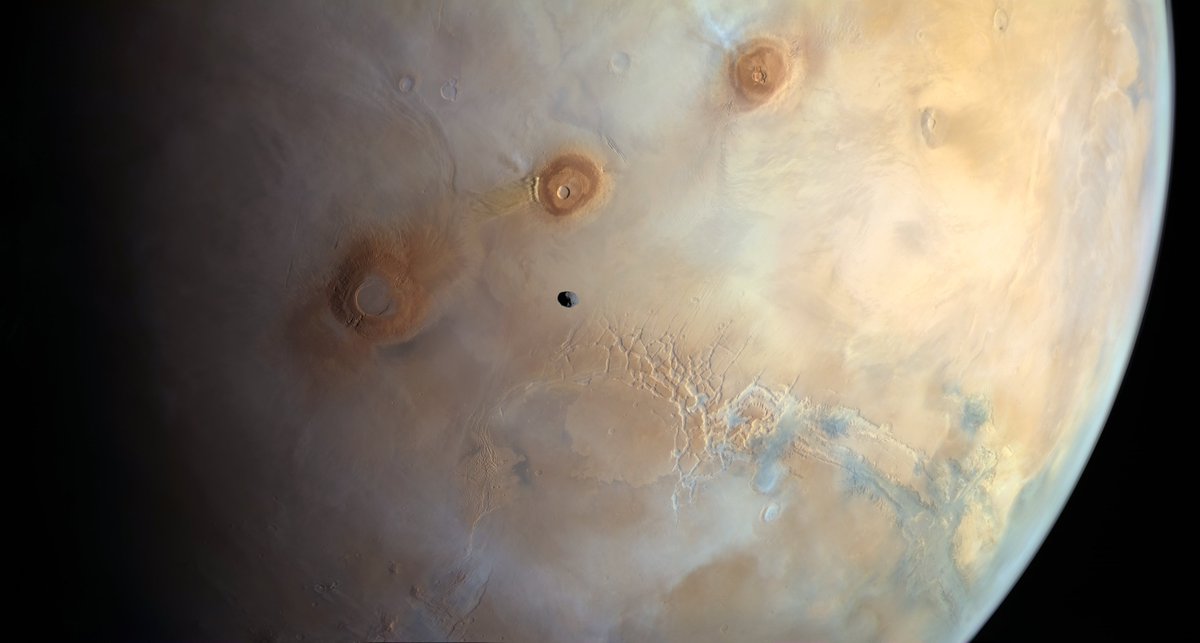
ESA & Andrea Luck released some amazing images of Phobos and Mars taken by Mars Express. In one frame you can see the moon agains the Martian surface between the Tharsis volcanoes and Noctis Labyrinthus–Valles Marineris. The second shows it near the limb of the planet.
https://t.co/AhFppNxSTx
Led by researchers at NASA's Jet Propulsion Laboratory, which Caltech manages for NASA, and published in the journal Nature, the new study could have implications for scientists' understanding of Titan and other icy moons throughout our solar system.
https://t.co/WH2Yjanlep
The result is based on a reanalysis of the static and time-variable gravity field measured by the Cassini spacecraft. In my view, this finding challenges our perception of planetary bodies within and beyond the Solar System.
A game-changing paper was published today in @Nature, stating that Titan, a large moon of Saturn, likely does not have a subsurface ocean. This finding runs counter to scientific arguments that have persisted for several decades.
https://t.co/xlqthctgaS
@anshulkundaje It is really great to see someone standing up against this nonsense of counting citations and indices that even some real scientists are obsessed with. Much appreciated!
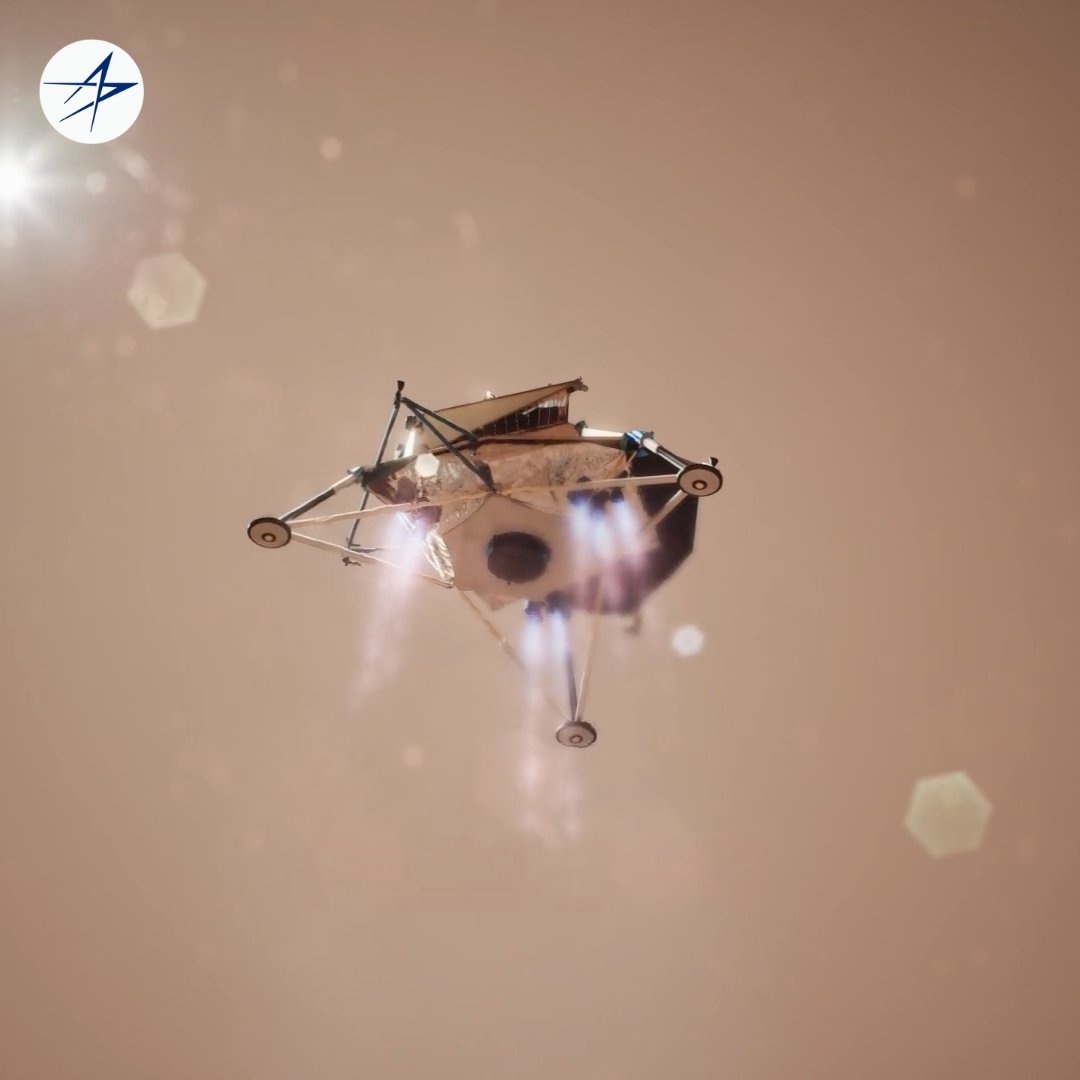
Our proposal combines a smaller InSight-inspired lander, a lighter MAV and a heritage-based Earth Entry System. By leaning on what’s flight-proven, this architecture minimizes mass, cost and complexity while managing risk.