Absolutely practice changing!! One of the most stunning developments in the treatment of patients with metastatic pancreatic cancer !! It is one of the rare moments in oncology which you will always remember ! Like the imatinib, trastuzumab presentations @ASCO#ASCO26@OncoAlert
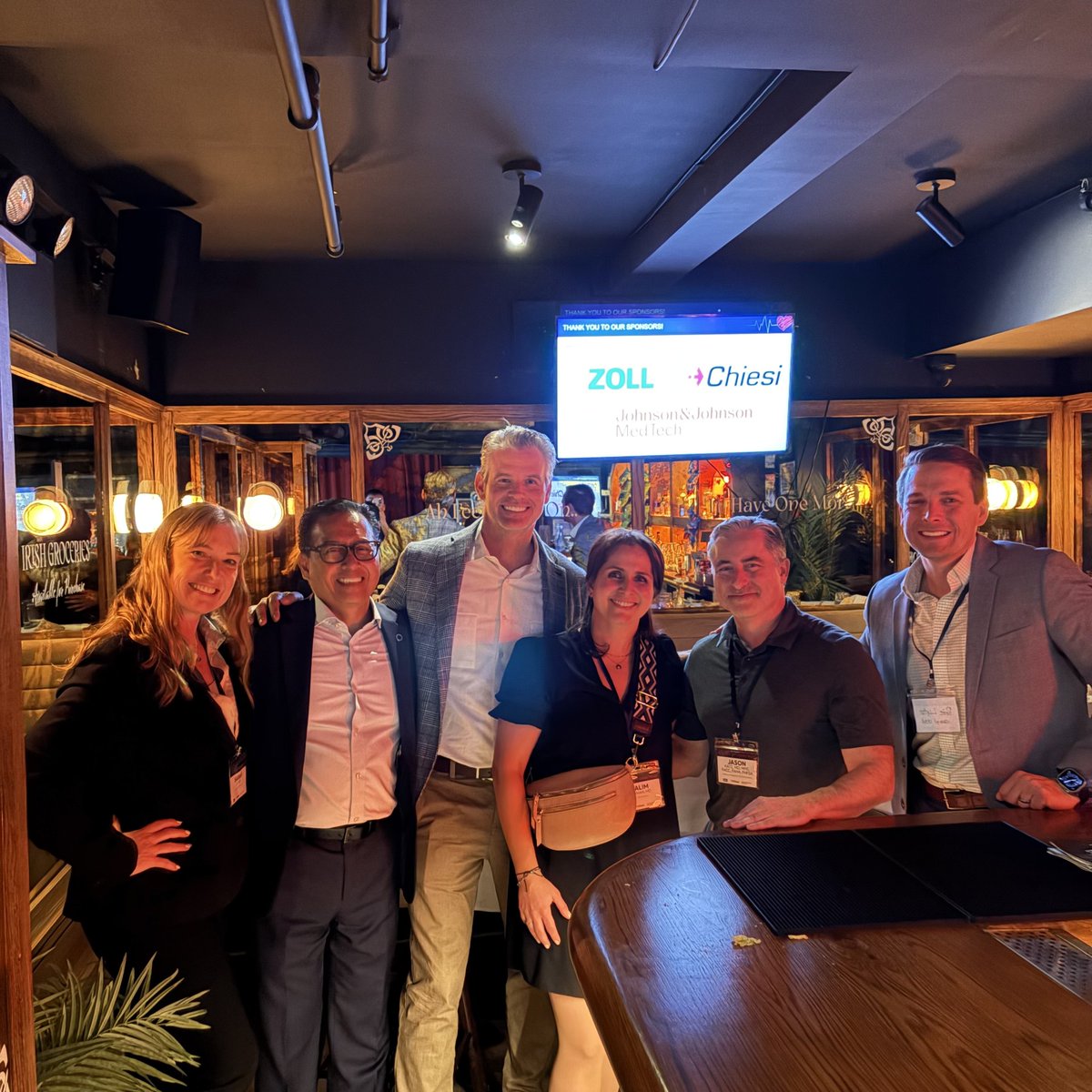
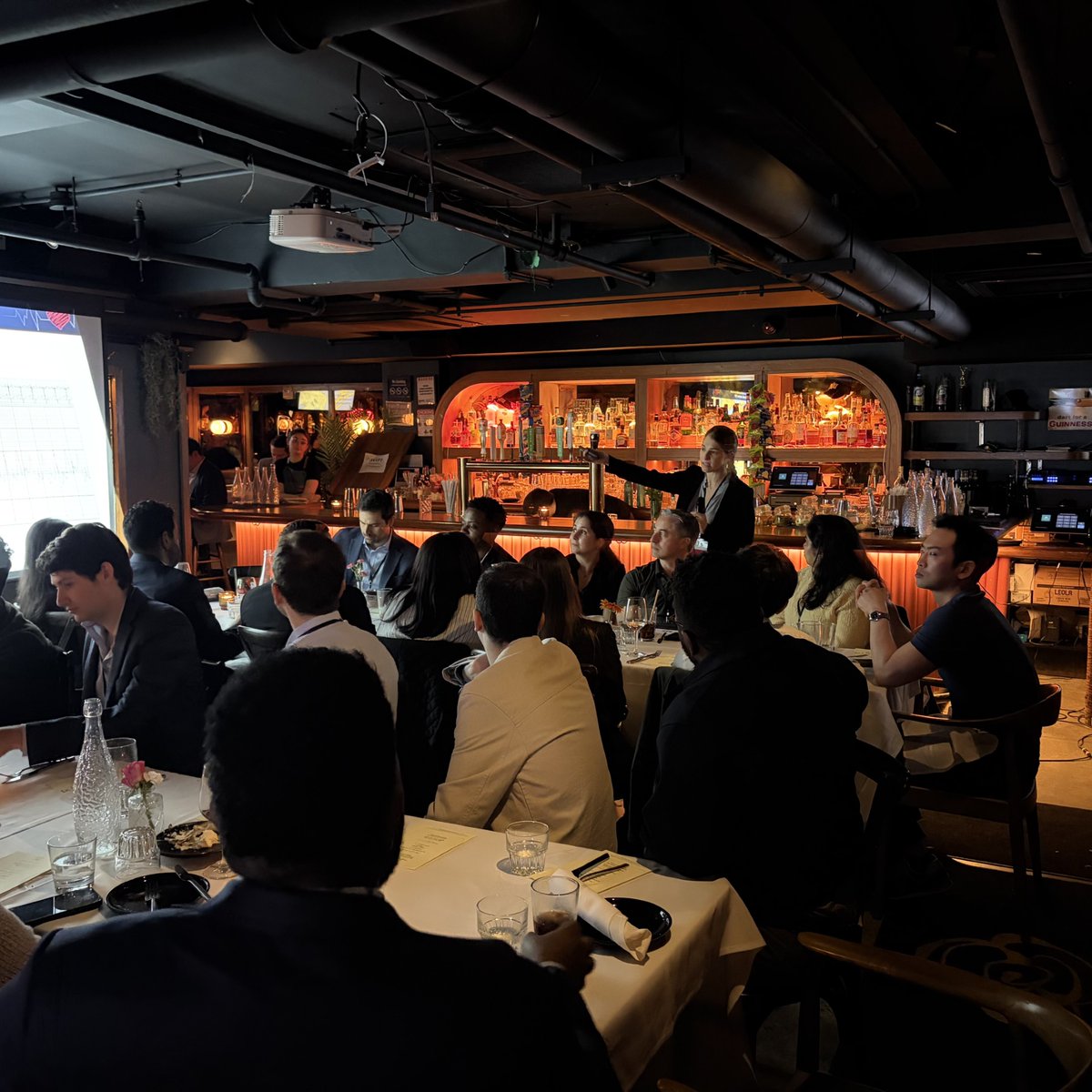
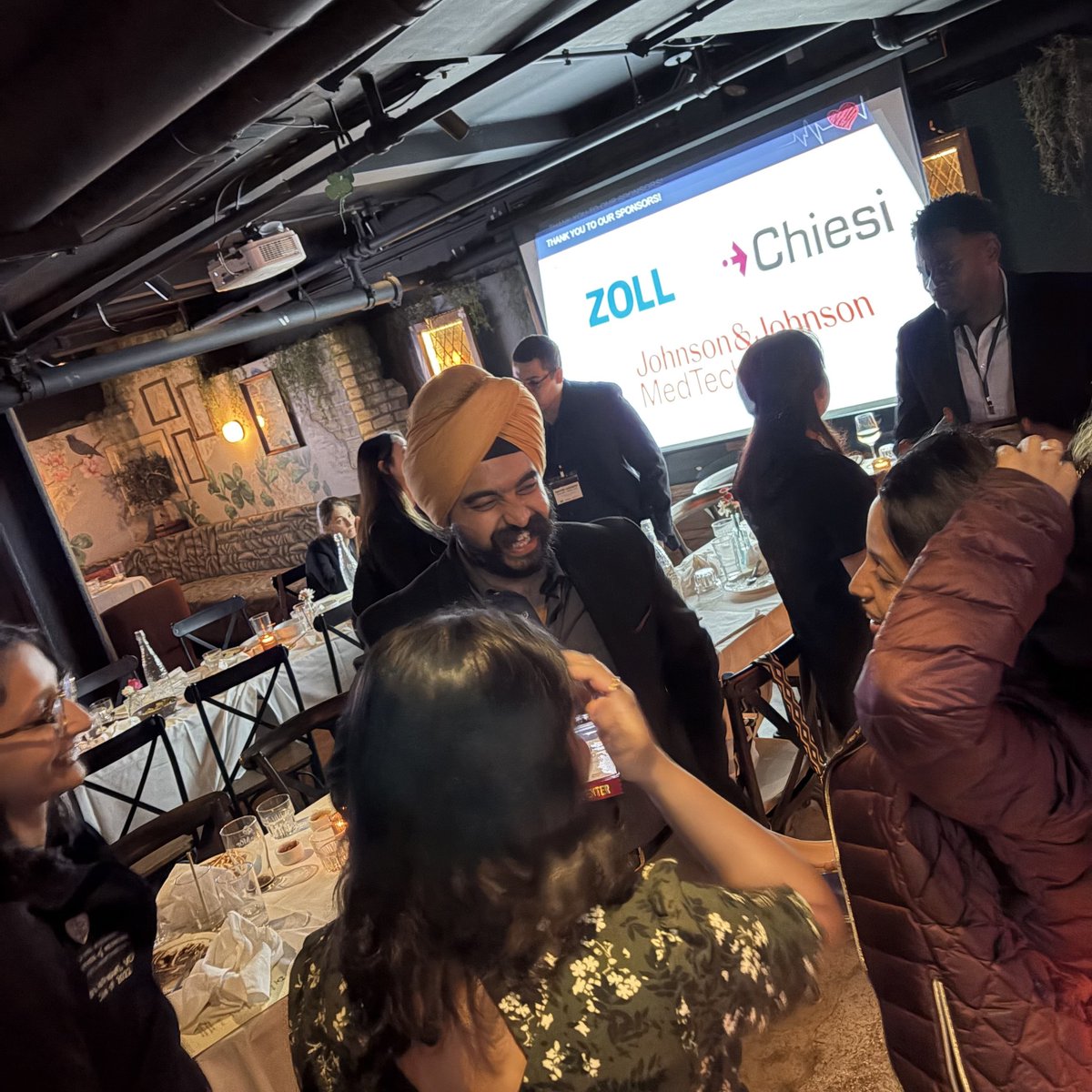
🎉 Monday night's #SHOCKTalks NYC was everything we hoped for — and more!
40 critical care cardiology professionals packed the room at Tara Mor for ~3 hours of lively, case-based discussion. The energy was incredible.
Thank you to the planning team and to every faculty member, trainee, and enthusiast who joined us. This is exactly why we do what we do. 🫀
Support provided by @MedicalZoll@ChiesiGroup@jjmt_heartrecov
#CriticalCareCardiology #CICU #CardiacCare #C3E #MedTwitter
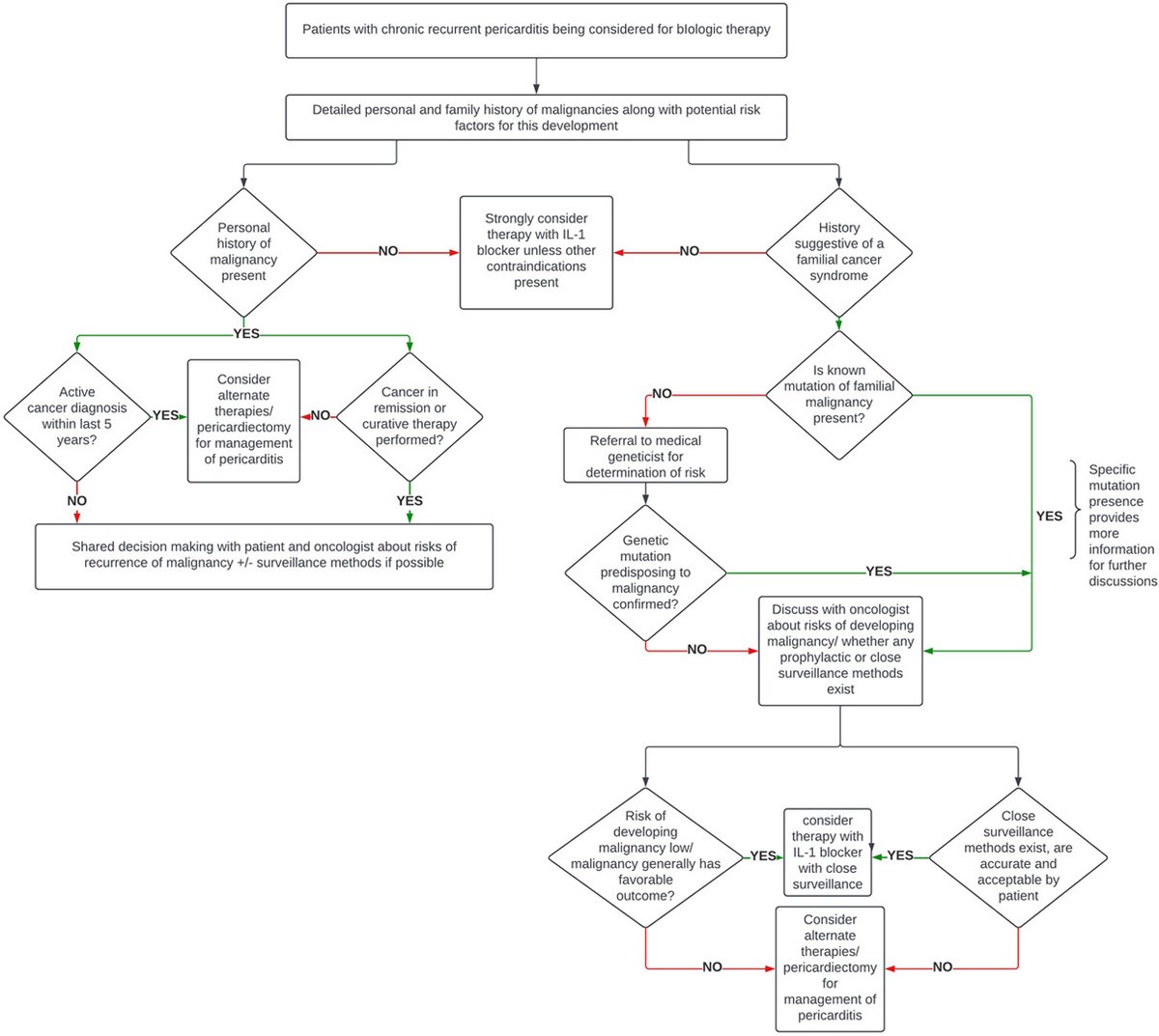
🩺 Managing pericarditis in patients with cancer risk? #CardioOnc
Don’t let risk hold back treatment. Our latest manuscript provides a new framework to guide biologic therapy decision-making and ensure viable options for RP patients.
Read more: https://t.co/rhh2POZxs7
🙌 Our last manuscript is out.
👉“Safety of Very Low LDL-Cholesterol:
Ten Common Concerns, Misconceptions, and Evidence-Based Clarifications”
📍Very low LDL-C levels continue to generate debate, fear, and misinformation in clinical practice.
📍In this review, we critically examined 10 of the most frequent concerns related to intensive LDL-C lowering:
— Cognitive decline
— Hemorrhagic stroke
— Cancer
— Cataracts
— Hormonal dysfunction
— Diabetes risk
— Muscle symptoms
— Older adults
— Sex differences
— Overall cardiovascular benefit
📍The key message is clear:
RCTs, meta-analyses, and genetic evidence consistently support the safety profile of very low achieved LDL-C levels in appropriately selected high-risk patients.
📍Some adverse effects are real — particularly statin-associated dysglycemia and muscle symptoms — but their absolute risk is generally modest compared with the magnitude of ASCVD risk reduction.
📍Therapeutic inertia and misinformation remain major barriers in preventive cardiology. Evidence-based communication matters.
📍Lower LDL-C. Earlier. Longer. Safer than many still believe.
☝️Proud to collaborate with outstanding colleagues from Latin America, Europe, and beyond in this international effort.
🔗 https://t.co/zEMcECn9El
@society_eas@ATHjournal
We’re excited to invite you to our upcoming SHOCK TALKS Dinner!
📅 May 4
📍 Tara Mor, NYC
🔗 https://t.co/U2l6UlCtIm
Join us for an engaging evening bringing together critical care cardiology faculty, trainees, and enthusiasts for dynamic, case-based discussions. Together, we’ll explore the care of critically ill cardiac patients, compare approaches across institutions, and dive into complex cases from the CICU, cath lab, cardiac OR, and emergency department.
Looking forward to a night of learning, collaboration, and great conversation.
#CriticalCareCardiology #Cardiology #MedEd #CICU #ShockTalks
The American Heart Association mourns the passing of the legendary cardiologist Eugene Braunwald, M.D., widely recognized as one of the most influential figures in the history of cardiovascular medicine. Over seven decades, his work reshaped the understanding and treatment of heart disease, leading many to call him the father of modern cardiology.
Braunwald was a lifelong contributor to the American Heart Association, helping advance its research and scientific mission, and was honored with some of the Association’s highest honors for his lasting influence on cardiovascular care and research. His influence extended well beyond his own discoveries, as generations of Association‑supported investigators, clinicians and academic leaders were trained by Braunwald or guided by the clinical trial standards and mentorship models he helped establish.
https://t.co/ieZuHYMyOP
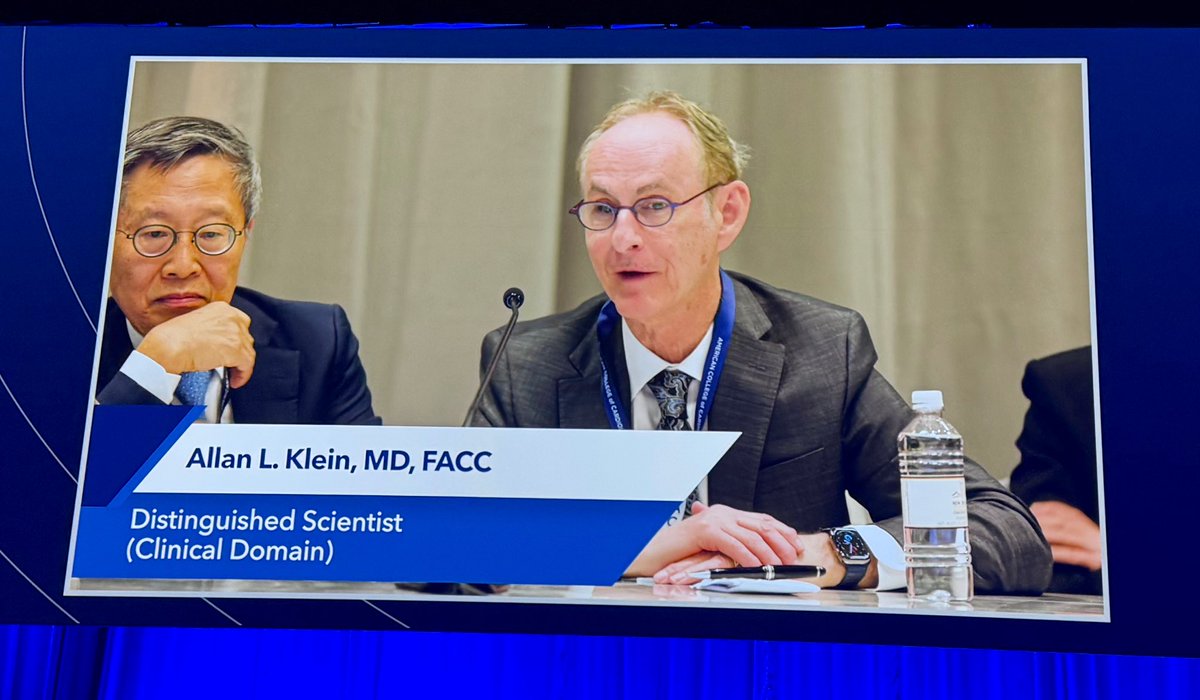
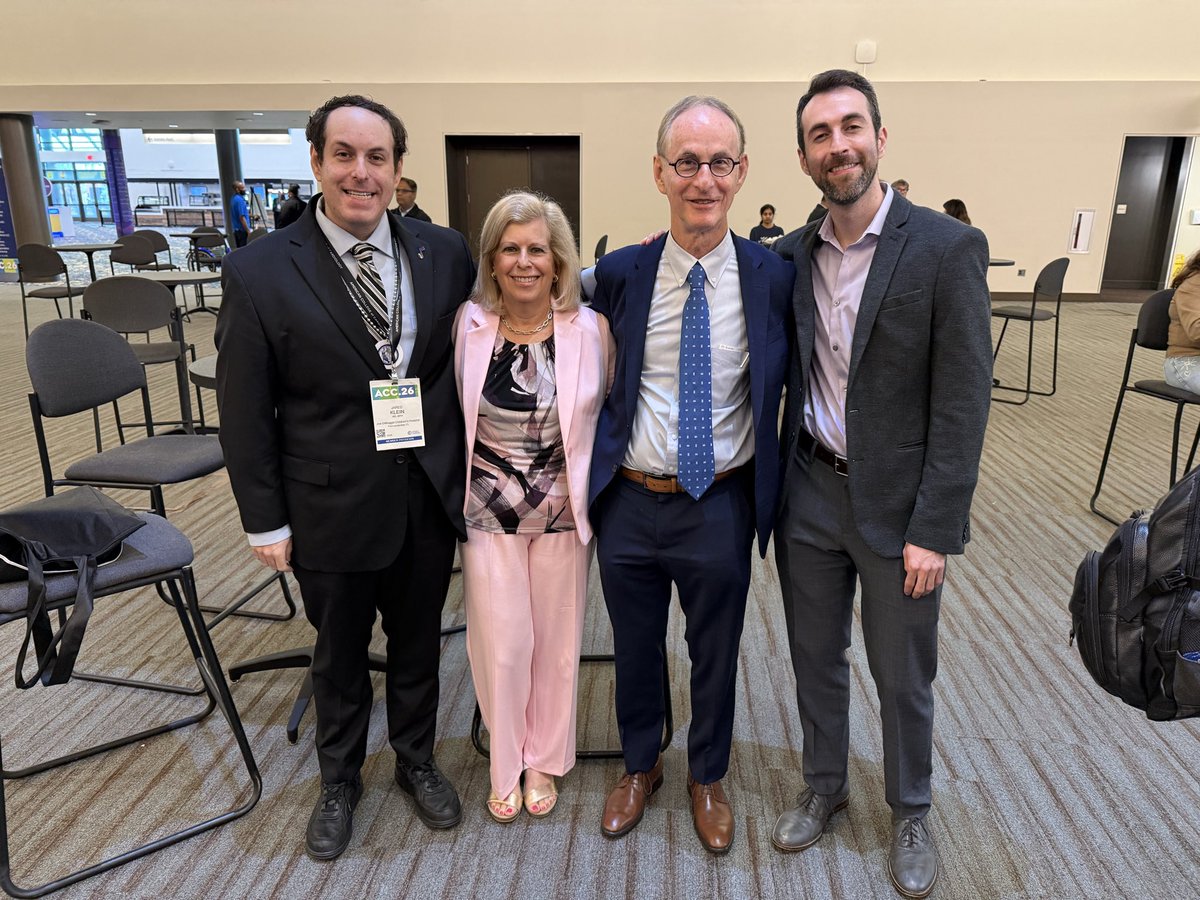
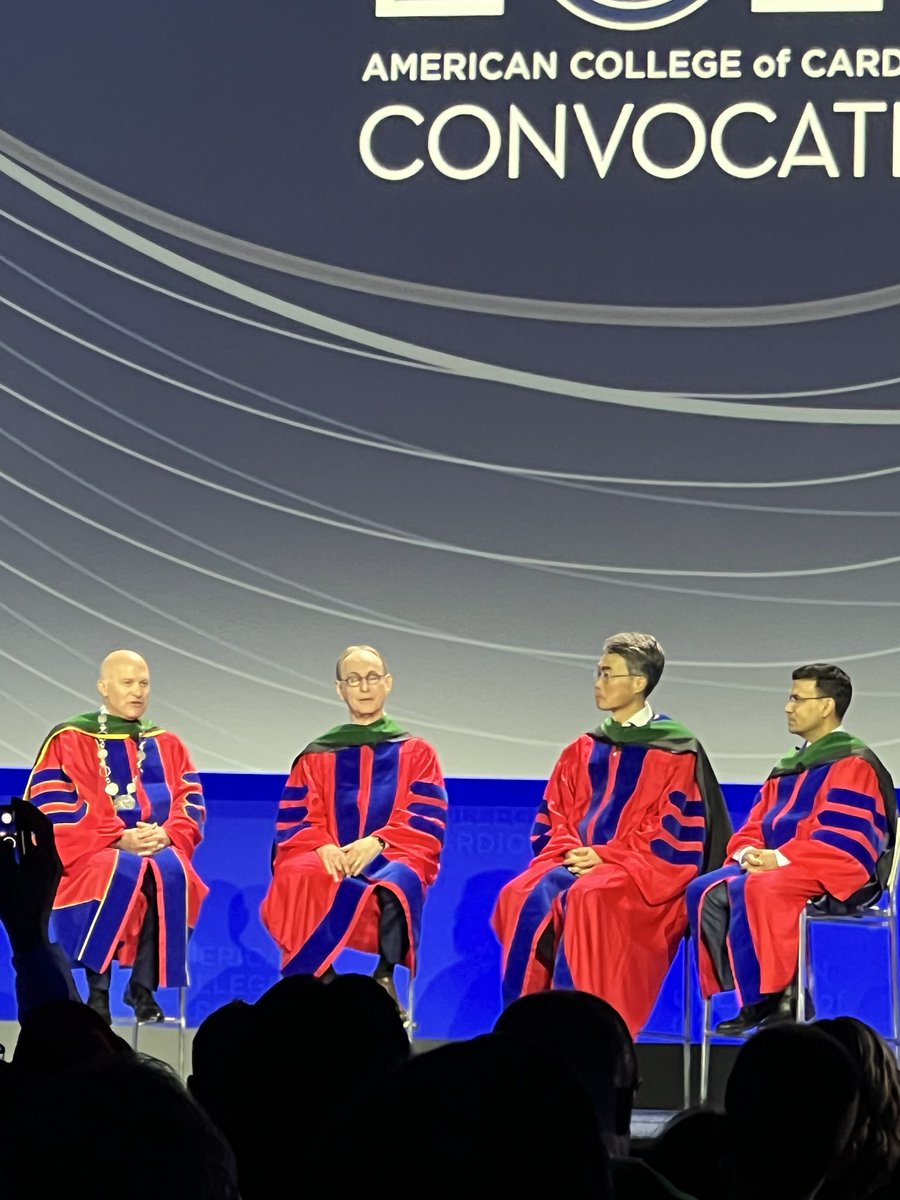
Congratulations, Dr. Klein, on this incredibly high honor! It has been an everlasting privilege to learn under your mentorship. A well-deserved recognition of your lasting contributions to cardiovascular research that has shaped key clinical practice guidelines! @ACCinTouch
It was an honor and privilege to receive the 2026 ACC distinguished scientist award in the clinical domain. I want to personally thank my colleagues, friends and family for their encouragement and support @CleClinicHVTI@ACCinTouch@NBE_96@ASE360
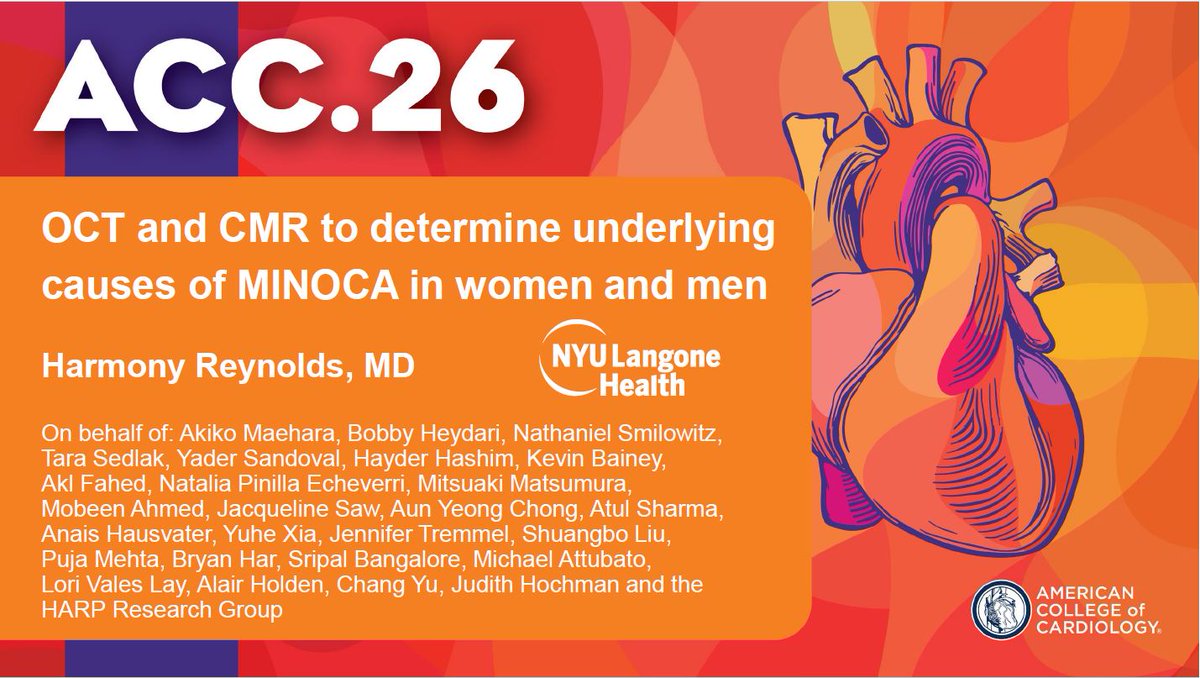
HARP study: OCT + CMR identified an underlying cause in 79% of MINOCA presentations; clinical factors had limited utility in predicting imaging abnormalities. #ACC26 Download slides here: https://t.co/hS5rnSdPmm
Presented at #ACC26:
Among patients with atherosclerotic cardiovascular disease, targeting an LDL cholesterol level below 55 mg per deciliter led to a lower 3-year risk of cardiovascular events than targeting a level below 70 mg per deciliter. Full Ez-PAVE trial results: https://t.co/q0vNdAoJJL
Editorial: Paving the Road toward Targeted Lipid Lowering https://t.co/zUwmo0r0n4
@ACCinTouch
Presented at #ACC26:
In patients with pulmonary embolism, ultrasound-facilitated, catheter-directed fibrinolysis led to a lower risk of a composite of major adverse outcomes than anticoagulation alone. Full HI-PEITHO trial results: https://t.co/itevLNqK0Z
Editorial: Advanced Therapy for Intermediate-Risk Pulmonary Embolism https://t.co/4YIifUjCwH
@ACCinTouch
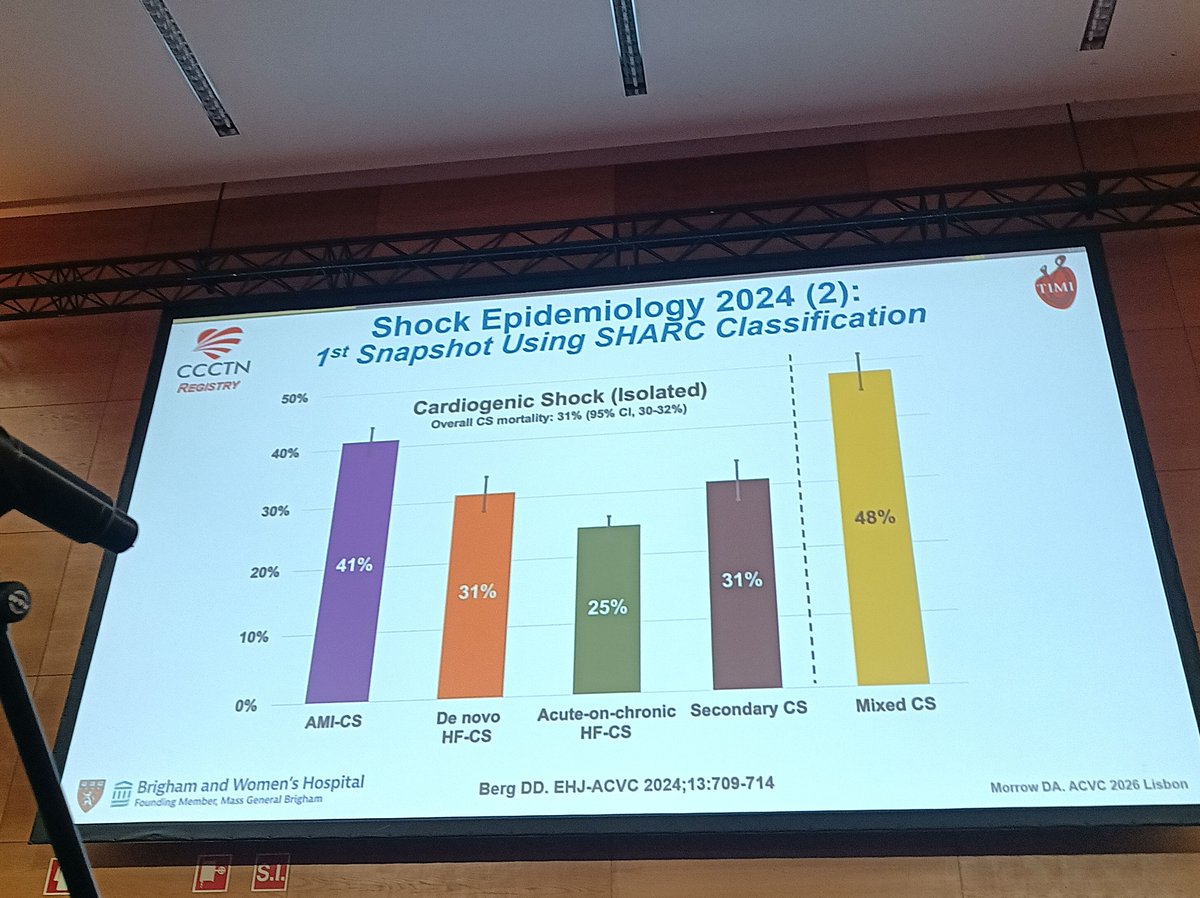
#ACVC 2026: Mixed shock: the reality behind cardiogenic shock
An outstanding session by Dr. David Morrow. Morrow highlighting a critical and often under-recognized concept:
👉 Pure cardiogenic shock is rare. Mixed shock is common.
🔍 Key messages:
SVR is not always elevated in cardiogenic shock
→ Wide variability, often with vasoplegia (SIRS component)
Mixed shock = low CO + inappropriately low SVR
→ A combination of cardiac failure + vasodilatory physiology
📊 Epidemiology (SHARC data):
.Cardiogenic shock (isolated): ~65%
.Mixed shock: ~17%
.Mortality highest in mixed shock (~48%)
🧠 Common phenotypes:
-Cardiogenic shock → secondary vasoplegia
-Cardiac arrest → stunned myocardium + vasodilation
-Sepsis + cardiac dysfunction
-Toxic cardiomyopathy (e.g., Ca-blockers, BBs)
-Post-cardiotomy vasoplegia
⚙️ Pathophysiology:
Inflammation (SIRS) plays a central role
Microcirculatory dysfunction + iNOS activation
Loss of vascular tone despite vasopressors
⚠️ Clinical implication: 👉 Hemodynamics must be interpreted dynamically, not assumed
👉 SVR ≠ always high → avoid “one-size-fits-all” approach
🛠️ Management principles: Phenotype-guided therapy
Combine:
Vasopressors (norepinephrine first-line)
Inotropes when needed
Careful fluid strategy
Consider:
.Methylene blue / hydroxocobalamin in refractory vasoplegia
.CIRCI (steroids) in selected patients
📌 Take-home message: Cardiogenic shock is not purely cardiac.
Recognizing the vasoplegic component is key to survival.
#ACVC26 #CardiogenicShock #MixedShock #CriticalCare #Hemodynamics #ShockManagement
1/9
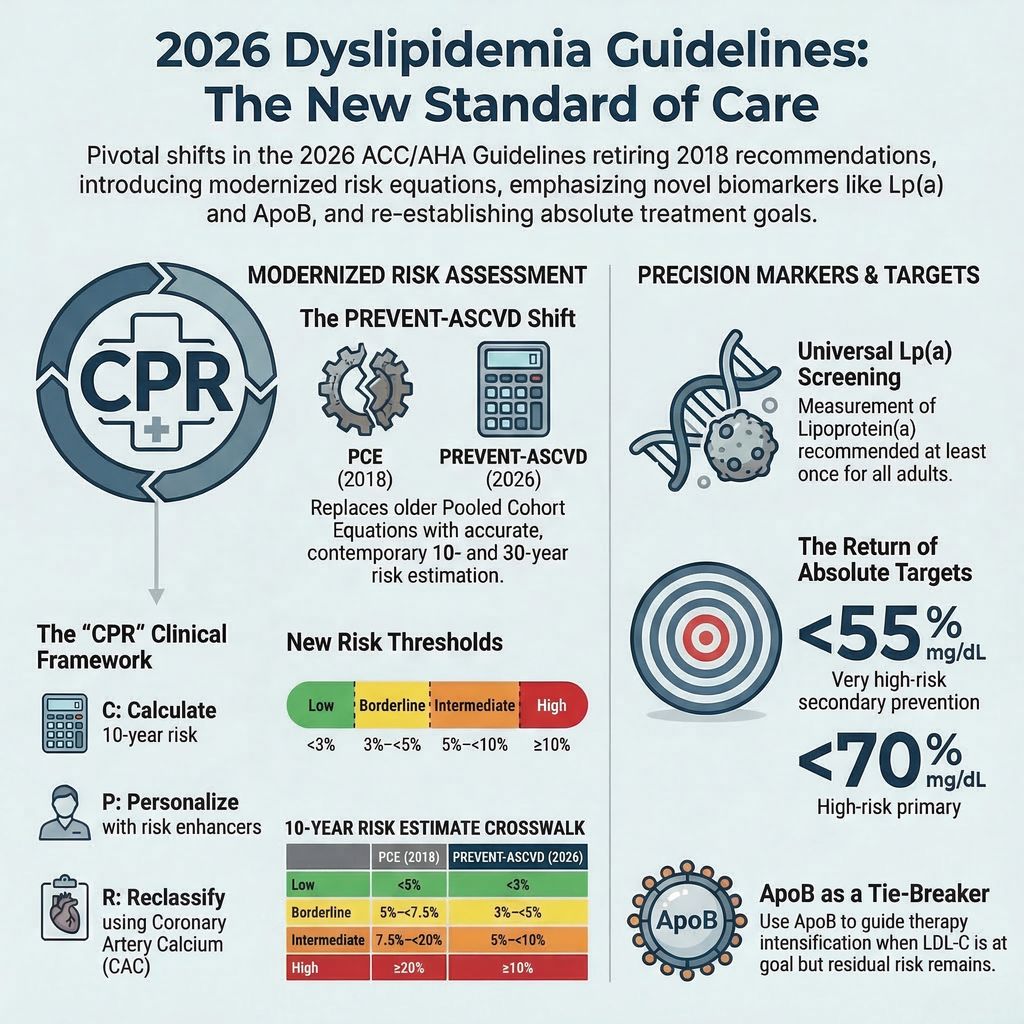
The 2026 ACC/AHA Dyslipidemia Guidelines are officially here!
Replacing the 2018 guidelines, these new updates bring major shifts in risk assessment, novel lipid markers, and cholesterol targets.
Here are the most salient features you need to know. 🧵👇
#Cardiology #MedTwitter
1/8:
The cardiology world is buzzing!
Two major randomized trials—HeartSync-LBBP and PhysioSync-HF—recently compared Conduction System Pacing (CSP) vs. Biventricular Pacing (BiVP) in heart failure patients with LBBB.
Surprisingly, they reached opposite conclusions! Let’s break them down. 🧵👇
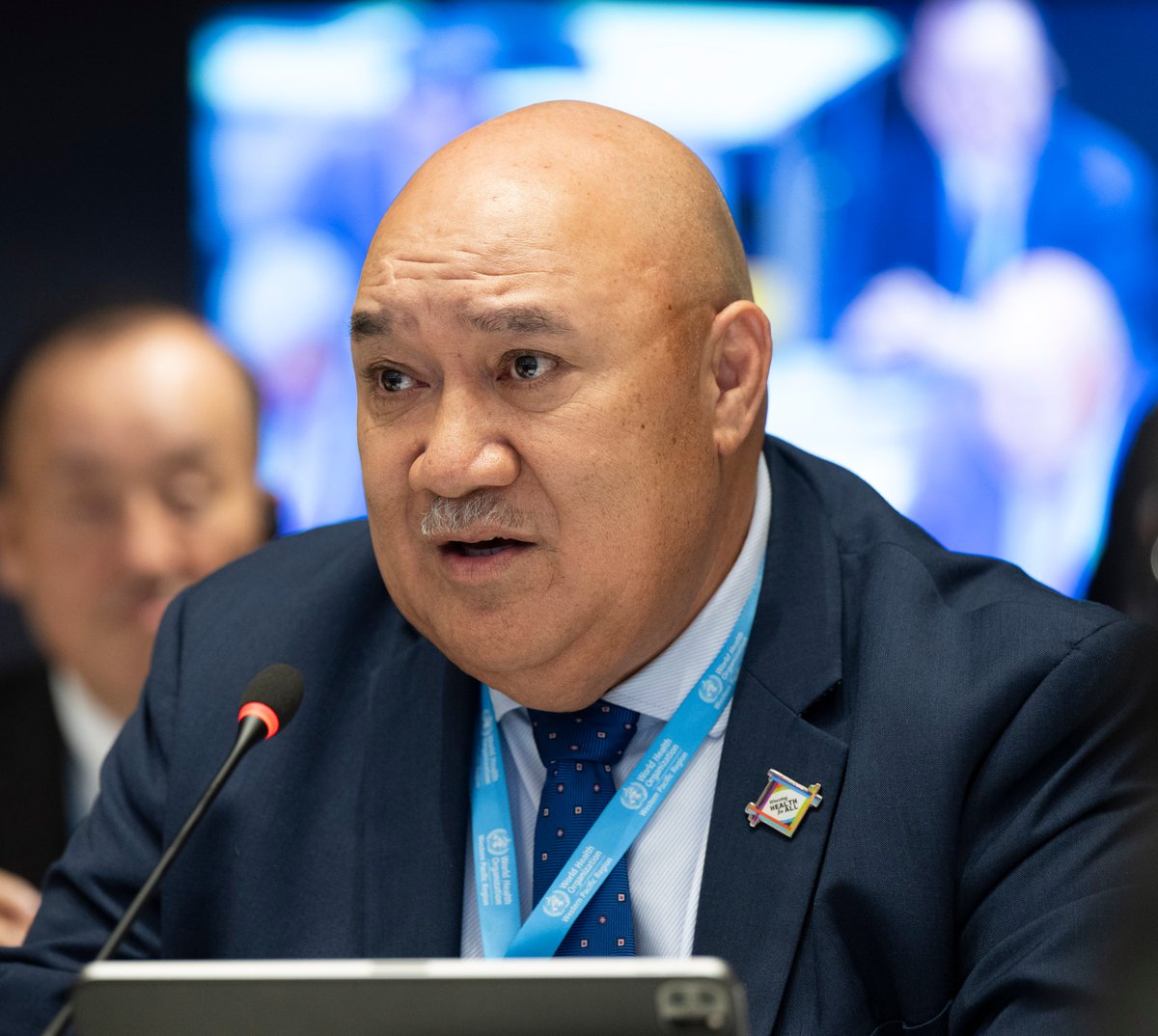
Antimicrobial resistance - #AMR - is no longer a ‘silent pandemic.’ It's reversing decades of progress in safeguarding health in Asia-Pacific.
Drug-resistant infections are making common illnesses harder and more expensive to treat, including tuberculosis, one of the world’s leading killers.
But we know what countries should do, ever more urgently, to combat AMR – as our @RD_WPRO Dr Saia Ma’u Piukala and @WHOSEARO's @BoehmeCatharina explain in @TheLancet: https://t.co/x7yKwqdSRk
In patients with type 2 diabetes (T2D), the risk of hospitalization for #heartfailure was significantly lower w/ GLP-1RAs than DPP-4 inhibitors while it was similar compared w/ #SGLT2i.
Read the journal scan for more: https://t.co/u0xv3hvD4g #CardioX
Presented at #TCT2025:
In STEMI with multivessel disease, immediate iFR-guided PCI of nonculprit lesions was not superior to deferred cardiac stress MRI–guided PCI in reducing death, reinfarction, or hospitalization for heart failure at 3 years. Full iMODERN trial results: https://t.co/F4uVBt7OlB
@CRFHeart
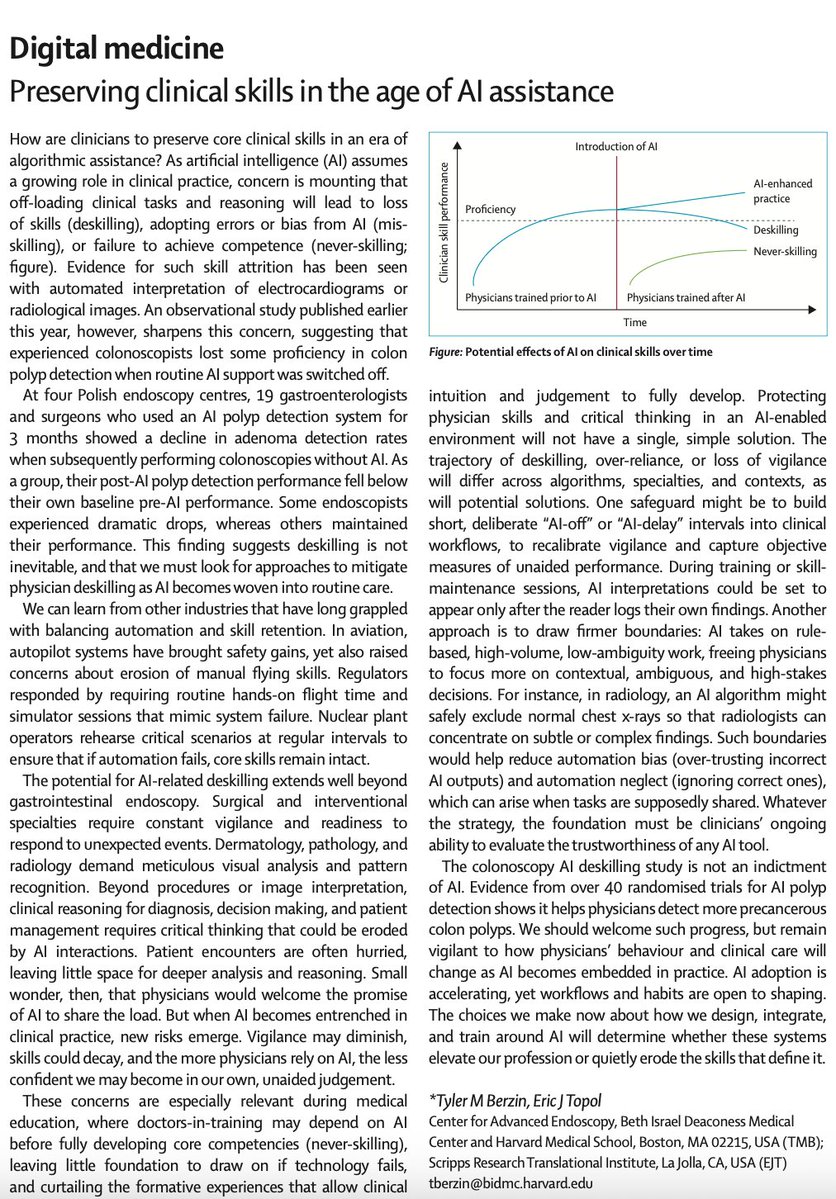
Will A.I. lead to de-skilling of physicians?
And if so what can be done to preempt it?
@tberzin and I address this in a new @TheLancet piece
https://t.co/rK5Lf77YtK