@TamilNaduInfra@Tambaram_Corp Parks are meant to be calm, peaceful spaces where one can relax. Under flyovers, it’s noisy and dusty. ULBs should focus on parks on separate spaces. That’s why we have master plan. ULBs should stop romanticising spaces under flyovers.
#WATCH | Jaisalmer, Rajasthan: In a major milestone for Great Indian Bustard (GIB) conservation, two new chicks have hatched at Ramdevra and Sudasari breeding centres using Artificial Insemination (AI) technology. With this, the total GIB population across facilities managed by the Wildlife Institute of India (WII) has reached 86.
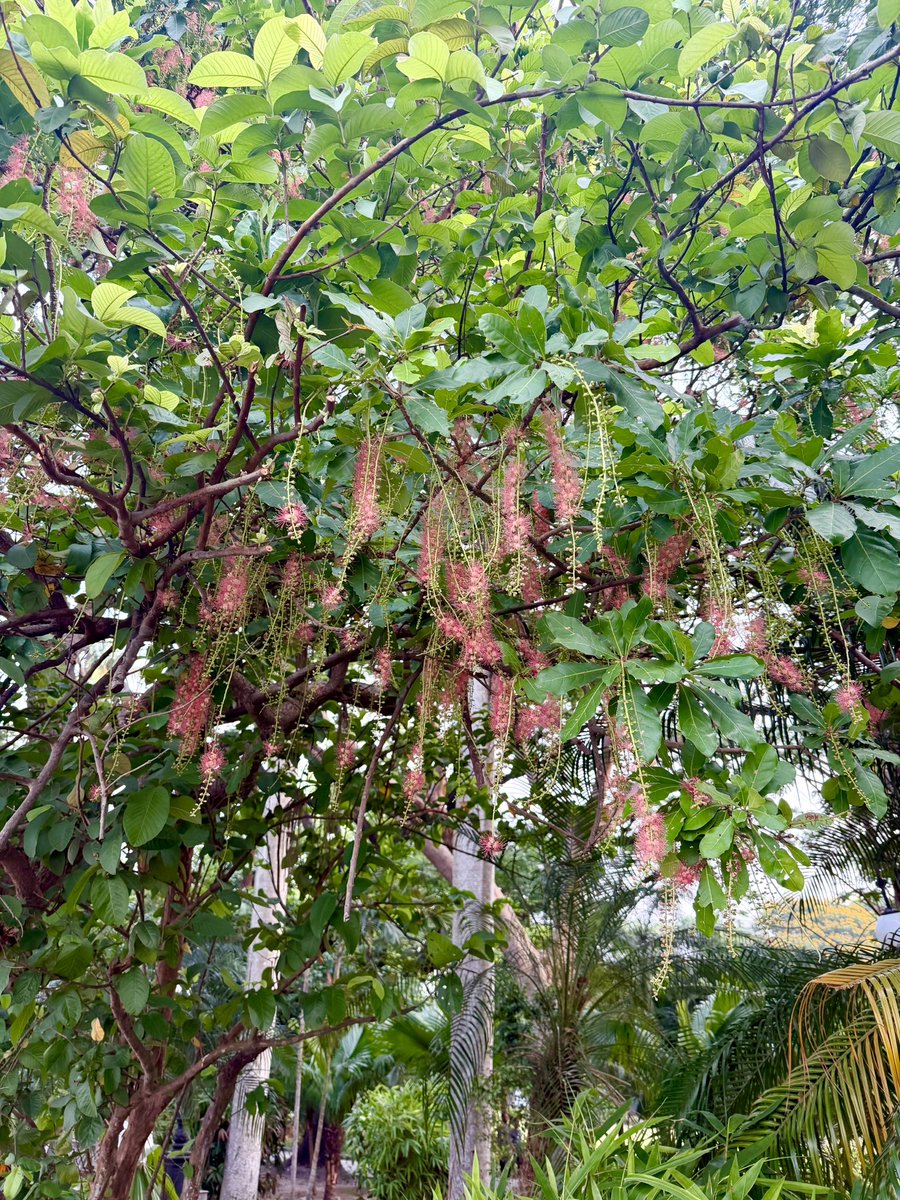
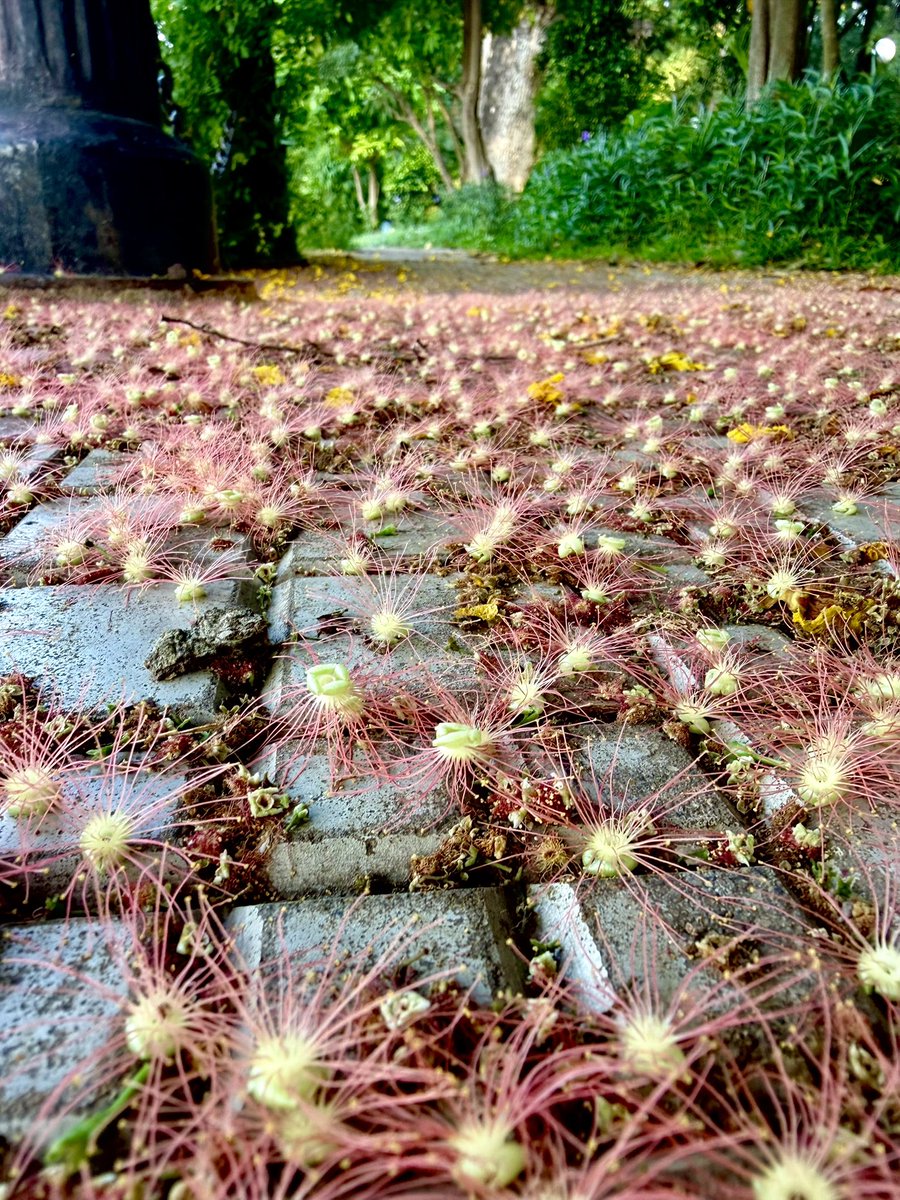
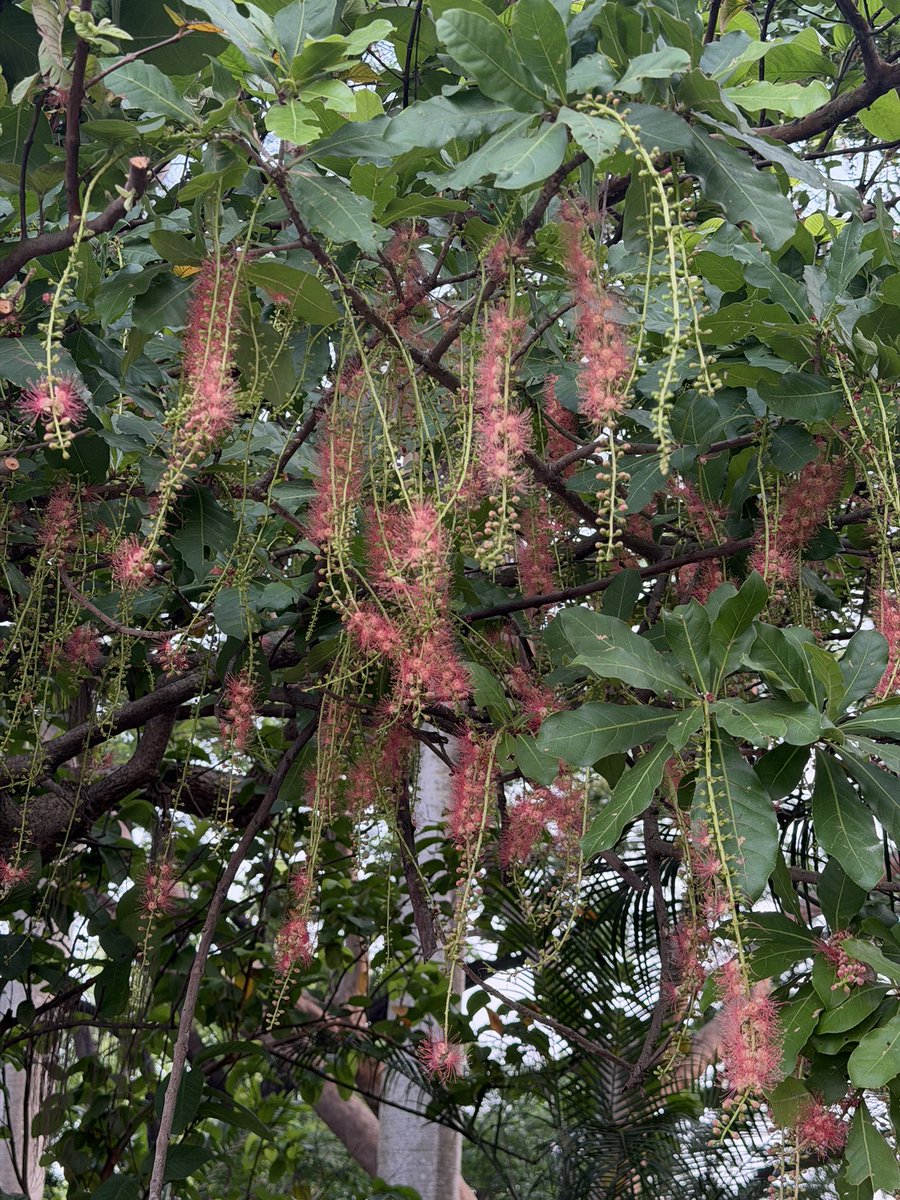
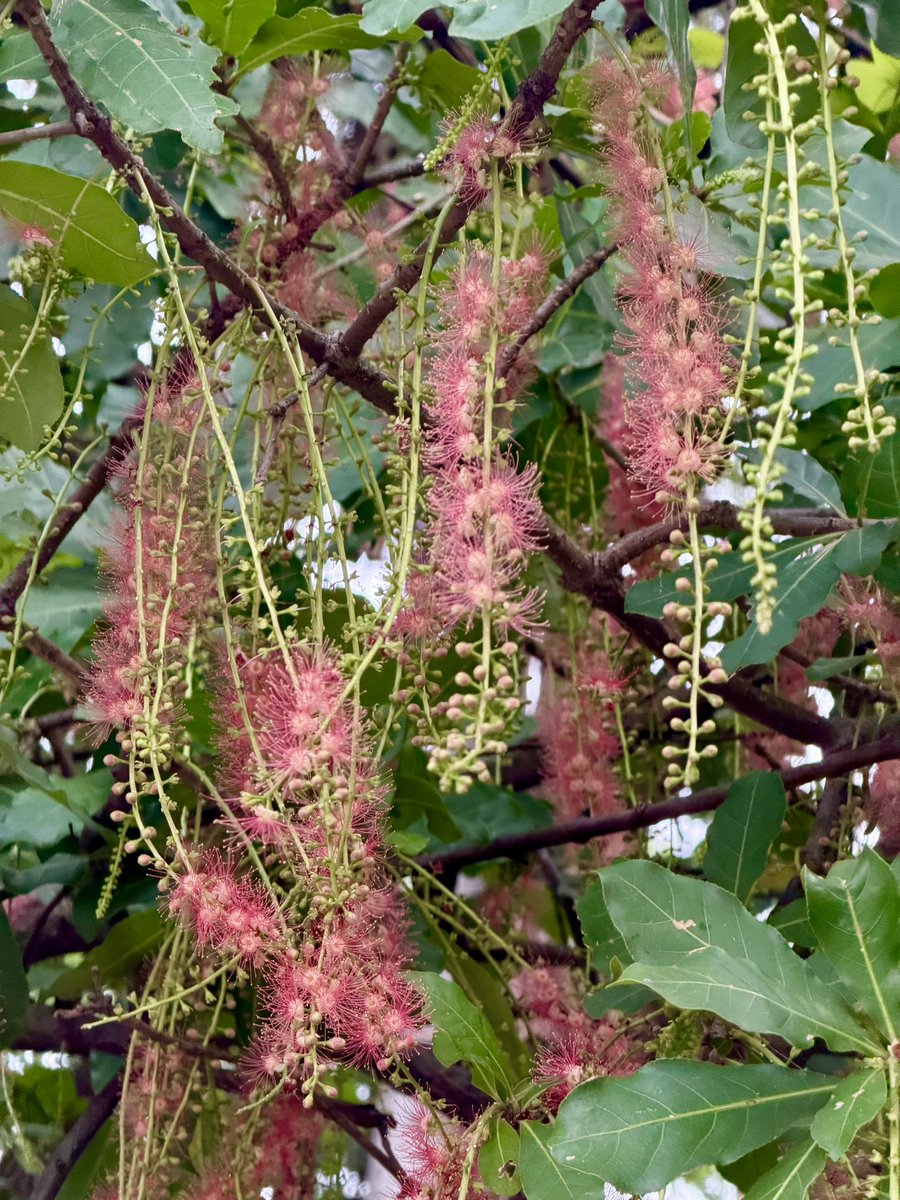
@orijeet@rameshpandeyifs Peltophorum is a super star sir… our nurseries have started focusing on this after the TOFR scheme, gets sold easily and also grows faster than the local species.
From flamingoes in Kutch to elephant conservation in Uttar Pradesh, blackbucks in Chhattisgarh to conservation of the Great Indian Bustard, people across India are doing exceptional work!
#MannKiBaat
Long message, but trust me, it will be worth your time. Here is a remarkable update from Tamil Nadu’s tagged turtles. Early tracking data shows that some have already travelled to the Sri Lanka Dome, a little known ocean region where marine life gathers in extraordinary numbers. What makes this even more astonishing is that turtles migrating from Odisha are also expected to arrive in the same waters. Species from distant coastlines are converging at one natural marine hotspot shaped entirely by the rhythm of the ocean.
The Sri Lanka Dome is created by powerful seasonal ocean processes that bring cool, nutrient-rich waters to the surface. This fuels plankton blooms and attracts turtles, fish, whales, seabirds, and countless other marine species. It is one of the most productive upwelling zones in the world’s oceans, beginning in May, reaching its peak in July, and declining in September. At that time, the turtles move out of the region and begin their return migration once again.
These journeys reveal that turtles do not belong to one shoreline or one state. Their lives depend on a CONNECTED ocean, where feeding grounds, migration corridors, and breeding beaches all matter equally.
Places like the Sri Lanka Dome remain unknown to most people, yet they are among the most important ecosystems in the Indian Ocean, like hidden engines that sustain marine biodiversity.
The message from these turtles is clear. Conservation cannot stop at the beach. It must extend across borders and across seas because wildlife knows no boundaries 🙌🫶
With inputs from Dr Suresh @sureshwii
The upcoming "mega El Niño" could be the strongest since the 1877 event that wiped out 4% of the Earth's population due to heat waves, drought and pestilence.
Scientists watching every weather model update are getting "heart palpitations" ❤️
Launch of “Project Caracal” in the Greater Ranthambhore Landscape
“Project Caracal” was formally launched today in the Greater Ranthambhore landscape for the conservation of the endangered small cat species, the caracal. On this occasion, a workshop on the theme “Conservation of Caracal in Rajasthan” was held by the Wildlife Institute of India–SACON (WII-SACON) in collaboration with Tiger Watch and the Rajasthan Forest Department.
During the workshop, detailed discussions took place on the current status of the caracal, and available scientific data on the species, in particular, its reported distribution, behavior, and habitat . The key objectives, methodology, and timeline of the project were also shared. Experts emphasized that the caracal is an important yet little-known and highly threatened predator of Rajasthan’s arid and semi-arid landscapes, and that its conservation urgently requires coordinated scientific efforts.
Dr. Shomita Mukherjee, Principal Scientist (WII-SACON) is leading the project as Project Investigator. Co- Investigators include Dr. Dharmendra Khandal, Executive Director (Tiger Watch), and Dr. Ayan Sadhu, Scientist (NTCA-WII). The project team was also formally introduced during the workshop.
The chief guest of the program was Dr. G. S. Bhardwaj, Director, Wildlife Institute of India, and the guest of honor was Mr. K. C. A. Arun Prasad, Principal Chief Wildlife Warden, Rajasthan. Field Directors from Ranthambhore, Ramgarh Vishdhari, Mukundra, and Sariska Tiger Reserves, along with the Deputy Conservators/Deputy Directors from all tiger reserves, members of the State Wildlife Board, and other stakeholders were also present on the occasion.
The workshop concluded with a consensus that scientific research, field monitoring, community participation, and institutional coordination are essential for caracal conservation in the state. Through “Project Caracal,” a critical step has been taken towards a structured and long-term initiative for the conservation of this rare species in the Greater Ranthambhore landscape.
@orijeet Pushkar, Ajmer is famous for these sir, farmers grow them in large numbers. Ghoommar MFPC, with whom we had tied for sitaphal activity also has a ‘jamun shot’ in their menu. Very recently came across liquor in jamun flavour, haven’t tased them though. Jamun honey is also famous
Sharing an incredibly fascinating secret about one of the most ancient travellers on our planet, the turtles ! Every little olive ridley baby turtle carries a survival kit, a tiny yolk sac attached to its belly which nourishes the developing hatchling inside the egg. When the baby turtle finally pips out using its temporary tooth, called the caruncle, a small part of this yolk sac is still visible which is a precious reserve. Then begins one of nature’s most fascinating journeys. With no parents around, hatchlings rely entirely on this stored energy to crawl across the beach, enter the sea, and swim relentlessly to safer zones. That tiny sac is a precious gift of life from its mother. Yet the two never meet not even once as the mother leaves after laying the eggs.
#OliveRidley #turtleconservation video @supriyasahuias #wildlifesecrets
"We can see the Moon out of the docking hatch right now. It's a beautiful sight."
Flight day 3 is in the books, and our @NASAArtemis II crew is now closer to the Moon than to Earth. Check out highlights from our lunar mission. What’s been your favorite moment so far?