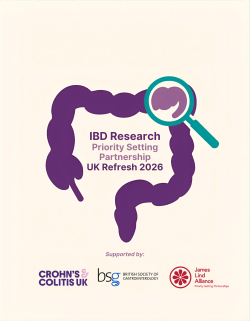
📢 Call for Expressions of Interest: UK IBD Priority Setting Partnership (PSP) Steering Group!
The PSP will undertake a national refresh to identify the top 10 research priorities in #IBD.
Join the multidisciplinary steering group by 31 March: https://t.co/a8zji0J4my
Join us as we review & discuss important insights, latest advances, & key highlights from ECCO 2026 @Y_ECCO_IBD
TUES MARCH 31
6pm Spain/Norway CET
1pm US ET
10:30 pm India
Let your IBD colleagues know! See you soon YOGIs
🗓️https://t.co/wWqdlL0nvU
Zoom: https://t.co/ttRRnaG2c3
Help Shape the Future of Crohn’s and Colitis Research in the UK 🔬
We’re pleased to share an exciting national initiative from Crohn’s & Colitis UK and the British Society of Gastroenterology (BSG).
Applications are now open to join the 2026 UK IBD Priority Setting Partnership Steering Group.
This project will identify the Top 10 research priorities for inflammatory bowel disease (IBD) in the UK, helping guide future research funding and national strategy.
We encourage people living with Crohn’s disease or ulcerative colitis, carers, and healthcare professionals to consider applying.
Healthcare professionals may include:
• Gastroenterologists
• IBD surgeons
• Dietitians
• IBD specialist nurses
• And other professionals involved in IBD care
No previous research experience is required.
Your experience and perspectives are vital in helping ensure research focuses on what matters most to people affected by IBD.
Steering group members will take part in a small number of online meetings and help review and prioritise research questions.
📅 Application deadline: 30th April 2026
🔗 Apply here: 👇🏻
https://t.co/sLFkMumi6Q
The UK IBD Priority Setting Partnership
Please consider applying or sharing with someone who may be interested.
#IBD #Crohns #Colitis #CrohnsAndColitisUK #BSG #PatientVoice #MedicalResearch
@MondayNightIBD 1/ 💎ASUC
✅ If pt meets Truelove & Witts ASUC criteria → admit + treat urgently.
✅ ASUC=Life-threatening medical (+potentially surgical) emergency
✅ Initial presentation in up to 10-15% of UC; occur in 15% during the course of the disease
#IBD#ASUC
There is an urgent need to improve standards of IBD Surveillance colonoscopy in the U.K. to reduce PCCRC rates which are as high as 25%. I covered some of the basics to improve dysplasia detection in my talk at Endobridge 2026. This👇👇is important.
Excited to share our work on the Safety and Outcomes of Advanced IBD Therapies in Patients with HIV, recently published in @IBDJournals
Grateful to @IBD_GorenMD@Avleen1993 for their constant mentorship and support.
https://t.co/YfDpZcb3hi
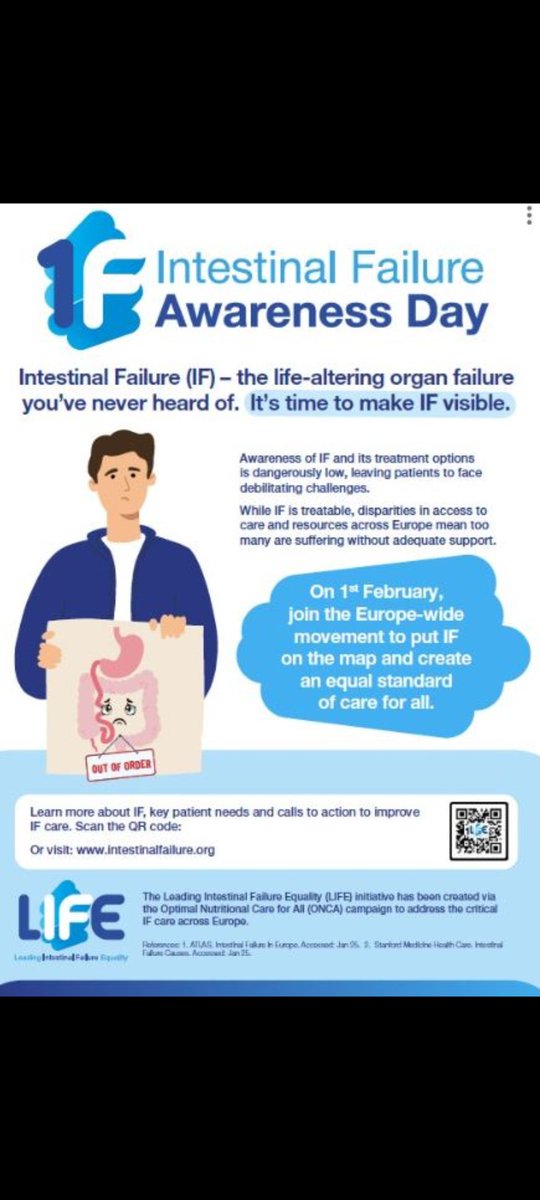
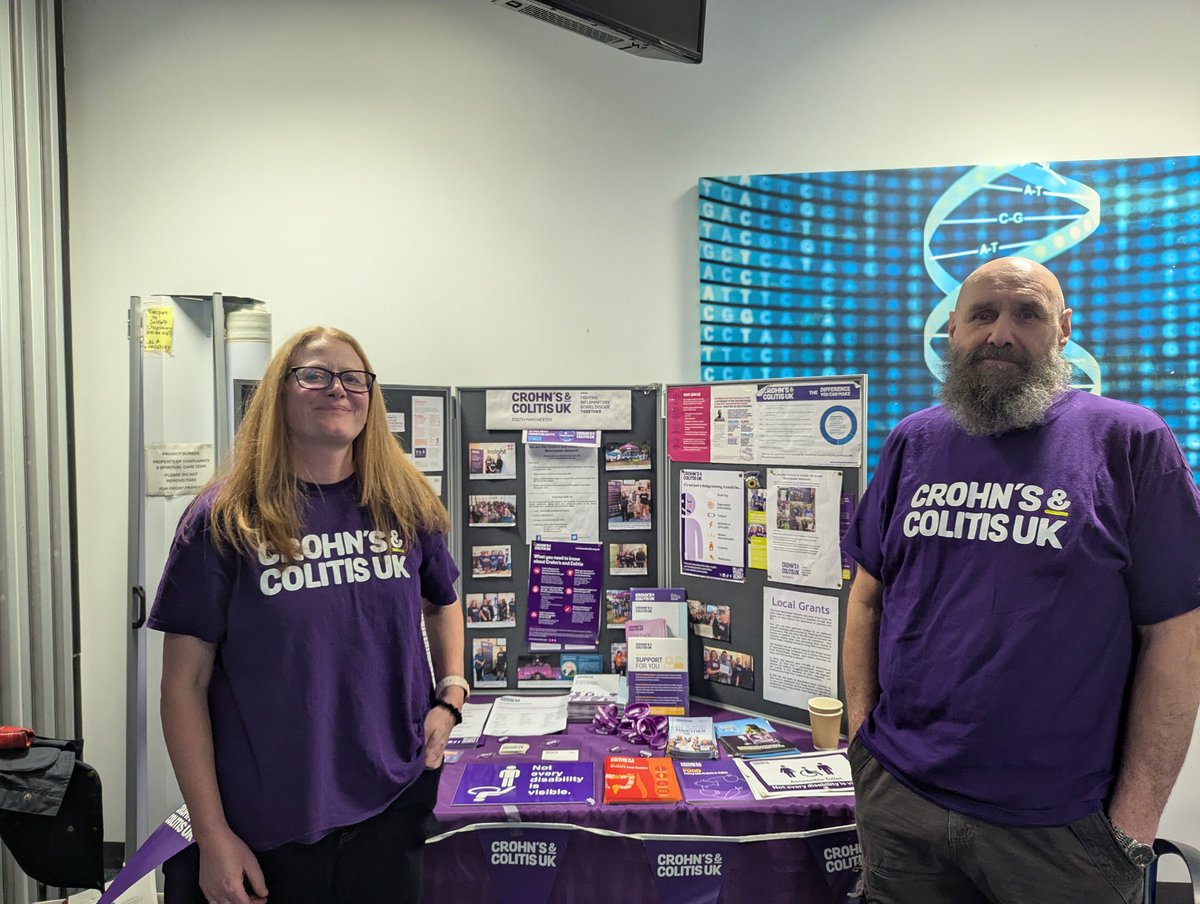
Great day at Salford Royal's 2nd Intestinal Failure Awareness Day. Thank you again to @crohnsandcolitisuk for helping promote CCUK and The Salford IBD team. @catcawley10 well done again, see you next year 👏
#1F#IBD#ccuk
Great day again at Salford Royal's 2nd Intestinal Awareness Day. Thank you again to @crohnsandcolitisuk for helping promote CCUK and The Salford IBD team. See you next year 👏
#1F#IBD#ccuk
@SalfordCO_NHS
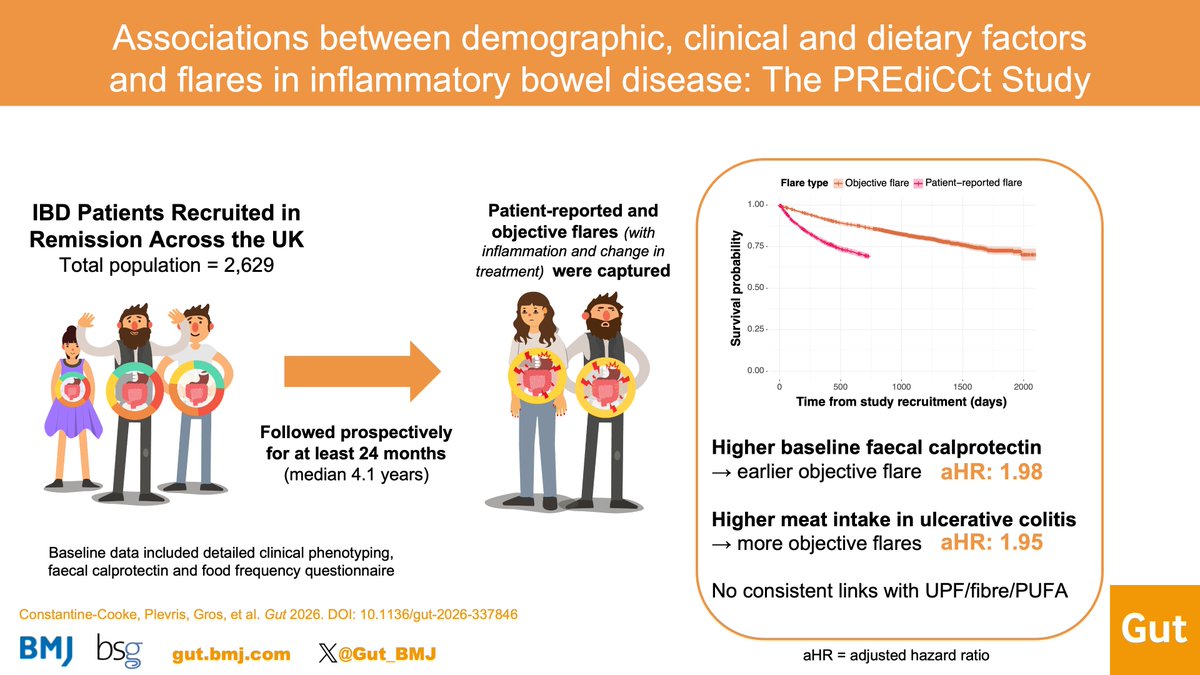
What can studying 2,629 #IBD patients in remission over 10 years reveal about predicting flares in Crohn's and UC?
In tomorrow's podcast episode, we chat with @IBDNathan about the first PREdiCCT study results and what they mean for patients.
Search "Wrestling the Octopus IBD".
What really defines an IBD flare?
In the PREdiCCt study - published today in Gut - we explored the crucial disconnect between how a patient feels and what their biology says.
Nik Plevris, consultant gastroenterologist at the Edinburgh IBD unit, dives into our findings on patient-reported flares compared to objective flares.
We followed over 2,500 people for up to four years. The signal from baseline faecal calprotectin was undeniable across both Crohn's disease and UC. Even at levels currently considered a safe target, the risk of a future objective flare was significantly higher.
This data suggests we need to be more stringent with our monitoring targets to truly keep people in deep remission.
Watch the video to see how these different flare definitions impact our understanding of the disease.
One of the most common questions in any IBD clinic is: What should I eat?
Beatriz Gros, consultant gastroenterologist and researcher, shares the landmark dietary results from the PREdiCCt study, now published in Gut.
We studied the habitual diets of over 1,000 patients in remission for up to four years to find clear answers. While we found no consistent signals from fiber or ultra-processed foods, we identified a significant association between meat intake and flare risk in ulcerative colitis.
This research provides a much-needed evidence base to help clinicians and patients make informed choices about diet and long-term disease management.
Watch the video to learn more about how diet influences IBD flare risk.
Did you know we have specialist videos for people with an internal pouch? Our online library includes recordings from the Internal Pouch Information Day, covering surgery, mental health, medication, and diet.
Watch now:
https://t.co/G1uODZNvt8
Why do people with Crohn's and Colitis flare?
This is the fundamental question we set out to answer when we started the PREdiCCt study in 2016.
On Tuesday, the first major results will be published in @Gut_BMJ
We wanted to look beyond just the clinical data. We focused on the environment: diet, lifestyle, exercise, sleep, and stress. By combining these factors with the microbiome and genetics, we aimed to understand the true drivers of disease activity over time.
This has been a decade in the making.
We recruited 2,629 patients across 49 adult and pediatric sites before the pandemic halted recruitment in March 2020. Since then, our team has been busy assimilating years of follow up data. Most participants have now been followed for over four years.
In this video, I talk through the background and design of the study. It represents a massive collective effort from clinical trials units, statisticians, and project managers.
Most importantly, it represents the dedication of the people living with IBD who gave their time to this research. Our goal is to provide the evidence needed to help patients stay in deep remission and to help clinical teams provide better, more personalized care.
I look forward to sharing the findings with you this week.
@EdinUni_IGC@EdinburghUni@NHS_Lothian@IBDNathan@predicct@Bealoquebea @PlevrisN @UKRI_News
Predict • Personalise • Prevent
Edinburgh IBD Research Group: 2025 review, 2026 vision, SENTINEL launch, and the people behind it.
https://t.co/H7Z6icNd51