In our case, we do the same for the laws across 4 axes: paternalism, opacity, enforcement discretion (how much leeway does the law provide), and salience.
We analyzed the 2.2 million laws and some interesting patterns emerged.
@cceichhorn1 i like jason crawford's spin on this , which is that progress is the replacement of one set of problems with a better set of problems (which is different than the elimination of problems)
This has quietly been a miracle month in medicine.
In the last 5 weeks we’ve got news on:
- retatrutide, the triple agonist GLP-1 from Lilly, basically melting fat and body-wide inflammation at record levels
- RevMed’s new pancreatic cancer drug showing unprecedented abilities to extend life
- small trial of a one-and-done PCSK9 gene editing therapy for slashing LDL cholesterol
- Mayo’s AI-assisted radiology showing vastly improved cancer detection
- this new therapy for metastatic solid tumors
This stuff is at varying levels of evidence. Retatrutide is ~100% on its way, other stuff needs more clinical trial data. But put it together and we’re maybe on the verge of majorly reducing the mortality of heart disease and cancer, the two leading causes of death in America.
This World #History Timeline shows the main superpowers and dynasties over the last 5000 years. Gorgeous piece of work. These type of charts really help to understand who ruled at the same time on the other side of the globe. Love it! Source: https://t.co/d0WbwrEVkF
despite what your local politicians tell you, the path to higher income for large populations is the services sector, not manufacturing.
v useful dataviz on the long term labor market
This was shocking to me. Lighting has gone from the largest residential use of electricity to the sixth-largest in my lifetime. Clothes dryers alone now use more aggregate electricity than lighting in people's homes.
How long do you have to work to afford basic commodities?
@HumanProgress's Simon Abundance Index has tracked "time prices" for 50 resources since 1980. Every single one has gotten cheaper!
Full report: https://t.co/ku1GiVrv2r
We're running an essay contest on Tocqueville and technology.
Write 500 words on one of two prompts and the winners will join us in June for a weekend of salons at Tocqueville's Normandy chateau, where he wrote Democracy in America.
Details below👇
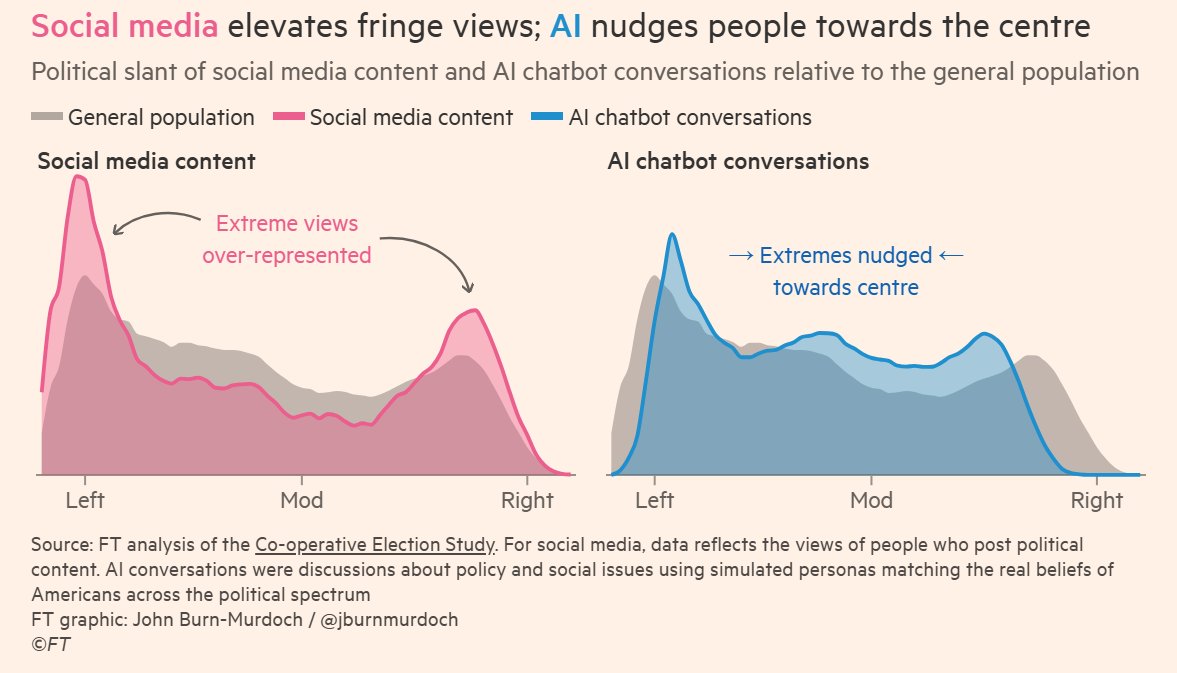
While social media is polarising, evidence suggests AI may nudge people towards the centre.
This holds true of all studied models. Grok is more right-leaning than other models, but also has depolarising effects.
By @jburnmurdoch.
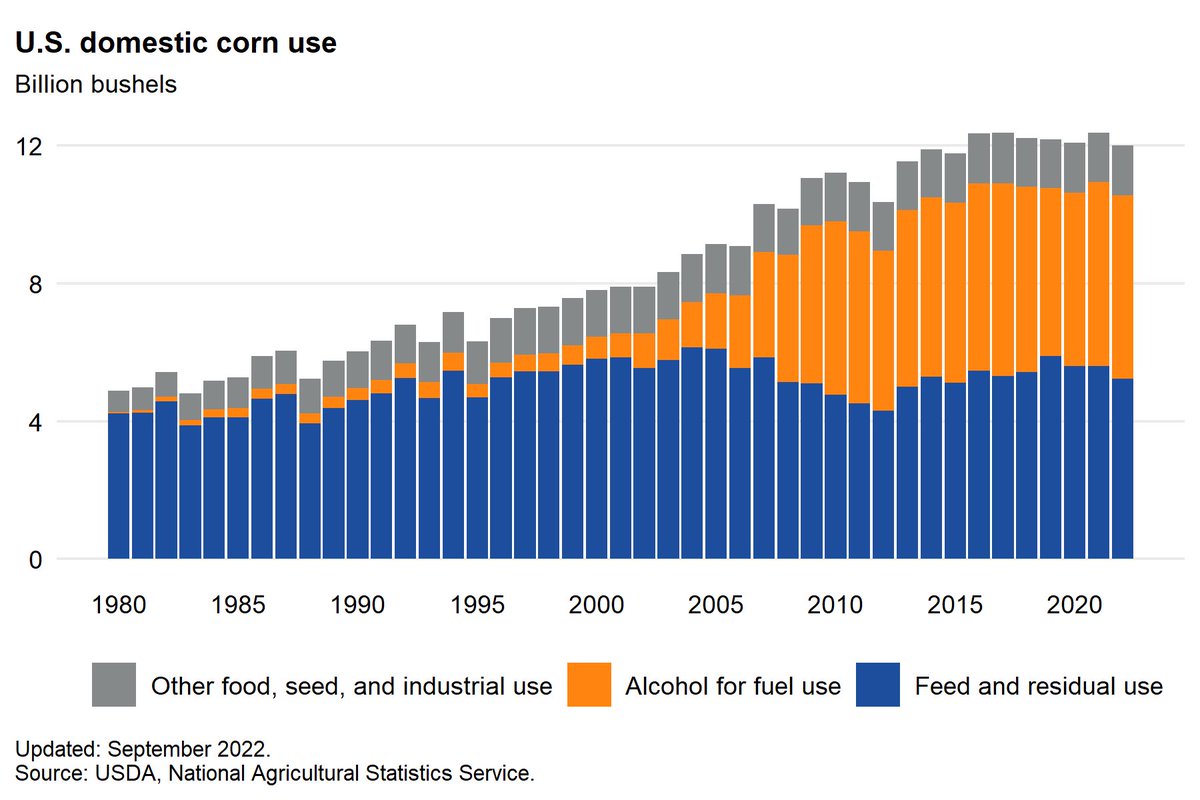
Effectively all growth in corn production over the last 20 years is for ethanol.
~20 million acres of conservation land, grassland, and soybean rotation was turned into corn monoculture that effectively strip mines the topsoil.
Meanwhile it’s the most fertilizer dependent crop with only a 40% uptake rate. So ~1.7 million tons of nitrogen runoff flows into the Mississippi basin annually while also polluting their own water supplies. This runoff ends up expanding the Gulf deadzone, which is also where 40% of domestic seafood comes from.
It’s hard to find a worse way to create fuel, with a wicked level of waste and downstream consequences.
I stumbled across this interesting bit of demographic trivia that makes perfect sense: 30 million more Muslims live on the small (but densely populated) island of Java than in the whole Arabian Peninsula combined. Deserts clearly aren't too popular settlement destinations. Source: https://t.co/CFvhDplXxn
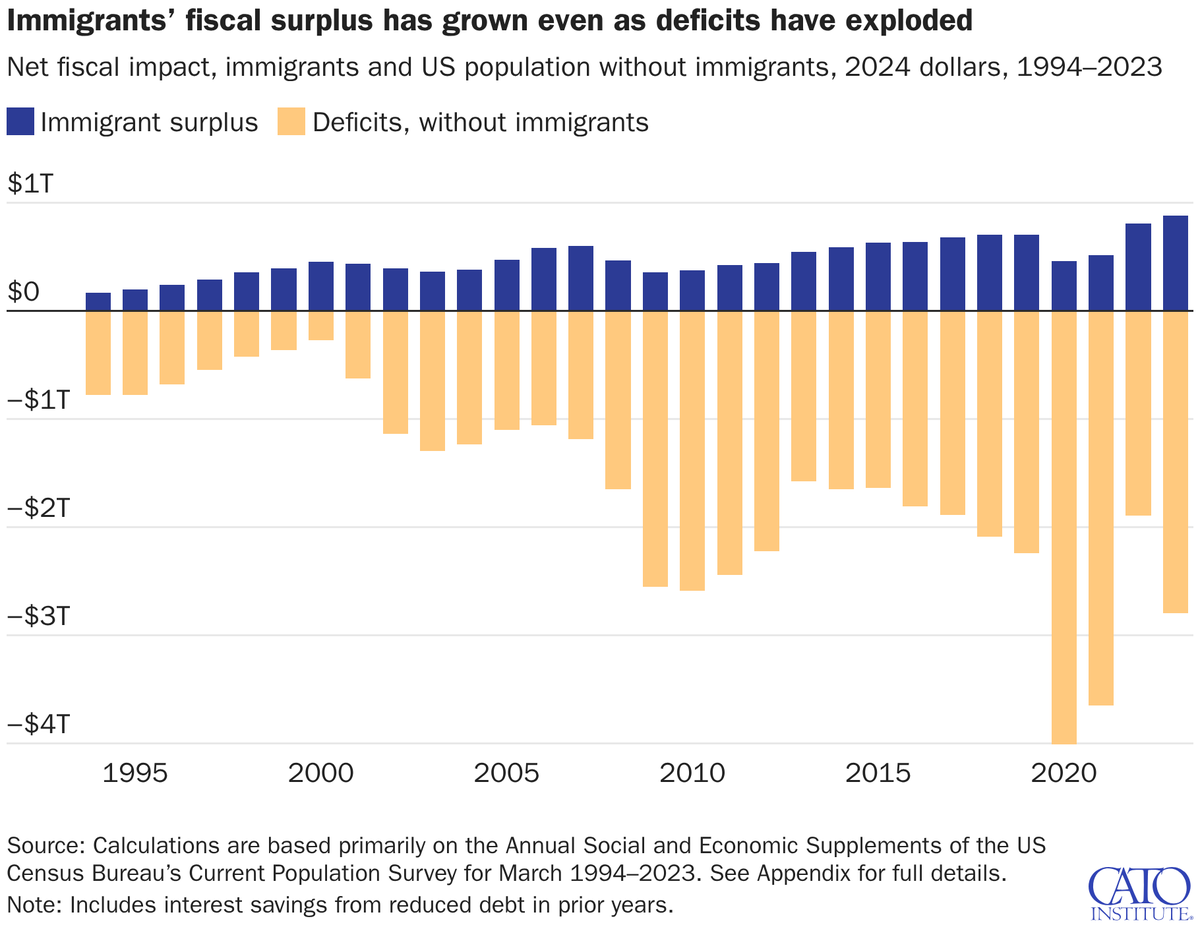
Today @CatoInstitute published our report providing the first look at the fiscal effects of the wave of legal & illegal immigration over the last 3 decades. It shows immigrants created surpluses every year, by a combined $14.5 trillion, even as deficits grew
A heck of a chart: in every single one of the 10 major US cities that built the most housing between 2017 and 2023, rents for older, existing units fell—often by quite a bit.
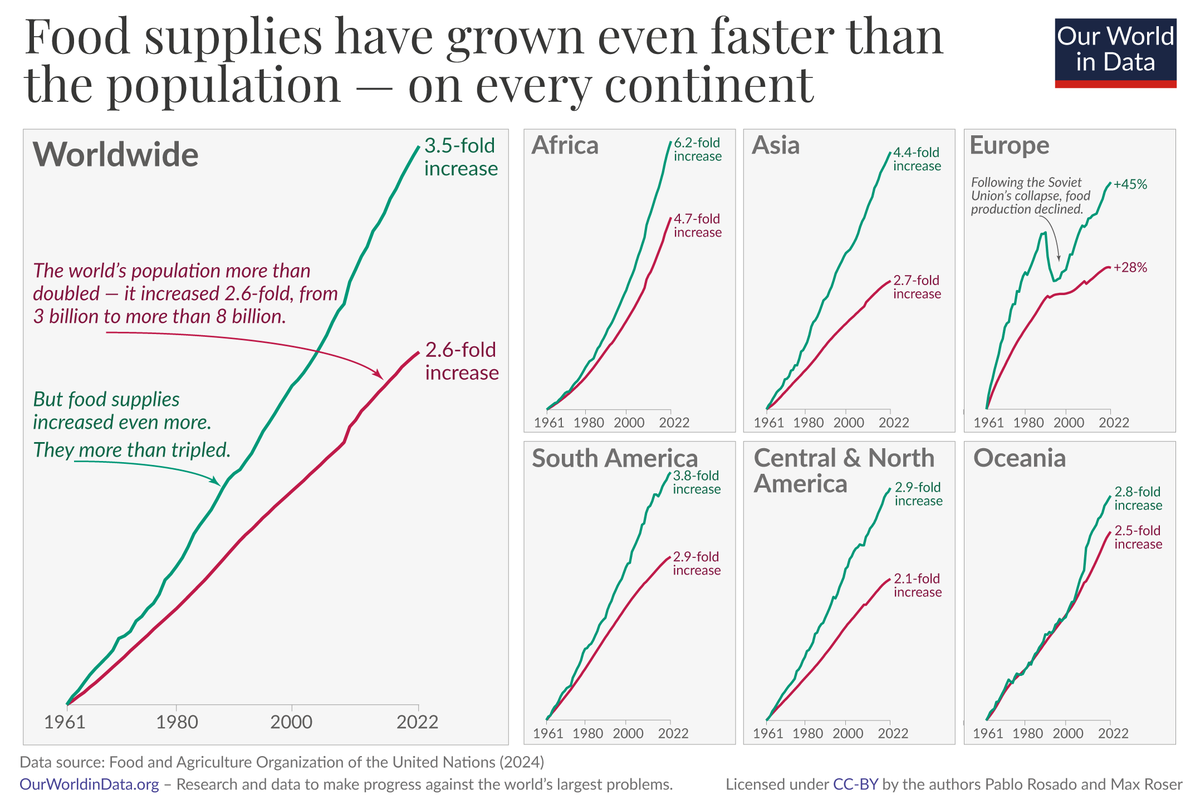
This chart documents one of humanity’s greatest achievements, in my view.
We just lived through the fastest population growth in history.
It would have been impressive if food supplies had merely kept pace — but on every continent, they grew even faster than the population.
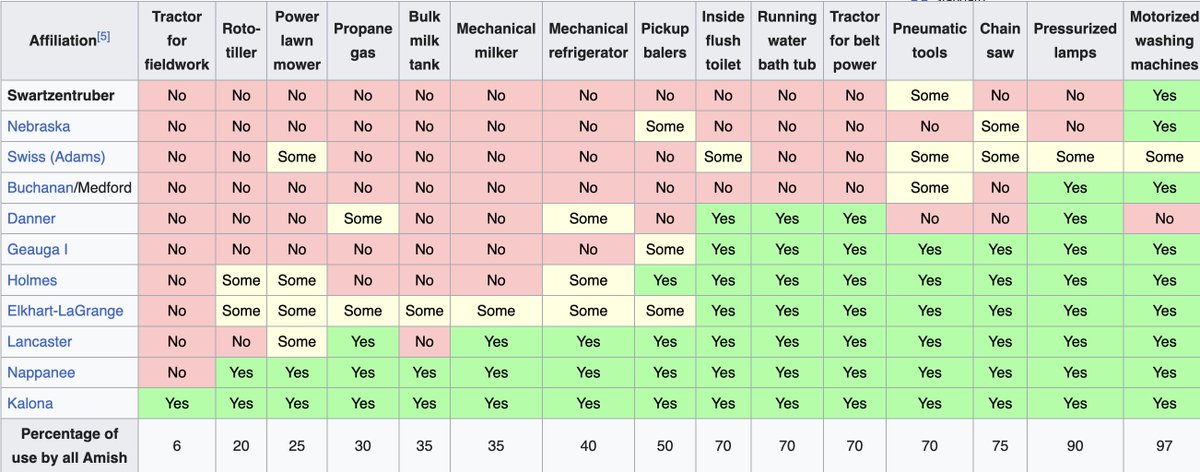
Almost all Amish, even the highly conservative Swartzentruber Amish, use washing machines (see the last column on the chart), so laborious is it to maintain the lifestyle of cleaning clothes by hand in comparison