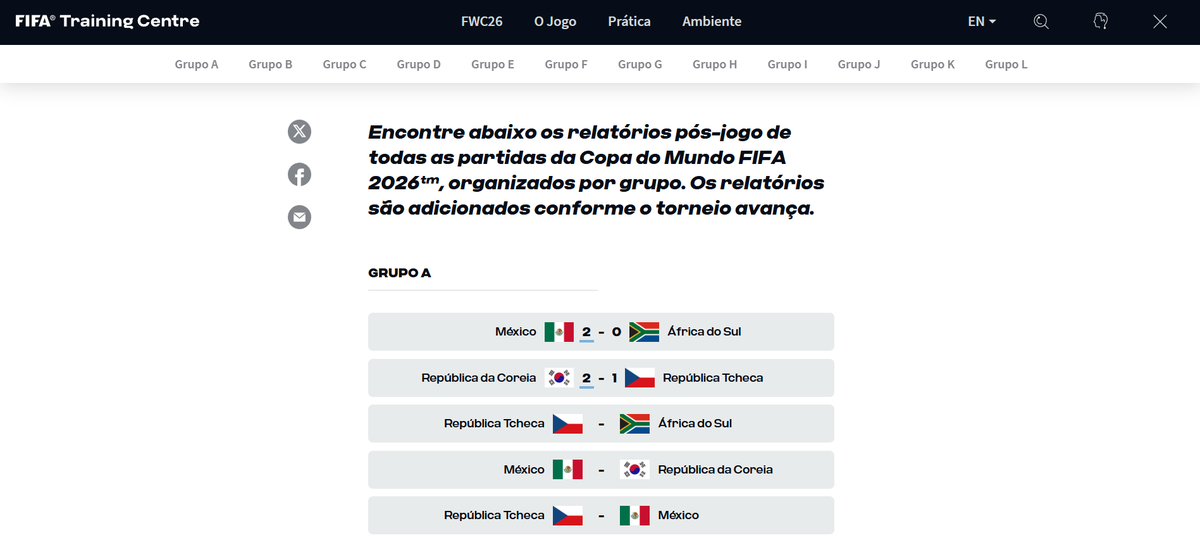
UTILIDADE PÚBLICA: para quem gosta de dados, estatísticas, e números, ou apenas gosta de Futebol, a FIFA está disponibilizando dados físicos e técnicos de todos os jogos da Copa do Mundo.
link: https://t.co/raLLKYzDsK
WORLD RECORD 😱
A few days after Yared Nuguse ran 3:46.63 for an indoor mile world record at Millrose, Jakob Ingebrigtsen beats the mark by over a second, running 3:45.14 in Lievin.
#WorldIndoorTour
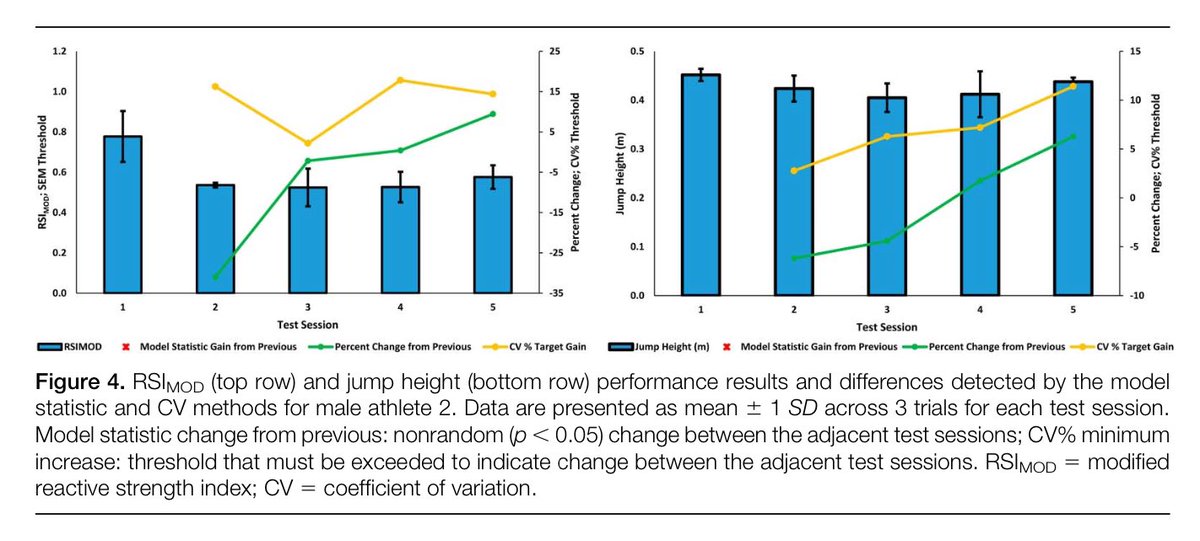
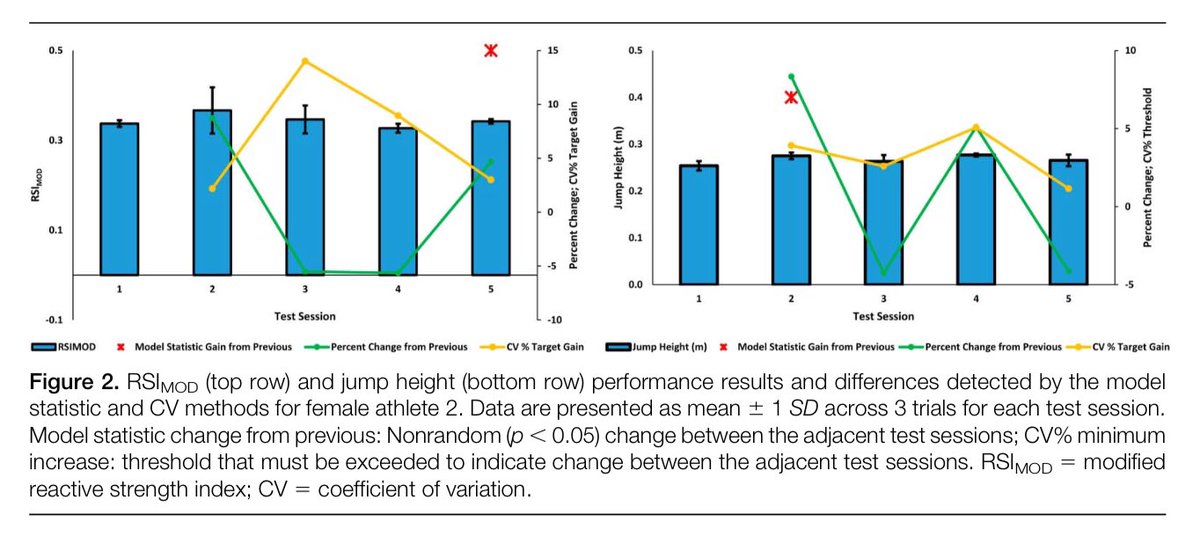
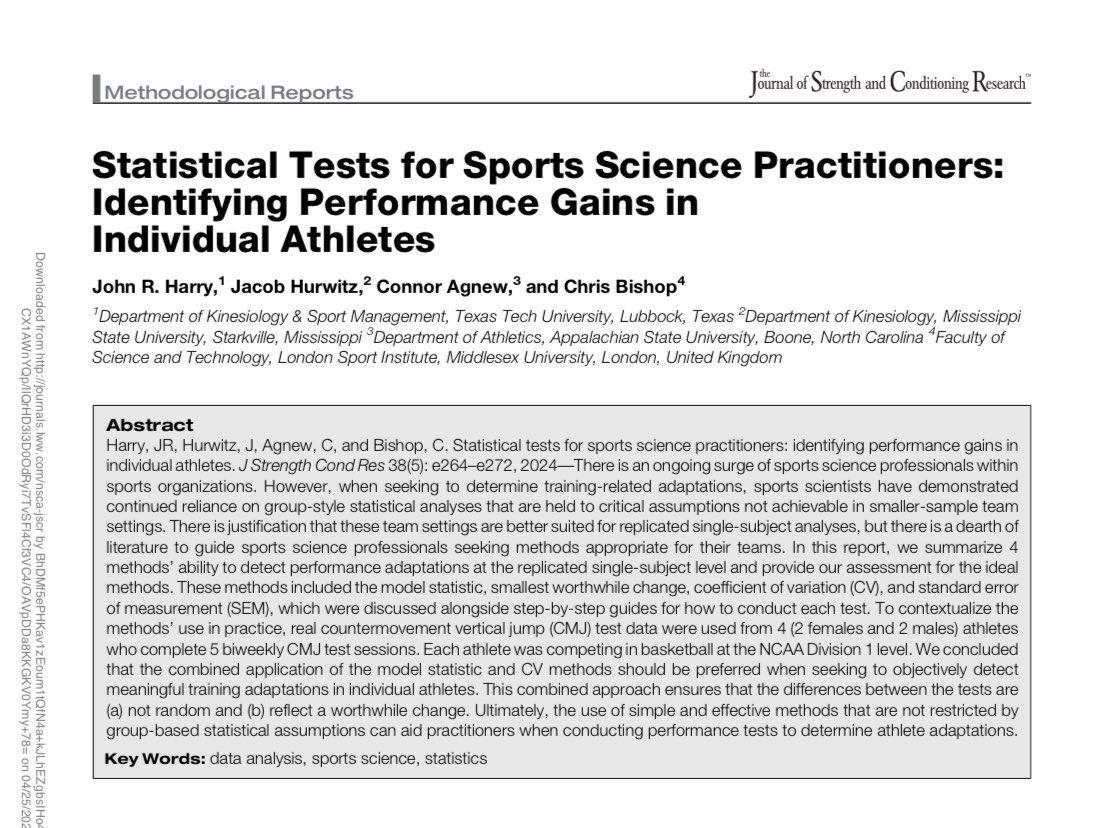
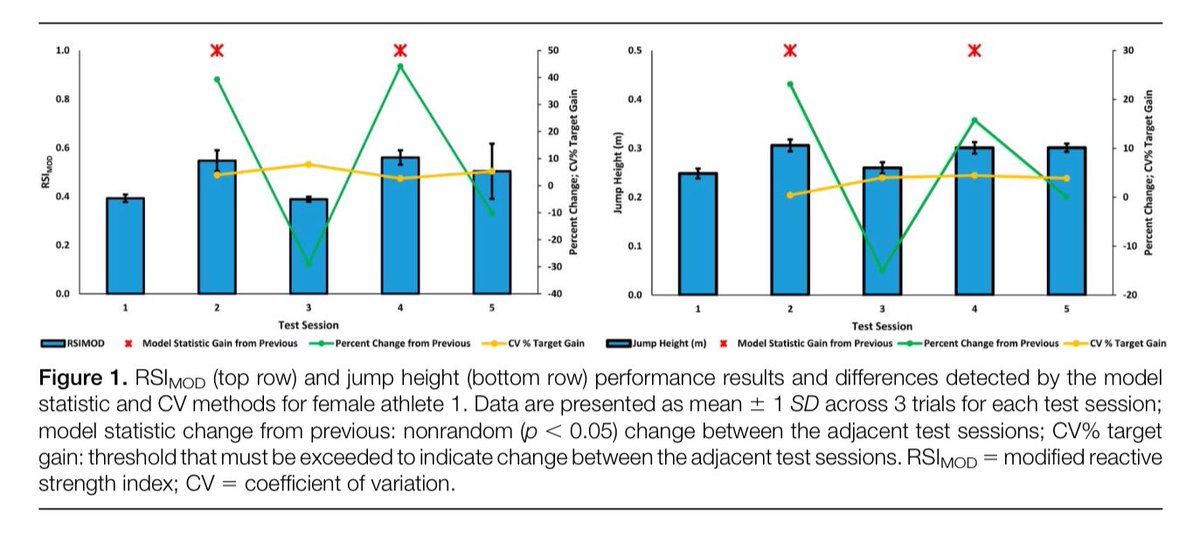
📄 Great to see our stats paper out now in the May issue of @JSCRonline.
👏 Major props to @johnharry76 for leading the charge on this one.
🔗 https://t.co/Zcq5nEXFMA.
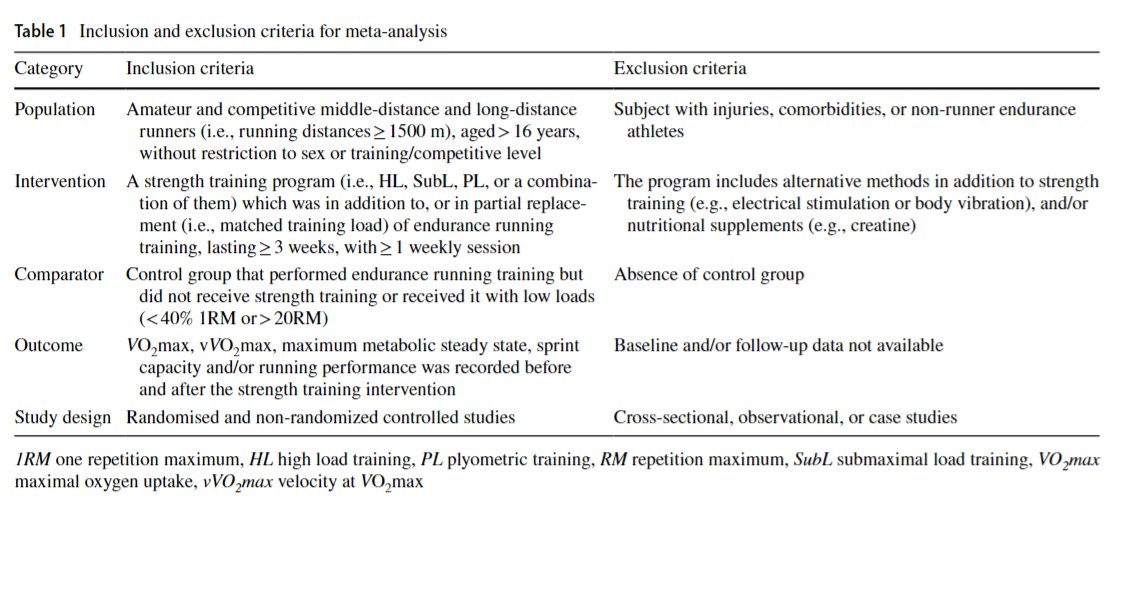
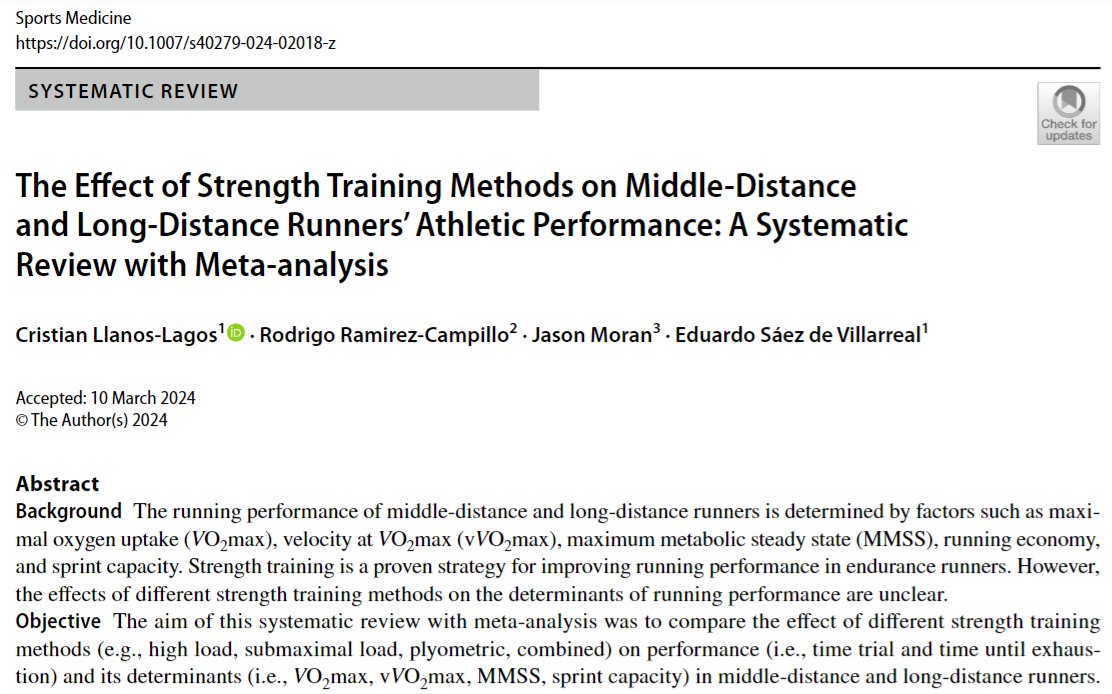
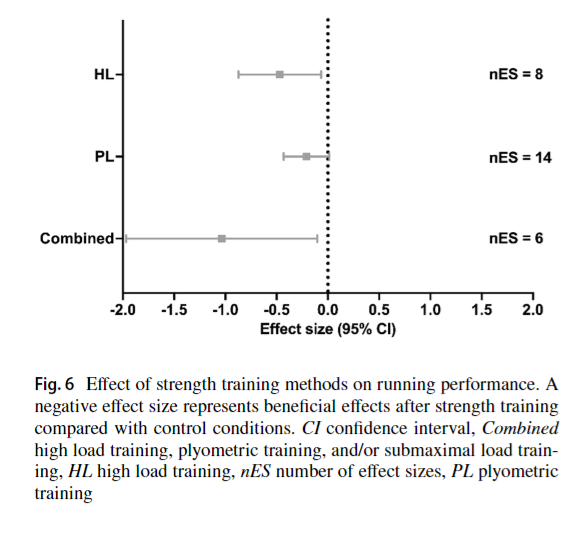
What type of strength training best impacts middle or long distance running performance?
New meta-analysis: The Effects of Strength Training Methods on Middle and Long Distance Running Performance
📈38 included studies; 900 middle or long distance runners
💪Strength training interventions included:
1⃣High load (>80% 1RM)
2⃣Sub max load (40-80% 1RM)
3⃣Plyometric
4⃣Combined methods (2 or more methods)
Strength training w/ high load can improve time trial an time-to-exhaustion performance
Combined methods (Strength training & plyometrics) had an increased performance improvement effect compared to one method alone (strength training only).
Plyometrics illicited no improvement in running peroformance when used in isolation (IE without concurrent strength training). But this finding is in contrast to some previous studies.
Article is Open Access
How can we prevent hamstring injuries? How should we design the training sessions? What should we monitor? In this video, Efthymios Kyprianou presents his views and research on hamstring injury prevention in soccer. Find out more here 👉 https://t.co/2k71bMebVw #hamstring
"The Primer"
Gameday lifting for enhanced performance
Getting an edge on gameday is what every team and athlete aims to achieve and the gameday primer can be a powerful addition to a sports performance program to help achieve this.
Programming principles:
Participating athletes should have high-level training age and be highly technically proficient in the chosen exercise modalities.
Stronger athletes may respond more potently to priming activities.
Consider a strong psychological component. Allow self-determination. The athlete should be involved in the selection of the priming activities. Choose the training types or the training focus, not the specific exercises.
Priming activities should be high intensity. Intensity can be driven with exercises with high force requirements (strength exercises) or high rate of force development requirements (ballistic power/speed exercises).
Priming work should be conducted with a high intensity of effort. Measurement and feedback methods such as velocity-monitoring in strength training or jump height & contact time monitoring in plyometric work can help increase intent of effort.
Priming work should take place at approx. 5-6 hours before the game. This is likely the most potent stimulus. However, priming sessions conducted 24-32 hours before the game can also have beneficial effects.
Priming sessions should be low volume and low metabolic fatigue kept to a minimum. Use long rest periods. If in doubt, use lower volume than planned.
Example sessions based on approach (aggressive vs conservative) and available equipment/facility 👇👇
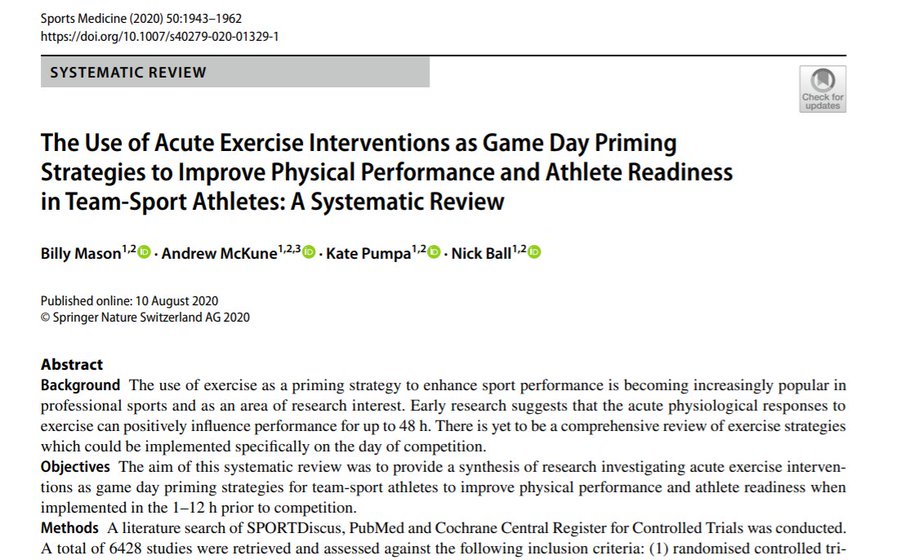
Solid review review from @brjmason here:
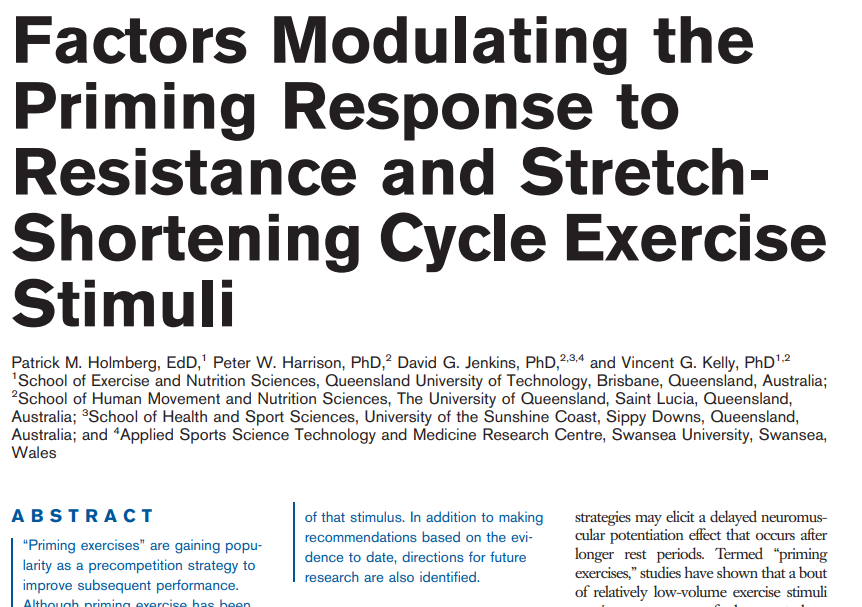
Excellent, really readable review from @PeterHarrisonAU and @DocHolmberg12 here:
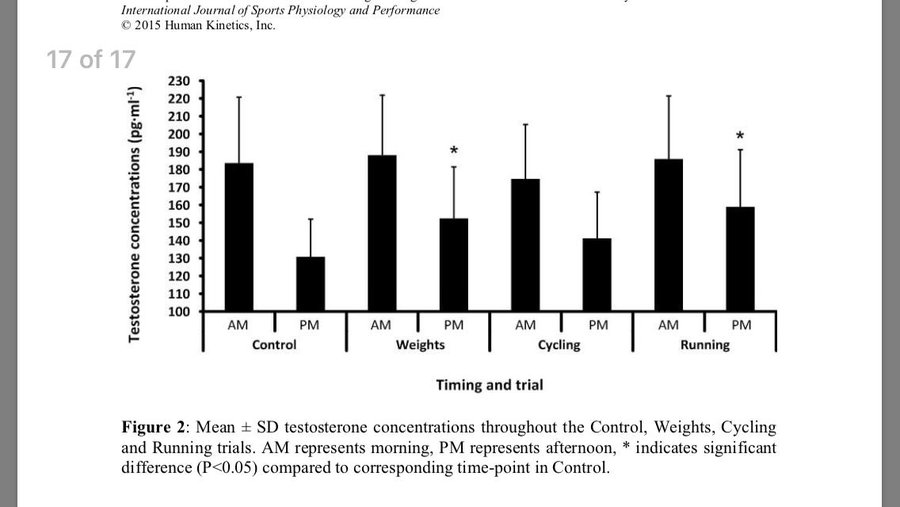
Great work from @DrMarkRu55ell and an all star cast showing beneficial non-specific effects of varied morning priming exercise types on afternoon performance.
Team sport physical preparation tension:
"Everything must be specific to the game."
You are correct on the importance of technical and tactical elements, and this drives about 90% of the training week.
But what is the risk with a sport-specific training ONLY approach?
I like to think of performance along a continuum:
-Let it happen
-Making it
-Forcing it
-Losing it
Best performance occurs when we get out of our way, trust our skills and let it happen. Sometimes, in the clutch we have to make it happen.
If we force it, it backfires.
Meta-analysis: Heavy resistance training🏋️♀️, especially with nearly maximal load (≥ 90% of 1RM or ≤ 4RM), may be superior to plyometric training in improving running 🏃♀️ economy and running time trial performance: https://t.co/MfDmPgfYM2
A few sports science tips that may be helpful:
- Use simple metrics
- Communicate consistently
- Be aware of your assumptions
- Understand contextual nuance affecting data interpretation
- Aim to foster meaningful conversation on relevant information, not to influence decisions
LIFTING IN-SEASON
We have 3 main objectives with our lifting program for our in-season players:
1) Reduce incidence of injury with a holistic training plan
2) Continue to develop strength —> better outputs in power/speed blocks
3) Support acceleration development
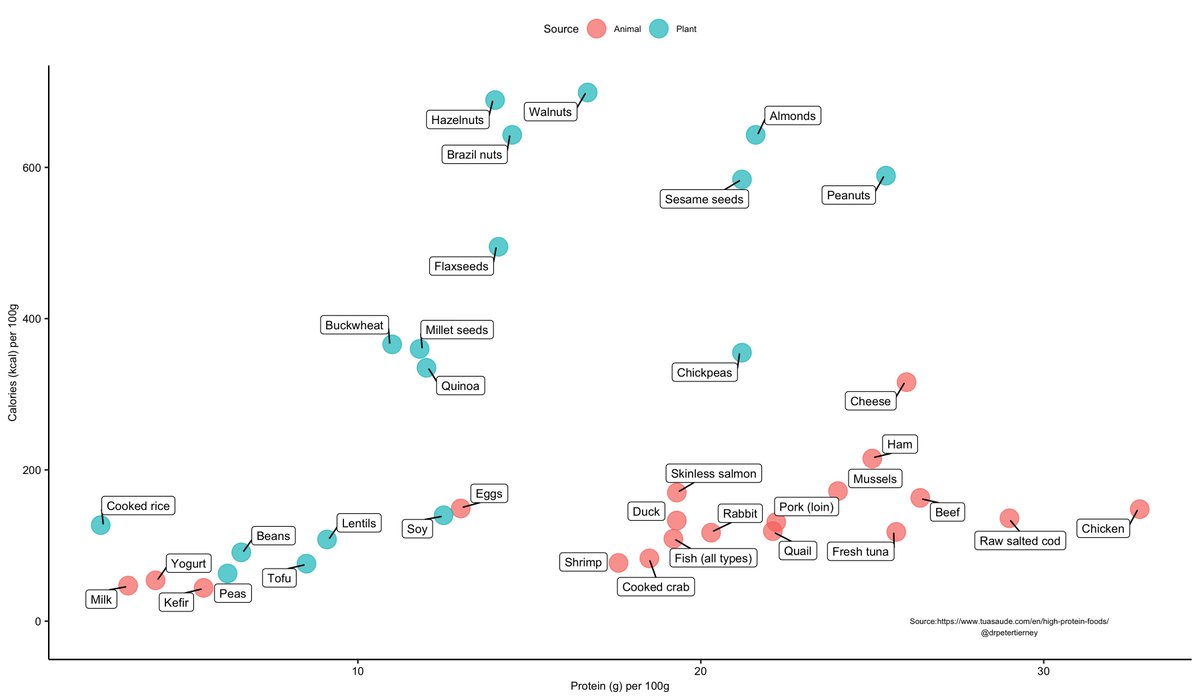
Food sources of protein.
Protein (grams) per 100g & Calories (kcal) per 100g.
I've colour-coded the source (either animal or plant)
Might be useful resource to see this visually.