Exciting News! My thesis work on targeting #FGFRs in #cholangiocarcinoma has been published. Our study highlights phospho-FGFR as biomarker for targeted therapies and also the potential of dual RTK inhibition.
#PhDComplete@Cancers_MDPI https://t.co/L4n0dpr7Yv
Very excited to share our recent findings on stem cell dynamics in chronic inflammation! We used a combination of bioinformatics, mathematical modelling, and organoids to explore how stem cells adapt and respond in inflammation.
https://t.co/ikkbGEmemL
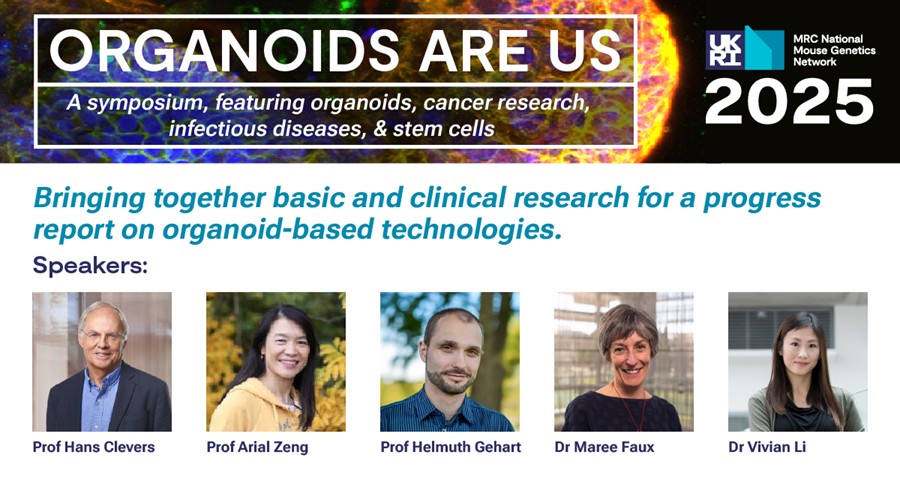
There are only a few days left to submit your abstract for a chance to present your research to an international audience at Organoids Are Us 2025.
📆23 - 26 September 2025
📍Glasgow, Scotland
Find out more about the invited speakers and program here: https://t.co/rS1T1kMnFB
Using patient-derived #ColorectalCancer (CRC) organoids and functional assays, researchers investigated the role of stromal-secreted Wnt5a.
Wnt5a suppresses CRC progression via TGF-β/NOTUM/OLFM4 axis in patient-derived #organoids.
👉 https://t.co/regP6wwpIF
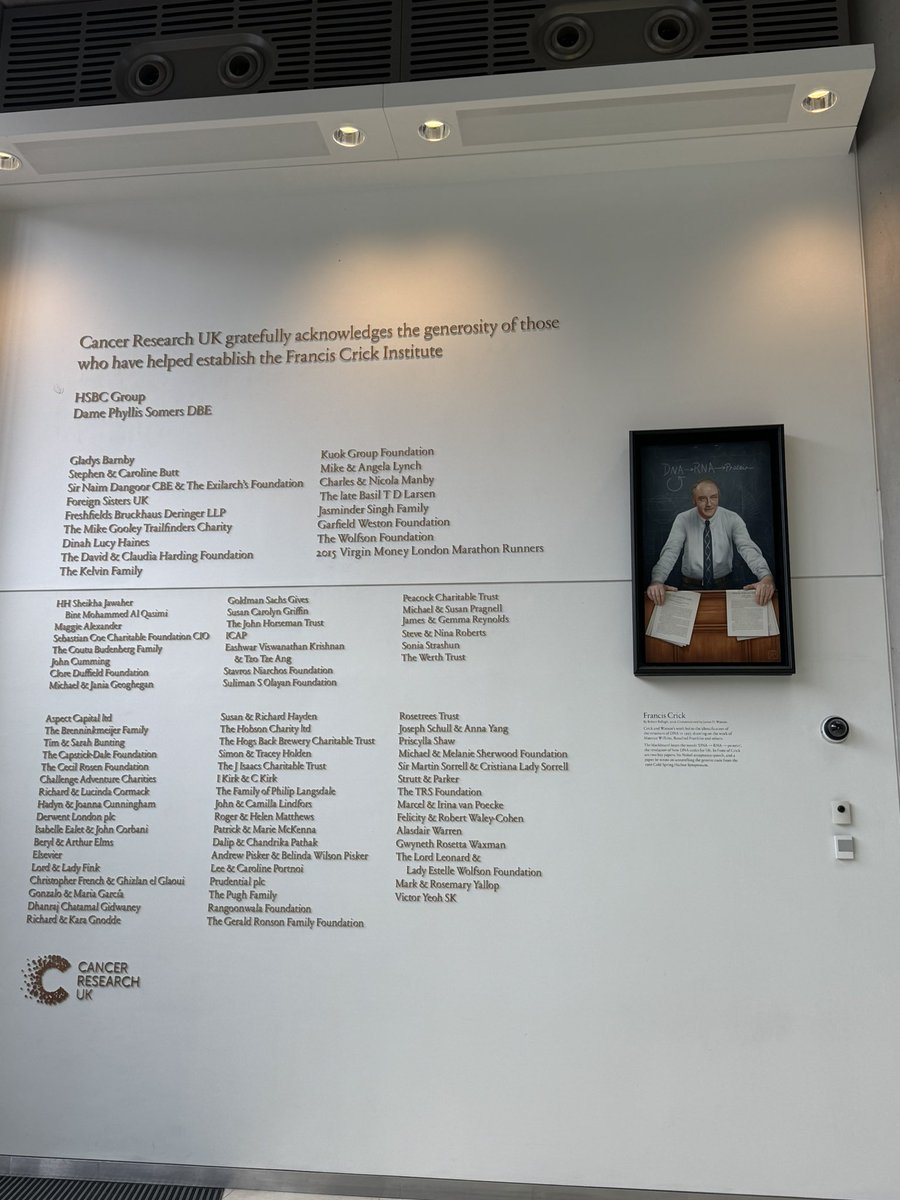
Had the pleasure of attending the London Gastrointestinal Organoid Network (LION) at the Francis Crick Institute 🦁🧬 Grateful to be part of a vibrant community pushing the frontiers of organoid research! A fantastic day science and gut instincts! #LION#Organoids
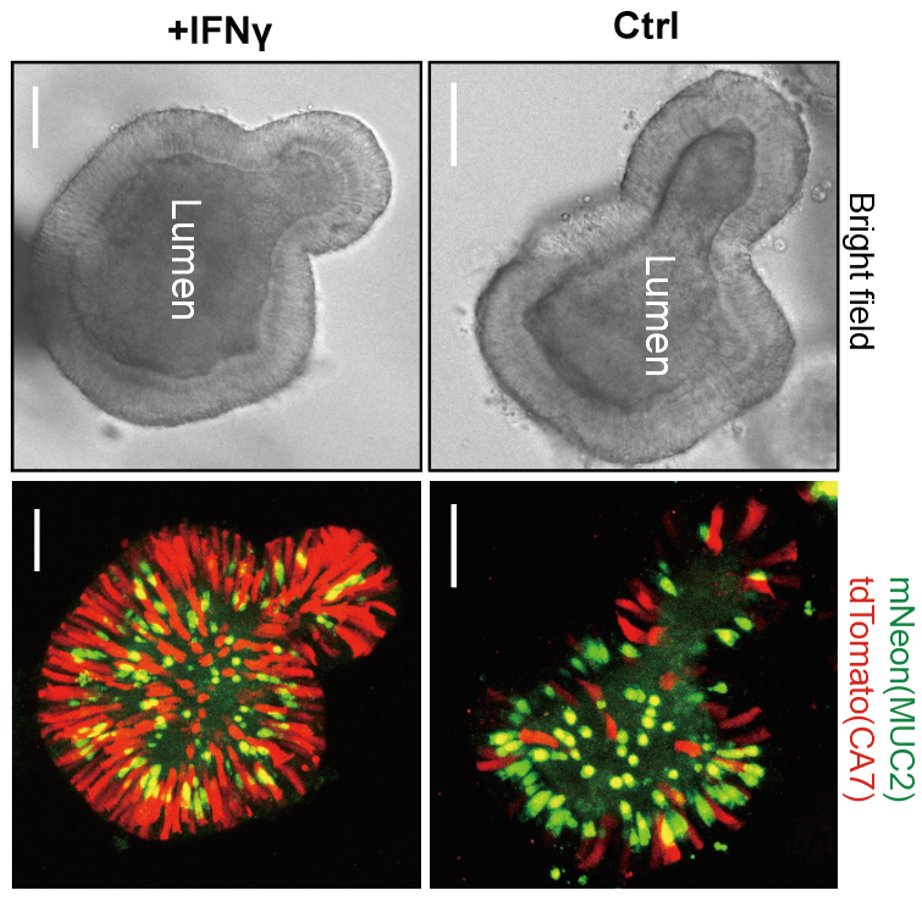
Daisong Wang et al report that BEST4/CA7+ gut cells regulate electrolyte and water balance in response to diarrheal bacterial toxins These cells greatly increase in number when exposed to IFNγ https://t.co/wELRJqugHR
Congratulations to @samna_sagadevan, a talented PhD student from our lab, for presenting her research at the BDI Early Career Researcher (ECR) Theme Event!
@UoN_BDI
#ECR#CancerResearch#Organoids
Delighted to attend the Pancreatic Cancer Congress at the Karolinska Institutet here in Stockholm. Great talk by Dave Tuveson about the hallmarks of #pancreatic cancer . I’ll be speaking tomorrow about the patient experience & @P_C_E_
Intestinal tuft cells do not normally divide but become proliferative when activated by immunological cues to serve as reserve stem-cell population @Nature@AmirGiladi@HansClevers
https://t.co/8dsiHX4pGf
https://t.co/G0PXnYHT2p
BREAKING NEWS
The 2024 #NobelPrize in Physiology or Medicine has been awarded to Victor Ambros and Gary Ruvkun for the discovery of microRNA and its role in post-transcriptional gene regulation.
Human Stem Cells Repair Retinas in Monkey Models of Macular Holes
Experiments in Japanese macaques showed that transplanting human embryonic stem cell organoid sheets resulted in successful hole closure.
https://t.co/gUB06L45z1
Exciting study! Organoid models reveal a novel role for human tuft cells in gut regeneration upon damage. Video: Tuft cell division is triggered by IL-4, visualized in human gut AVIL-Clover reporter organoids (Credit: Daniel Krueger) https://t.co/gXhem2rw0B
Researchers from the Crick and @UCLIoN have developed DNA molecules that use ‘invisibility cloak’ sequences to selectively target diseased cells in motor neurone disease.
The study was led by first author @OscarWilkins16 from the @FrattaLab
https://t.co/8Djv2aGCwC
Human intestinal organoids containing viable tissue-resident memory T cells will facilitate the exploration of tissue–immune interactions and clinically relevant immune pathologies @NatImmunol N&V
https://t.co/55Mv3rK1hY
on @Nature
https://t.co/1EnhQ0LdEg
As part of National Postdoc Appreciation Week, we’d like to acknowledge and celebrate our incredible postdoc, @brindabala 🎉 Your hard work, dedication, and contributions to our lab and research are truly appreciated. Thank you for all that you do! 🙌
#NPAW
@GutSC_Lab Thank you so much! 😊 I’m grateful for the opportunity to be part of such a wonderful team. Looking forward to more science together! 🙌 #NPAW2024#Grateful