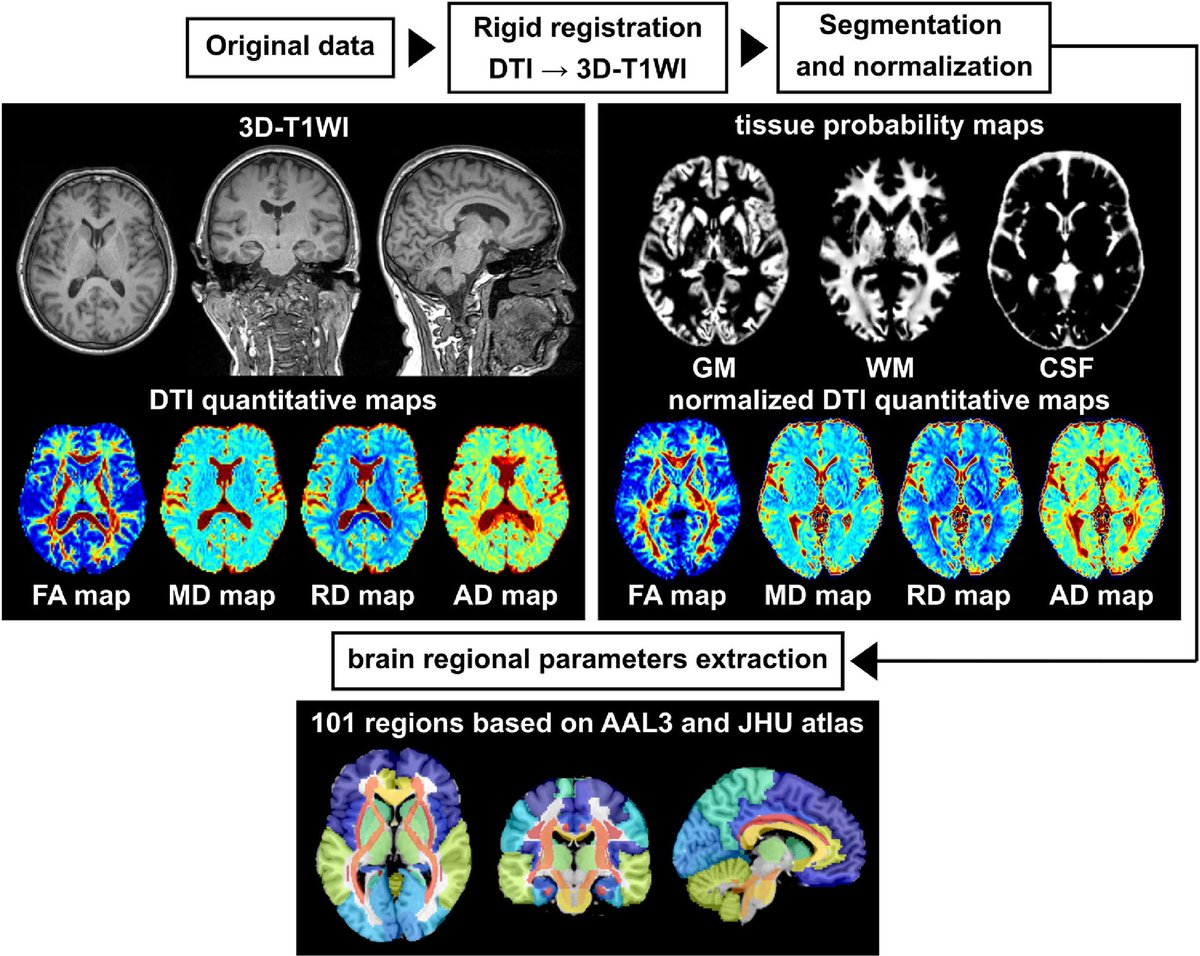
A review of 49 MRI studies shows that COVID-19 is associated with structural and functional brain changes.
➡️ Abnormalities are most commonly seen in the frontal, temporal, and parietal lobes, as well as the limbic system and subcortical regions.
➡️ These findings suggest widespread brain involvement, not limited to a single area.
➡️ The changes may explain both acute neurological symptoms and long-term effects (LongCOVID).
👉 COVID-19 is not just a respiratory disease—it has measurable, widespread effects on the brain
https://t.co/jh3xH1ZlIR
Strait of Hormuz traffic drops sharply amid regional escalation
Vessel activity in the Strait of Hormuz has shifted materially following recent US strikes on Iran and the subsequent regional escalation. According to real-time traffic analysis, transits through the chokepoint fell by approximately 70% after 16:00 UTC on 28 February, compared with levels 12 hours earlier.
#MarineTraffic playback shows visible behavioural changes across the region over the past three days, including U-turns, idling, reduced speeds, and last-minute diversions, particularly after maritime security warnings were issued. Watch the playback of vessel activity in the Strait of Hormuz over the past three days.
COVID is not “just a cold.” Even mild or asymptomatic infections can cause lasting health effects, damaging blood vessels and organs, affecting the brain, and weakening the immune system. Reduce possible harm by avoiding infection and reinfection — preventing COVID is possible through measures such as masking, ventilation, testing and vaccination.
#COVID #COVID19 #PublicHealth
Severe COVID-19 leaves behind a long-lasting, systemic, and biologically measurable pro-oncogenic state
that persists for at least one year after infection and may increase cancer risk or worsen cancer prognosis🧵
Warning—never dry your hands with air dryers in public bathrooms. Fecal aerosols are real. Don’t dry with airborne poop. Public toilets honestly need UV and HEPA filters.
Metformin prescribed within a week of documented SARS2 infection was associated with a 53% lower risk of LC compared to controls(fluvoxamine, fluticasone, ivermectin, or montelukast).
https://t.co/qGVcE39WSw
Great morning on @SquawkCNBC and @Nasdaq ringing the opening bell with our @AMD team following our 2025 Financial Analyst Day. So excited about the incredible opportunity in front of us to lead the future of AI and high-performance computing!