Hip mobility isn’t just about stretching harder.
Watch your pelvis during this movement: the challenge is controlling the hip while the rest of your body stays relatively stable.
That matters because usable mobility is range you can control, not just range you can reach.
A good cue: move slowly enough that you can feel the hip doing the work instead of letting the pelvis swing to create extra motion.
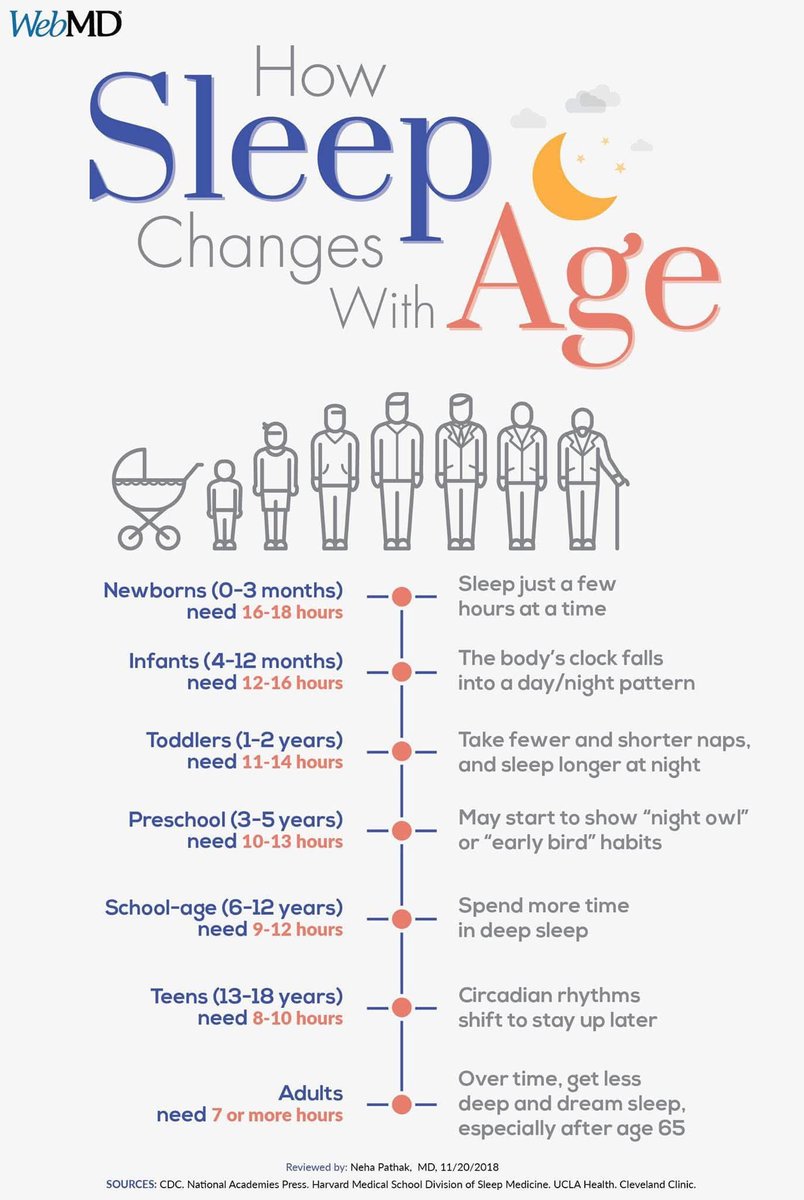
If you're looking for calmer nights, look for KSM-66 and 5% withanolides on the ashwagandha label.
It brings cortisol down without the queasy stomach raw root gives you.
This is the ashwagandha I keep reordering (#ad):
https://t.co/ZFORgqc4V6
Day 05: The Most Popular Fat Loss Peptides Explained [ Semaglutide , Tirzepatide , Retatrutide]
Something changed over the last few years. Millions of people suddenly started losing weight in ways the world had never really seen before. Not just through intense cardio, starvation diets, or “discipline” alone but through biological signaling. That’s when peptides like Semaglutide, Tirzepatide, and Retatrutide entered the mainstream conversation.
Semaglutide was the peptide that made the world pay attention. Many people started reporting reduced hunger, fewer cravings, less food noise, and feeling full much faster. For the first time, people began saying things like: “I finally understand what normal hunger feels like.” That single sentence changed how many people viewed obesity and metabolism.
Then came Tirzepatide. Instead of working on only one pathway, it targeted both GLP-1 and GIP receptors. In simple terms, that means it works on two different hunger and metabolism signaling systems inside the body instead of just one. GLP-1 helps control appetite, fullness, blood sugar, and cravings, while GIP is involved in insulin response, energy handling, fat metabolism, and nutrient processing. This dual-action approach is why many people describe Tirzepatide as feeling “stronger” or more advanced compared to earlier fat loss peptides.
Now the peptide everyone is watching is Retatrutide. What makes it different is that it targets three pathways at once: GLP-1, GIP, and glucagon receptors. Many people in the peptide and biohacking world believe this could represent the future of metabolic science. The anecdotal reports around appetite suppression and fat loss have created massive curiosity around it.
But the biggest reason these peptides became so popular isn’t just because people lost weight. It’s because they changed how people think about hunger, metabolism, obesity, insulin resistance, and human biology itself. The science is still evolving very fastand we are probably still early in understanding where this space eventually goes.
Peptides Beginner’s Blueprint continues tomorrow.
¿Has escuchado hablar de la “personalidad Ozempic”? Aunque no es un término médico oficial, cada vez aparece más en redes sociales y conversaciones entre pacientes que usan medicamentos como Ozempic, Wegovy o Mounjaro.
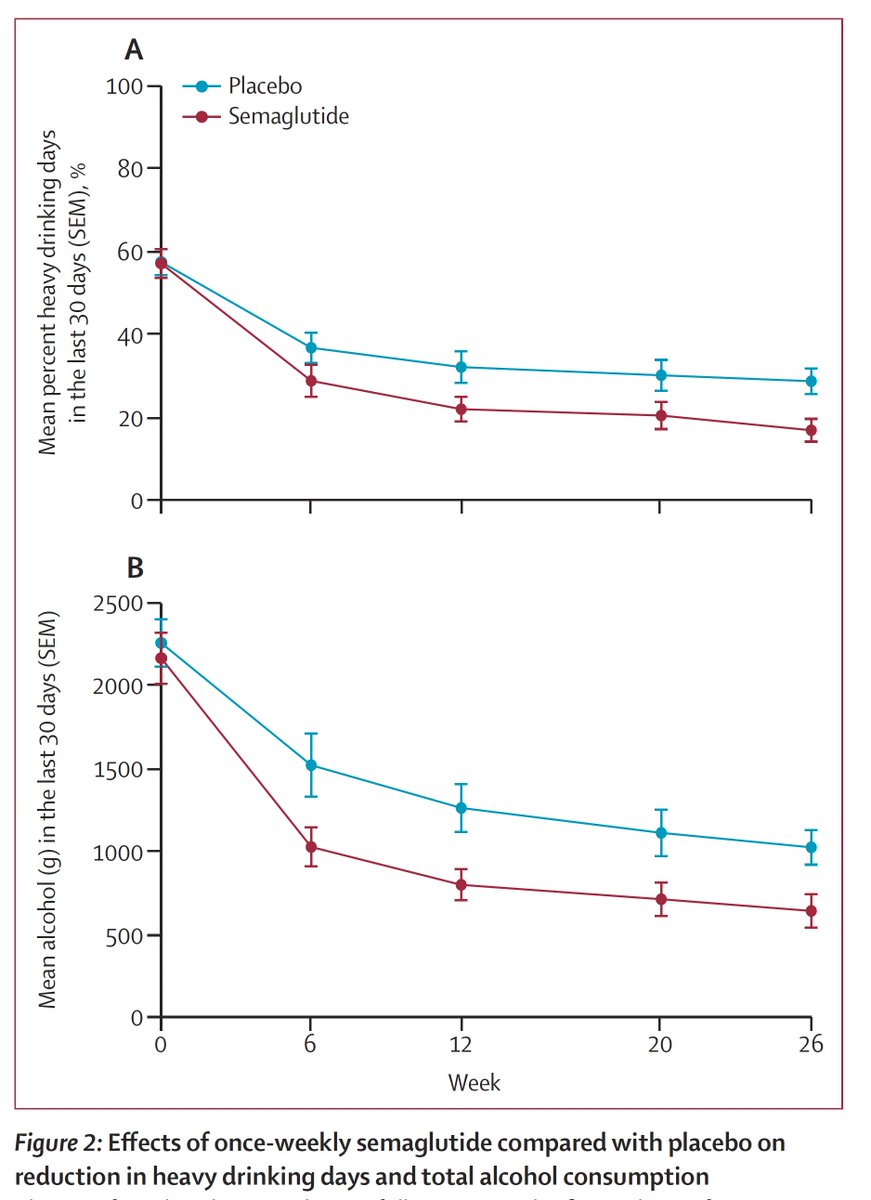
Primer ensayo clínico que sugiere que Ozempic mostraría efectos terapéuticos en pacientes con obesidad y con trastorno por el consumo de alcohol. La semaglutida redujo el consumo de alcohol de los pacientes. https://t.co/IPcrgwn0gY
Title:
Quintuple agonism redefines metabolic therapy: beyond incretins
A new study introduces a conceptual shift in metabolic drug design: receptors are no longer just signaling targets—they become delivery systems.
In this work, a unimolecular GLP-1R–GIPR–PPARα/γ/δ quintuple agonist integrates incretin biology with nuclear receptor pharmacology into a single molecule (DOI: 10.1038/s41586-026-10427-5). By covalently linking a pan-PPAR agonist (lanifibranor) to a GLP-1/GIP backbone, the authors achieve receptor-guided intracellular delivery, restricting PPAR activity to incretin receptor–expressing cells.
This design overcomes a long-standing limitation of PPAR-based therapies—systemic exposure and dose-dependent adverse effects—while preserving their metabolic benefits. Notably, the conjugate achieves efficacy at doses ~6,900-fold lower than standalone PPAR agonism .
In diet-induced obese mice, the compound outperforms GLP-1R–GIPR co-agonism and semaglutide, producing greater reductions in body weight, food intake, and hyperglycaemia. Mechanistically, the advantage is not merely additive. While weight loss is driven by dual incretin signaling and enhanced POMC neuronal activity, glucose control is further improved through PPARδ-dependent insulin sensitization and suppression of hepatic glucose production.
Crucially, glycaemic improvements persist in weight-matched conditions, indicating weight-independent metabolic reprogramming. Transcriptomic analyses reveal extensive remodeling across tissues, including anti-inflammatory programs in liver and muscle, and enhanced oxidative metabolism.
The approach also decouples beneficial and adverse PPAR effects. Unlike classical PPARγ agonists, the conjugate does not induce adipocyte differentiation, yet enhances glucose uptake in metabolically active tissues.
Conceptually, this work establishes a new paradigm:
hormone-guided targeting of intracellular effectors.
Rather than stacking agonists systemically, this strategy spatially restricts pharmacology—enabling potency, specificity, and multi-layer metabolic control within a single molecular architecture.
If translated clinically, such targeted polypharmacology could extend beyond obesity and diabetes toward fibrosis, aging, and systemic metabolic dysfunction.
Ankle & Foot Strength Routine This set of exercises focuses on strengthening the feet and lower legs to support healthier, more stable, and mobile ankles.
It’s a simple but powerful way to improve balance, movement quality, and overall foot function.
#ankle





![OSHOMAH01's tweet photo. Day 05: The Most Popular Fat Loss Peptides Explained [ Semaglutide , Tirzepatide , Retatrutide]
Something changed over the last few years. Millions of people suddenly started losing weight in ways the world had never really seen before. Not just through intense cardio, starvation diets, or “discipline” alone but through biological signaling. That’s when peptides like Semaglutide, Tirzepatide, and Retatrutide entered the mainstream conversation.
Semaglutide was the peptide that made the world pay attention. Many people started reporting reduced hunger, fewer cravings, less food noise, and feeling full much faster. For the first time, people began saying things like: “I finally understand what normal hunger feels like.” That single sentence changed how many people viewed obesity and metabolism.
Then came Tirzepatide. Instead of working on only one pathway, it targeted both GLP-1 and GIP receptors. In simple terms, that means it works on two different hunger and metabolism signaling systems inside the body instead of just one. GLP-1 helps control appetite, fullness, blood sugar, and cravings, while GIP is involved in insulin response, energy handling, fat metabolism, and nutrient processing. This dual-action approach is why many people describe Tirzepatide as feeling “stronger” or more advanced compared to earlier fat loss peptides.
Now the peptide everyone is watching is Retatrutide. What makes it different is that it targets three pathways at once: GLP-1, GIP, and glucagon receptors. Many people in the peptide and biohacking world believe this could represent the future of metabolic science. The anecdotal reports around appetite suppression and fat loss have created massive curiosity around it.
But the biggest reason these peptides became so popular isn’t just because people lost weight. It’s because they changed how people think about hunger, metabolism, obesity, insulin resistance, and human biology itself. The science is still evolving very fastand we are probably still early in understanding where this space eventually goes.
Peptides Beginner’s Blueprint continues tomorrow.](https://pbs.twimg.com/media/HIh7vOMXgAAyEco.jpg)