@nickmmark Certainly an amazing era to train in. Hard to appreciate in real time, but adult CF care was really never possible before modulators. Now the work is modulator limits, residual disease, aging with CF, and long-term sequelae it seems we are only beginning to understand.
@PulmCrit One is a tool, the other a design framework, often used together. Yes, observational and limited by unmeasured confounding, but good design reduces real bias, not just decorates it. We need these studies for questions RCTs can’t or won’t ever answer, so why not do them better?
@PulmCrit@AnilMakam Are you both unconvinced they properly controlled for baseline clinical improvement up until enrollment? The subgroup analysis and post-adjustment tables make it seem the weighting worked well.
@David_Ouyang@boulware_dr I had posted chart of success rates/applications by degree from NIH Reporter but deleted it because it wasn’t research awards. Do you know if a change in number of MD-only applications can explain the decrease in proportion of awards?
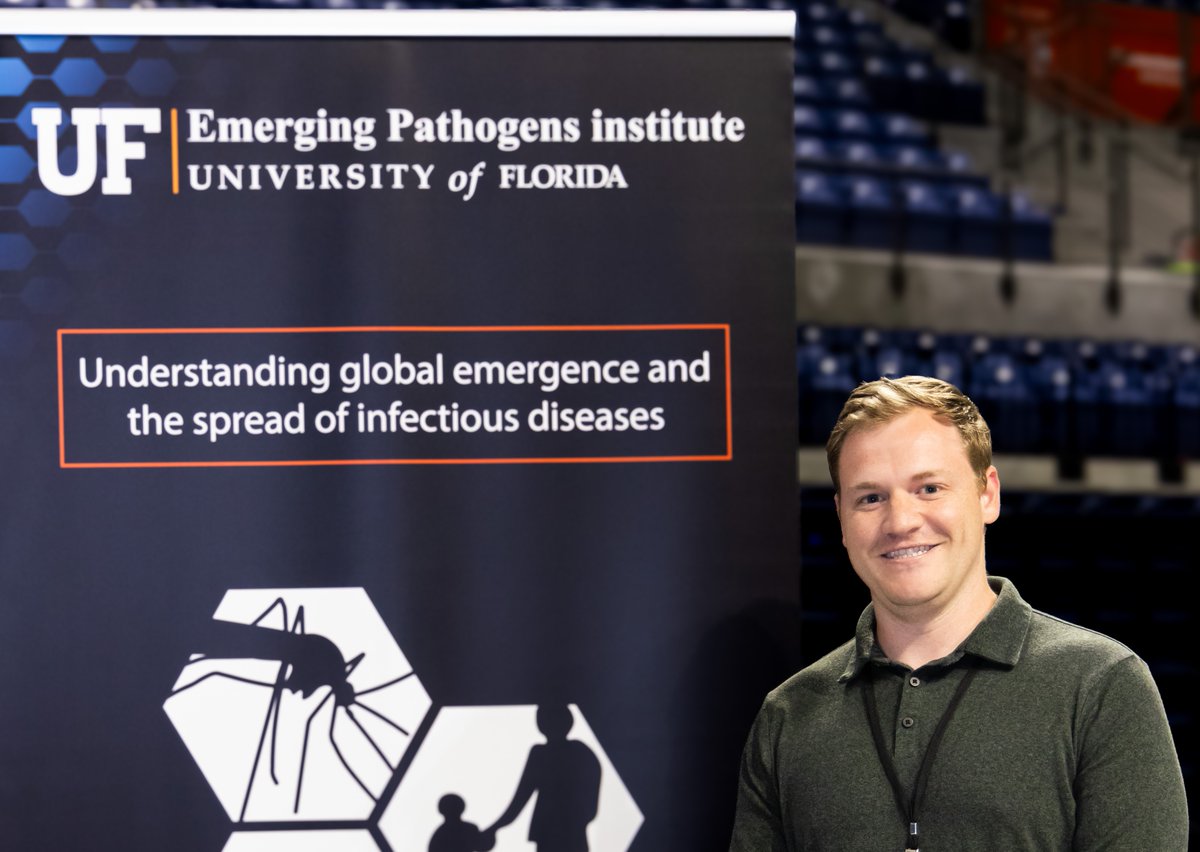
In the world of artificial intelligence, #UF grad student @cohensa dived into 10 years of unused data to help #hospitals.
Explore the #research that earned him first place in the EPI Research Day 2025 pre-doctoral research poster competition: https://t.co/PQrksFxnYQ.
@jbcarmody Declines can be explained almost entirely by decrease in repeat applicants (presumably due to higher enrollment). First time applicants are up.
@PMurawala Had a nearly identical issue on a grant. It is a problem with shared first-author papers when your name just happens to be second. Fortunately, it was entirely resolved on resubmission. There really needs to be a better system to avoid inadvertent penalty on shared authorship.
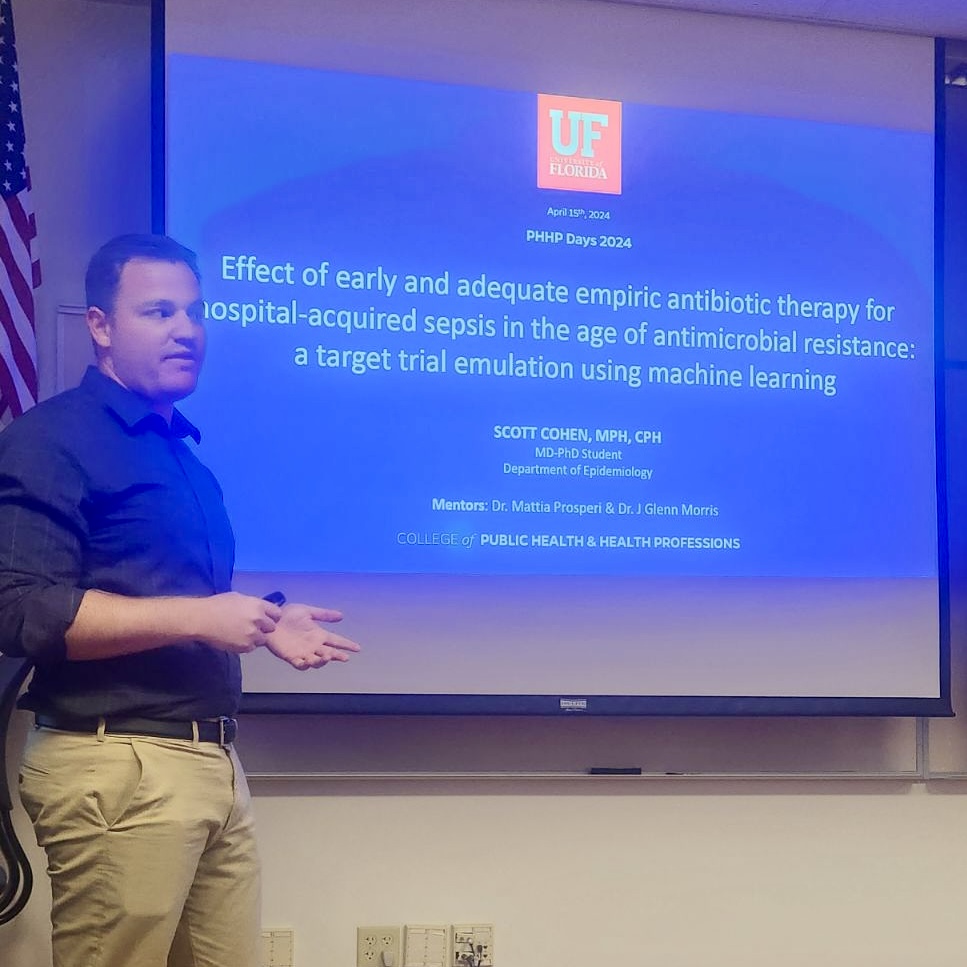
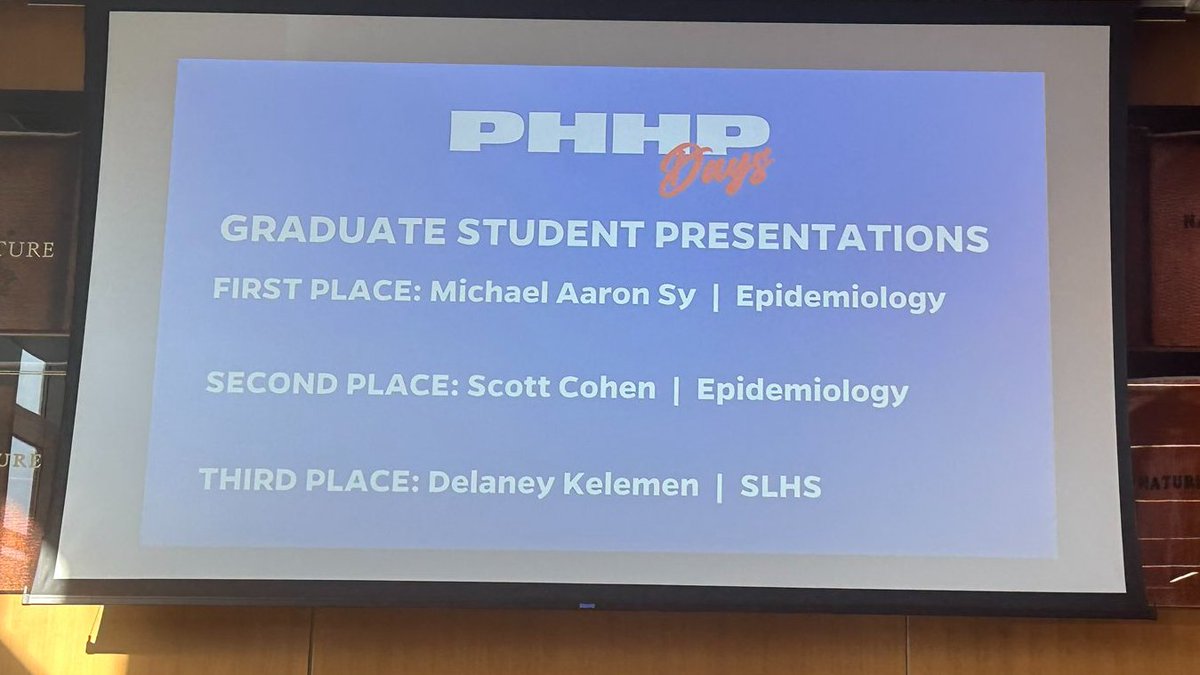
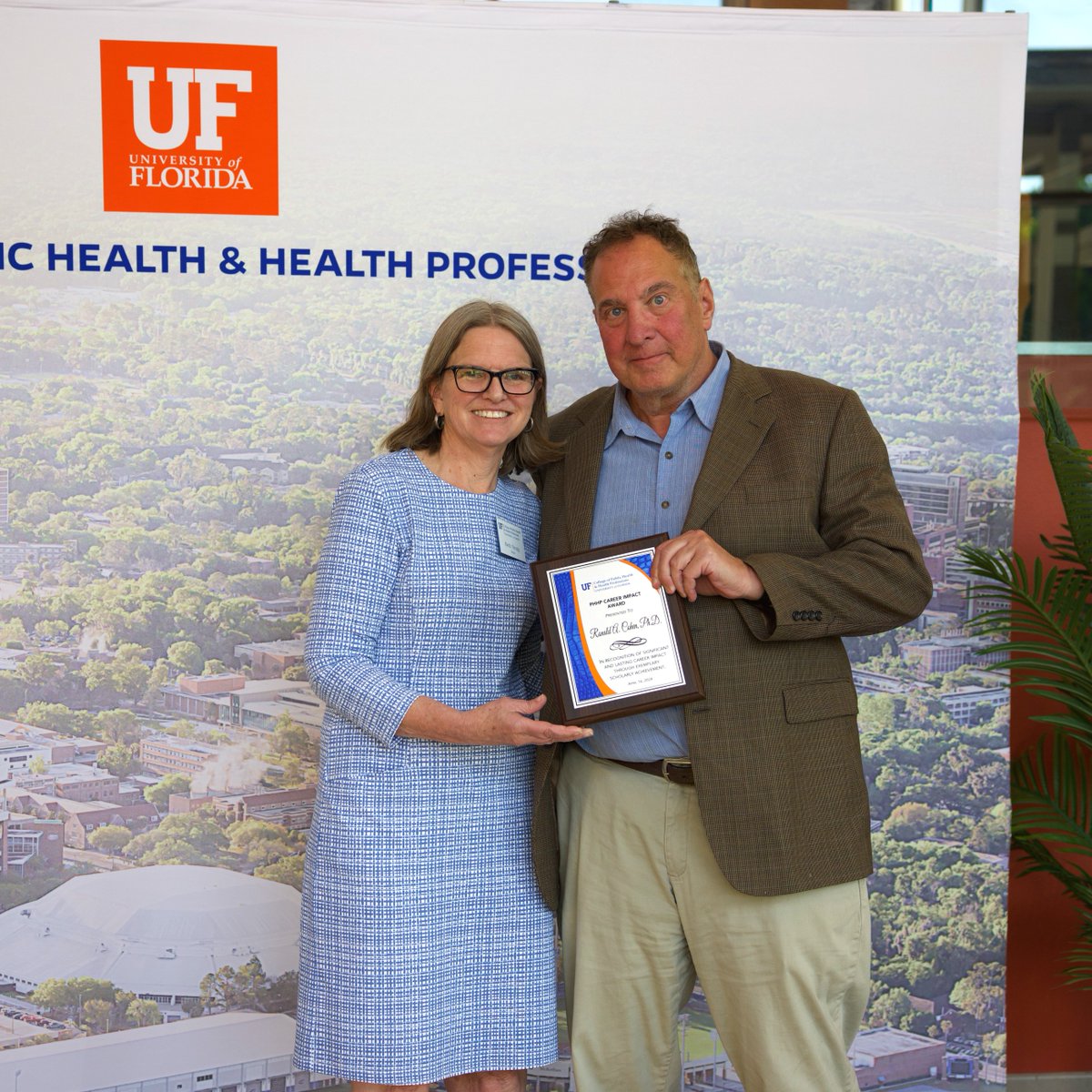
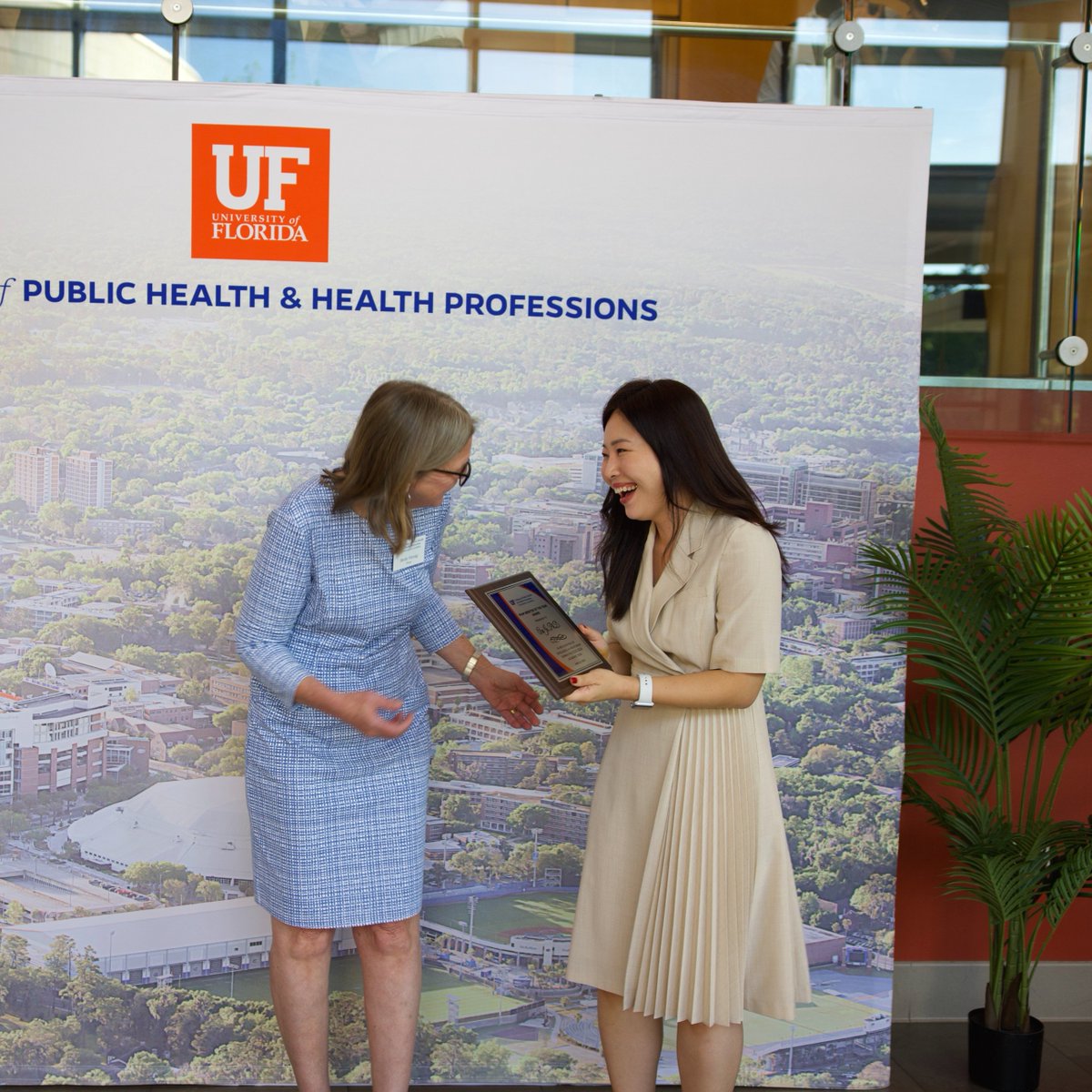
Let's give a 👏 round of applause 👏 to our PHHP Days student and faculty awardees!
To see a full list of winners, read our wrap-up story: https://t.co/QYoEWgSAXh
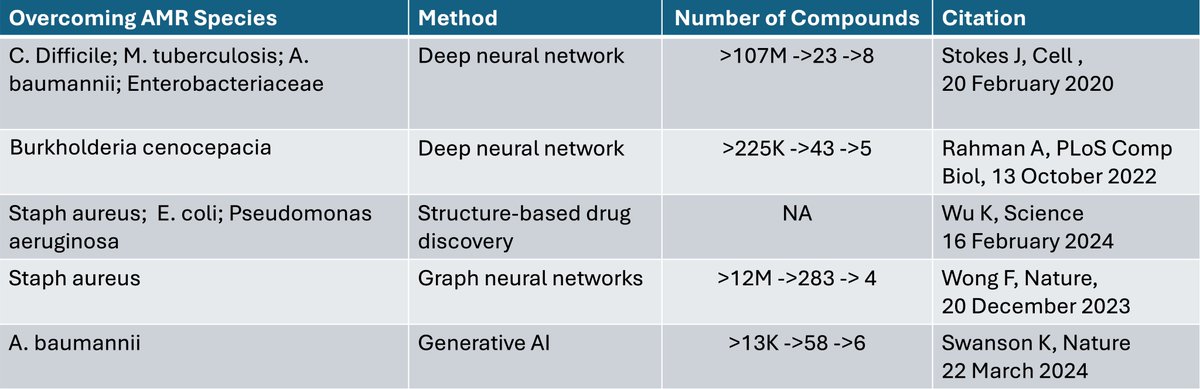
More than 1 million people are dying each year from antibiotic resistance, considered a global health emergency. The pharma industry is doing little to respond. Thankfully academic labs, using A.I. and structure-based discovery, are kicking in. My summary Table of recent progress