The Coller Lab uses modern approaches to investigate #quiescence, cell cycle control, #autophagy, and #cancer. Official account managed by the lab members.
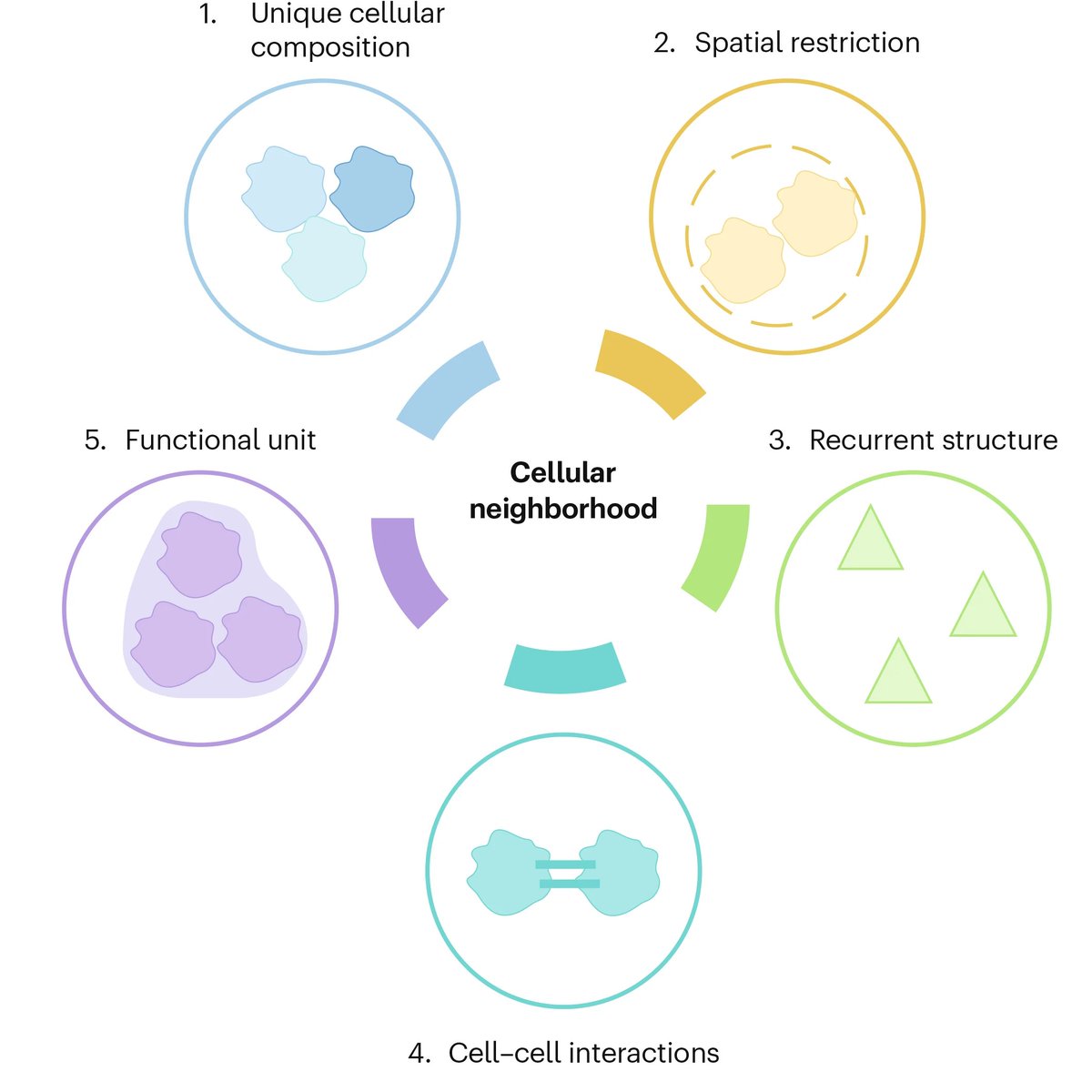
⭐️Check out the Perspective on cellular neighborhoods in cancer by @LichunMa, @KaiTanLab1 & co
🔗https://t.co/5sb8wbNXF9
Part of our Series on Tumor Heterogeneity and Plasticity:
https://t.co/j4imgOaoOS
⭐️Don't miss this Review published @NatureCancer
as part of our Series on Tumor Heterogeneity and Plasticity
'Heterogeneity and plasticity of cancer-associated fibroblasts'
✒️By Ruth Scherz-Shouval, Mara Sherman and co-authors
🔗https://t.co/Qo6oplbnVx
(1/5) How does glioblastoma maintain its immense heterogeneity? 🧠 Two new companion papers from the Bhaduri Lab @UCLA now on @bioRxiv offer a lineage-resolved view of GBM hierarchies. Let’s dive in! 🧵👇
https://t.co/ss3FWXWakN
https://t.co/DFRqbeEttO
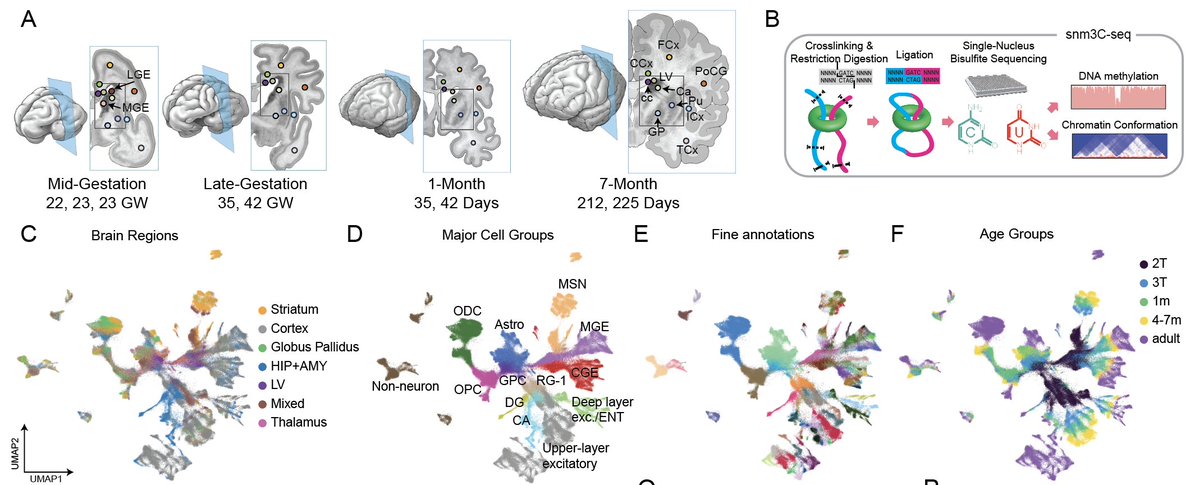
We are excited to release a single-cell and spatial 3D epigenomic atlas of developing human basal ganglia and inhibitory neurons, part of our BICAN effort in collaboration with @lab_paredes@jernst98@emukamel@CEpigenomics@bpasaniuc
https://t.co/jabc3mYnpk
Excited to share a recent publication from the lab. Daniel Benjamin & Jengmin Kang led the study of the allocation of resources to survival over reproduction in stem cells during aging. #EvolutionaryTradeOffs#SurvivorshipBias
https://t.co/vX9dScou4Z
We are so happy that Michael Cheng, a former undergraduate researcher in the lab and now a bioinformatics graduate student at @UCLA , will be defending his thesis this week (Wednesday at 1 pm; in person and on zoom). All the best, Michael!
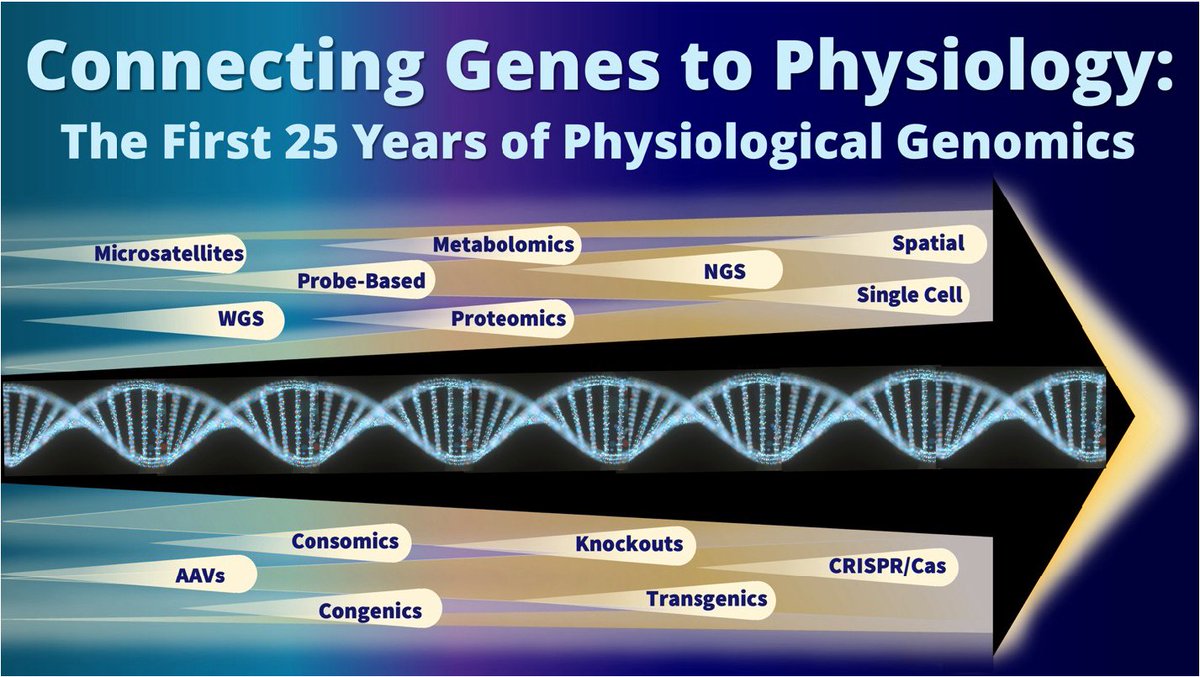
🆕🎧 New Podcast: The founding of PG is discussed in interviews with Drs. AW Cowley, Jr., B Joe, and HA Coller. These interviews were organized and conducted by @AkinolaTosinS.
Listen at https://t.co/IqAMgxf7ph. Read the article at https://t.co/JUq7GjOiWv.
New @NatureGenet review from our NIH SenNet @sennetresearch OMICS WG co-led by @shenglilab
We share practical considerations for identifying, characterizing & spatially mapping #CellularSenescence, plus computational #multiomics insights!! https://t.co/0tzCS4tW6r
Years ago we tried to model cancer-associated fibroblast (CAF) subtypes in vitro, but gave up because only the proliferative subtype survived culture (duh!). This study could change all that: Perturb-seq with CRISPRa of 1,836 TFs induces diverse fibroblast states in vitro(!). 👏
Dr. Hilary Coller (@CollerLab) discussed her latest research on how epigenetic patterns can predict cancer outcomes more accurately than traditional markers. Her pan-cancer model reveals targetable epifactors across five tumor types.
Watch the talk here: https://t.co/a7BO3dD9wl
Less than one month away from abstract submission deadline for the 2025 GRC/GRS Genome Architecture meeting at the beautiful beach in California. Don't miss it!
In this review for our focus issue on patterns in molecular biology, @LuLaboratory explores how metabolites and metabolic enzymes regulate chromatin and histone modification patterns, highlighting the crosstalk between the metabolome and the epigenome.
https://t.co/wRBWwxFBif
CTCF stall DNA 🧬 loop ➰ extrusion by cohesin - but exactly how it pulls this off is a 'mechanistic mystery' (to cite
@Anders_S_Hansen , Nucleus, 2020). We just preprinted 📜 a new study @biorxivpreprint that provides some answers to this enigma: https://t.co/CYYDP0NvrE
Our new review on "Transcription factor networks in cellular quiescence" is now published in @NatureCellBio. Thanks to the reviewers and the editor for the great suggestions and comments. Read here: https://t.co/uqXfPWdYcI https://t.co/MgQprCMH5e