Life. Changing. We are the College of Agriculture and Life Sciences. We tackle the complex challenges of our time through purpose-driven science. #CornellCALS
An improved embryo-freezing method – 30 times faster than current protocols – could be used to improve assisted reproduction in humans or animals, or to conserve biodiversity. @SciReports@CornellPhysics@CornellCALS@CornellGrad@USDA_NIFA@NIH https://t.co/mknzQhAbpv
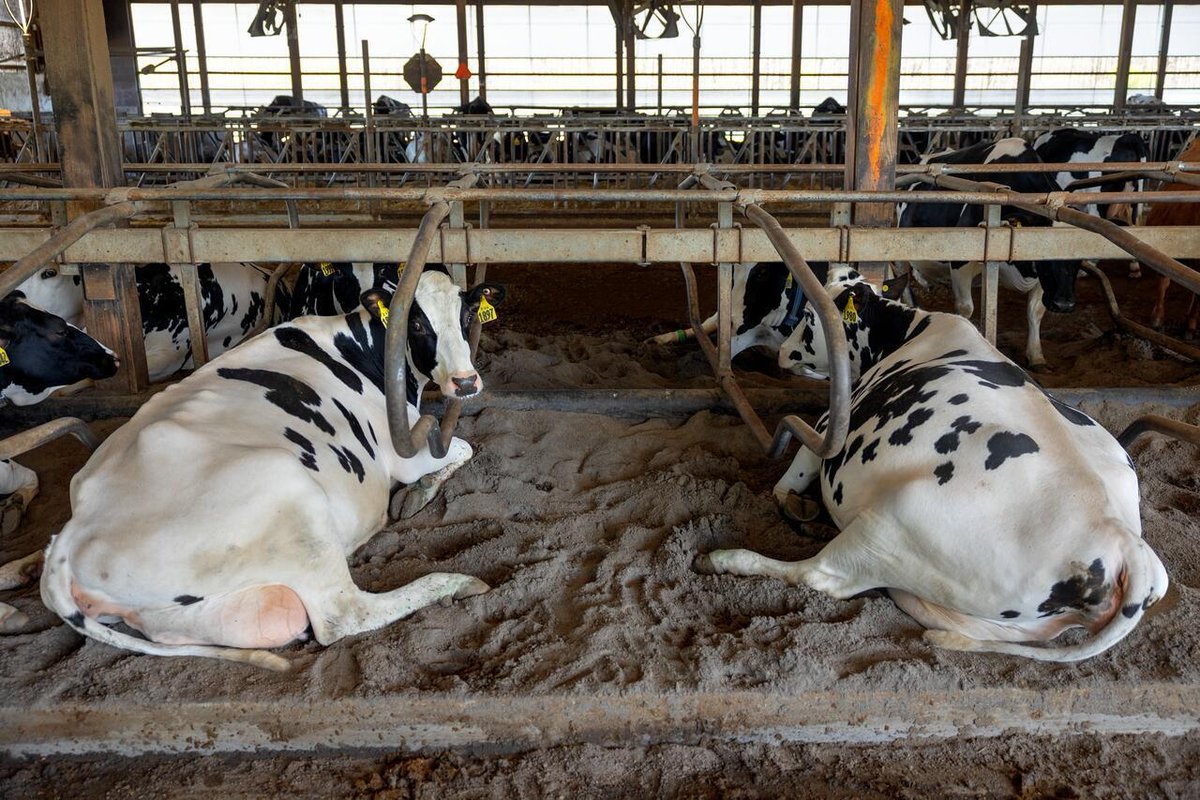
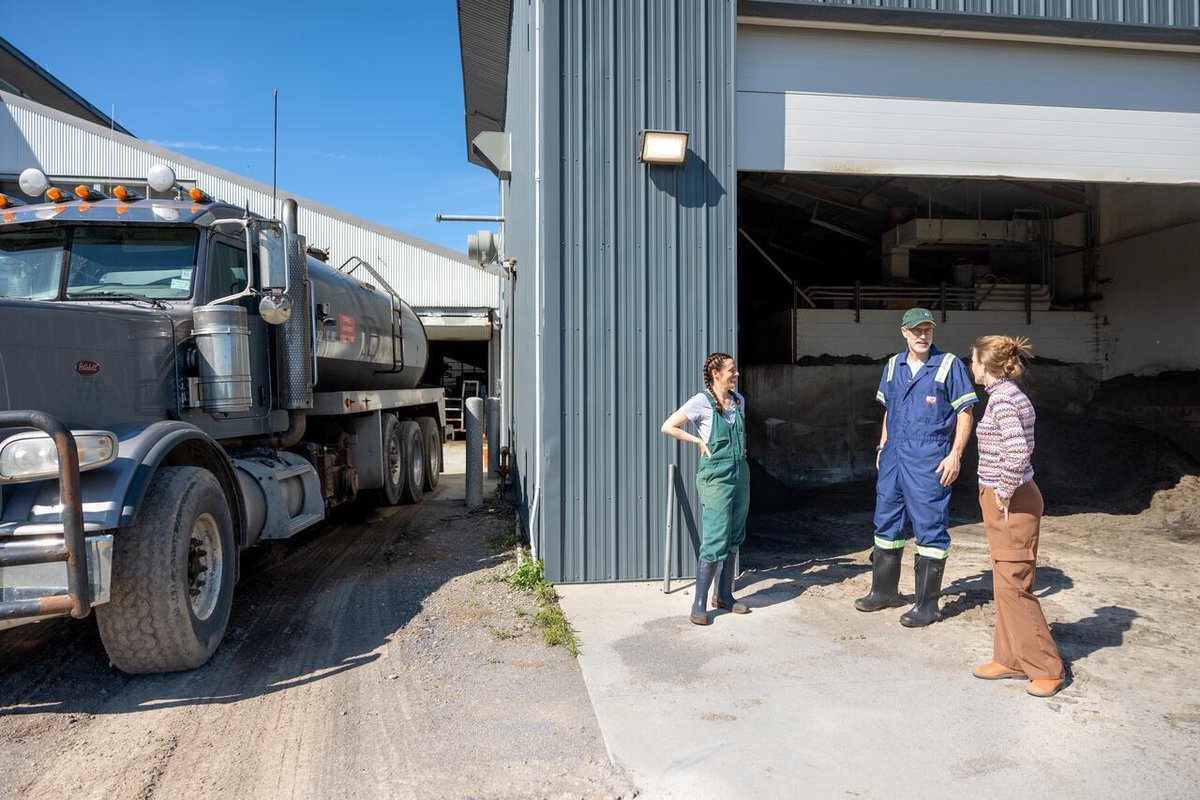
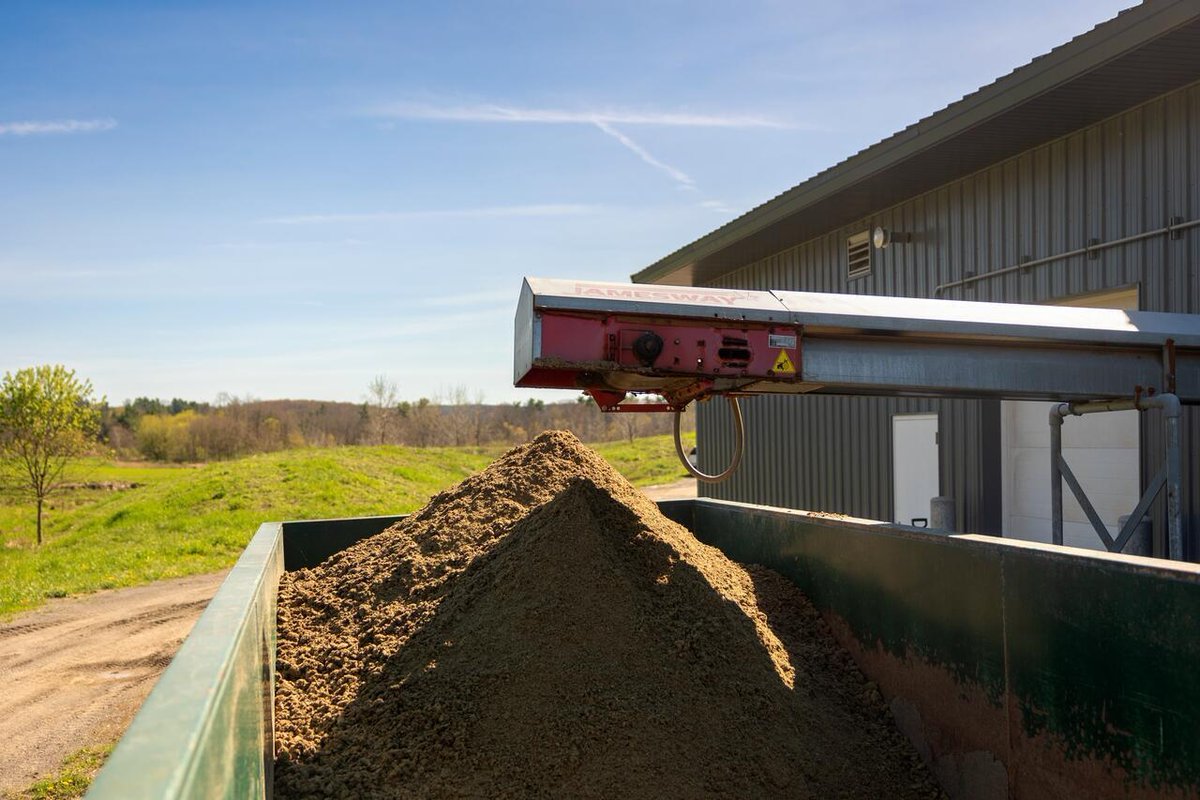
Cornell’s newest Living Lab - the biodigester - will turn organic waste into renewable energy ♻️🐄
Using microbes in sealed tanks, the system will create biogas that can help power dairy operations while supporting sustainability research.
➡️https://t.co/gCSBvMa8HC
New flower: Actaea rhodostigma – or the pink baneberry – is the first new flowering plant species identified in New York state in nearly a decade. It was found by a @CornellGrad student in the Summer Hill State Forest. @CornellCALS@CornellPlantSci https://t.co/F7yxoIh0ZI
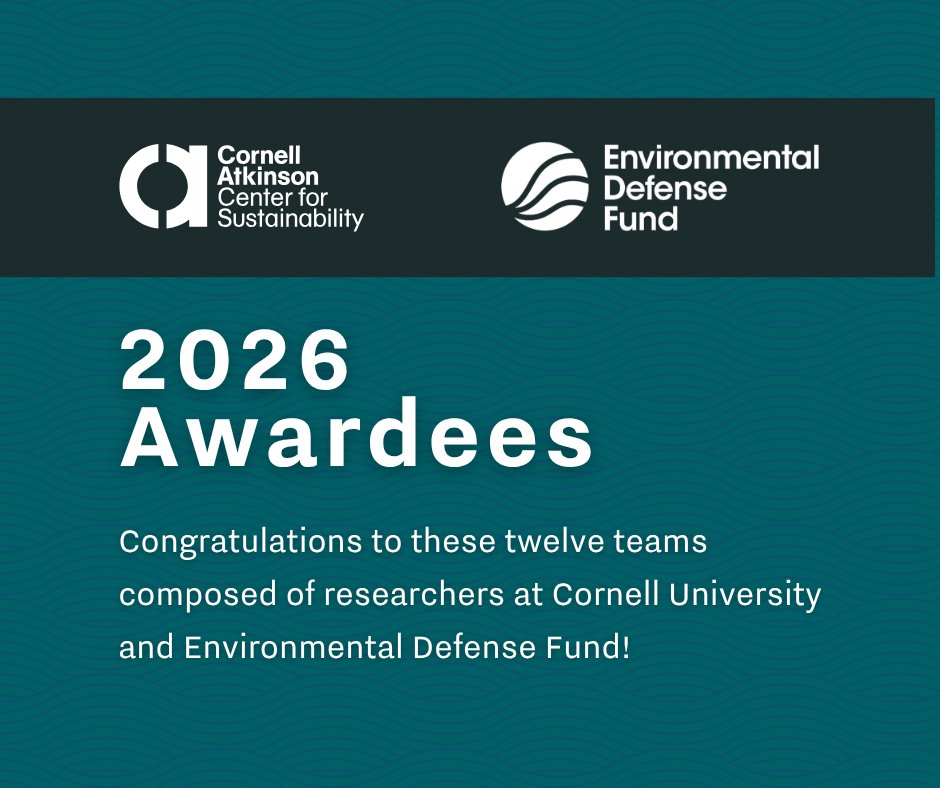
We’re excited to announce the 2026 awardees in the Cornell Atkinson-@EnvDefenseFund joint research program 🎉
$1.24M will support 12 @Cornell + EDF projects tackling ocean protection, urban air quality, EV battery recycling & more.
📌 Learn more: https://t.co/FshMUJmltj
@Cornell students are helping tackle one of the more complex challenges in climate science: understanding methane emissions from waterbodies and mangrove ecosystems. 🧵
https://t.co/RUrWXGpLGj
Soil testing: @ccecornell Harvest New York runs the Community Gardens Soil Testing Program, which offers free test results and advice to home gardeners anywhere in the state. @soilhealth1@nyagandmarkets https://t.co/It4EKBuuMc
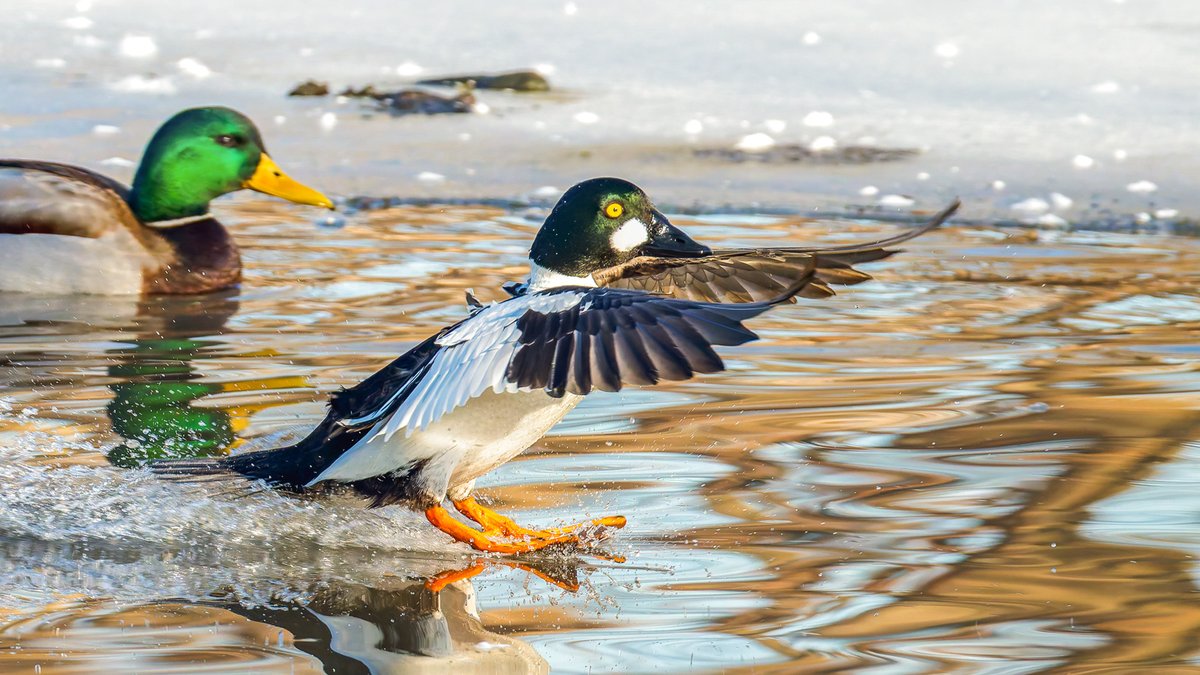
For four days each February, volunteers fan out around the globe to record local bird sightings, capturing a remarkable worldwide snapshot of avian populations. The event, co-run by the Lab of Ornithology, is known as the Great Backyard Bird Count (GBBC)—and it just keeps getting bigger.
The 2026 count drew (per initial numbers) some 1.15 million people from 216 countries or eBird subregions. They made 1.24 million Merlin identifications and submitted nearly 470,000 eBird checklists—all told, spotting more than 8,200 avian species.
And here’s another whopping number: this year, GBBC participants made nearly a quarter-million submissions of media to the Lab’s Macaulay Library, the archive that houses more than 95 million photos, videos, and sounds.
Check out https://t.co/QjZ5pXqCaY for a small sampling of the eye-popping images submitted during the 2026 bird count.
A chance discovery at the cemetery neighboring @Cornell has revealed one of the largest (5.5M!) known aggregations of wild, ground-nesting bees in 🌎, offering new insight into a largely understudied but essential group of pollinators. @CornellCALS https://t.co/rVNgsHZew7
On a @BloombergTV about viral food trends, Miguel Gomez explains how influencers can create demand spikes that supply chains struggle to meet, exposing farmers + producers to volatility + quality risks. @CornellMBA@CornellDyson@CornellCALS https://t.co/mUopVbr72C
Announcing the 2026 student awardees at Cornell Atkinson Center for Sustainability! ⭐️
With 40 projects & $325k+ in funding to support student-led research, these awards reinforce our commitment to training the next generation of sustainability leaders. https://t.co/ptU4e706LF
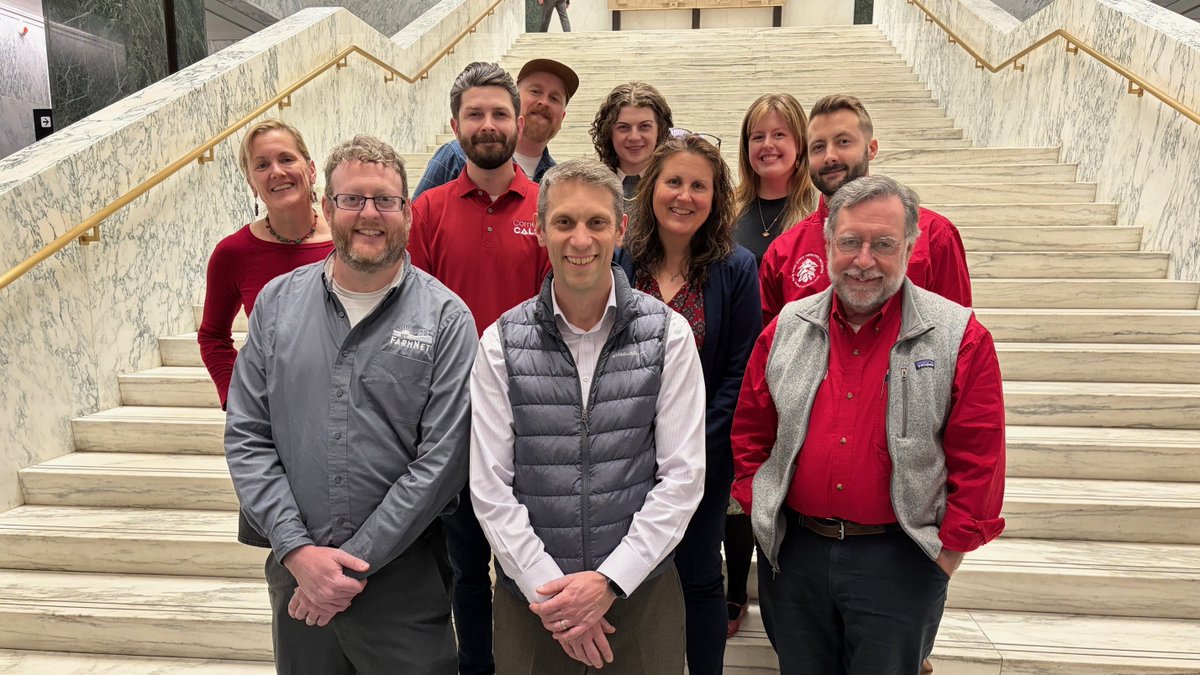
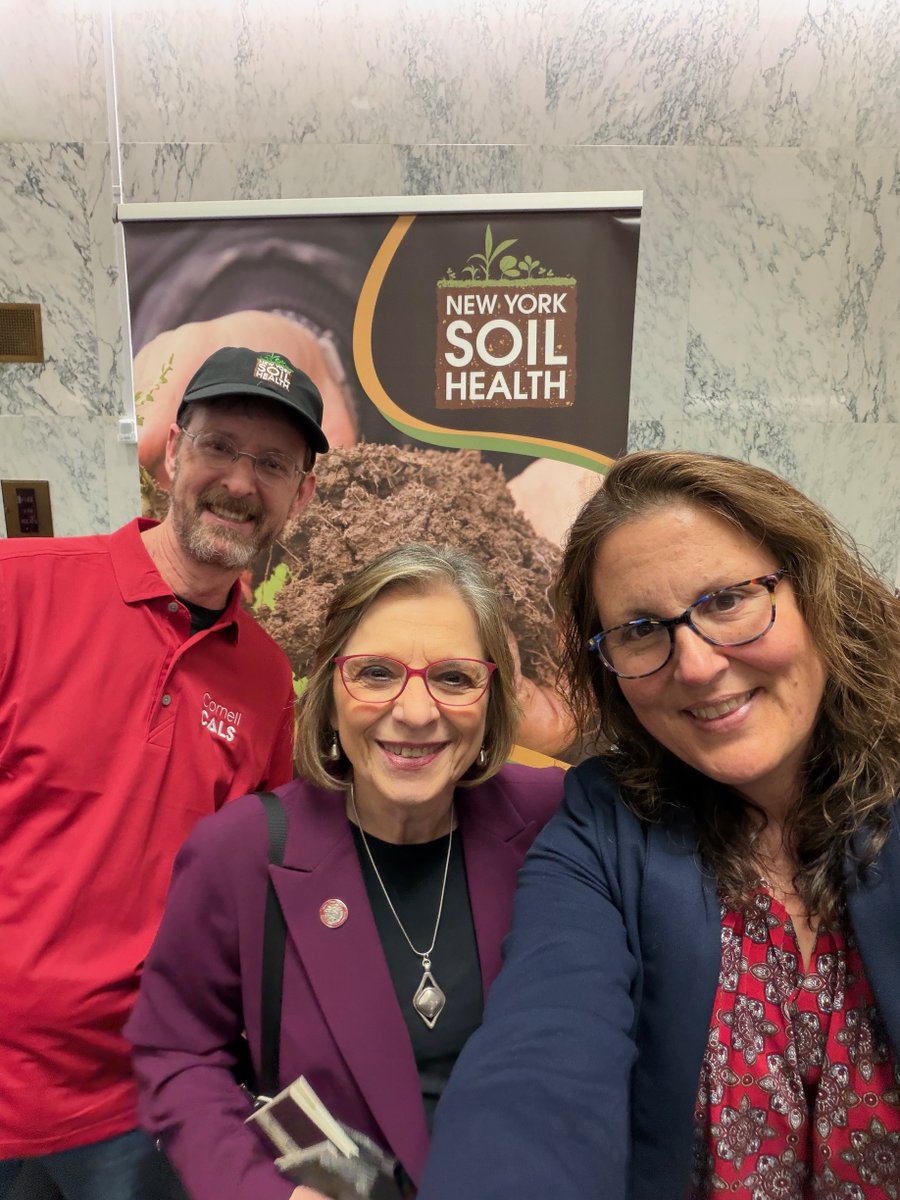
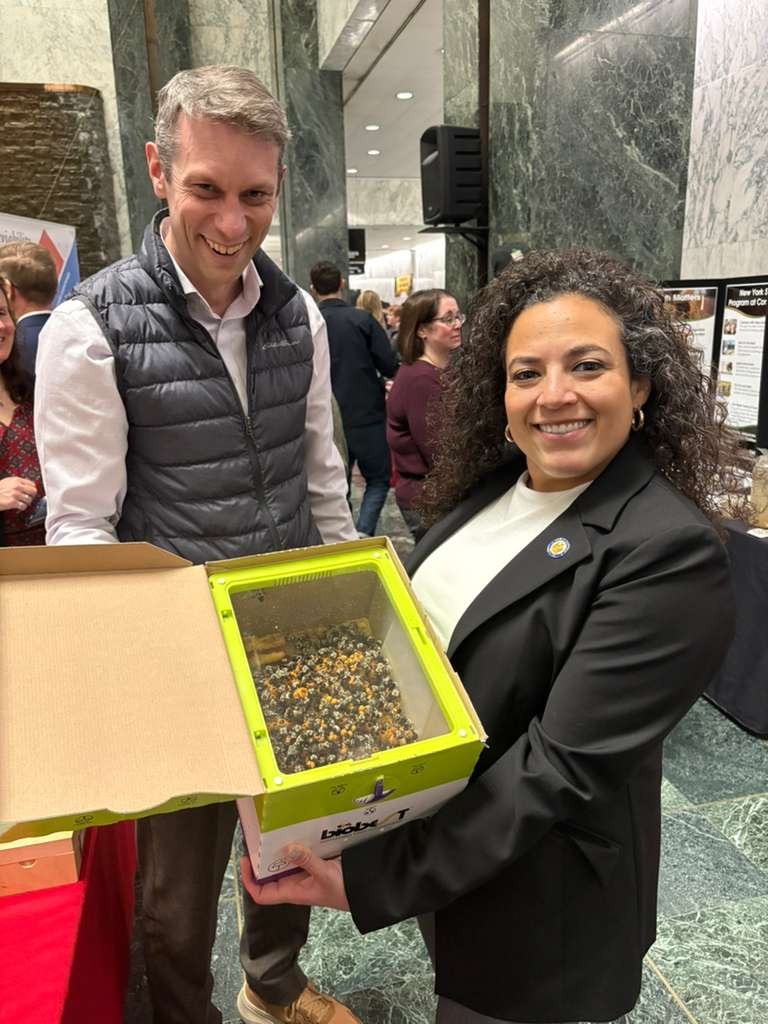
CALS was proud to showcase support for rural communities across NY at the Rural Resources Fair in Albany yesterday. From soil health to pollinator research, our work was on display. Thanks to @senfernandez34, Assemblywoman @DonnaLupardo and all who stopped by.
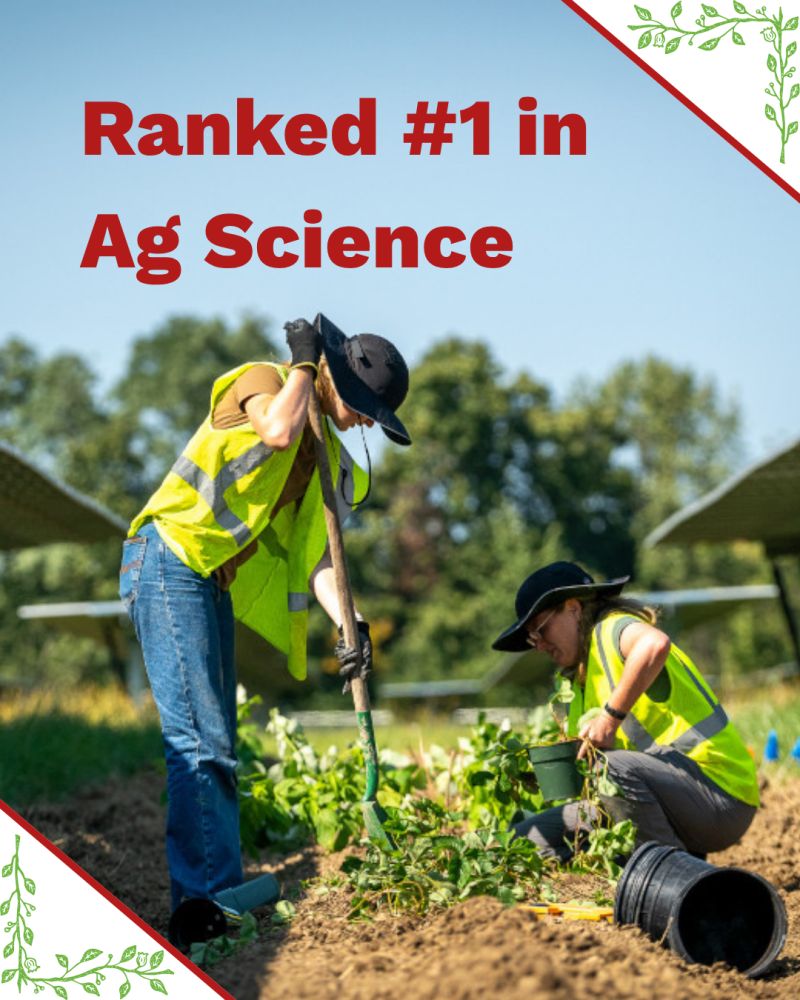
Happy National Ag Day from CALS, ranked among the top ag programs globally with multiple number one U.S. placements across major rankings.
We are grateful for the CALS community and the many farm and food producers across New York and beyond who push us to the top in ag!
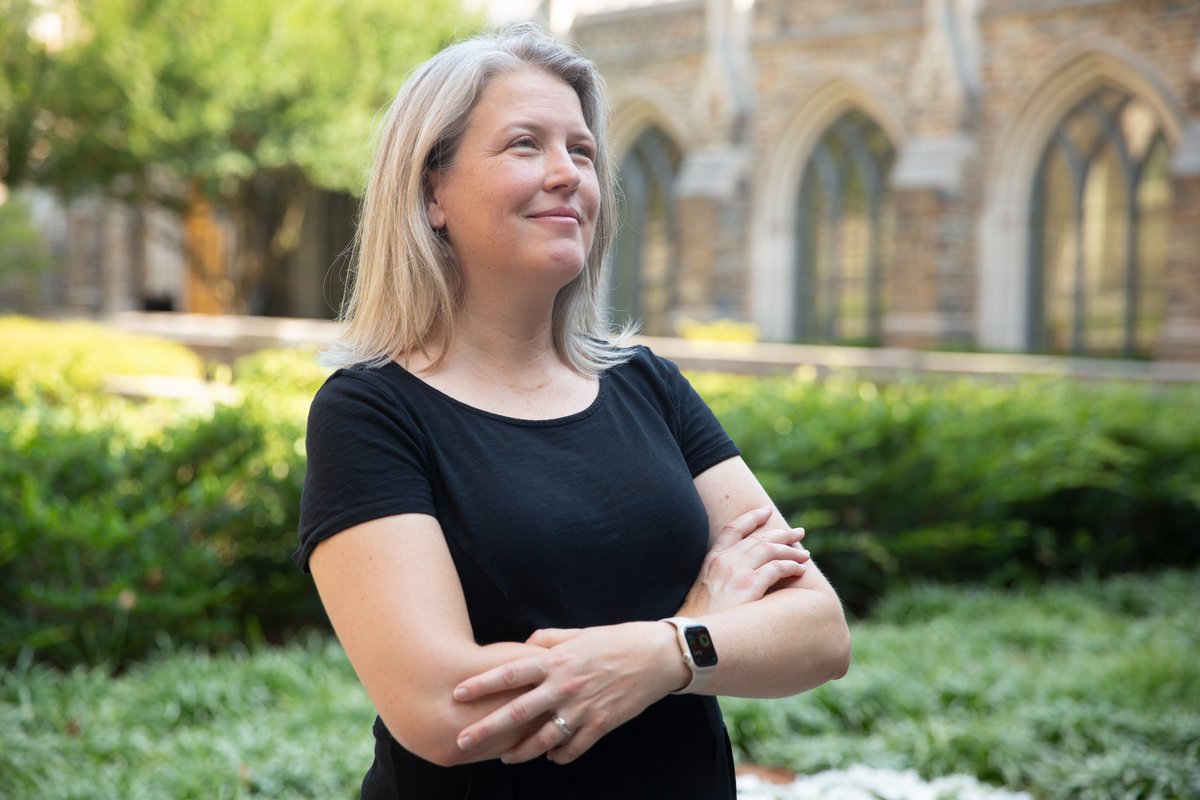
We are thrilled to announce Emily Bernhardt, Ph.D. ‘01 as the next Francis J. DiSalvo Director of the Cornell Atkinson Center for Sustainability, effective September 1!
Welcome back to Cornell, Emily! 🎉
📌 Read more: https://t.co/zboOfQHU7n
Thank you @RepRileyNY for introducing the NSF Plant Biology Act to support critical food systems research. At CALS, NSF funding drives fundamental plant and microbial biology science that benefits food and agriculture producers.
https://t.co/zWbyEvrNzK
Farmers today face growing risks—from climate change & extreme weather to volatile markets & rising costs. Meeting these challenges requires stronger connections between research, finance & the ag sector.
Learn how we work w/ partners to make an impact: https://t.co/ChX7iozGlI
Monarch butterflies are disappearing, but new @Cornell research offers hope. Scientists studied 28 native wildflower species and found ways to boost seed germination, helping restore critical habitat for monarchs and other pollinators. 🦋🌼
🔗 https://t.co/vNnhlChqTP
Happy #WorldWildlifeDay! Join us in recognizing the importance of conserving wildlife and the ecosystems they depend on. @WildlifeCornell works towards a healthy future for wildlife, people, and planet. Because we need nature, and now nature needs us.
New York Attorney General Letitia James has directed $1.1 million to support the new Cornell College of Agriculture and Life Sciences New York Soil Health Climate Smart Agriculture Fund, aimed at working with farmers to promote healthy soils.
https://t.co/FcvJjtiW6i