@shenetworks I recommended bash. You've already got Python and Go for the heavy lifting, being fast in a shell — log triage, pcap slicing, pipeline glue, remote box work. Every SOC, IR, and detection eng role is strengthened by it. If you’re in a windows shop; powershell.
Two guys ran an entire hacking operation in a PRISON for months
In 2015, two prisoners in Ohio were assigned to a recycling program where they dismantled old computers
Instead of scrapping the parts, they started stealing them
Carried components over 1,100 feet past guards, metal detectors, and multiple security checkpoints
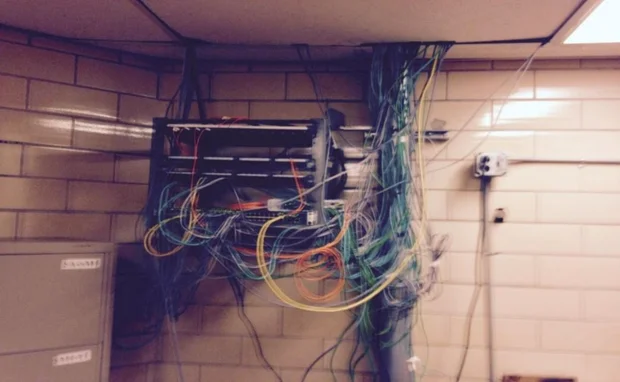
Then built two working PCs and hid them behind a plywood board in the ceiling of a training room closet
They ran cables from the ceiling into the prison's own network
Stole login credentials from an employee by watching him type his password
Set up Bitcoin wallets, Stripe accounts, bank accounts and credit card applications using another inmate's stolen identity
Downloaded VPNs, the Tor browser, password cracking tools and what investigators called "a large hacker's toolkit"
Created fake security passes to access restricted areas of the prison
This entire operation ran for months
They only got caught because one of the computers used so much bandwidth it triggered an automatic alert
The Inspector General said it was "almost as if it's an episode of Hogan's Heroes"
Two guys with recycled computer parts and a ceiling tile built a cybercrime operation inside a state prison
@bettersafetynet@AtomicGaryBusey Agree. The digital twin approach is a massive efficiency, definitely force multiplies existing staff. Saying it can/will reduce headcount is so mid.
Investigation Scenario 🔎
A teacher’s laptop shows a spike in traffic to api[.]school-supplies-check[.]com every morning at 8:05 AM. You cannot access anything at this domain.
What do you look for to investigate whether an incident occurred?
#InvestigationPath#DFIR#SOC