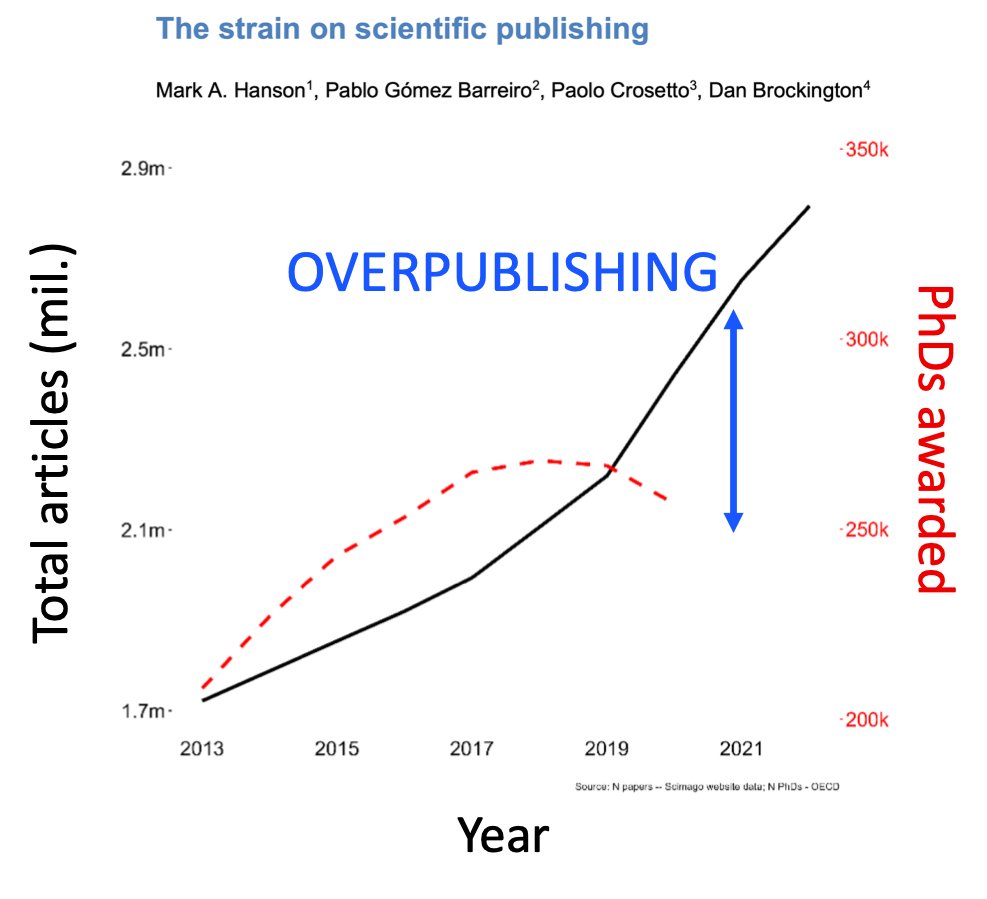
Overpublishing puts enormous stress on students and PIs.
And brings tons of money to publishers in STEM.
A new study shows that the number of papers is increasing FASTER than the number of #PhD graduates.
It’s an amazing work with very useful statistics. Huge kudos to the authors!
▫️
Main outcomes:
1️⃣ In 2022 the number of articles is 47% higher than in 2016. The amount of writing, reviewing and editing workload per scientist is increased enormously.
2️⃣ “Special issues” is a strategy for publishing lots of papers with reduced review time. This is possible due to the “publish or perish” pressure and clearly benefits the publishers.
3️⃣ The publishing time varies widely!
MDPI = 37 days. Frontiers = 72 days. Elsevier = 134 days. Springer = 157 days. Nature = 185 days.
4️⃣ The article rejection rates do not seem to correlate with publisher growth. However, rejection rates decline with increased use of special issue publishing.
5️⃣ Certain for-profit gold-open-access publishers create an increasing number of special issues, with uniquely reduced turnaround times, and in specific cases, high impact inflation and reduced rejection rates.
6️⃣ The authors suggest a new metric - Impact Inflation, which is reflected in self-citation within the same journal. For example, MDPI has a high impact inflation due to excessive self-citation compared to other publishers.
Conclusions and my opinion:
- Scientists have to spend a lot more time on reviewing and writing than before (on average).
- The more papers are published, the more the quality is compromised.
- Scientific progress has become partially bound to the business models of publishers and their revenue (a sad reality today).
- There is a huge lack of transparency. Much of these data had to be ‘web-scraped’ from numerous sources in order to get a full picture. We clearly need regulators to mandate open access to publisher’s statistics.
- Reduce the number of special issues! Those typically have low standards.
▫️
Science, publishing and funding make a trio that is very hard to disentangle.
However, research quality is controlled by the community.
This is why preprint + community review can make a big difference.
#AcademicTwitter #AcademicChatter
Incorporating a bioinspired microtube graphene network into hydrogel actuators enhances actuation dynamics without sacrificing mechanical stability for better soft actuators.
Find out how: https://t.co/m6f2rCJ73i
New technologies to study the hallmarks of cancer! Congrats @mijinee_hi and @magdalinipan and colleagues at @MSKCancerCenter on putting together this terrific review of micro/nanotechnology approaches to investigate tumor ecosystems, in Nature Cancer. https://t.co/sQfAi5RCjK
As you start your #July4th celebrations, an awesome story about control of adiposity by #macrophages. And congrats to friend and collaborator @ElementoLab for being a part of this cool study in @ScienceMagazine!! https://t.co/Pkohfj3FbJ
Check out our latest @NanoLetters on engineering a new microfluidic platform to manufacture mRNA lipid nanoparticles across all scales of development in collaboration with the @DavidIssadore lab! Link: https://t.co/XueodlYPMO https://t.co/bDN2yTYGTd
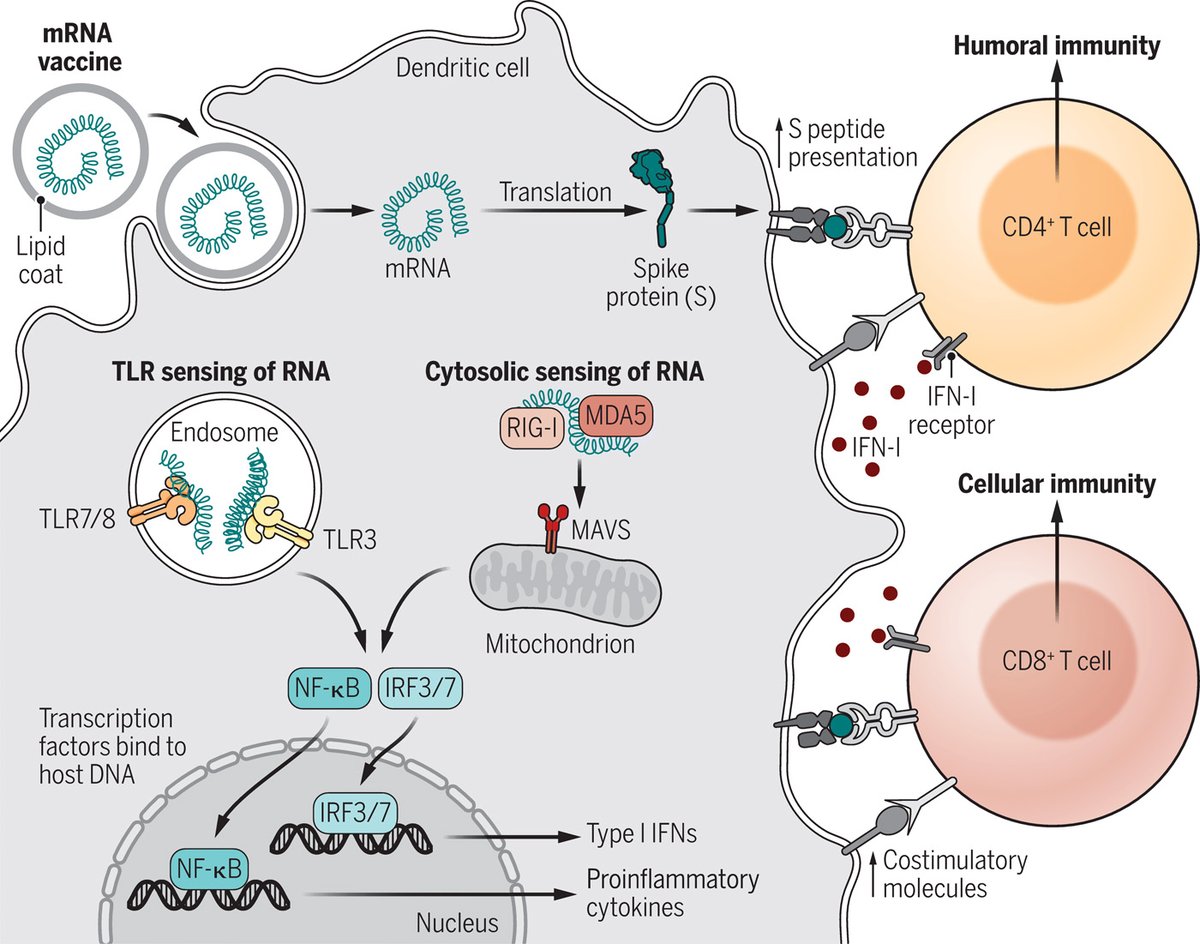
Side effects of #COVID19#vaccines should be welcomed “as a necessary prelude to an effective immune response,” say the authors of a new @SciImmunology Focus. Read more: https://t.co/1Oy4pkYv7E
So happy to share our work just published in Small: https://t.co/CUtnjz9qBx
Many thanks to Tom, the Kent Lab @KentLaboratory and other co-workers at CBNS @ARCCoEBionano.
Also thanks to Athina @AthinaAnastasa1 at ETH Polymeric Materials @AnastasakiLab for useful discussions.









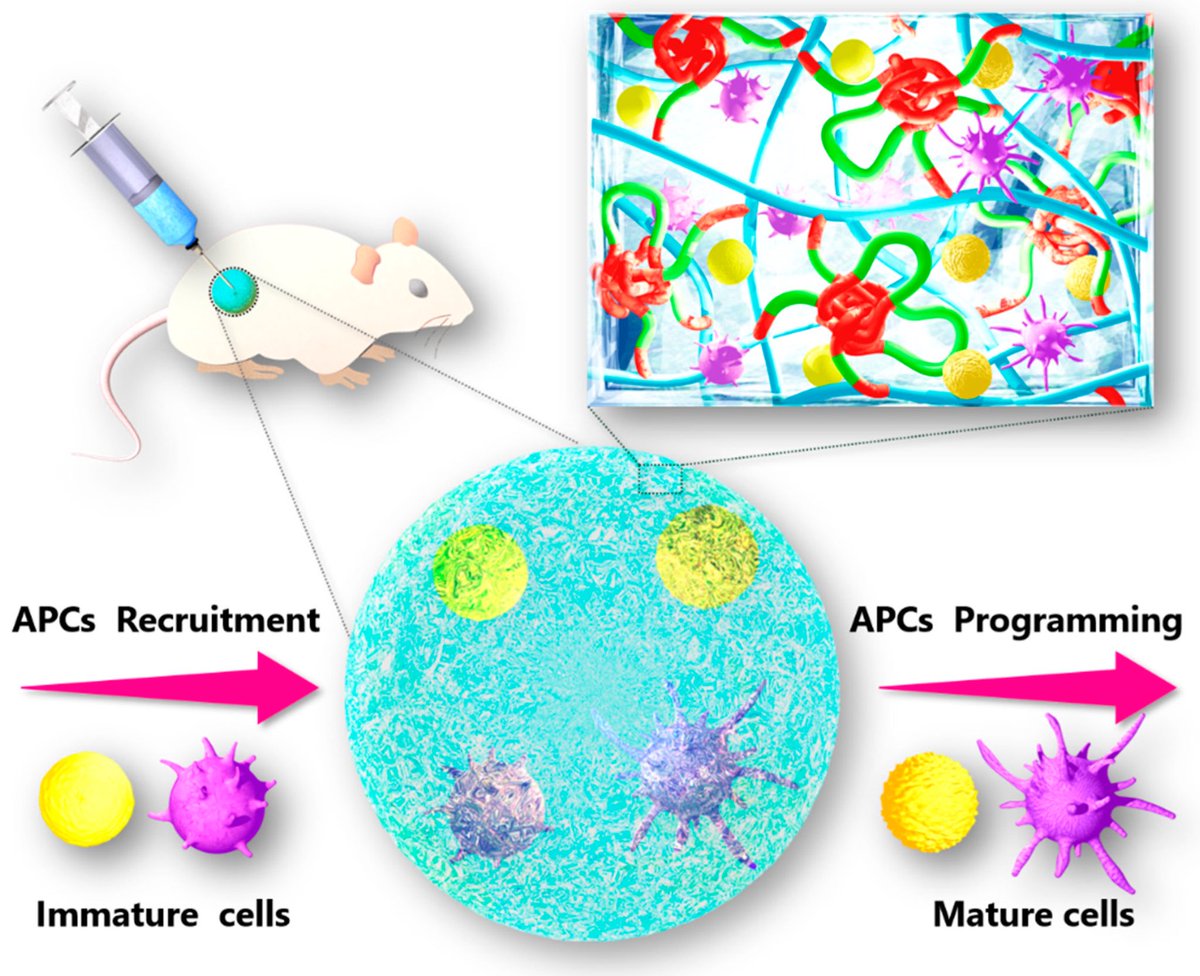

![JCRnEDITORS's tweet photo. Magnetic-responsive hydrogels: From strategic design to biomedical applications.
| Yu Cheng @TJU_China |
#magneticnanoparticle #hydrogel #stimuliresponsive
[50 days' free access]
https://t.co/oRkooBGAsX https://t.co/lyX4XYKSKp](https://pbs.twimg.com/media/E35pHVUVIAIm0Si.jpg)