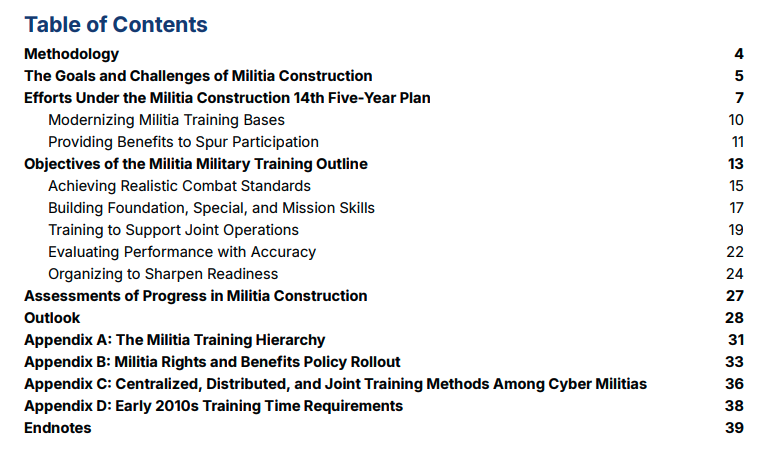
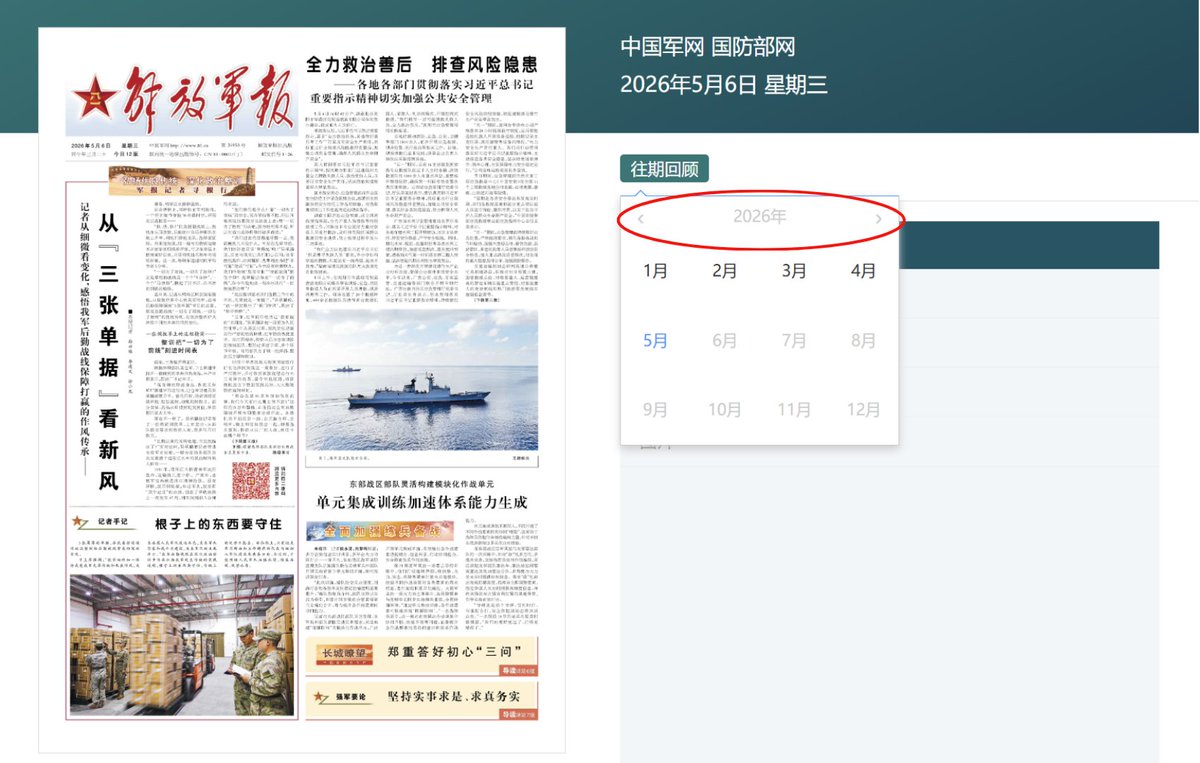
🚨 NEW RESEARCH — The ability of China’s militia forces to support the People’s Liberation Army (PLA) across all domains is likely improving. My latest explores war-oriented militia training reforms since 2018 1/x (link and key findings below)
Don’t miss your chance to read the new Cambridge element, Outsourcing Surveillance by Lynette Ong, Huihua Nie and Jesslene Lee! Free access available until 24 June at
https://t.co/GGb7Ct54Rp
#cambridgeelements#politics
I can't say I like the debate about "engagement" with Chinese intelligence. My rules are (1) prepare professionally; (2) don't assist in the exploitation of others; and (3) treat the Chinese side as what they are and ask.
If you don't want to do these three things, then, really, why are you meeting with them?
The basic rule should be to approach any engagement with the PRC/CCP apparatus with the same professionalism with which they approach these engagements.
At minimum, that means all U.S. participants should know with whom they are meeting. We often approach the Contemporary Institutes of Contemporary International Relations (CICIR) as though they were not a bureau of the Ministry of State Security (MSS). They are, in fact, intelligence professionals. We would not use CIA-affiliated to describe a serving CIA analyst, so we shouldn't use MSS-affiliated to describe CICIR. That analyst is CIA (or, in my case, was), just as a CICIR analyst is MSS.
I have heard from many participants in Track 1.5 and Track 2 dialogues with the Chinese that they were unaware who the Chinese participants really were. Nor were they aware of the history of the engagement, past transcripts, etc. All things that the Chinese side brings to the table. The Chinese side approaches these engagements as opportunities to shape outsiders' thinking much more than opportunities to explore ideas or potential initiatives.
A second rule would be to prepare people for what should or should not be within the bounds of the conversation. This is not about classified information, but rather what gossip should off limits, what personal details to keep discrete, etc. Do not aid in the exploitation of others.
There are a lot more, but I will finish with a third: if you're going to engage the MSS, PLA intelligence and political warfare, and united front organizations, then ask them about their system, what they do, why they do it, and how it works. Don't pretend like they are something other than what they are. Ask and you might be surprised by what you learn.
There is more to be gained by treating Chinese intelligence interlocutors as what they are than pretending that they have special insights into high-level policymaking. If someone in DC said a GS-13/14 intelligence analyst was an amazing source of insight into U.S. foreign policymaking, then they would be laughed out of the room. Maybe this is changing as the MSS becomes more important, but, for much of the last 43 years, that has not been the case.
If you are not willing to do these basic things, then you really should not be meeting with this part of the party-state and just stick to the diplomats.
P.S. Make sure you know who to call at your local FBI field office or equivalent in case something bad happens, like a recruitment pitch.
The PLA Daily’s military forum began examining the concept of “battlefield execution” (战场执行) in 2025, describing it as the ability to translate higher-level commander’s intent into operational plans and battlefield action. In my latest China Brief Notes
@ChinaBriefJT article for the Jamestown Foundation @JamestownTweets, I analyze this emerging trend and its connection to the PLA’s 2027 military modernization goals.
https://t.co/MNWdB6QDXh
Executive Summary:
(1) Recent PLA Daily discussion of “battlefield execution,” which concerns the capability of front-line commanders to implement higher-level operational intent, suggests senior officers are concerned about balancing the autonomy of commanders with political control over the military.
(2) Articles on “battlefield execution” show that the People’s Liberation Army (PLA) still recognizes deficiencies in its joint operations capability. Its release of several logistics-related measures and regulations this year indicate it views logistics as a core component of sustained battlefield execution capability.
(3) Battlefield execution likely relates to the 2027 centennial goal for military building, namely the development of a certain level of joint operations capability.
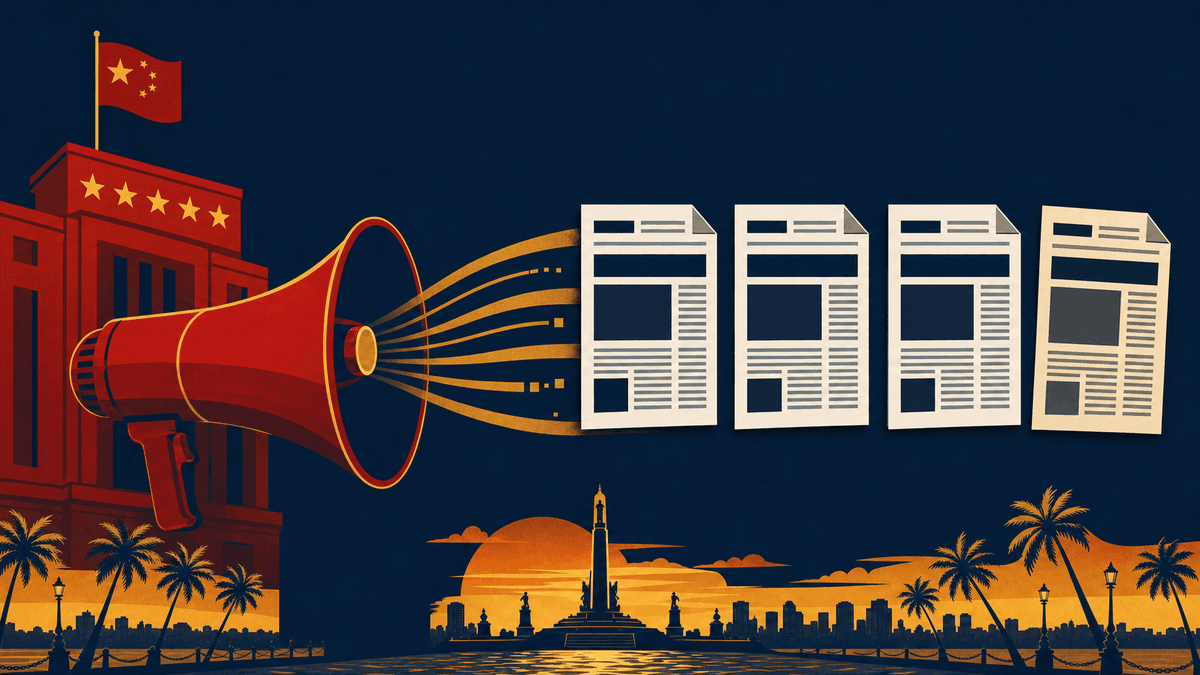
🚨NEW: Echo Chamber III: 🇨🇳Beijing’s Media Machine Targets 🇵🇭Manila’s Chinese Press
From Executive Director @GordianKnotRay: Beijing's Party-state targeting of Manila's Chinese-language newsrooms is comprehensive and escalating: from ambassadorial visits and front-page columns to all-expenses-paid tours of #China and joint ceremonies with United Front media. The #Philippines is the clearest case of a regional pattern of a vast cognitive warfare campaign, but certainly not the only one.
📰Read the full investigation -- link in the comments 👇👇👇
My latest @CIMSEC! “#China Is Rehearsing More Than Amphibious Landings”
https://t.co/6Zl4KnD9Bx
Honored to coauthor w/ Jason Wang, Marvin Bernardo & Pei-Jhen Wu! Thanks to #CIMSEC Editor @BrianKerg for his kind support!
Full-length study @NavalWarCollege/@ChinaMaritime: https://t.co/ErujA5zwHJ
🚨����🇳🏭📈🚨
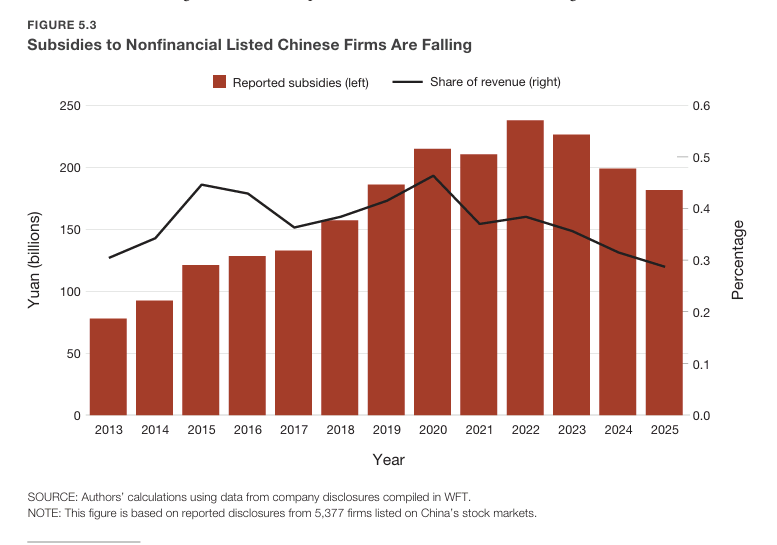
New @RANDCorporation report on China's techno-industrial policies under Xi! With @JonathonPSine and Benjamin Lenain. We detail the evolution, goals, and instruments. Lots of charts and summary tables! Please enjoy.
https://t.co/dev9o5Nn0v
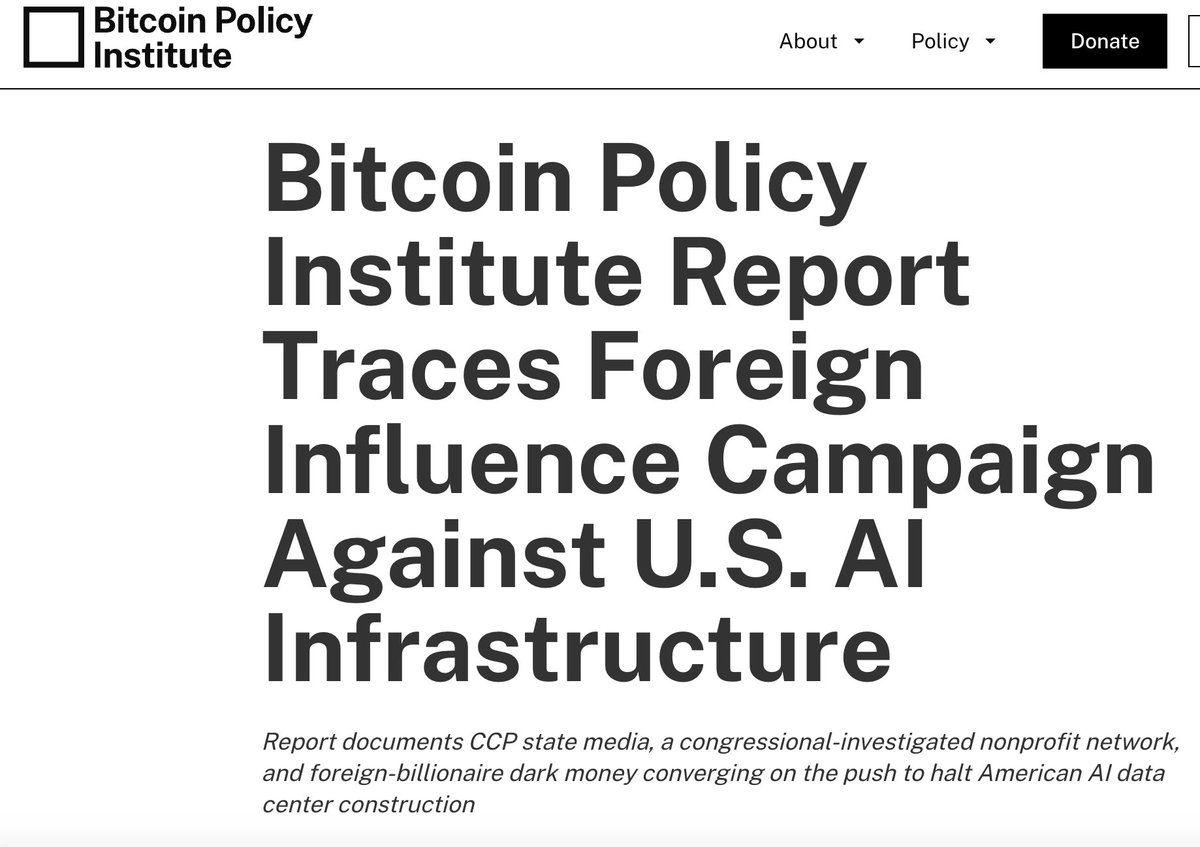
I increasingly find that my primary role in the "China influence" space these days is to debunk a lot of very, very poor quality "China influence" research reports that have been coming out.
I don't think it would be an overreach to call this slate of reports "China influence slop." But such a term is too kind, because it fails to indicate that these reports are primarily motivated by the desire to delegitimize grassroots American organizating by attempting to associate them with "hostile foreign forces" — a tactic widely used by the CCP to delegitimize grassroots Chinese civil society whenever it finds such movements inconvenient.
Let me start with a couple recent ones:
— The reports from Bitcoin Policy Institute and Power the Future which have led House reps to call for an investigation into anti-data center organizing
— And this latest one about how China is supposedly bankrolling climate activism at the University of California system and thereby acting to "shape California’s climate and energy policies."
I can demonstrate, very easily, that these reports are
1) exceedingly poor quality as China influence reports go
and
2) primarily and overwhelmingly motivated not by a desire to uncover China's influence (and thus to preserve the integrity of US civil society), but rather to delegitimize what are very obviously organic US movements (and thus to compromise the integrity of US civil society)
Reports like these represent an anti-democratic abuse of the concept of China influence research, which denies agency to real Americans.
These reports, given both their methods and their political goal, are also a form of disinformation and propaganda, very similar to how China paints Hong Kong pro-democracy protesters as stooges of America.
And finally, these reports make a mockery of actual, high-quality China influence research.
This must stop now — and journalists reporting on this style of report should do so with the highest degree of journalistic professionalism and scrutiny.
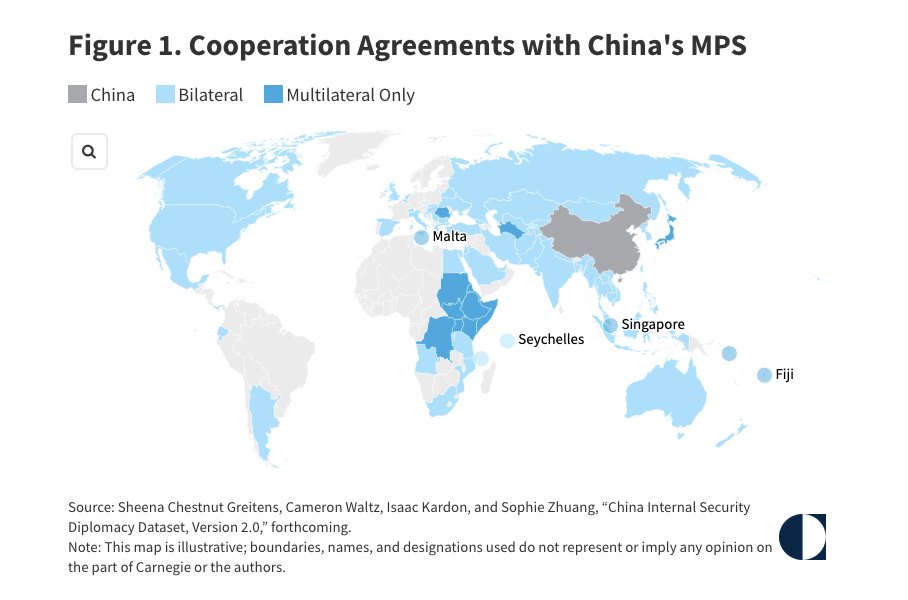
Sharing a new paper on an understudied tool used by China's Ministry of Public Security to expand its global reach: formal law enforcement & security cooperation agreements. China has signed at least 205 of these since 2006: 170 bilateral, 35 multilateral. 1/n
RAND: China's Science and Technology Strategy in Perspective: Historical Evolution, Political Drivers, and Global Implications
Science and technology (S&T) are central pillars of China's national strategy, underpinning the country's ambitions for economic modernization, global competitiveness, and national security. In this report, the authors provide an analysis of how China conceptualizes S&T as part of its broader national strategy. The authors draw on a variety of publicly available sources, including official Chinese government documents, China's policy statements, Chinese and international academic literature, and international reports. The report begins with the historical and political context that has shaped China's approaches to S&T. The authors then examine the policy landscape since 2012 under Xi Jinping's leadership, focusing on key guiding principles, national strategies, and policy instruments. Finally, the authors address the characteristics of China's S&T approach that contrast with international norms and practices. https://t.co/teZgguKQuC
PRC launched its latest round of severe crackdowns in early April 2026, targeting cross-border internet access and censorship-circumvention activities including VPN.
Unlike previous instances of sporadic node blocking, this operation demonstrates a high degree of inter-departmental coordination and is characterized by extreme technical blocking measures. *China Digital Times* has transcribed selected disclosed documents into text format. https://t.co/E1OP9sOWC2
What five decades of summitry reveal about U.S.-China relations ahead of the Trump-Xi summit next month
My latest in @ForeignPolicy with my @AsiaPolicy colleague @harrisonwang2
We draw four lessons from a database of all 136 direct conversations between U.S. presidents and PRC paramount leaders, from Nixon’s sit-down with Mao in February 1972 through Trump’s call with Xi this February.
1️⃣ Success should be measured not by whether Trump and Xi make a dazzling announcement but by whether they leave behind thicker diplomatic machinery than they found. Follow-through matters more than the press release.
2️⃣ Leader-level diplomacy matters most when the relationship is thin. So far this decade, U.S. and Chinese leader have averaged 2.5 conversations per year, down from 4.6 in the 2010s and 5.6 in the 2000s. Trump is the key player in DC's China policy, so this summit is critical to the U.S.-China trajectory.
3️⃣ The most productive summits focus on tractable problems rather than abstract aspirations about the broader relationship. Purchase agreements and a Board of Trade are far more likely outcomes than a grand bargain over Taiwan.
4️⃣ Do not over-read atmospherics. They are important but spectacle can obscure how little strategic alignment actually exists. The important questions to ask are practical ones: Did the summit create a schedule for future leader contact? Did it restore or strengthen military communications? Did it deepen working-level contacts on issues such as fentanyl, arms control, and cancer research? Did it produce credible processes for managing trade and investment disputes without touching the most sensitive national-security restrictions?
Trump's objective in Beijing should not be to resolve the U.S.-China rivalry, but to impose more discipline on it. In a relationship defined by strategic competition, the most valuable outcome would be clearer bottom lines and more reliable mechanisms for handling friction, as well as a deeper understanding of shared and divergent interests on transnational challenges.
RAND: Chinese Academy of Sciences Directory
A digital tool that helps government, corporate, and academic professionals examine how and to what degree CAS and its network of research institutes participate in and support Chinese defence activities
The Chinese Academy of Sciences (CAS) Directory, developed by RAND Europe, helps government, corporate, and academic professionals understand how and to what degree CAS and its network of research institutes participate in and support Chinese defence activities. It profiles 50 CAS research units and analyses their potential involvement in the development and sustainment of Chinese defence capabilities across six indicators. The result is a free, accessible, and evidence-based resource to support due-diligence and export-compliance efforts, helping users collaborate confidently with trusted partners while reducing the risk of inadvertently transferring sensitive technology or know-how. https://t.co/mhyHBKDhHI