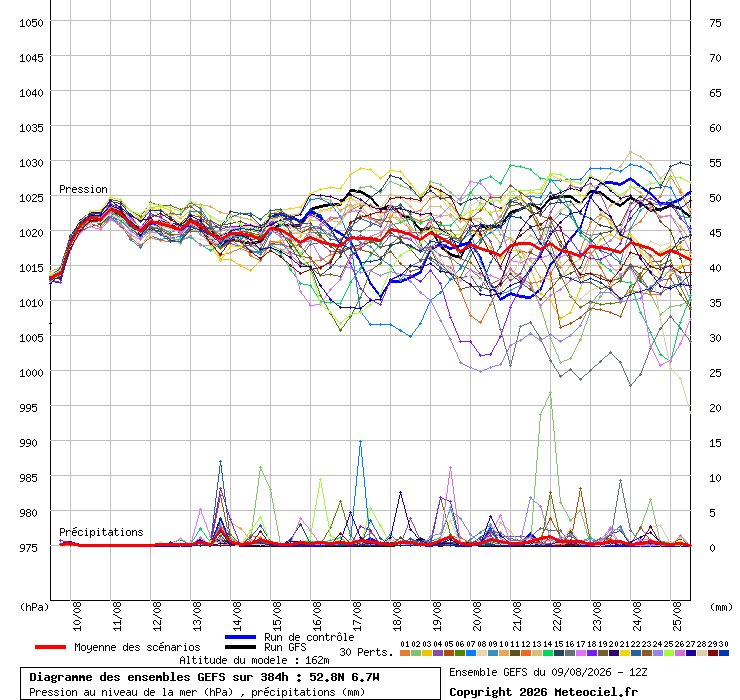
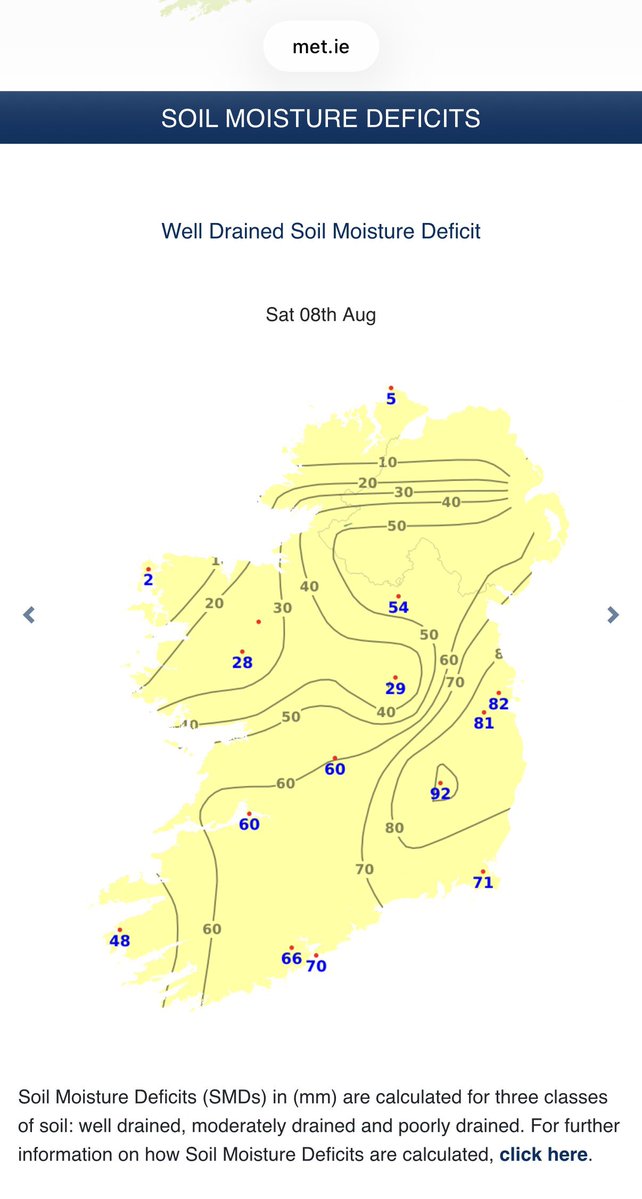
It may not be on the news headlines but for anyone living in the Southeast, especially around Carlow the lack of rainfall and the soil condition is a big issue. The SMD is up to 92mm now and no sign of any real rainfall for another week. The media will cover it when it hits home!
Day 146 update of the structural heart attack currently taking down the fossil fuel system (as at 23 July 2026)
>India: Rising costs and delays. Rerouting crude around Africa adds 10–14 days and higher freight charges. With the Yanbu route under pressure at Bab el-Mandeb, refiners face tighter supplies. Pump prices climbing, food inflation elevated, and industrial power tariffs in western states up sharply
>Pakistan: Tight fuel stocks. Reserves in low-teens of days for key products. Schools facing closures, workweek adjustments in effect, and LNG terminals constrained by QatarEnergy’s force majeure. Transport operators and petrol dealers striking over successive price hikes
>Bangladesh: Industrial slowdown. Garment and textile factories operating well below capacity amid gas and fuel blackouts. Emergency tenders for hundreds of MW of solar being fast-tracked
>China: Electro-shield holding. Cut crude imports by 3.8–4m bpd while maintaining economic activity. Relied on UHV grid, strategic reserves, and EV market share above 60%. Electrotech exports remain robust
>Japan: Drawing on reserves. Significant drawdowns from strategic stockpiles. Spot LNG prices elevated. Government accelerating emergency solar-plus-storage to ease pressure on gas peakers
>South Korea: Power constraints for data centers. Stockpile drawdowns continue. High LNG spot prices prompting tech firms to limit data center expansion and speed up solar and offshore wind deals
>Indonesia: Accelerating shift. Moving to retire large numbers of diesel plants. Advancing subsea cable plans for solar exports and remote-work policies for non-essential workers. Queues and daily limits at pumps
>Philippines: Extended energy measures. National energy emergency and 4-day workweeks still active. Solar loan programs expanding as electricity tariffs hit high levels. Jeepney transport groups staging nationwide strikes over surging fuel prices
>Vietnam: Factory disruptions. Industrial hubs facing fuel shortages and blackouts. Major firms shifting planned LNG capacity directly into domestic renewables
>Thailand: Fuel rationing in rural areas. Long queues in agricultural districts; state fuel fund depleted. Emergency solar-plus-storage for irrigation being prioritized
>Saudi Arabia & Gulf States: Fallback route strained. Yanbu pipeline exports (3.8–4m+ bpd) disrupted as tankers divert from Bab el-Mandeb. Qatar LNG exports remain heavily constrained. Lost export volumes despite elevated global prices
>Germany: High energy costs. Gas prices elevated. Heat pumps continuing to outsell gas boilers as industry accelerates electrification
>UK: Elevated wholesale prices. Government monitoring fuel emergency plans amid gas prices well above prior levels. Rooftop solar interest up sharply year-on-year
>France: Nuclear output limited by heat. Summer heatwaves reduced river-cooled plant capacity along major rivers. Temporary environmental waivers allowed while solar peaks carry afternoon loads
>Italy: Power cost pressure. Tax relief measures exhausted; generation costs influenced by gas up substantially. Manufacturers seeking faster grid links for solar-plus-battery projects
>Slovenia: Fuel purchase limits. 50L daily caps enforced to curb cross-border buying from higher-priced neighbors
>Türkiye: Price and inflation pressure. Weekly fuel hikes; inflation passing 35% and currency under strain from energy import bills
>US: SPR at multi-decade lows. Strategic Petroleum Reserve drawn down significantly; diesel prices up 40% from pre-conflict levels. Data center growth facing gas-price headwinds, with hyperscalers turning to direct solar/battery solutions
>Brazil: Distribution strains. Petrobras lagging international diesel prices; warnings of potential shortfalls in southern agricultural states. Credit support expanding for EV transport fleets
>Kenya: Supply tightness. Wholesale constraints under state price caps; pump prices up substantially year-on-year. Commercial electric two-wheeler sales rising rapidly
>South Africa: Agricultural fuel limits. Farmers receiving only a fraction of normal diesel quotas in key seasons. Chinese solar panel imports up sharply to close the gap
>Australia: Longer shipping times. Tanker arrivals slowed by Cape routes. Grid batteries covering a record share of evening peak demand in key markets
Renewables = energy and national security = only exit strategy
Interesting study done using 1400+ soccer matches between low and high altitude South American teams.
Teams at similar altitude won at about a 53% rate (2-3% tends to be the "typical" home field advantage across most team sports). As the altitude difference between two teams increases, it gets as high as 82.5% win rate for the higher altitude home team.
Every 1000 m of altitude roughly accounta for a half a goal. So Mexico will have about a goal and a half advantage over England.
Not insurmountable, for sure. But ppl who are thinking this is gonna be an easy England win are way off base here.
https://t.co/hgXJm4Y3iG
🚗🔋 Many think Beijing masterfully planned China's EV takeover. Fengming Lu (@ANUBellSchool ) and I spent 3 years and 60+ interviews finding out what actually happened in our latest article @TheChinaJournal. A thread 🧵
Here's a snapshot of the biological insult from international travel. It takes your body over two weeks to fully recover.
It's a big price tag.
One international trip per quarter is a reasonable balance.
Time to recover:
> sleep duration: 2 days
> grip strength: 5 days
> mood: 1 wk
> cortisol: 9 days
> sleep quality: 2 wks
> blood glucose: 2 wks
העולם לא באמת גווע ללא נפט...אבל אל תבנו על טיסה זולה לפריז בקיץ הקרוב.
אנאס אל האג'י, המומחה מס אחד בעולם בתחום האנרגיה, מציג תמונה הפוכה לחלוטין ומנפץ את נרטיב המחסור בנפט הגולמי. אל-האג'י מצביע על כך שהשוק סובל מחוסר הבנה מבני של הנתונים, ומסביר את המציאות הפיזית באמצעות שלושה כשלים מרכזיים בנרטיב הקיים.
הטיעון המרכזי של אל-האג'י חושף כי הירידה המדוברת במלאים היא אשליה אופטית בלבד. על פי הנתונים, 98% מהצניחה במלאי העולמי מגיעה ממשיכות מתוך המאגרים האסטרטגיים הממשלתיים ולא מהמלאי המסחרי.
יתרה מכך, כמעט כל המשיכות הללו מוגבלות לשתי מדינות בלבד: ארצות הברית ויפן. בעוד שיפן מושכת נפט בשל אילוצים מקומיים, ארצות הברית משחררת נפט מתוך עמדת שפע ומגדילה את היצוא שלה. המלאי המסחרי הרגיל בעולם נותר יציב לחלוטין, ומכאן שהשוק החופשי אינו חווה מחסור פיזי בנפט גולמי.
ההבחנה החשובה ביותר של אל האג'י היא ההפרדה בין נפט גולמי למוצרים מזוקקים כגון בנזין, סולר ודלק סילוני. הלחץ הממשי בשוק נמצא אך ורק בצד המוצרים ולא בצד חומר הגלם.
חוסר היציבות הגיאופוליטי הוביל להשבתת שלושה בתי זיקוק ענקיים במפרץ הפרסי בסעודיה, כווית ובאיחוד האמירויות, לשיבושים ברוסיה ולהטלת מגבלות יצוא פוליטיות על ידי מדינות כמו סין והודו. כתוצאה מכך, בתי הזיקוק הפעילים במערב כבר פועלים בניצולת שיא של כ-94.5%.
כאשר בתי הזיקוק נמצאים בקצה קיבולת הייצור הפיזית שלהם, הם אינם מסוגלים לקלוט ולעבד חביות נפט נוספות, גם אם הביקוש לדלק בתחנות בשיא הקיץ יהיה גבוה במיוחד. מכיוון שבתי הזיקוק אינם יכולים להגדיל את הביקוש שלהם לנפט גולמי, אין כל סיבה לעלייה חדה במחיר החבית.
אל האג'י מדגיש כי נפט אינו מוצר אחיד. המשבר הגיאופוליטי במזרח התיכון גרע מהשוק בעיקר נפט בינוני-גופרתי, החיוני לייצור סולר. זו הסיבה לדרישה הגבוהה לחביות מתוך המאגר האסטרטגי האמריקאי, המספק את האיכות הספציפית הזו. תפוקת הנפט החדשה של ארה"ב מורכבת מנפט קל ומתוק, שאינו יכול להוות תחליף ישיר לאיכות שאבדה.
הלחץ הנוכחי בשוק ממוקד כולו בצווארי הבקבוק של הזיקוק ובמחסור אזורי במוצרים סופיים, כגון דלק סילוני באירופה או גז בישול באסיה. תמחור הנפט הגולמי הנוכחי מונע מחששות גיאופוליטיים ומפסיכולוגיה של משקיעים, ולא מגירעון פיזי אמיתי באספקת החביות העולמית.
Very flattered to play a part in the Dutch as well as the German debate over economic and trade policy.
As Sander notes, a policy that insulates Europe from importing some of China's distortions is fully consistent with the Draghi agenda
1/
People are realizing that AIs are nowhere near human intelligence and learning abilities.
Yet they have become very useful by compensating for their lack of common sense, lack of understanding of reality, and limited reasoning and planning abilities, by the accumulation of enormous amounts of declarative knowledge.
A thread on the 50 best fortifications to go and visit in the world according to me. They are all fun for at least one in the family. They are listed in reverse rank order as determined by how much fun, unique and awesome they are.
TSOs (Transmission System Operators) don’t like it when you arbitrage scalp their client base.
What people consistently fail to acknowledge is that if you are a power generation project your customer is the TSO, not the consumer.
TSOs do not see power as a commodity they buy.
A transmission system is a SYSTEM.
It is NOT an exchange where commodities are exchanged. A transmission system is a system. It has system requirements, it has boundaries and interfaces, it has inputs and outputs, it is a system.
If you presume the transmission system is a commodity exchange you are going to get hurt.
TSOs don’t simply buy the lowest price power. You don’t wear the cheapest shoes you can find and TSOs don’t connect the cheapest power they are offered.
TSOs connect the power projects that meet their system requirements. There are very few such projects in the connection queue.
Connection queues are rammed full of bad projects that nobody wants to connect, because these bad projects destabilise and devalue the wider system.
What TSOs need right now is Reactive Power, not Active Power. They need more Q and not more P.
The global electricity market is about $3.5 trillion and of that $900bn is spent on transmission and $2.6 trillion is spent on generation.
Transmission is around 25-30% of the cost.
Utility scale batteries use transmission twice, once on the way in, once on the way out. This puts a greater demand on the transmission infrastructure than direct power transmission.
TSOs are going to start billing BESS systems accordingly, they are going to operate their system in such a way as to perfectly determine how much BESS connections are scalping arbitrage, and how much they are doubling the burden on the transmission infrastructure.
We’re still going to get a lot of BESS, but an awful lot of people are modelling grids as commodity exchanges and taking insights that don’t match market reality or the second order dynamics.
@brettruganalyst Great perspective as always. Was interesting to see three Toulon players standing in the way of Leinster defenders in the last play, never noticed in real time