🚨 Job Alert! 🚨
Exciting opportunity in the lab! We are hiring a Senior Research Technician (12-month fixed term) to join my team and dive into the fascinating world of phage-bacteria-plant interactions 🌱🦠Deadline: 12th May, https://t.co/T4gxqANIP2
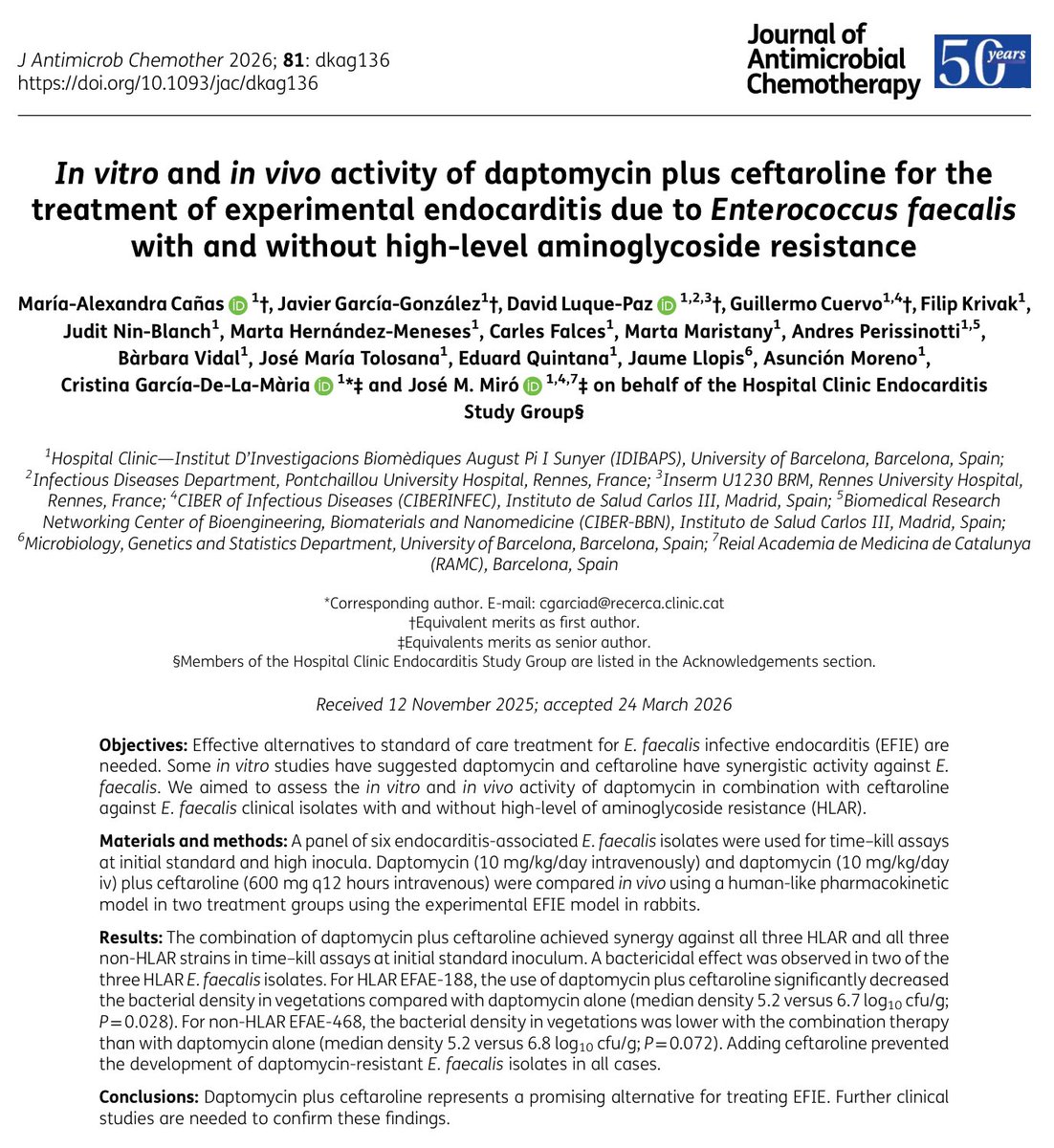
A new paper from our experimental endocarditis laboratory: the combination of ceftaroline and daptomycin may be an interesting option for the treatment of infectious endocarditis caused by Enterococcus faecalis @hospitalclinic@idibaps@Cristina072020
https://t.co/Fuox20oruD
“It’s a major advance, on the scale of an AlphaFold4. The problem, of course, is that we know nothing of the details.”
Isomorphic Lab’s proprietary drug-discovery model is a major advance
https://t.co/BSyUBWqj28
The AI drug discovery industry just ran a $15 billion experiment proving a 2011 Turing Award winner right.
Judea Pearl has argued for decades that statistical models trained on text learn how we describe the world, not how the world actually works. That distinction sounds philosophical until you watch it destroy capital at scale.
2025 was supposed to be the validation year. AI-designed drugs entered clinical trials backed by billions. The result? Zero FDA approvals. Multiple candidates shelved after Phase II. Several well-funded AI drug companies shut down entirely. One CEO said publicly that AI has delivered “failure after failure” over the last decade.
The failure pattern is exactly what Pearl predicted. These companies trained models on published papers and genomic databases. The models found correlations. The correlations didn’t survive contact with human biology.
Here’s the number that should terrify the industry: $15 billion in announced AI drug discovery partnerships in 2025. The actual upfront payments? About 2% of headline value. That 50:1 ratio between announced deals and real money tells you pharma knows the correlation-mining approach hasn’t cracked clinical success rates beyond the historical 90% failure baseline.
Meanwhile, the companies integrating Pearl’s causal inference into their pipelines are telling a different story. BPGbio ran a Phase Ib oncology trial with 104 patients using Bayesian causal AI models trained on biospecimen data. They identified a metabolic subgroup that responded significantly better. That’s the difference between “this gene correlates with cancer” and “this metabolic pathway causes treatment response in these specific patients.”
The FDA noticed. In January 2025, they announced plans to issue formal guidance on Bayesian methods for clinical trial design. Regulators are moving toward causal frameworks before most AI companies have.
Pearl’s “ladder of causation” maps three levels: association (what correlates), intervention (what happens if we act), and counterfactuals (what would have happened differently). Most AI drug discovery is stuck on rung one. The companies that climb to rung three will compress drug timelines from 10 years to 3. Everyone else will keep generating impressive correlations that collapse in Phase II.
The gap between “learning how we describe biology” and “learning how biology works” costs $2 billion per failed drug. Pearl quantified the problem decades ago. The bill is coming due now.
Announcing Rosalind, the most versatile AI Co-Scientist for computational biology and therapeutics research. Giving every biologist their own frontier research lab. Make every experiment count. It's live. Links in the comments.
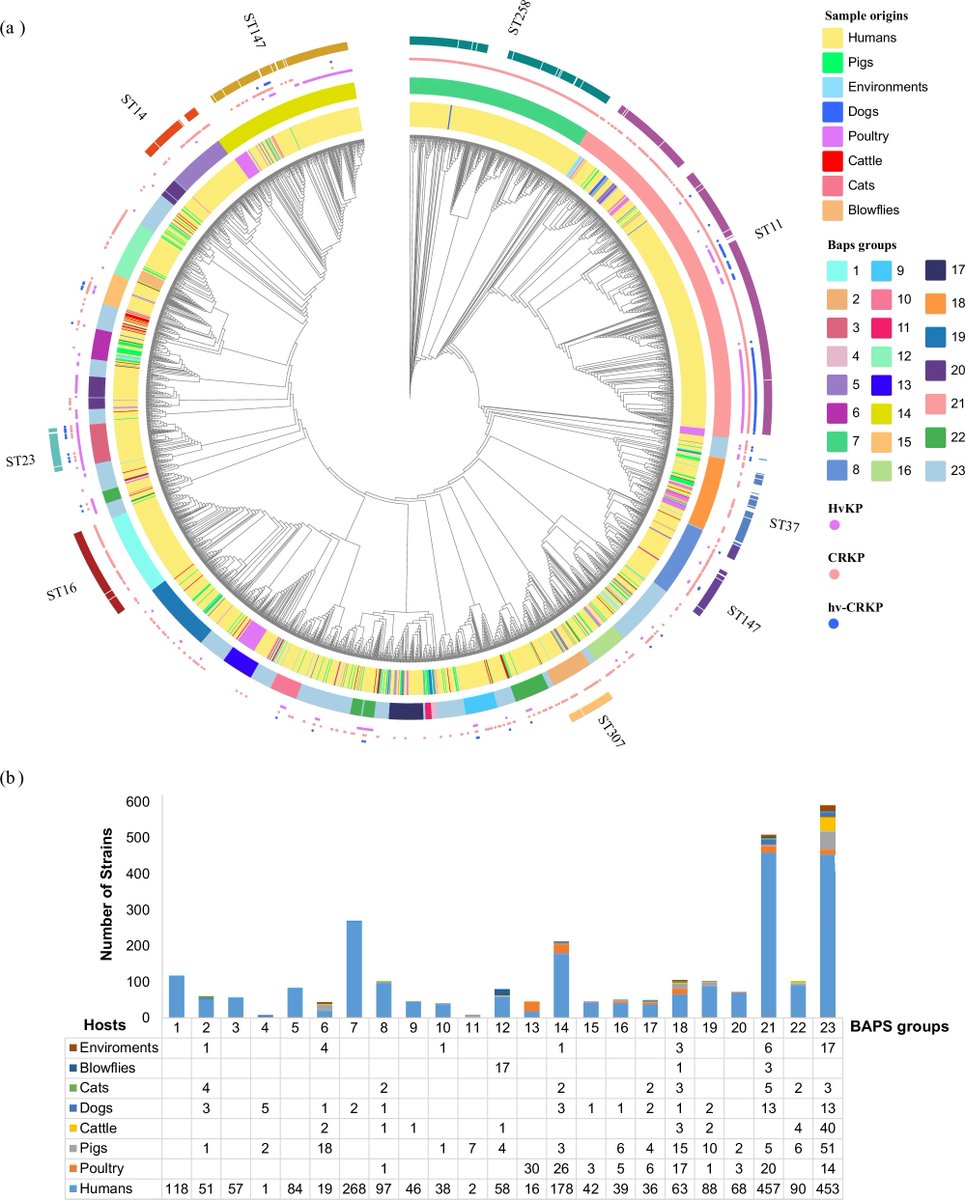
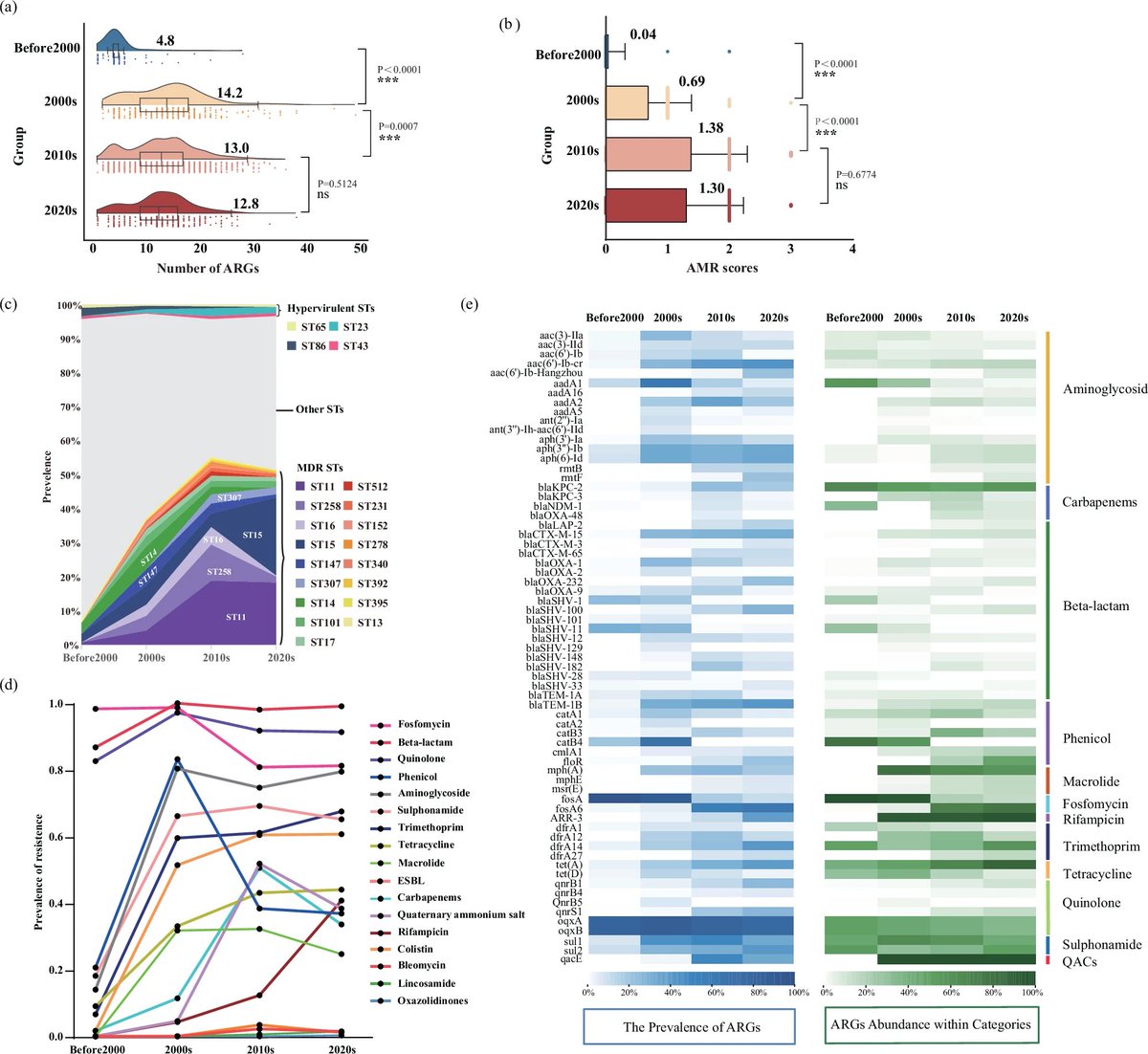
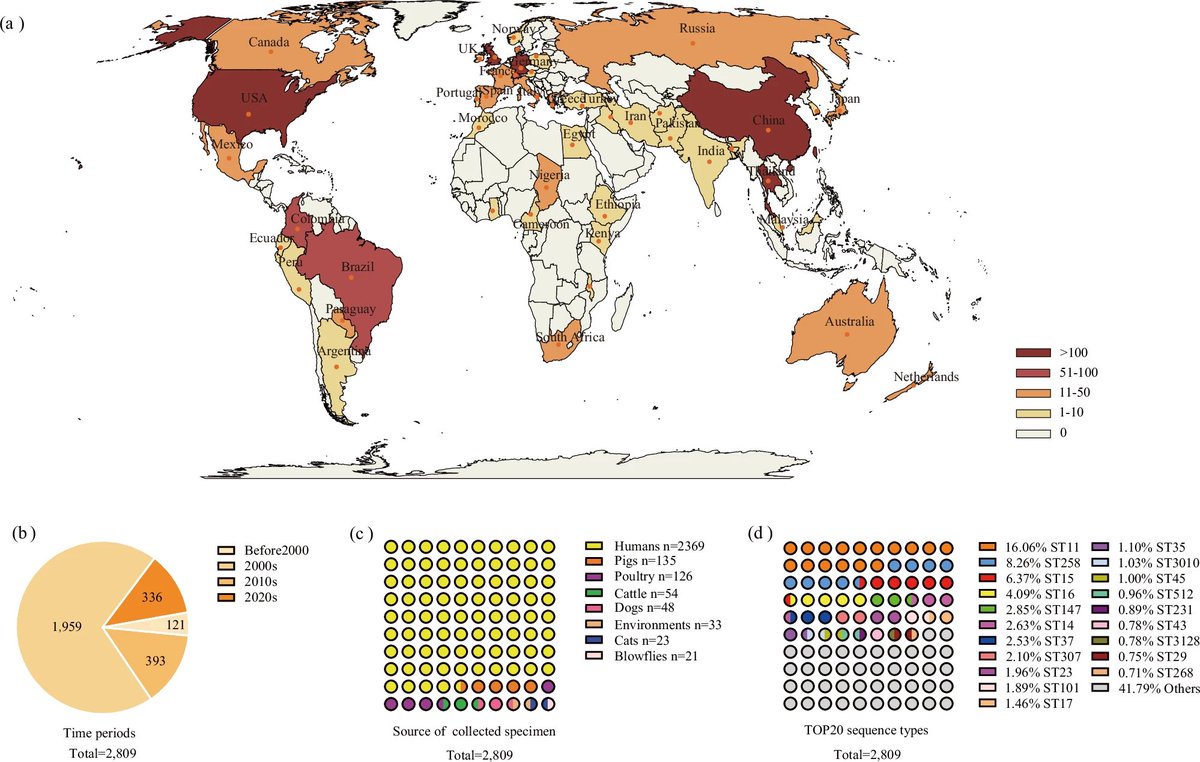
Global trends of antimicrobial resistance and virulence of Klebsiella pneumoniae from different host sources | Communications Medicine
(https://t.co/RTx6VPimLE)
@WMPolice in the past few weeks I have witnessed some of the most appalling and dangerous driving at the junction of the A45 and Kenniworth Rd in Coventry WTW ref ///price.tour.cove.
Any cameras there?
@ABsteward@SaiduluGanta So what does the N392T mutation do in the active site of PBP3 and does it have a consequence for peptidoglycan biosynthesis and growth?
Continuing #EUTOPIA @, our new monthly series shining a light on one university, its people, stories, and connections. Through this series, we explore how EUTOPIA comes to life across Europe’s campuses with:
🚄Mobility Storytelling: profiles of staff, academics, and researchers shaping collaboration across Europe
🎓Student Content: voices and experiences from our Student Council and local communities
🤝Connected Community Portraits: partnerships and projects linking the university with its city and region
🏛️Fun Facts: unique cultural or historical gems that define each place
💻This month, discover the people and stories behind EUTOPIA at @CaFoscari: https://t.co/OhWr34nXWO
I dont normally do politics on twitter.
Just heard my 15 year old grandson got mugged on the way to school in Purley, marched at knife point to a cash point
Murder in London may be down but what about all the other stuff FFS? @MayorofLondon@Councillorsuzie@metpoliceuk
@MetCC His father has reported it and that fact that the perpetrator hand my grandson’s phone back to him so there are finger prints and CCTV from the ATM. Kindly do some detective work and get this ***m off the streets.
I dont normally do politics on twitter.
Just heard my 15 year old grandson got mugged on the way to school in Purley, marched at knife point to a cash point
Murder in London may be down but what about all the other stuff FFS? @MayorofLondon@Councillorsuzie@metpoliceuk
Beyond mecA
Super interesting 👀
a novel mechanistic framework for 🆕⚡⚡Study revealed for the first time a HIGH-level ceftaroline resistance beyond mecA mutations, in which RpoB plays a key link between carbapenems exposure and ceftaroline resistance emergence #IDXposts
https://t.co/Ci4qlkVbFY
Development of a high-throughput screening platform for C. difficile toxin synthesis inhibitors unveils meclizine as an antivirulence agent | Antimicrobial Agents and Chemotherapy https://t.co/sZalt7RjFc
Happy new year everyone, this time last year I was looking forward to some winter sun in South Africa at the @BMSV conference. That same feeling would be welcome now!