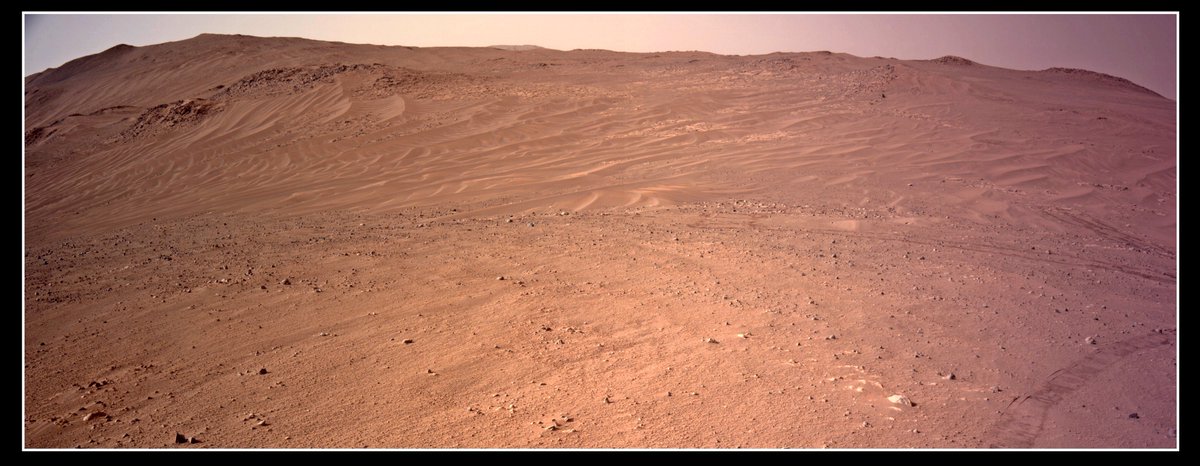
Lovely new view of Perseverance's tracks leading away behind her, made from images sent back yesterday... Image Credit: NASA/JPL-Caltech/Additional processing S Atkinson
Catalina Villegas Montoya (@ruhrunibochum) shows how citizen-science data using @Unistellar telescopes can be used to extract night-sky brightness information. #LPTMM2026
In 1991, a museum in Stuttgart, Germany, purchased a 113-million-year-old fossil from a private dealer in Germany. The specimen—the skull of a massive carnivorous dinosaur named Irritator challengeri—is one of thousands of fossils taken out of Brazil over the past century. For years, Brazilian researchers have called for the repatriation of Irritator. Now, it may finally be heading home.
Last week, during Brazilian President Luiz Inácio Lula da Silva’s visit to Hannover, Germany, the governments of both countries issued a statement proclaiming the “willingness” of the State Museum of Natural History Stuttgart to return the cherished fossil to Brazil.
Learn more: https://t.co/b90U7ajD4l @NewsfromScience
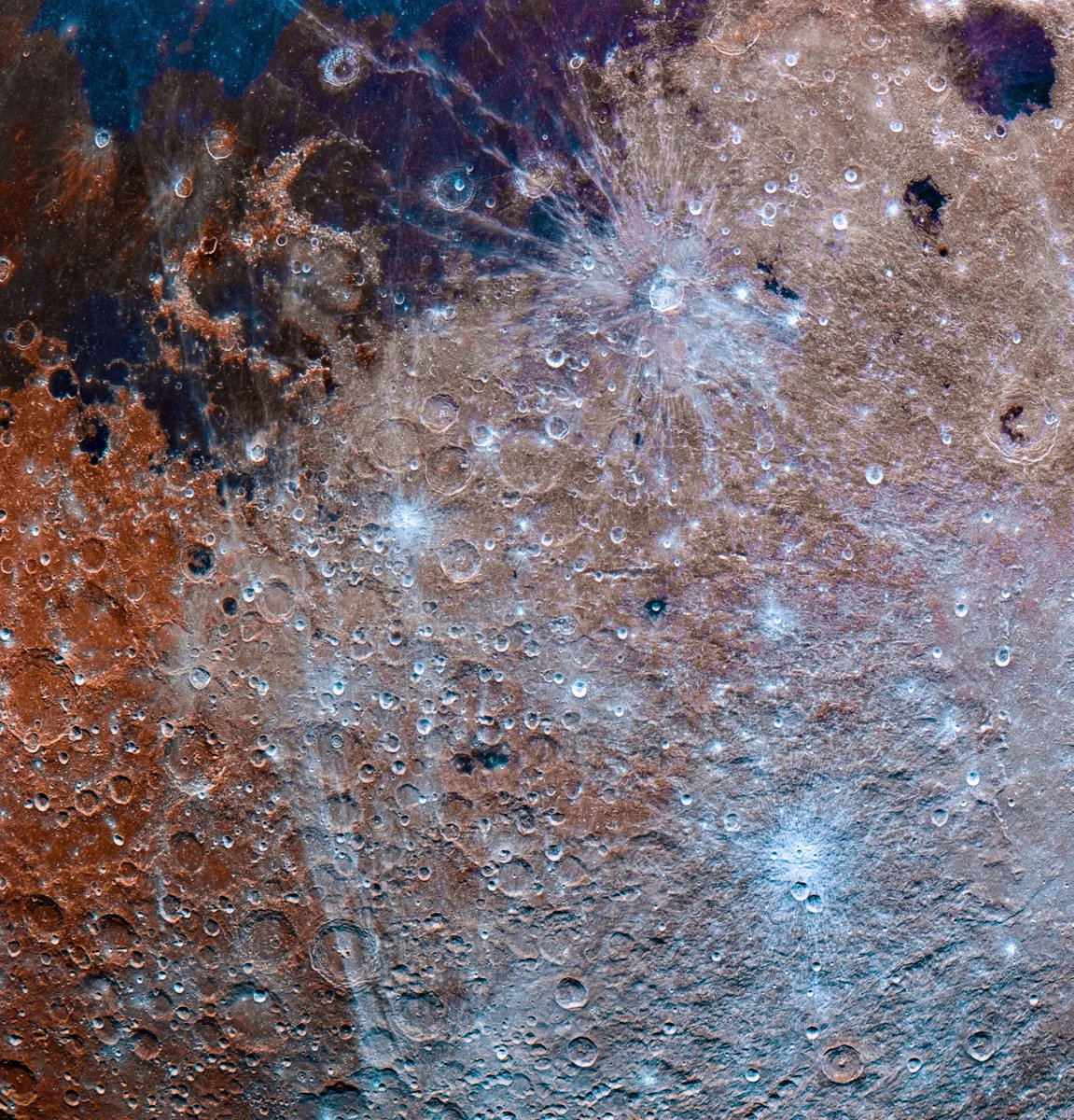
The stunning color of the far side of the moon, photographed by human hands for the first time since 1972. Advancements in digital photography over the last 54 years gives us a much better look at the moon's battered history.
Photos captured by @astro_reid, processed by me.
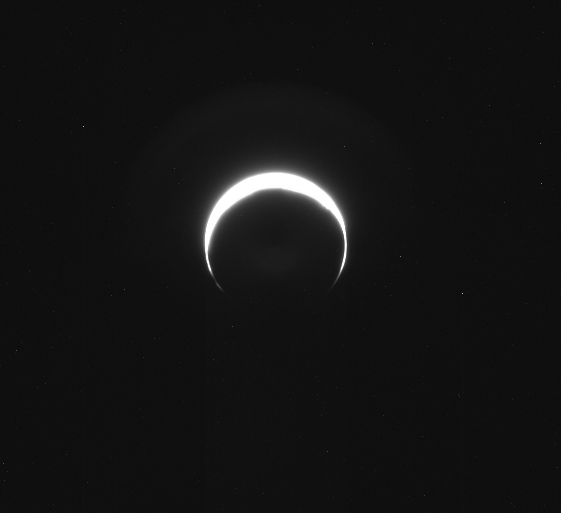
This is not an eclipse, but an even more rare sight: a crescent Mars as seen by NASA’s #MissionToPsyche spacecraft.
The unprocessed image — taken by Psyche today — shows the night side of Mars as the spacecraft approaches the Red Planet for a flyby on May 15. The glowing crescent is sunlight reflected from the day side of the planet's surface, as well as sunlight passing through its atmosphere. The irregularities in the crescent are likely caused by surface features, and dust and clouds in the atmosphere. 1/2
News You May Have Missed ⤵️
ALMA Reveals Teenage Years of New Worlds
"ARKS" survey captures previously unknown growing pains in the lives of planets, producing the sharpest images ever of 24 debris disks.
https://t.co/mziHxkjjmO
NASA’s Juno spacecraft captured this view of Thebe, the second largest of Jupiter’s inner moons, during a close pass on May 1, 2026.
Thebe is believed to play a role in the formation of the planet’s “gossamer” ring through the shedding of dust. Read more: https://t.co/OUGGbApsCs
As Hayabusa2 prepares for the flyby exploration of asteroid Torifune, the team are searching for local hosts to support two fun campaigns: "Imagining Torifune" art competition and "Experience the Torifune Flyby in VR". Click here to find out more! 🔗 https://t.co/efcPIO4EnN
Jetzt #Petition🟥 verbreiten: 'Stoppt den Abriss des Wittwer-Buchhauses am #Stuttgart er Schlossplatz'
Bitte unterzeichnet hier die Petition:
https://t.co/oH5wF48uf0 ⤵️
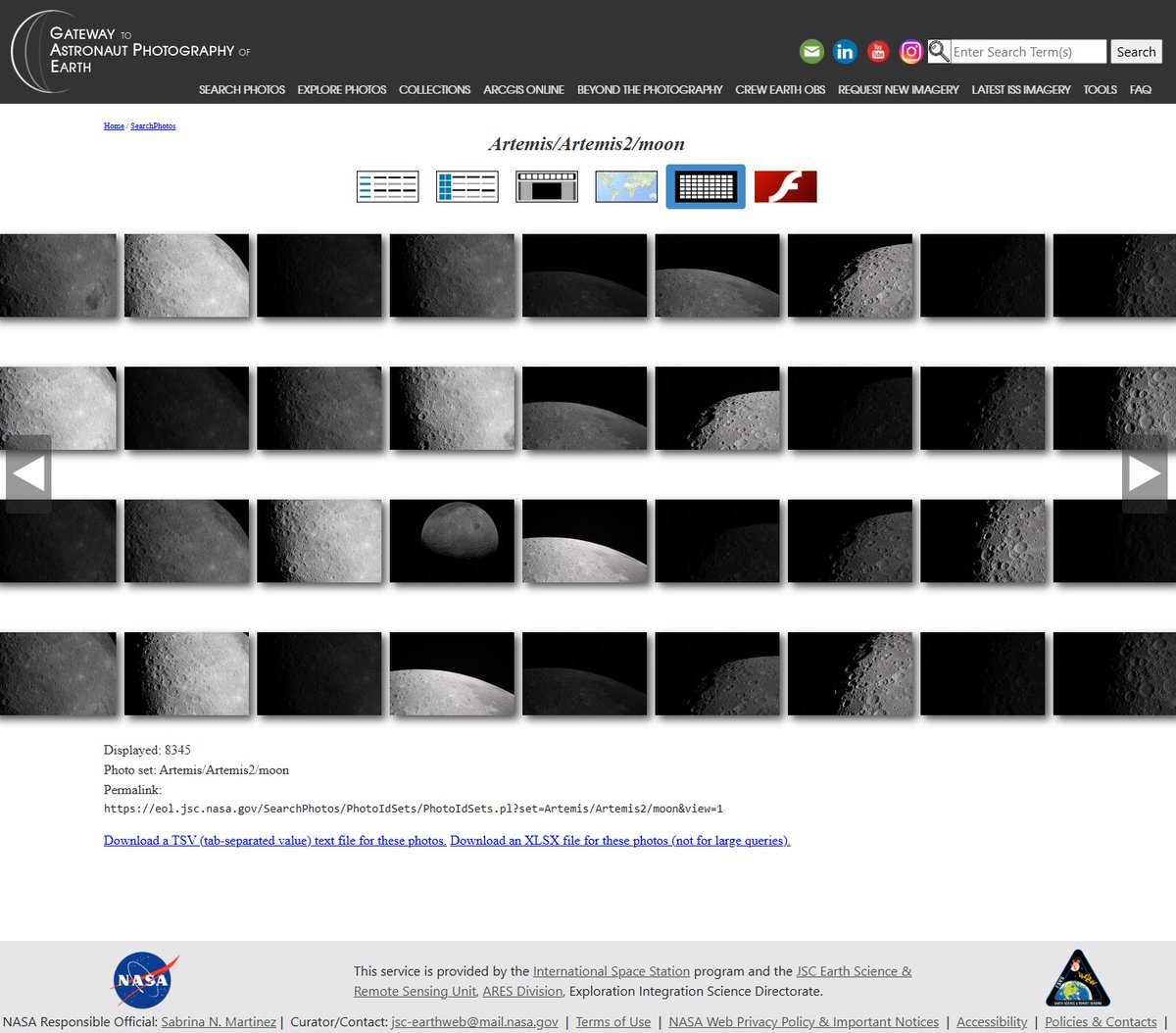
The Artemis II images browser is in a much better shape now, with separate collections for Earth, Moon, and Eclipse images. A complete scientific data archive prepared by the lunar science team and peer-reviewed is to be released through PDS.
https://t.co/Hy4m8oSwOR
#Artemis
New martian panorama, stitched together and processed from images taken by Perseverance outside Jezero Crater yesterday... Image Credit: NASA/JPL-Caltech/S Atkinson