Excited to share our randomized Phase II #SUMITBC trial, now published in @NatureComms!
Samuraciclib, a selective #CDK7 inhibitor, + fulvestrant showed promising activity in HR+/HER2− advanced #BreastCancer after CDK4/6i progression.
📊 Median PFS:
360 mg: 7.8 mo
240 mg: 8.5 mo
Fulvestrant: 5.6 mo
A particularly encouraging signal was observed in TP53 wild-type tumors with samuraciclib 360 mg:
🔹 ORR 54.5%
🔹 CBR 69.2%
🔹 mPFS 14.5 mo
These findings support further investigation of CDK7 inhibition as a strategy to overcome endocrine/CDK4/6 resistance.
Proud to be part of this international collaboration!
#BCSM #BreastCancer
🔗 https://t.co/X4RtXsOmj2
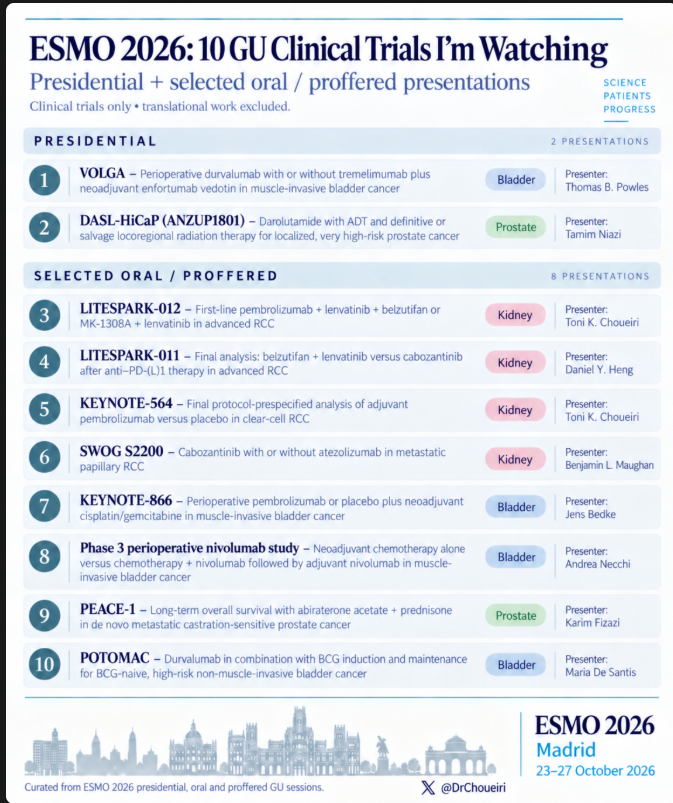
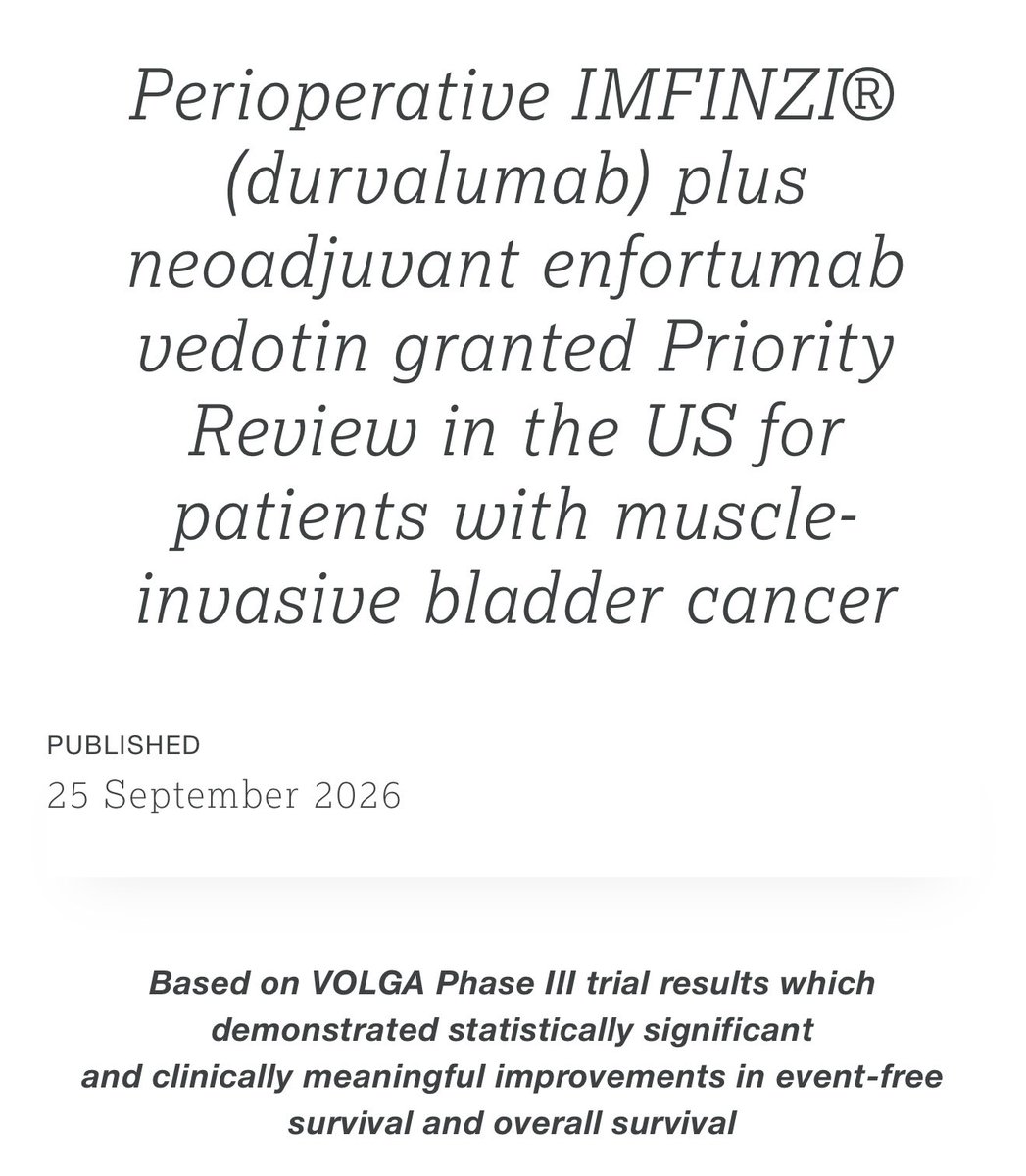
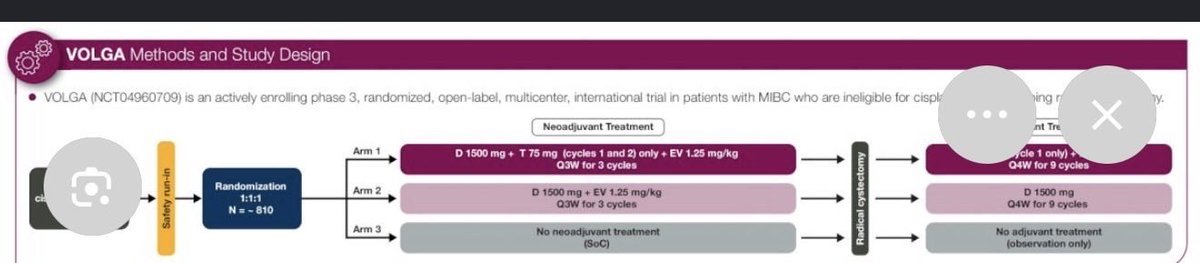
FDA grants Priority Review for the VOLGA trail, in which 3 neoadjuvant cycles of EV and a year of Perioperative durvalumab was given for patients with muscle invasive bladder cancer. Press release states an EFS and OS advantage. Data will be presented #ESMO26@OncoAlert@myESMO@Annals_Oncology https://t.co/xviPkTWjhN
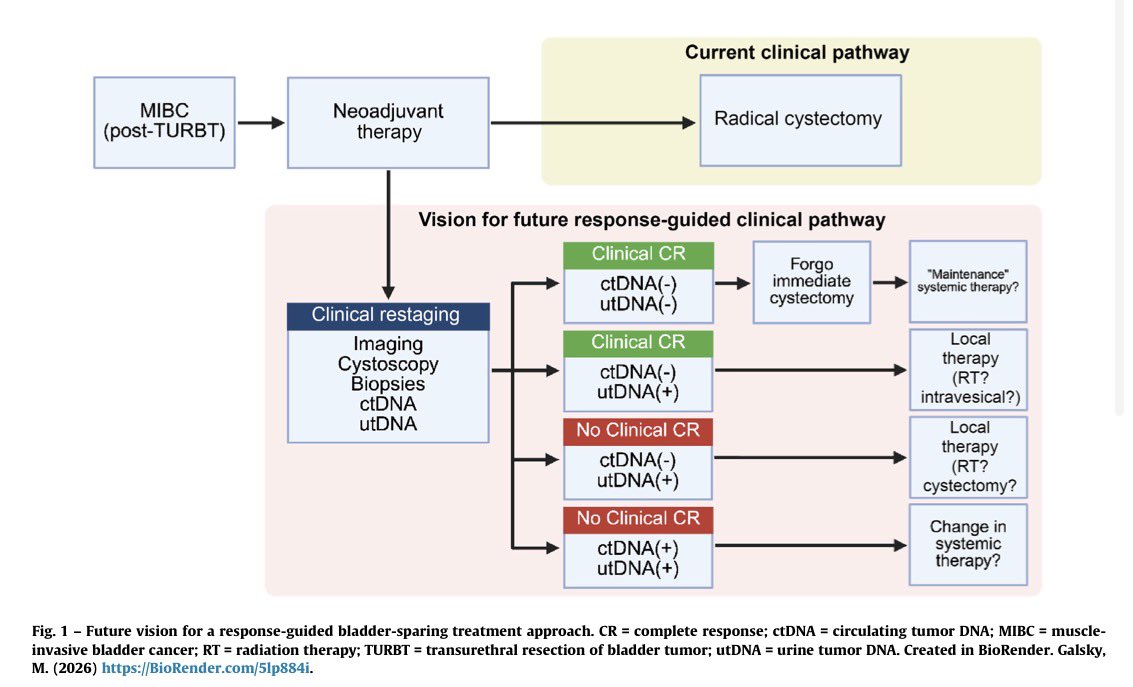
📌Response-guided bladder preservation in #MIBC
Standardised cCR (TURBT biopsies + urine cytology + imaging) as a robust composite biomarker to guide these strategies.
Prospective trials (EV-309, NEO-BLAST) will be crucial.
@OncoAlert@EUplatinum
https://t.co/qv8w6KdJ7x
Recent @Nature analysis shows the breakdown of cancer-related publications in the and reveals the cancer types with the highest output, and the leaders of the field.
📊 Breast cancer remains the most-studied cancer globally in the Nature Index (2021–2025), well ahead of lung cancer.
🌍 The 🇺🇸 and 🇨🇳 together contribute ~60% of global cancer research output in the Nature Index.
🏛️ @Harvard is the world’s leading institutional contributor, followed by the Chinese Academy of Sciences @CAS__Science and @NIH
🎯 Countries with the strongest cancer research focus relative to their overall scientific output include the 🇺🇸 🇳🇱 🇸🇬 🇨🇦 🇹🇼 .
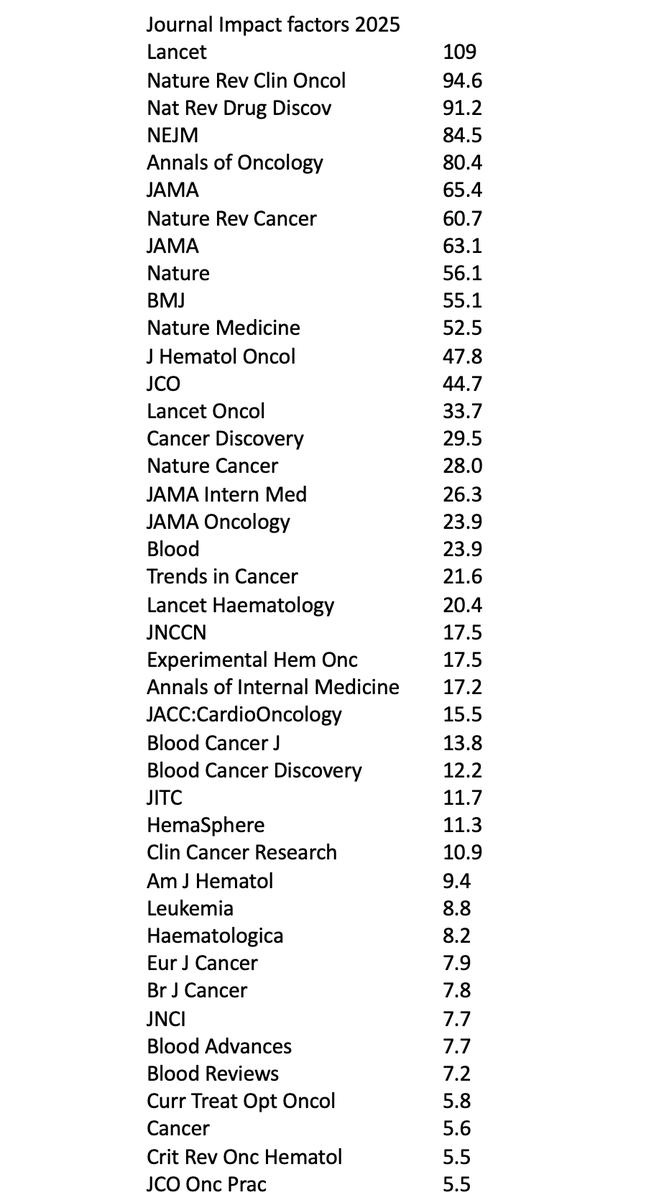
Updated my handy haem/onc journal list with the recently released 2025 impact factors
Good to have on hand when thinking about where to send a manuscript
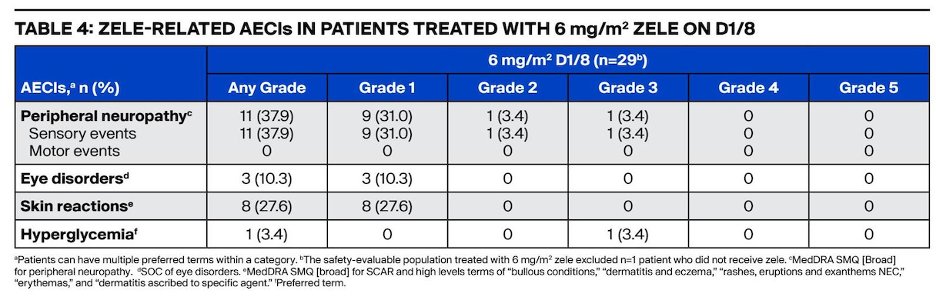
#ASCO26 Dr. Petrylak presented updated Duravelo-2 data evaluating zelenectide pevedotin (zele), a first-in-class Bicycle Drug Conjugate delivering an MMAE payload through a small peptide-based Nectin-4 targeting platform:
🔹 Confirmed ORR approached 30% in heavily pretreated patients
🔹 Complete responses observed in both dosing cohorts
🔹 ~1/3 remained on therapy at week 27
🔹 No grade 5 TRAEs
🔹 No severe skin toxicities observed
🔹 No SJS/TEN reported across 595 treated patients to date
The optimized 6 mg/m² D1/D8 schedule may offer a differentiated safety profile compared with currently available MMAE-based ADCs.
@UroToday@ASCO
Durvalumab + BCG is FDA approved in high risk NMIBC , by hitting its DFS - HR 0.68 (plus a ~⬇️ cystectomy rate). OS & M1 data show these patients have low cancer mortality & IO has about a 10% chance of serious side effects. Therefore, this is not a treatment for all HR NMIBC IMO. It’s hard to know who to select. Inconsistency with other data for Sasanlimab + atezo means there is no subset that consistently benefits. It will be interesting to see whom urologists recommend for treatment. #ASCO26 https://t.co/12cmVfA6Rl
Perioperative durvalumab (12 months) with neoadjuvant EV (3 cycles) shows ‘statistically significant and clinically meaningful’ improved EFS and OS vs cystectomy alone in MIBC (like KN905 (EVP cs cystectomy)). The shorter period of EV is the major difference in trial designs. Details of efficacy and toxicity will be important. The 3rd arm, where tremelimumab was added as a triplet, did not hit OS at this stage. https://t.co/p0iGvSDxs6 @OncoAlert
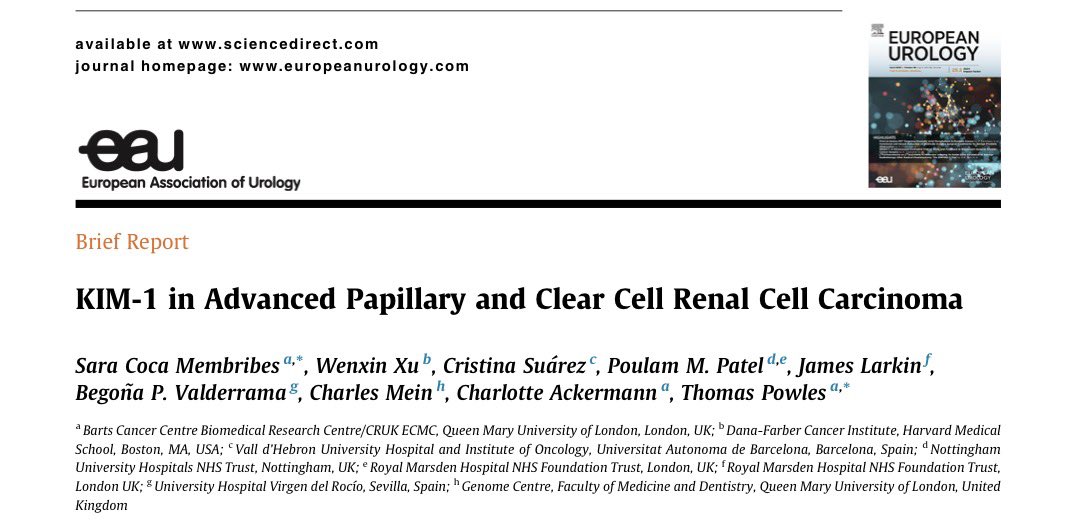
📢 Our work on KIM1 in advanced RCC is now published in @EUplatinum
We conducted an exploratory analysis of KIM1 in pRCC & ccRCC to assess its role as a prognostic and on-treatment monitoring biomarker.
@OncoAlert@tompowles1@VincentWenxinXu
https://t.co/ZHZBf9dW31
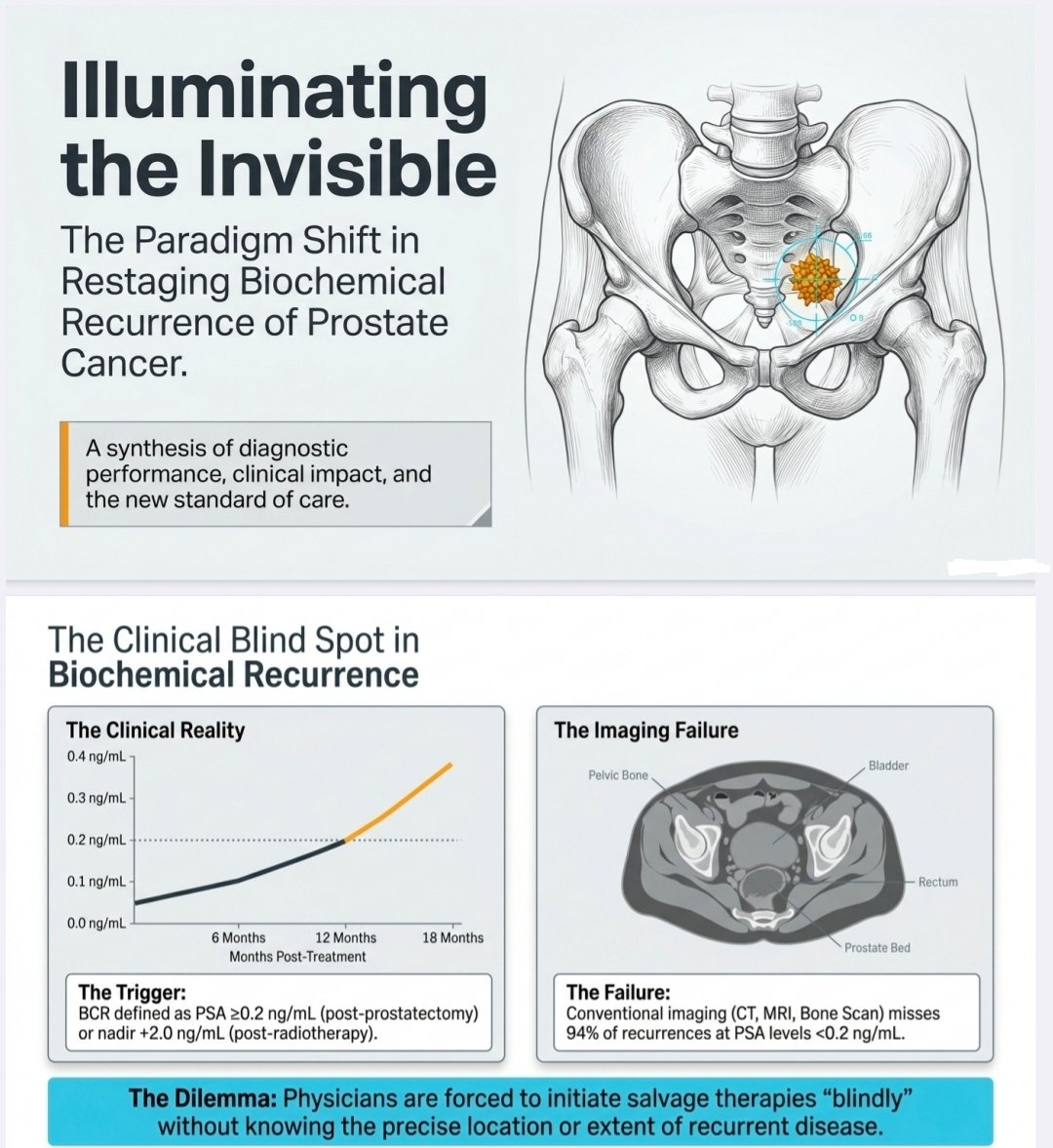
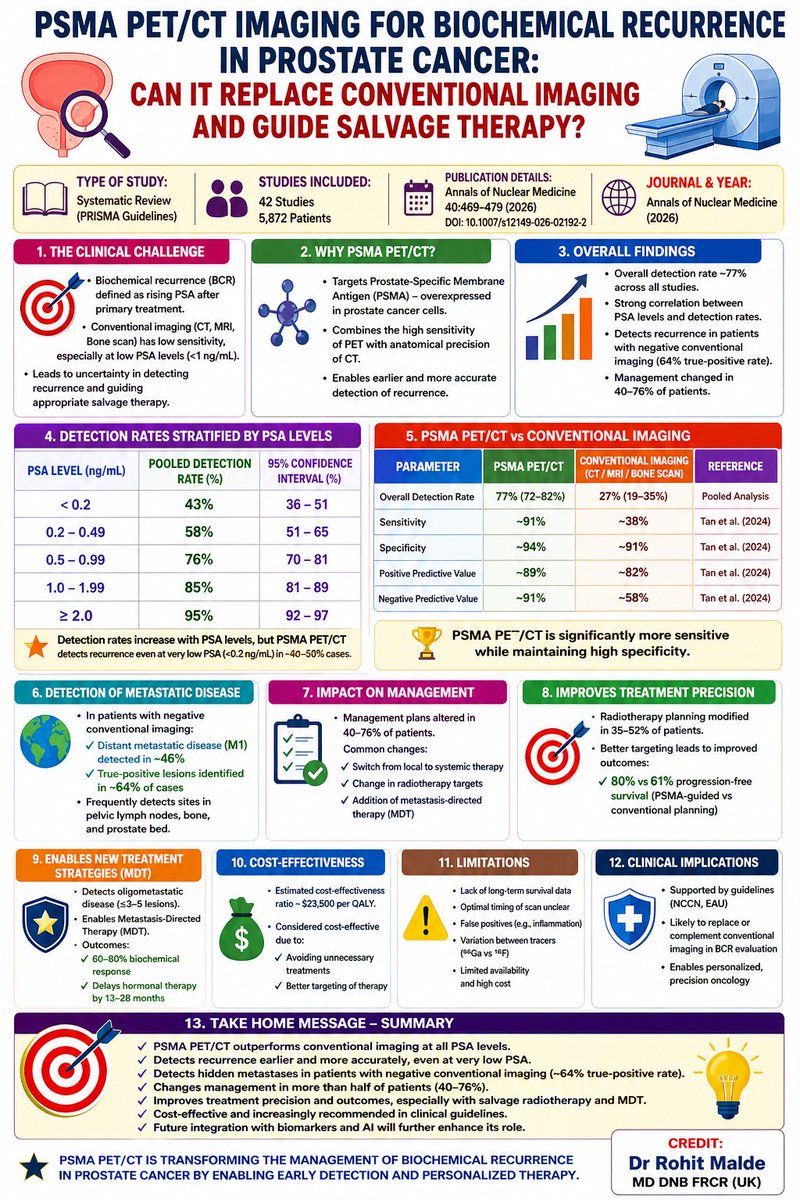
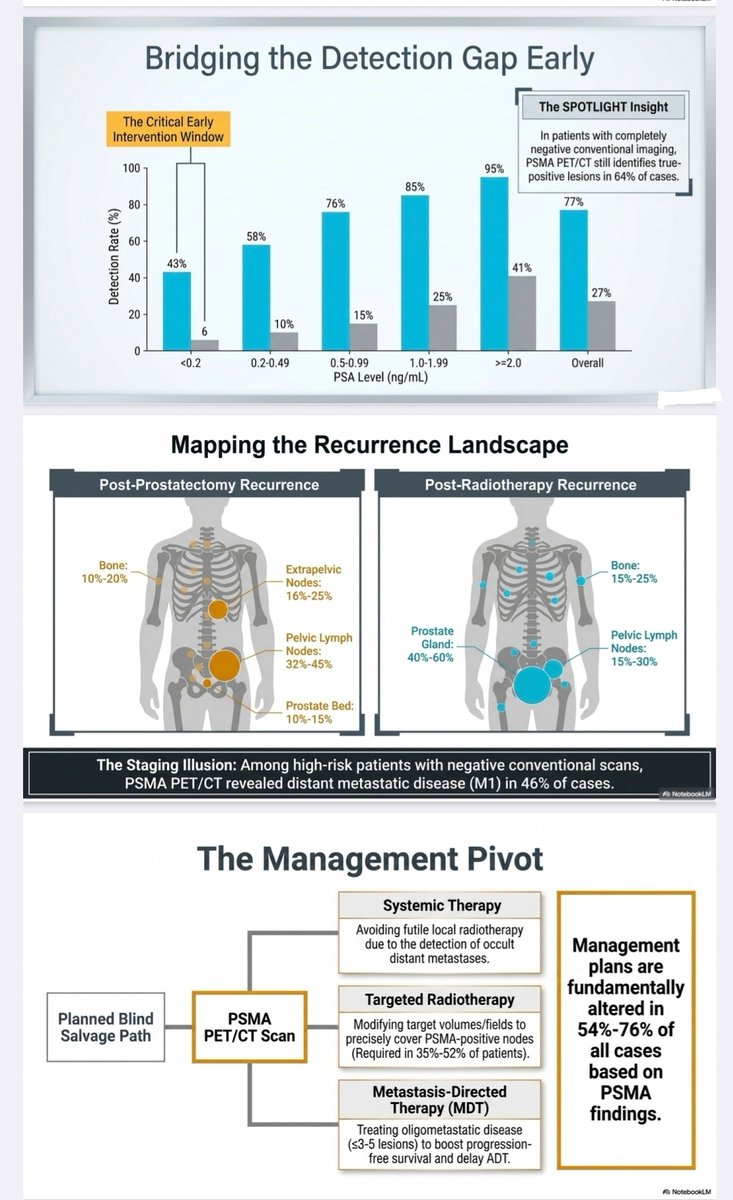
PSMA PET/CT imaging for biochemical recurrence in prostate cancer:
Can it replace conventional imaging and guide salvage therapy?
Annals of Nuclear Medicine (2026) 40:469–479
https://t.co/6df5gLVt1V
⭐ Targeting heterogeneity in metastatic prostate cancer — PART 2 🔬
@OncoAlert@APCCC_Lugano#IPCS26#APCCC26@Silke_Gillessen@AOmlin
Presented by Peter S. Nelson
🔹 Key messages:
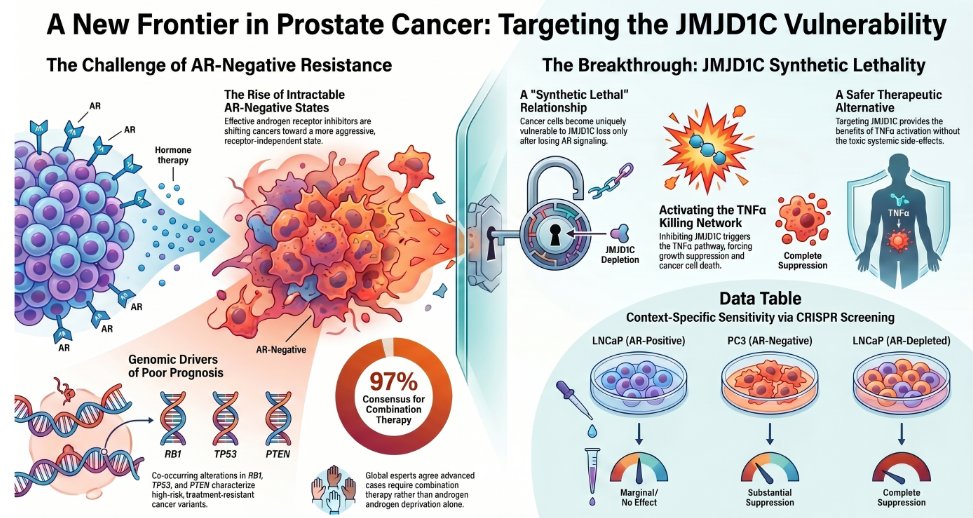
🔹 1. Prostate cancer evolves across multiple lineages under treatment pressure → beyond AR-driven disease.
🔹 2. Lineage plasticity creates diverse phenotypes with distinct therapeutic vulnerabilities.
🔹 3. Building dependency maps (CRISPR, RNAi, drug screens) is key to identifying actionable targets.
🔹 4. New prostate cancer models (PDX → 2D lines) enable systematic study of tumor dependencies.
🔹 5. Patient-derived models capture tumor evolution from primary tumor to recurrence and metastasis.
🔹 6. These platforms allow linking genotype → phenotype → therapeutic sensitivity.
🔹 7. Precision oncology will depend on targeting lineage-specific dependencies.
@_ShankarSiva@AmandaNizamMD@tompowles1@brian_rini
#ProstateCancer #UroOncology #Oncology
Analysis of neoadjuvant chemotherapy and survival in localized #BladderCancer. Mattia Longoni, MD @SanRaffaeleMI joins @UroCancerMD @VUMCurology, presenting SEER data from 5,400 T2N0M0 cystectomy patients showing that neoadjuvant chemotherapy plus cystectomy is associated with about 1.3 years of life lost vs population controls, compared with 2.3 years for surgery alone, yielding a roughly one-year survival advantage. #WatchNow > https://t.co/QLEErGQNOz
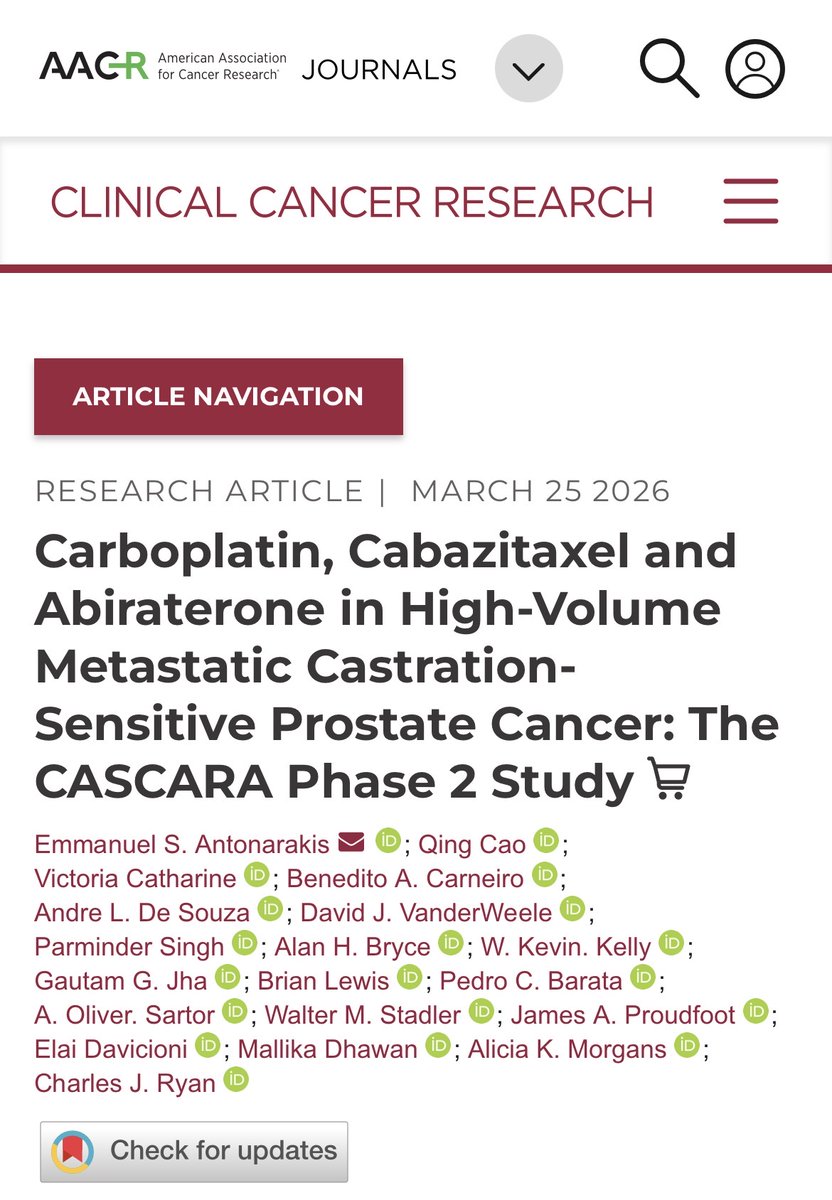
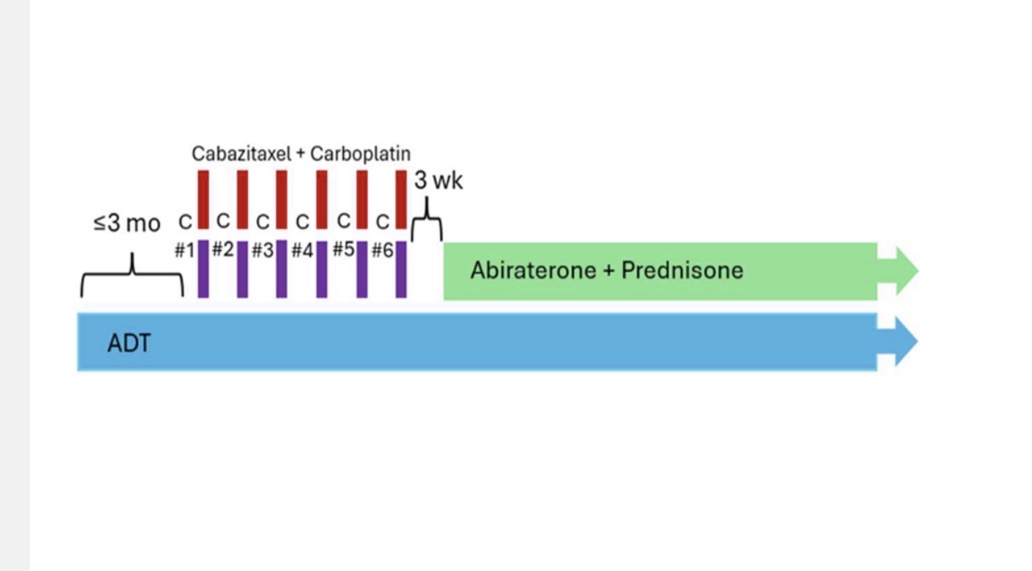
Please check out our CASCARA trial, the first study to use a quadruplet initial systemic regimen for high-volume metastatic prostate cancer. Let’s design a randomized Phase 3 trial to explore this further. @charlesryanmd@UMNCancer https://t.co/cMA7wZD5zB