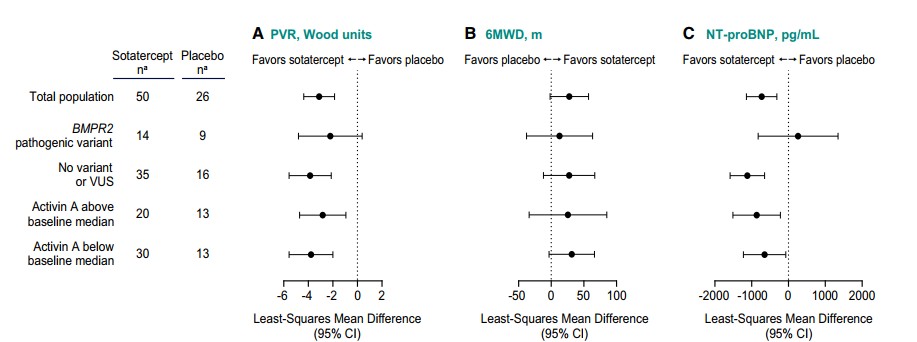
Glad to share that our commentary on the recent Science article finally been published. An exciting step forward in understanding the metabolic and inflammatory basis of PAH.
https://t.co/P9OdRmgm9U
Scientists in Israel have made a medical breakthrough by 3D-printing the world’s first functioning human heart using a patient’s own cells. Developed at Tel Aviv University, this tiny heart is about the size of a rabbit’s and includes real blood vessels, chambers, and working tissue. It can even contract and pump fluid on its own.
The process begins by transforming fat cells into stem cells, which are then shaped into cardiac tissue. This lab-grown heart is still small, but it proves that creating living organs is no longer just science fiction. The research opens the door to growing fully functional human organs in the lab.
The long-term goal is to print full-sized hearts for transplantation, perfectly matched to patients so there is no risk of rejection. If successful, this technology could solve the global organ shortage, offering patients new hearts made from their own cells without long waiting lists.
This breakthrough demonstrates the power of regenerative medicine and 3D-printing technology. It represents hope for millions of patients with heart disease and could redefine the future of organ transplantation. The heart of medicine is beating stronger than ever.
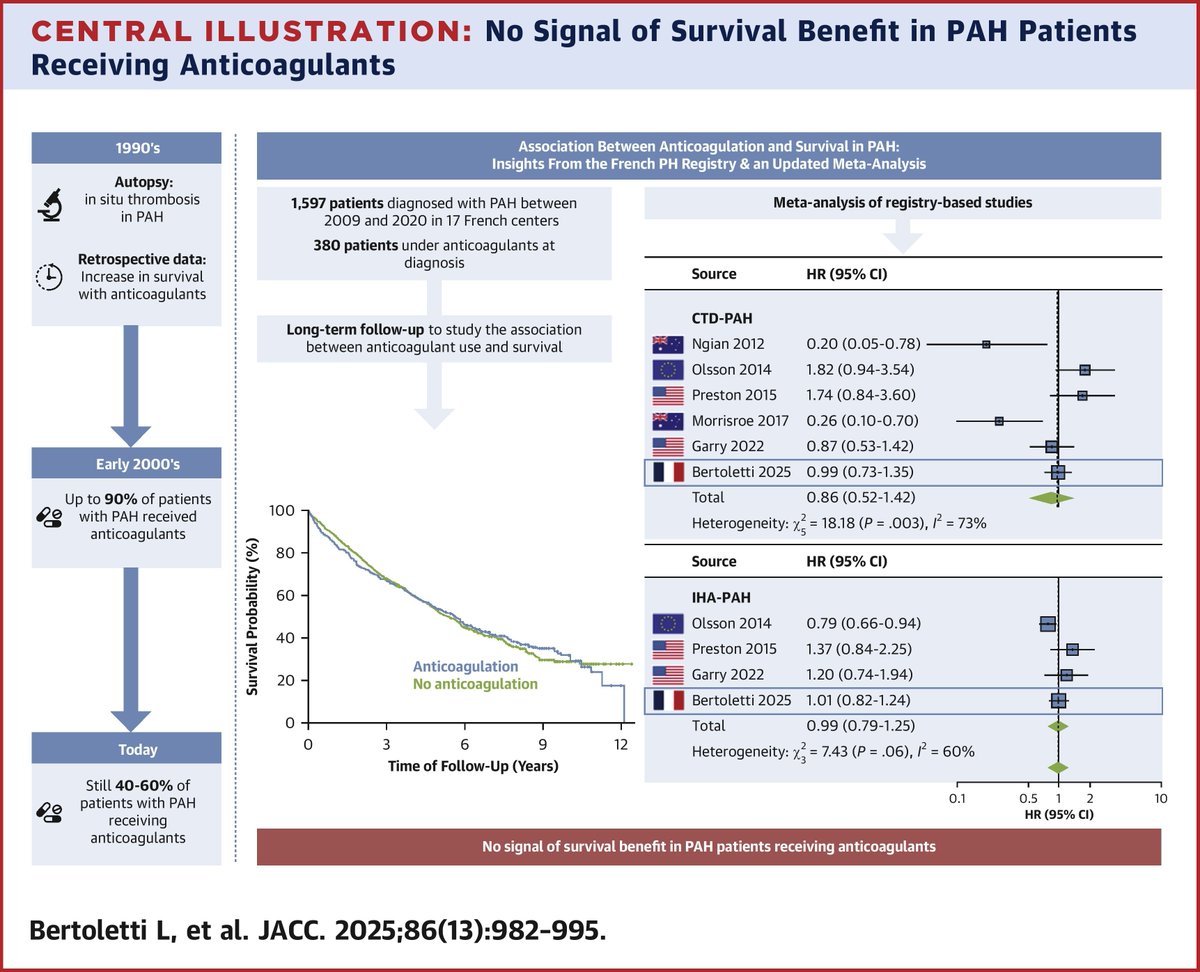
❓ Do anticoagulants really improve survival in pulmonary arterial hypertension (#PAH)?
Our study does shows that routine anticoagulation does not confer an overall survival benefit (HR: 0.997; 95% CI: 0.84-1.18).
The discussion is open! 👇
Our research letter is online @AJRCMB
IGFBP7 Contributes to EndMT and Serves as Biomarker for Right Ventricular Dysfunction in Pulmonary Arterial Hypertension. Really appreciated the valuable support from @sbonnet2 and @Olivier Boucherat.
@atscommunity
https://t.co/Kma4DD8M5p
RESEARCH
Based on 337 human kidney & plasma samples, the authors generate the first kidney pQTL dataset & explore novel risk loci relevant for cardio-kidney-metabolic health.
#metabolism#liver#proteomics
https://t.co/PcqeNx2cVZ
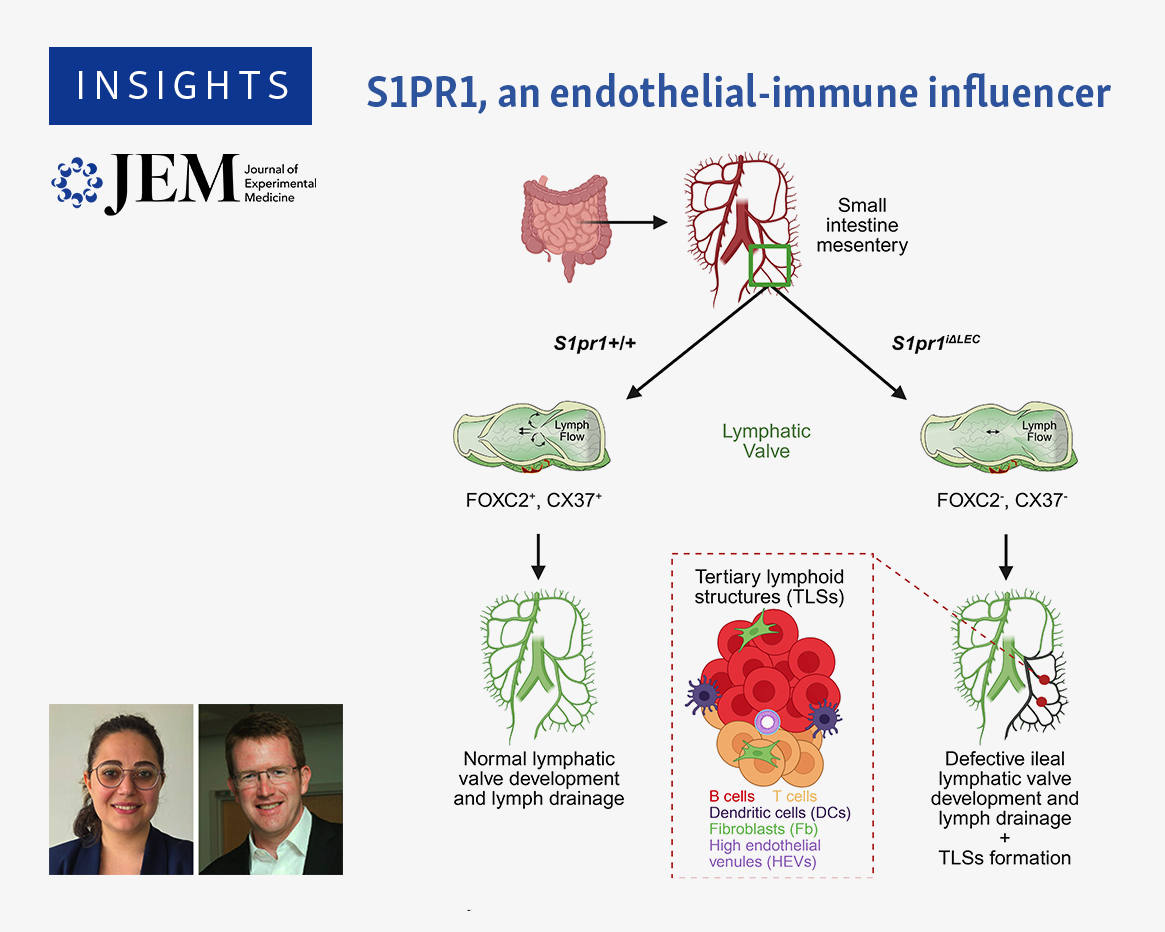
Insights from Mahfoud & Padera: Geng et al. (https://t.co/5jIMgzAAwY) show that LEC S1P/S1PR1 signaling plays a role in mesenteric TLS formation in the absence of subclinical inflammation and, importantly, is a key regulator of lymphatic valve development. https://t.co/hga5Da4Km9
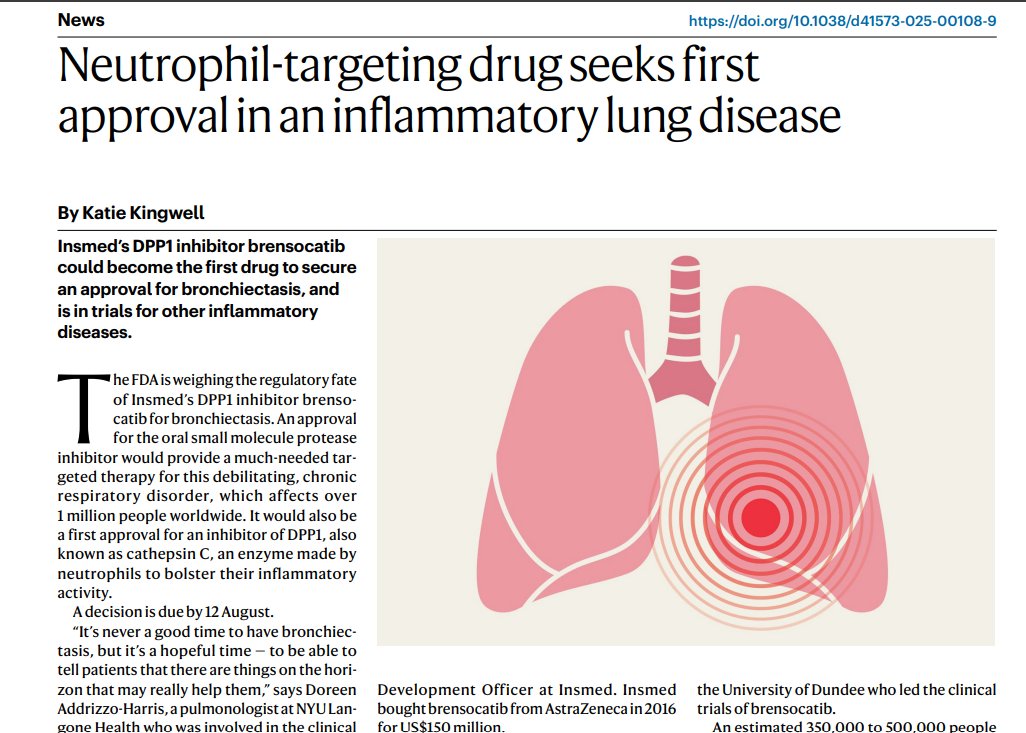
A first-in-class drug for the inflammatory lung disease bronchiectasis that could be approved by the FDA in the next few weeks is anticipated to have peak sales of more than $4 billion. Find out more in this news story in the July issue https://t.co/9Q6hCARMy0
An antibody directed to the NAD-degrading enzyme CD38 in mice restores metabolic fitness, improves cognitive performance & lowers neuroinflammation
https://t.co/6BHaD9zJqk