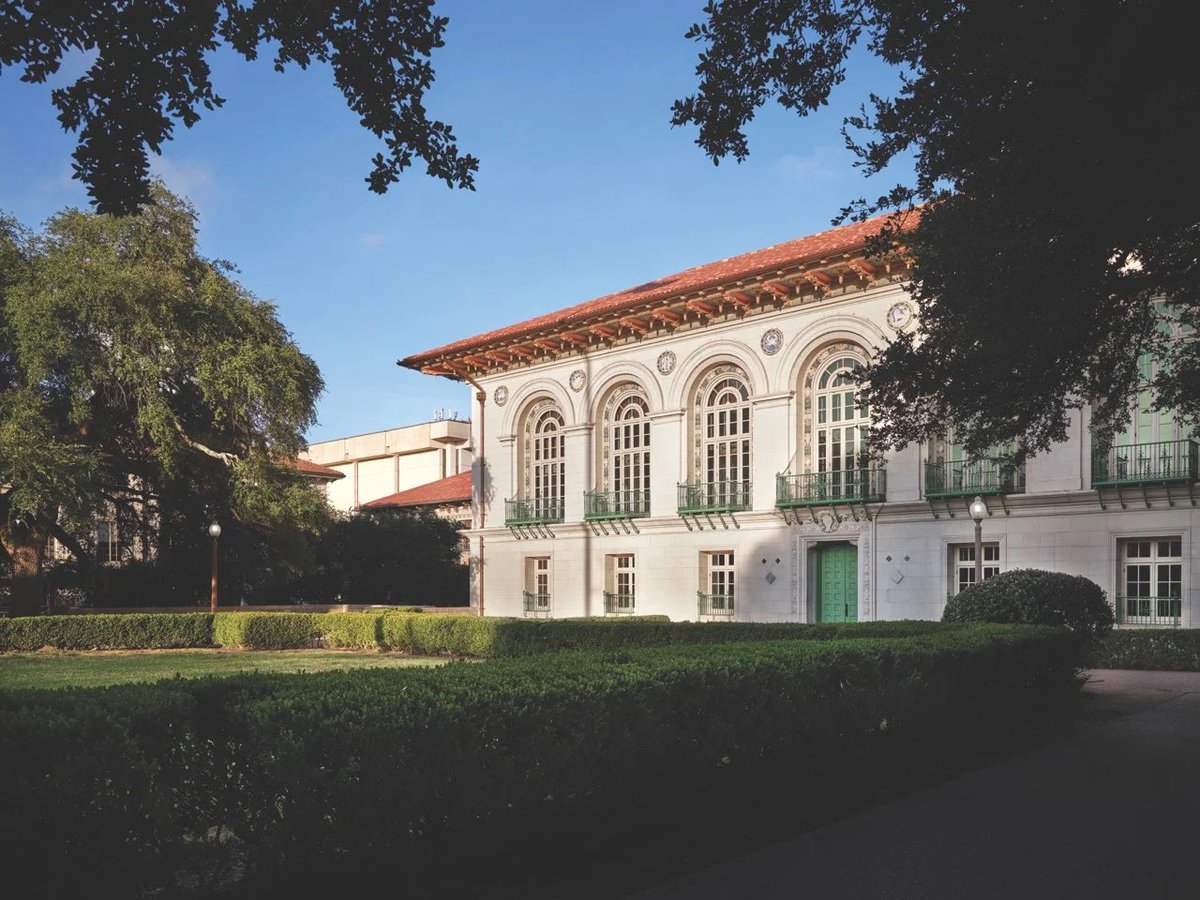
@TownsUsa A large percentage of the HOA population in the Western US are condos. Not sure if the SFH HOAs represent a significant deviation from the national figures.
@michellelsun@AnthropicAI Absolutely! It’s Matechi: https://t.co/CiqFL6392D. We build AI tools for construction and manufacturing teams, from drawing/model checks to factory planning and production tracking, integrating with their existing systems and machine data.
@atomicbyte_@michellelsun@AnthropicAI Yep, we use machine data alongside drawings and requirements for QA/QC. It helps connect what was supposed to happen with what actually happened on the line, and trace where a quality issue started.
@barakgila@brezina Yes, but all footage of today’s flooding, including along the panhandle maps exactly to what’s shown here. It is essentially a live flood map at this point in time.
@NapoleonofBirds@StatisticUrban Modern digital cameras are very sensitive to imperfections on set. So the color grading and set design is such to reduce color “noise”. Since audiences prefer higher resolutions than color, it is the price we’re paying for that trade. It also better facilitates CGI edits.
@trevoracorn@UrbanCourtyard I think she might have the following critiques:
- No point access/single stair/split ownership
- It being double-loaded negates the entire point of courtyard urbanism
- It’s very car centric/not all courtyard due to the garage.
- This is just a typical texas donut-style 5 over 1.
@KenjiCapital I was curious how Caltrain could keep running while its SF railyard becomes an entire neighborhood, so Dot put together this animation of the proposed phasing. A simplified look at the logistics, not a construction schedule.
I was curious how Caltrain could keep running while its SF railyard becomes an entire neighborhood, so Dot put together this animation of the proposed phasing. A simplified look at the logistics, not a construction schedule.
One of San Francisco's largest redevelopment projects could completely transform nearly 19 acres of land near Downtown.
Plans are moving forward for the redevelopment of the Caltrain Railyards at 4th and King in SoMa.
The project could include:
• Up to 5,834 apartments
• Up to 5.6 million SF of commercial space
• 160,000+ SF of retail
• A completely rebuilt Caltrain station
• More than 4 acres of public open space
• Multiple skyscrapers reaching 350 to 600 feet
• A potential 850-foot tower
This land is currently occupied by railroad tracks, platforms, maintenance facilities and the existing Caltrain station.
The proposal would modernize the transit infrastructure, relocate train storage and maintenance, and create an entirely new mixed-use neighborhood above and around the station.
Thousands of people could be living, working, shopping and spending time in what is currently a massive rail yard.
And all directly connected to one of the Bay Area's most important transit corridors.
The project is now entering environmental review, with construction potentially starting in 2029 and taking 15 to 20 years to complete....
There's obviously a long road ahead, but I love seeing developers think this big about underutilized urban land.
This could completely reshape SF.
📍San Francisco
@spooncabbage@CrankyFed That’s your name now brother. I have numerous older relatives who tell me they can now only answer to the name I gave them as a toddler.
@F_Botha_USA@rexsalisbury Its less about any concern for the safety of hikers, and more of an acknowledgement that GGNRA has a lower risk tolerance and (understandably) an aversion to litigation. Personally, i think it would be fun to have open.