Humans just flew around the Moon for the first time in 50 years. So what comes next and are we actually ready for it? This month's Planetary Report goes deep on the physiology of long-duration spaceflight, the policy forces shaping human exploration, and the technology bridging Apollo to Artemis.
Download the PDF version for free: https://t.co/mn6WvrxTWn
The House budget bill that includes NASA funding just cleared a key hurdle, advancing out of the Appropriations Committee.
This is the first funding bill for FY 2027 to be released and reach this stage, establishing congressional intent and rejecting the worst of the Office of Management and Budget’s proposed cuts to NASA. https://t.co/aAky96gjej
"An extinction-level event can be thought of as a sudden, external calamity wiping out a given species. For the dinosaurs, it was the Chicxulub impactor. For NASA’s science program, it very well may be the FY 2027 Presidential Budget Request."
Read more on the FY 2027 NASA Budget Request from our Chief of Space Policy, Casey Dreier:
https://t.co/QwMnwAuBue
Next week, Planetary Society members will be in Washington, D.C., walking the halls of Congress to defend NASA science and tell their representatives why NASA matters to them. The proposed FY2027 budget would cut the Science Mission Directorate by nearly half. Here's how to get involved: https://t.co/BjMxdWV9cI
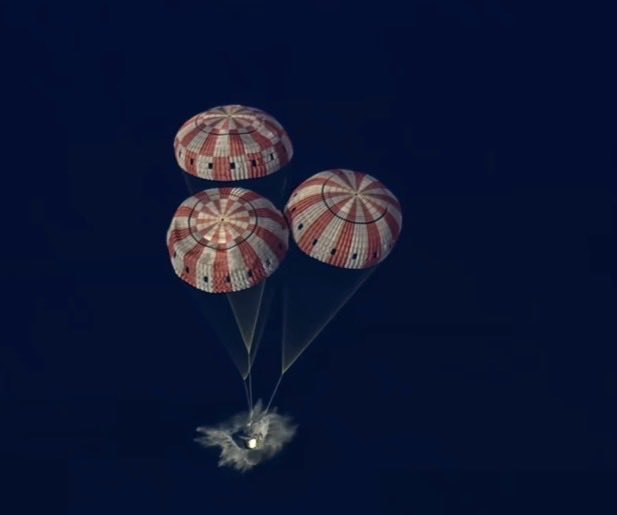
Welcome back, Artemis II crew. You carried all of us with you on that mission, and you’ve come home with something powerful — a reminder of what humanity can achieve. Thank you for your courage, and to everyone who made this journey possible.
On Tuesday, March 24, NASA announced a series of changes to its Moon and Mars plans. Here are the key components of the announcement.
https://t.co/zCzFiZAOIC
🚨 URGENT 🚨 Most people don't know this process exists.
Did you know every year, Congress opens a window for constituents to submit formal NASA funding requests — before appropriations decisions are made?
We built a tool to make those funding requests easy, but many offices require submissions by end of business this Friday, March 6th.
You have about 24 hours.
Find your rep, check if they have a form, fill it out — done.
👉 Try it: https://t.co/YnHrhKc9Rl
The shape of the cosmos depends on a balance of two competing forces: the pull of gravity and the expansion driven by dark energy. Columnist Leah Crane explores what observations tell us about how much universe is out there and whether it’s shaped like ... https://t.co/zrSRTpPmoT
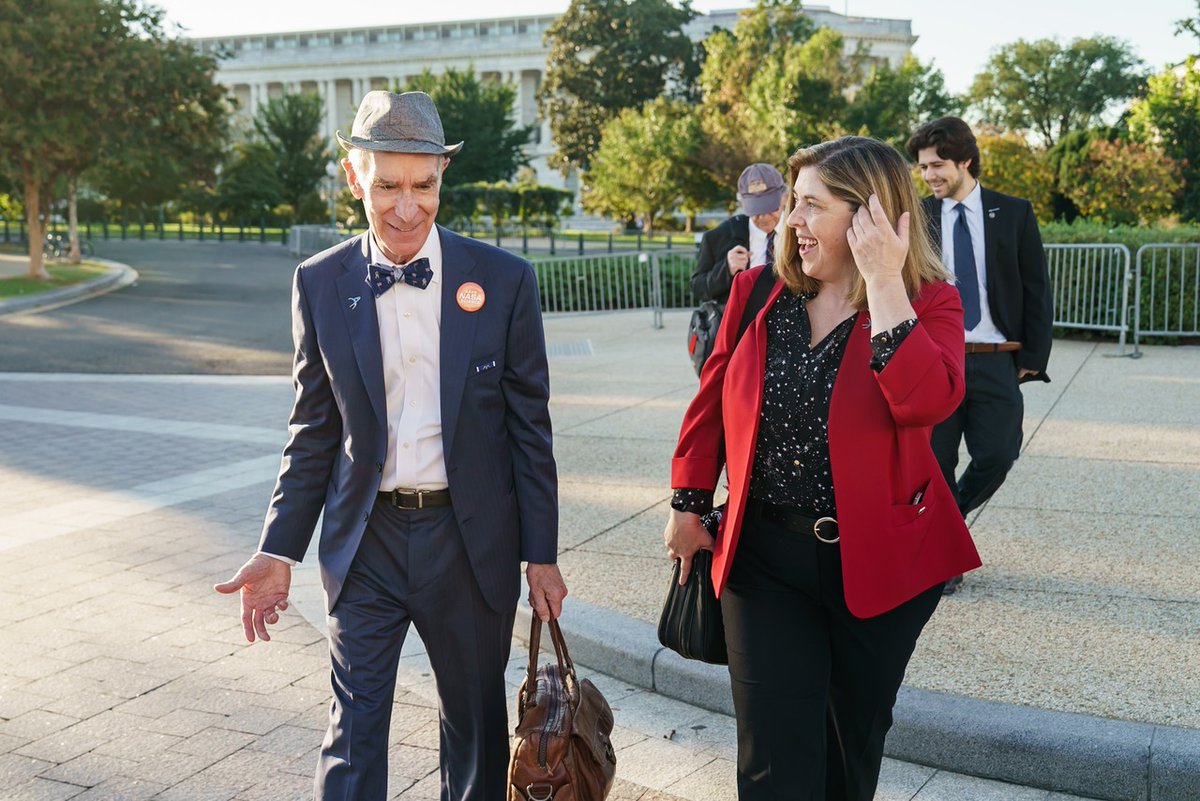
After 15 years of leadership, Bill Nye is stepping down as The Planetary Society's CEO and moving into a newly created role as our Chief Ambassador — continuing to champion space science, curiosity, and public engagement in the way only Bill can.
At the same time, we’re thrilled to share that Jennifer Vaughn will step into the role of CEO on February 17, 2025. Jennifer has spent more than two decades helping shape nearly every part of The Planetary Society as our Chief Operating Officer, and she’s been a steady, thoughtful leader behind so much of our growth and impact.
It's hard to put into words all the things Bill has done during his tenure at The Planetary Society, but here are some highlights:
☀️ Championed and launched LightSail 2, proving solar sailing works
🌱 Pushed forward the search for life beyond Earth through exoplanet research and new science grants
🛰️ Advocated for major NASA missions like New Horizons, Europa Clipper, and Mars microphones
☄️ Advanced planetary defense and asteroid discovery
⚖️ Built a stronger voice for space science in Congress
👨🔬 Expanded The Planetary Society’s public engagement through events, education, and digital communities
🪐 Grew an amazing team doing meaningful, mission-driven work
And so much more (including moonlighting as our handyman and fixing anything that needed fixing).
We’re so grateful for Bill’s leadership and for his continued support as our Chief Ambassador, we are also excited for what’s ahead with Jenn at the helm.
Onward. 🚀
Learn more: https://t.co/TXzhCcqpv6
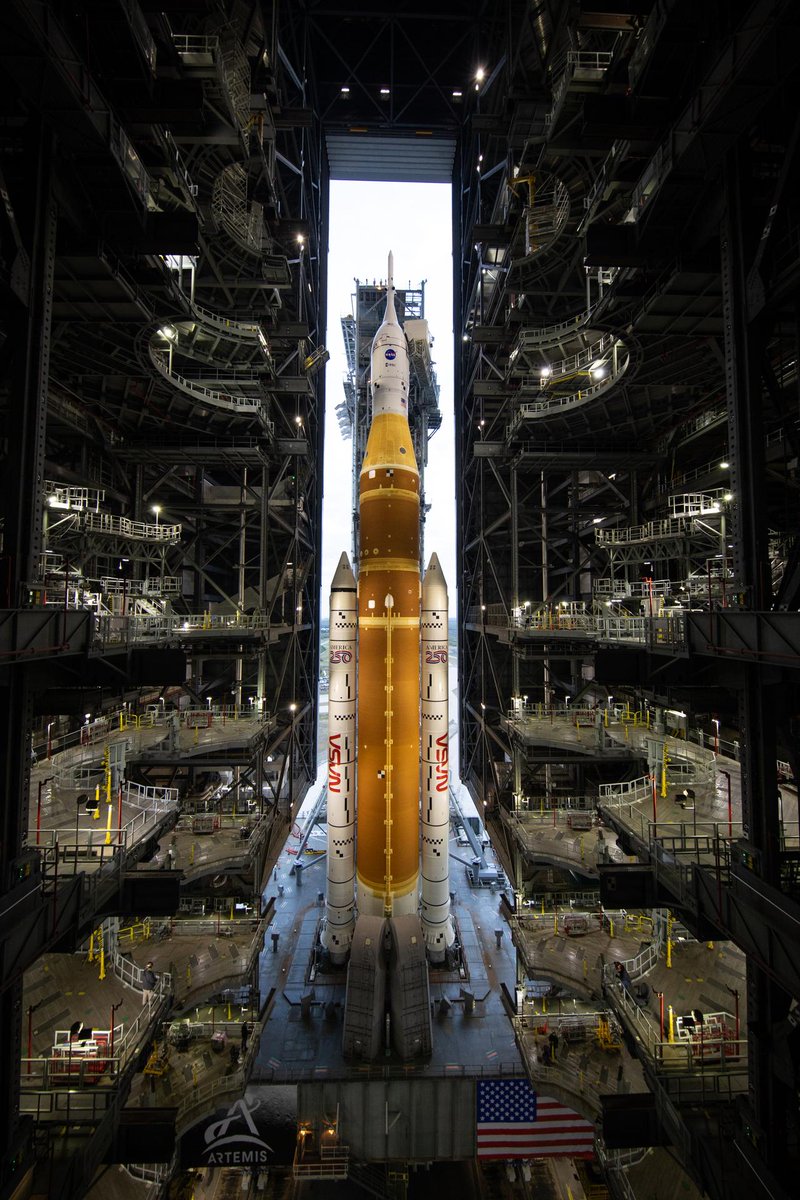
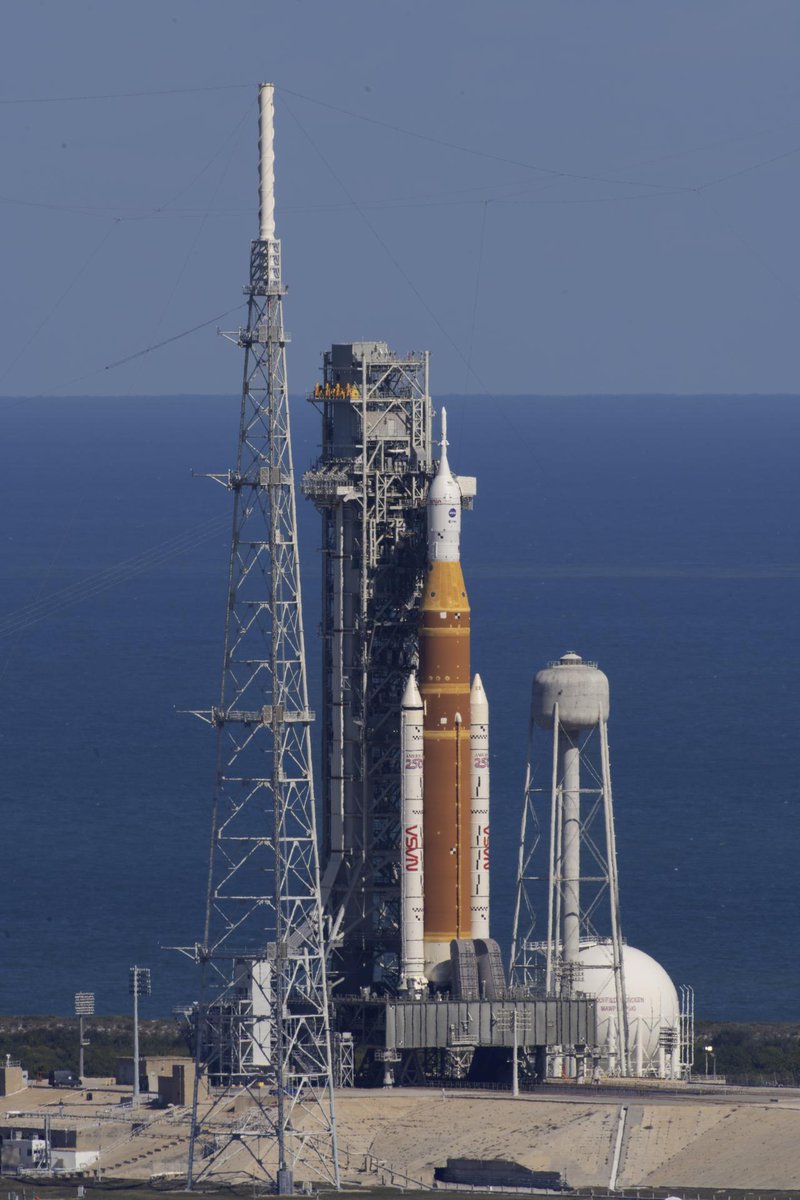
Wet dress rehearsal activities for the Artemis II countdown continue into today. Teams have been troubleshooting issues with filling the core stage with liquid hydrogen. The rocket is in a safe configuration. Get real-time updates here: https://t.co/40PMWktQjO
Moon science? Yes. Preparing for our long-term future in space? Also yes. ✅ ✅
The Artemis II lunar flyby mission will give humanity a new perspective on the Moon, and test the systems and technology that will eventually bring astronauts to the lunar surface to stay.
IT IS OFFICIAL! The President just signed the H.R. 6938 budget bill securing NASA funding in 2026 🎉 It is officially law, meaning that we successfully defeated the budget cuts in FY 2026. There’s still a lot of work to do, but let’s celebrate this collective accomplishment!
A real glimpse of what may one day be the fate of our own Solar System.
This is a close up on the Helix Nebula, one of the closest planetary nebulae to Earth. Astronomers study it to understand the final moments of a dying star. This image, captured by JWST, reveals the intricate structure of gas being shed as the star reaches the end of its life.
At the center of the nebula (not seen in the image) is a white dwarf, the exposed core left behind after the star has cast off its outer layers. Our Sun is expected to meet a similar fate billions of years from now. There are several bright blue stars, some stars with diffraction spikes, scattered throughout. You can see a few larger stars on the right side, zoom in further to see galaxies in blue as well.
The hot ionized gas glows closer to the center, cooler molecular hydrogen lies farther out, and dense pockets of dust create sheltered regions where more complex molecules can begin to form. This process matters because these recycled elements become the building blocks for future stars and planets elsewhere in the galaxy.
📸: NASA, ESA, CSA, STScI, A. Pagan (STScI)
Download the Image here: https://t.co/vTcU6Q8nhw