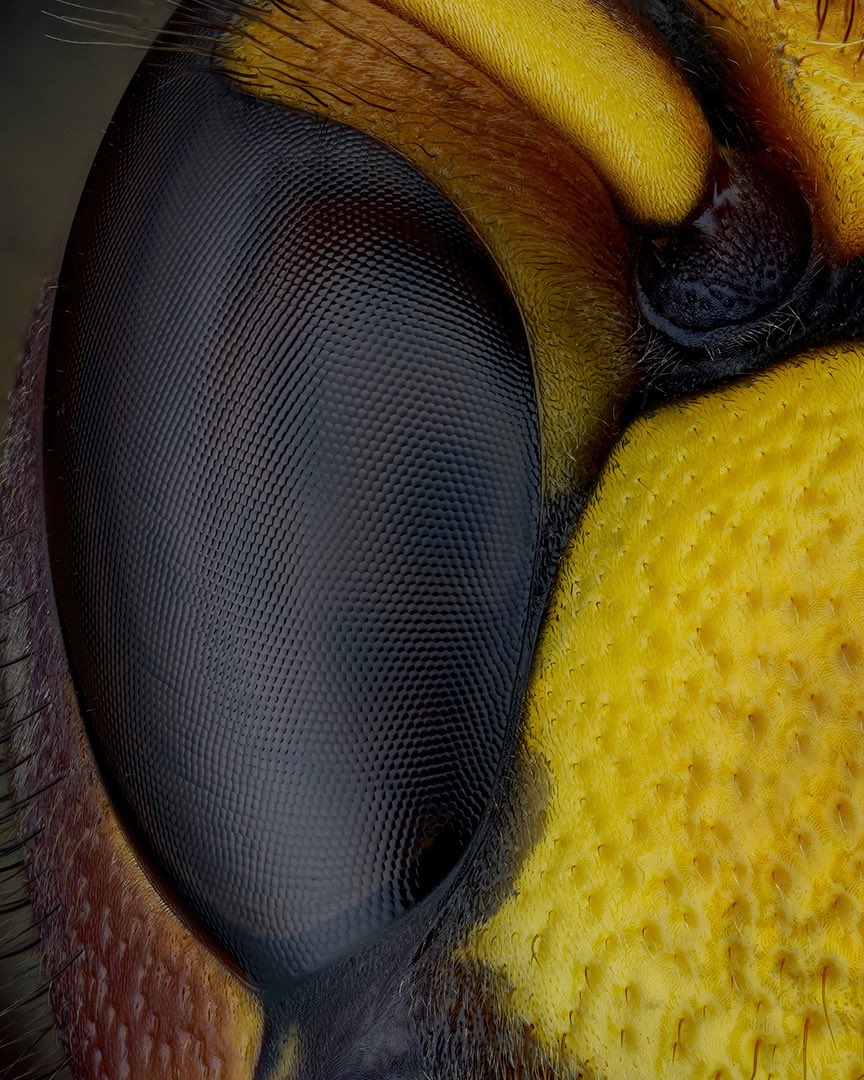
Green, red, blue, yellow-orange.
The eyes of Polydrusus formosus, Graphosoma italicum, Meloe violaceus and Vespa crabro. Four extreme macros of the same region: the eyes.
Insects hold more color for the human eye than we usually see.Something for everyone. An endless range.
Ustedes sabían que a estos chads los exterminó un genocida judío, en lo que muchos consideran el primer intento sionista por quedarse con la Patagonia??
Before Cousteau, way before @Octonauts, explorer Eugen von Ransonnet-Villez was bringing images of the undersea world to the surface, from his artist’s sketch pad inside a glass and steel diving bell: https://t.co/BcjtttSrQa
Aztec butterfly stamps. Most of them are currently in private collections. The Aztecs pressed these ceramic stamps onto fabric, pottery, and (probably) their own skin.
These stamps were produced during the Late Postclassic Period, between 1300 and 1521. In the Aztec language (Nahuatl), the butterfly was known as papalotl - it was the very soul itself. According to records by the 16th-century Spanish friar Bernardino de Sahagún, warriors who died in battle stayed in the realm of the sun god, Tonatiuh, for four years before returning to earth as butterflies or hummingbirds.
This connection is also present in warrior imagery. In early colonial codices, some warriors are depicted wearing elaborate, butterfly-shaped devices on their backs.
The butterfly also had a dark and sharp side. Itzpapalotl, meaning 'Obsidian Butterfly' (Clawed Butterfly), was a powerful goddess associated with fire, war, sacrifice, and the stars.. the edges of her wings were adorned with obsidian or flint (tecpatl) blades. At the tips of those delicate wings, stone blades sharp enough to cut..