Lover of the wildlife and landscapes of the British Isles (whats left of them).
Restorer of wetlands and the natural processes that shape them.
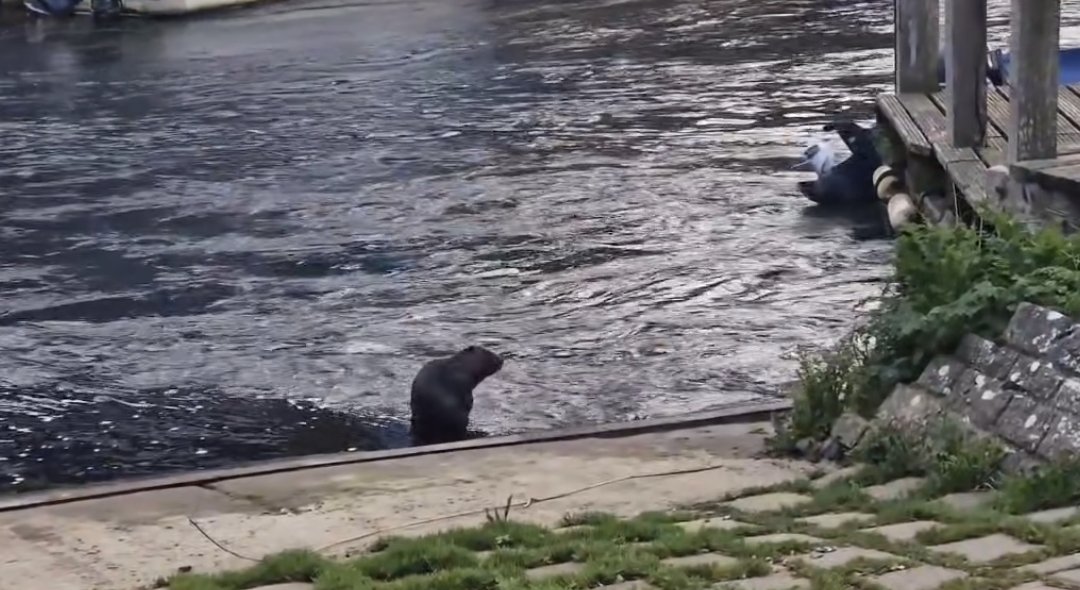
Beaver believer
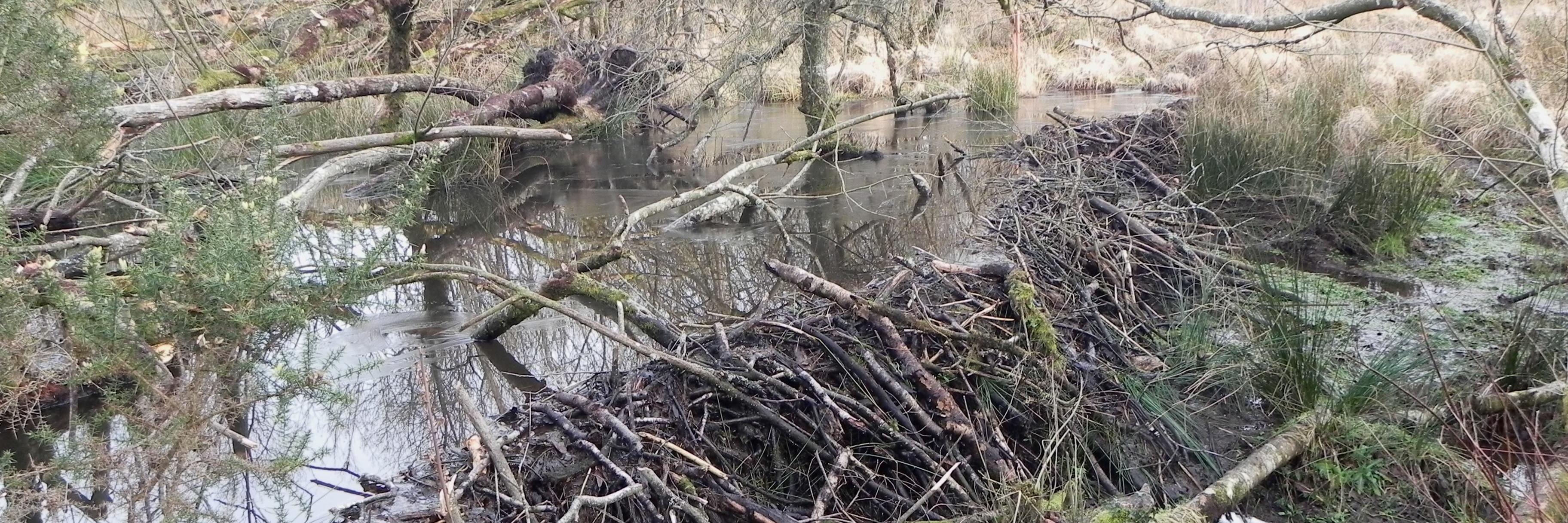
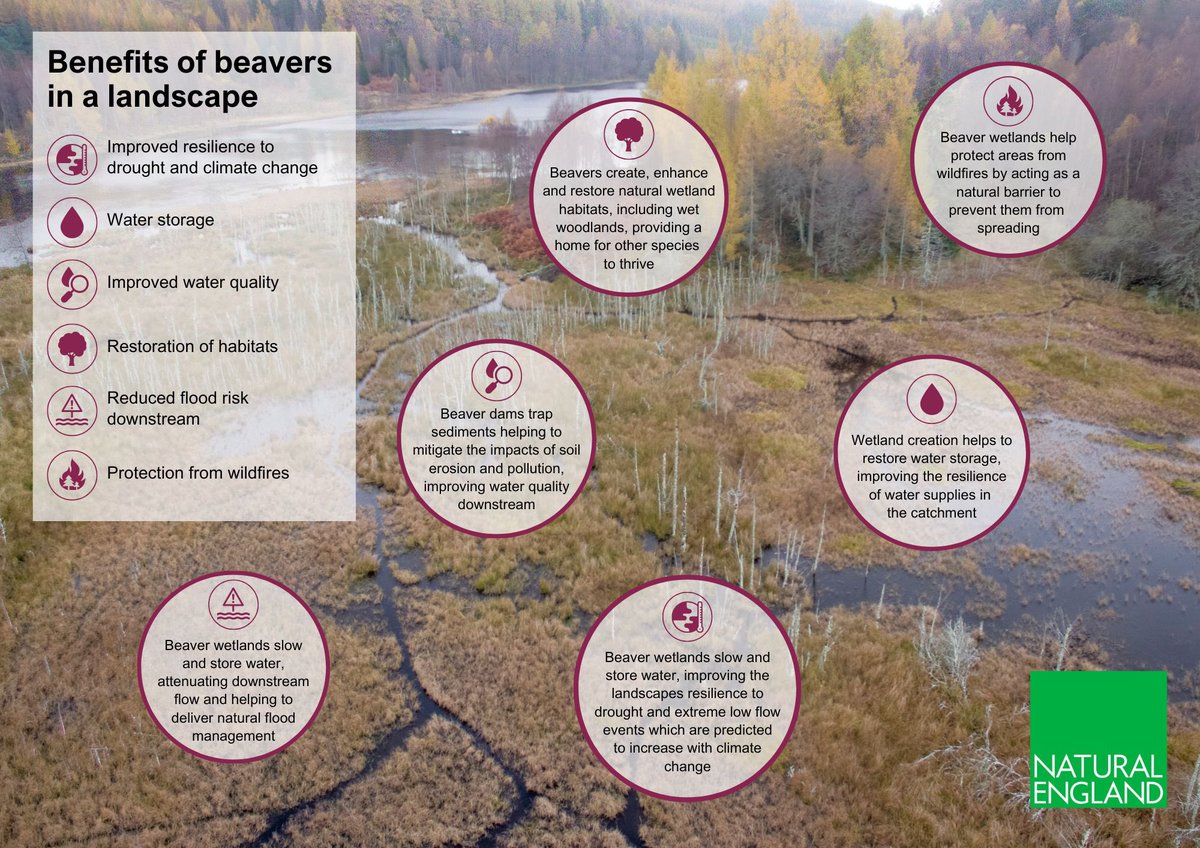
As #COP29 draws to a close in Baku, perhaps it is a good moment to be reminded that despite the complex global politics, there are practical things we can do on the ground here in England. & in acting to build resilience to climate change impacts, we can restore Nature too.
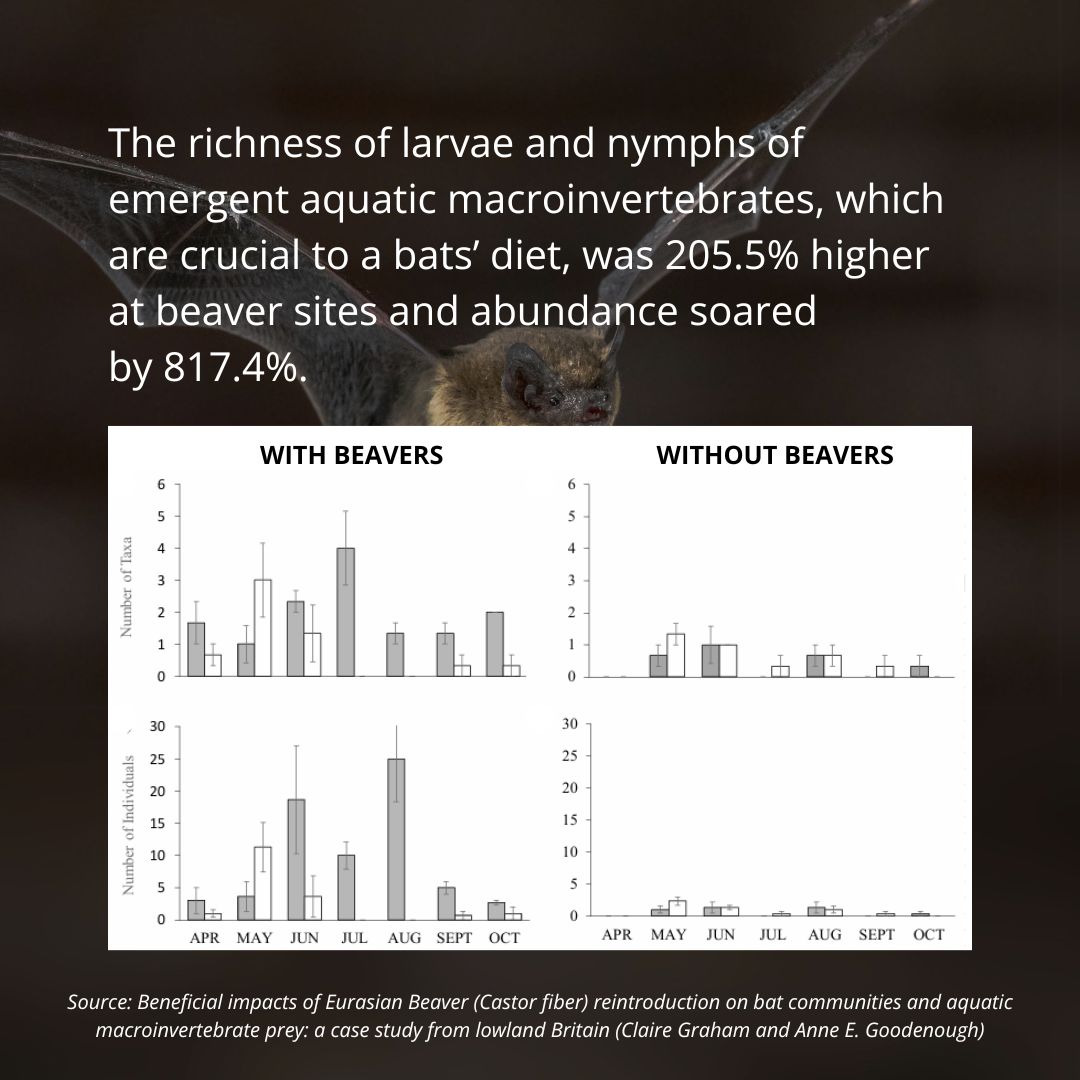
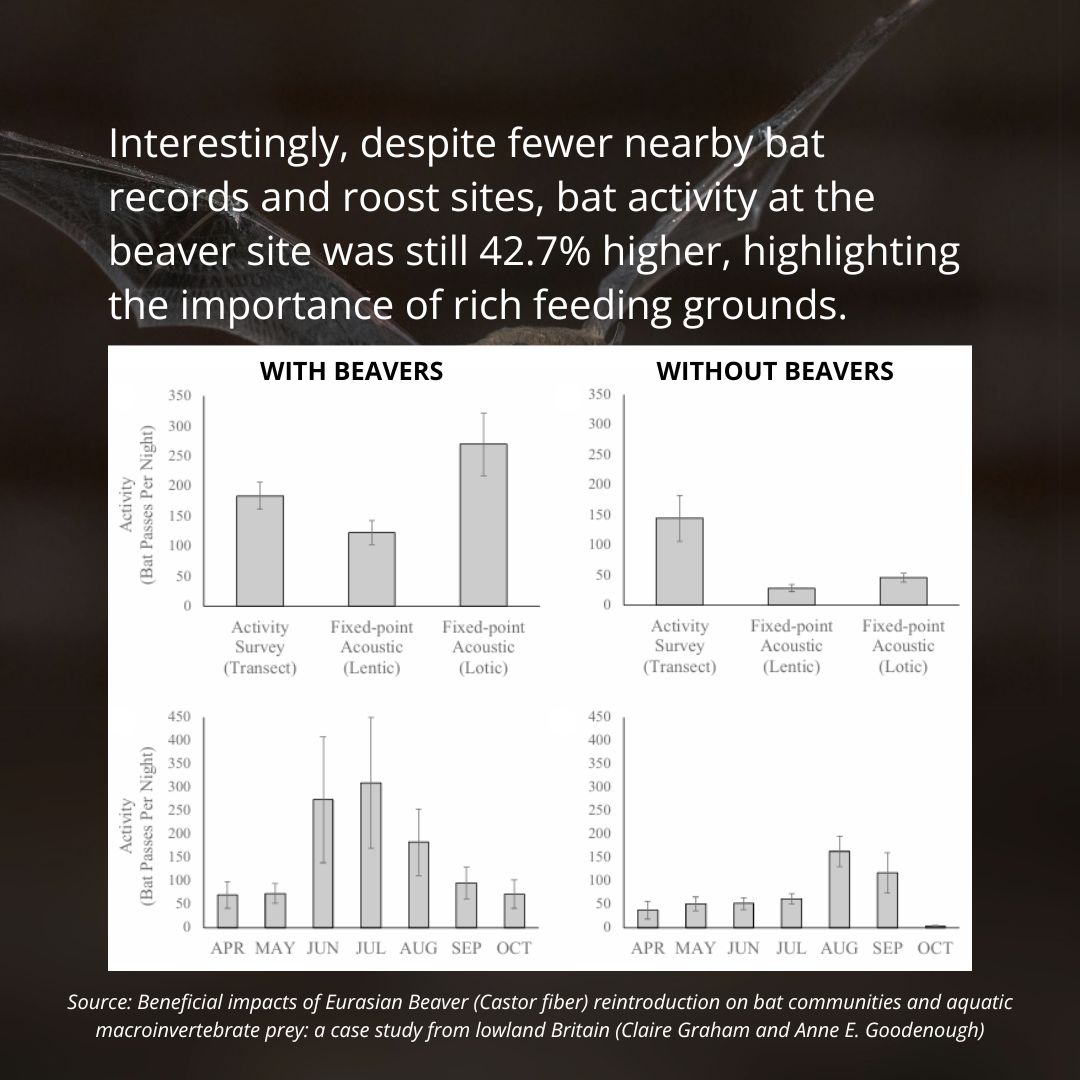
New research from @uogbioscience found a 205% increase in the richness of larvae/nymphs of emergent species, an 817% boost in their abundance & 42% rise in bat activity at beaver sites compared to the control.
Dive into the research 👇
https://t.co/Y1mUWyy2Ie
@Dockling83@_BCT_
I think this is genuinely good news. @DanielZeichner is in my experience one of the most knowledgeable and pragmatic MPs when it comes to nature and farming etc. I witnessed him lead a cross party debate some years ago which led to the creation of the Nature for Climate Fund.
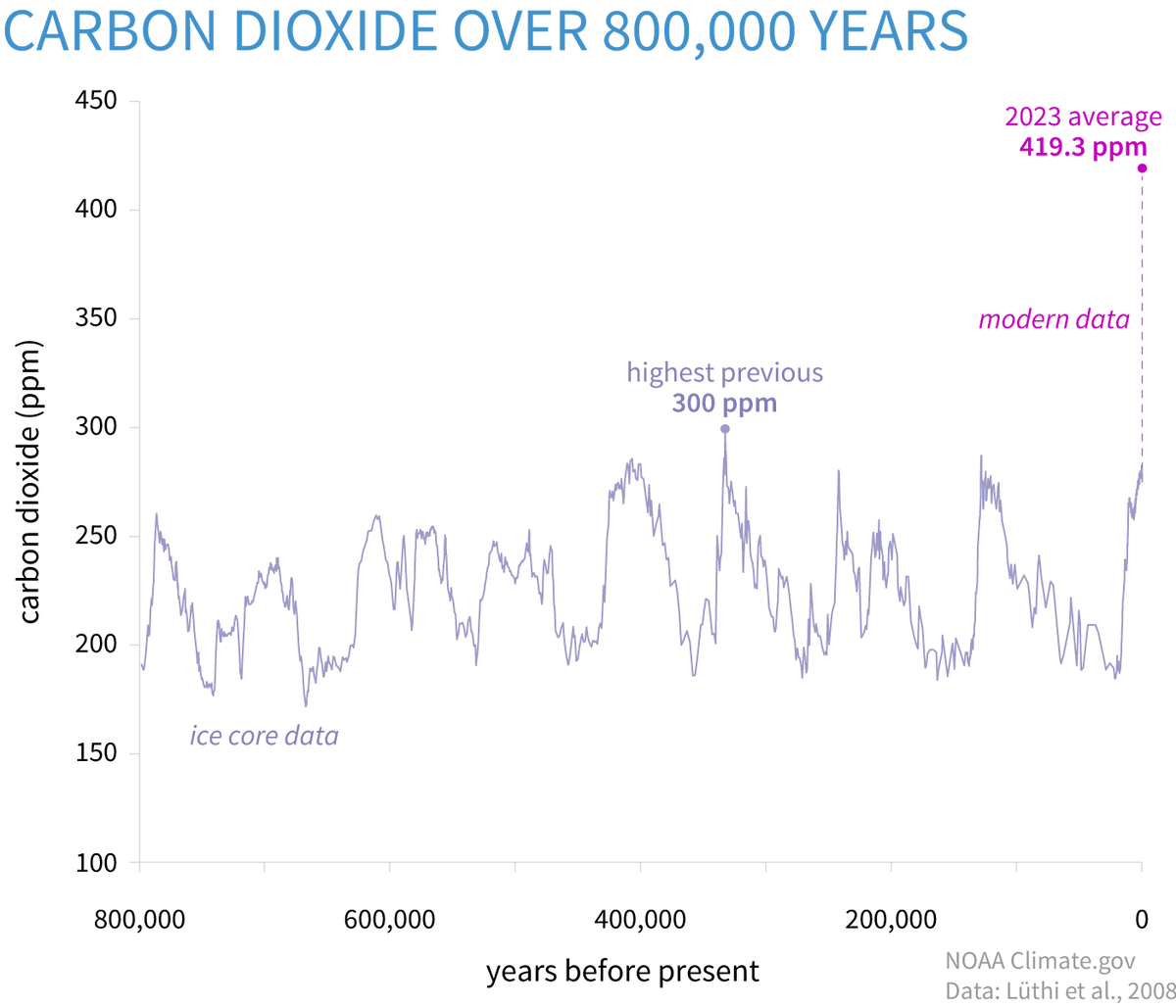
The amount of CO2 in the atmosphere today is comparable to around 4.3 million years ago, when sea level was about 75 ft higher than today, the average temp was 7 degrees F higher than in pre-industrial times, & large forests occupied areas of the Arctic that are now tundra.
Global sea surface temperatures continue to demonstrate total climate f&%kery.
Dear climate scientists, it's okay to say you are 'freaked out' in public.
It's obvious that farmers should be compensated for storing water on their land: I've been saying this for 10 years. If water isn't held back, towns and cities get hit. It's a service we should pay for, and should be part of a major rethink, centred on natural flood management.
It was an unbelievable year for global climate.
As data is released in the first two weeks of January, you are going to be hearing all about these new climate change records. Apologies for all my graphs in advance!! 😬
Spiral below produced by @NASAViz: https://t.co/Ejsg0F4wop
BIG-TIME flash flood in Catamarca, Argentina in the northwest corner of the Pampas. This looks to be off a wildfire burn scar with its dark color and debris
Join @BSBIbotany#NewYearPlantHunt between 30 Dec & 2 Jan to discover how our wildflowers are responding to a changing climate.
Register now 👇to find out what's happening where & for resources to help you find & ID the plants most likely to be in bloom.
https://t.co/mP3qDOT52h
In the last two months, @RishiSunak
has "scrapped" policies that didn't even exist (e.g. meat tax), and is now proposing legislation that is not legally required to do what he says he wants to do (e.g. on oil & gas licences)
But come the Election, he will no doubt argue that there hasn't been "enough parliamentary time" to deliver on the long list of environmental promises made by the @Conservatives but not yet delivered (e.g. banning #peat sales)
https://t.co/aSkCjRVisq
It's been an important year for the white-tailed eagle reintroduction project.
Take a look at our latest blog to find out more about some of the stand out moments and what the team have been working on.
@RoyDennisWF
https://t.co/n68ZAMs8uQ
📷John Strachan
The @Conservatives have changed PM multiple times without calling a General Election on the basis that in the UK we "elect the party, not the individual".
Ok, fair enough. Sort of.
But, voters elected the party on the basis of their 2019 Manifesto which promised "the most ambitious environmental programme of any country on earth".
So @RishiSunak has zero democratic mandate to deviate from this promise.
To do a 180 degree about turn is fundamentally anti-democratic.
https://t.co/OhcIfFJFKL
#ClimateChange 🌡️ exceptional and caused by human greenhouse gas emissions 🏭
We are causing #globalwarming 100 times faster than past natural changes
We are taking Earth’s 🌎 climate beyond natural limits, with carbon dioxide & temperatures levels not seen for 3 million years
The absolute trail camera jackpot—we just captured the second known video ever, as far we are aware, of a wolf attacking and killing a beaver. And this was a pretty sizable beaver too! How amazing is that!?
Earlier this year, we posted rare footage we captured of a wolf in our area almost catching a beaver on a dam. That was really neat to see but in that video, the wolf never made contact with the beaver and the beaver narrowly escaped.
This beaver wasn’t so lucky. In this video from Sept 17, the beaver left the water at 1:09 A.M. to go forage on a 49 m/160 ft long trail—a pretty long trail for a beaver. Just four minutes later, the beaver was attacked by Wolf V094, the breeding male of the Half-Moon Pack.
A brief chaotic struggle ensued and then all went quiet as the wolf and beaver moved out of frame. About 19 hr later, we captured a video of a different wolf walking in front of the camera with a beaver head in its mouth. A few days later, we hiked out and found the bloody remains of this kill not far from our camera.
The beaver put up a valiant fight and at a few points was only a few meters from the safety of water. If the beaver could have just freed itself for a few moments, it might have lived. But it couldn’t…there appears to be a thin margin for beavers between life and death when on land!
The only other video observation we know of was recorded in Quebec in Fall 2015. Given how rare that was, we worked with the person who recorded the video and wrote a scientific paper on the observation trying to glean as much insight as we could from it.
Bit of backstory on the video:
The footage was captured by Dani Freund, a graduate student at the University of Minnesota, and two field technicians—Sage Patchett and Olivia Jensen—that are assisting Dani with her work.
Dani’s graduate work is looking at how wolf predation and other factors influence beavers stress levels. In other words, do beavers in ponds with higher wolf activity levels have higher stress levels than beavers in ponds that have lower wolf activity levels? Or are beaver stress levels driven largely by other factors such as food availability or competition from neighboring beavers?
The way Dani is examining beaver stress is by collecting beaver hair samples and measuring stress levels in the hair. And her hair collection method entails using a strand of barbed wire that the beavers crawl over to get on land (you can see this in the video).
When the beavers crawl over the wire, tufts of hair get caught on the wire and then those hair samples can be collected and analyzed. This is a common method used to get hair samples —biologists often refer to barbed wire and other similar contraptions devised to collect hair from wildlife as “hair snares”.
All this to say, this camera, which was kindly lent to us from the Offal Wildlife Watching Project at the University of Minnesota, was not set here in the hopes of capturing a wolf killing a beaver but rather to monitor beavers crawling over the hair snare.
But sometimes it is better to be lucky than good! And we certainly think we had a stroke of luck. We have had a lot of cameras out over the past 9 years in the area and we have never captured anything like this!
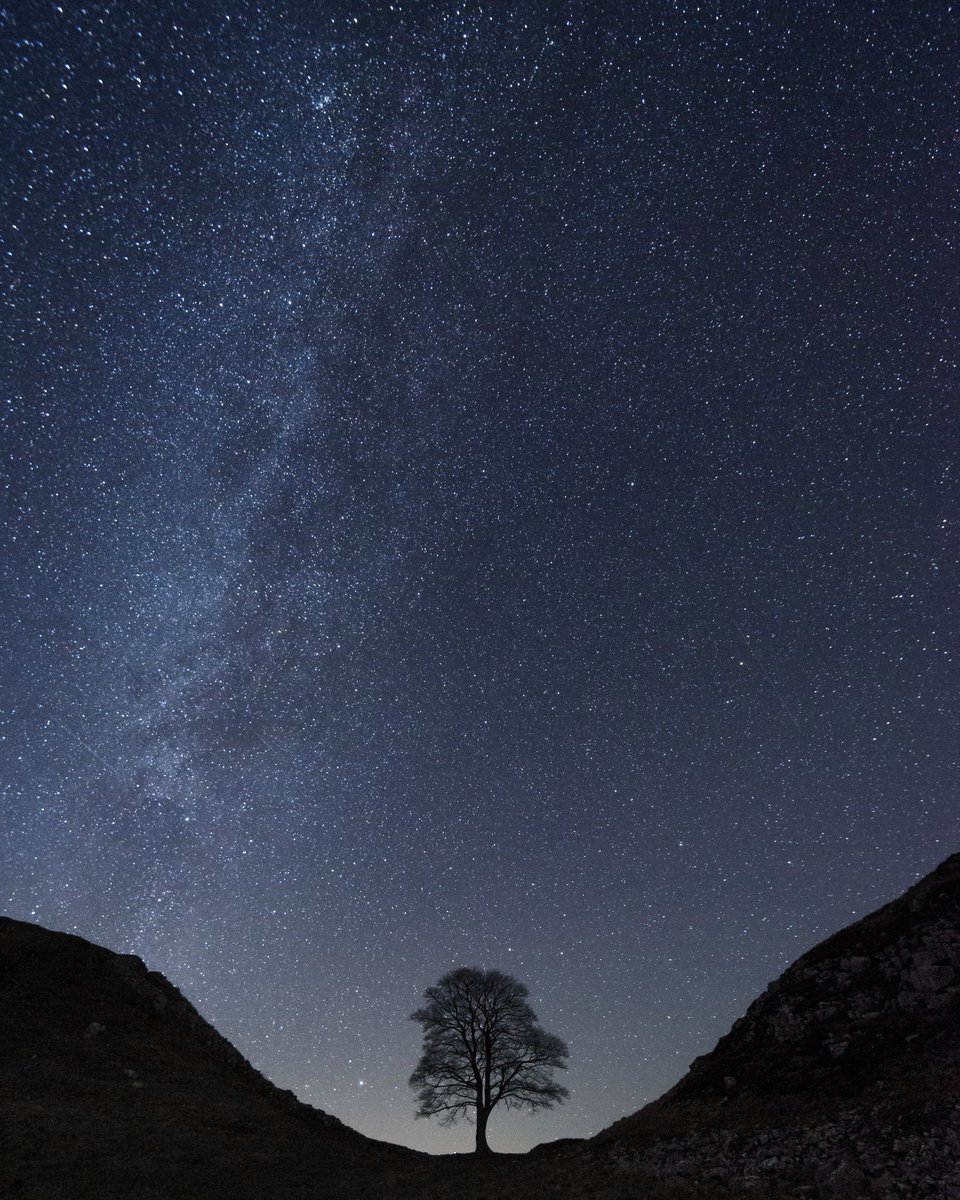
Absolutely disgusted to hear about Sycamore Gap this morning & that someone has chainsawed down this beautiful tree. I literally cannot understand why someone would do something like that.
At least I'll have the memory of shooting the Milky Way here, one cold January night.