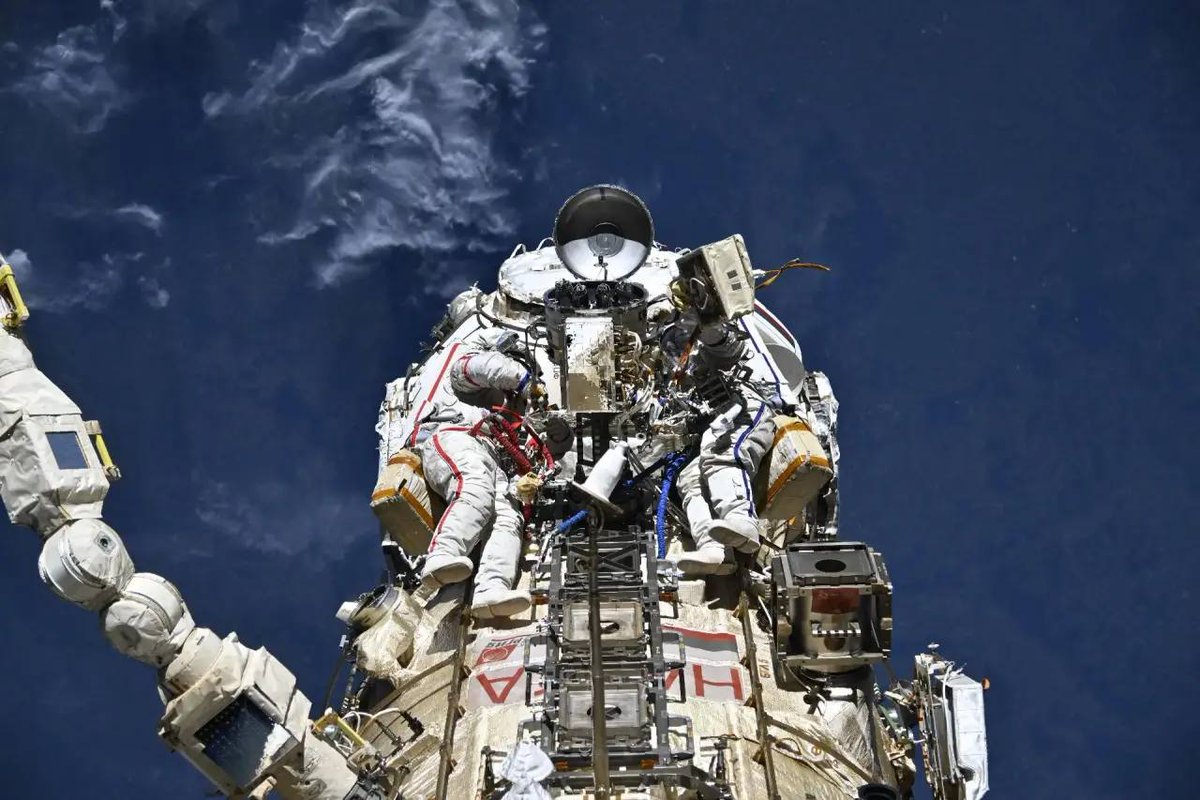
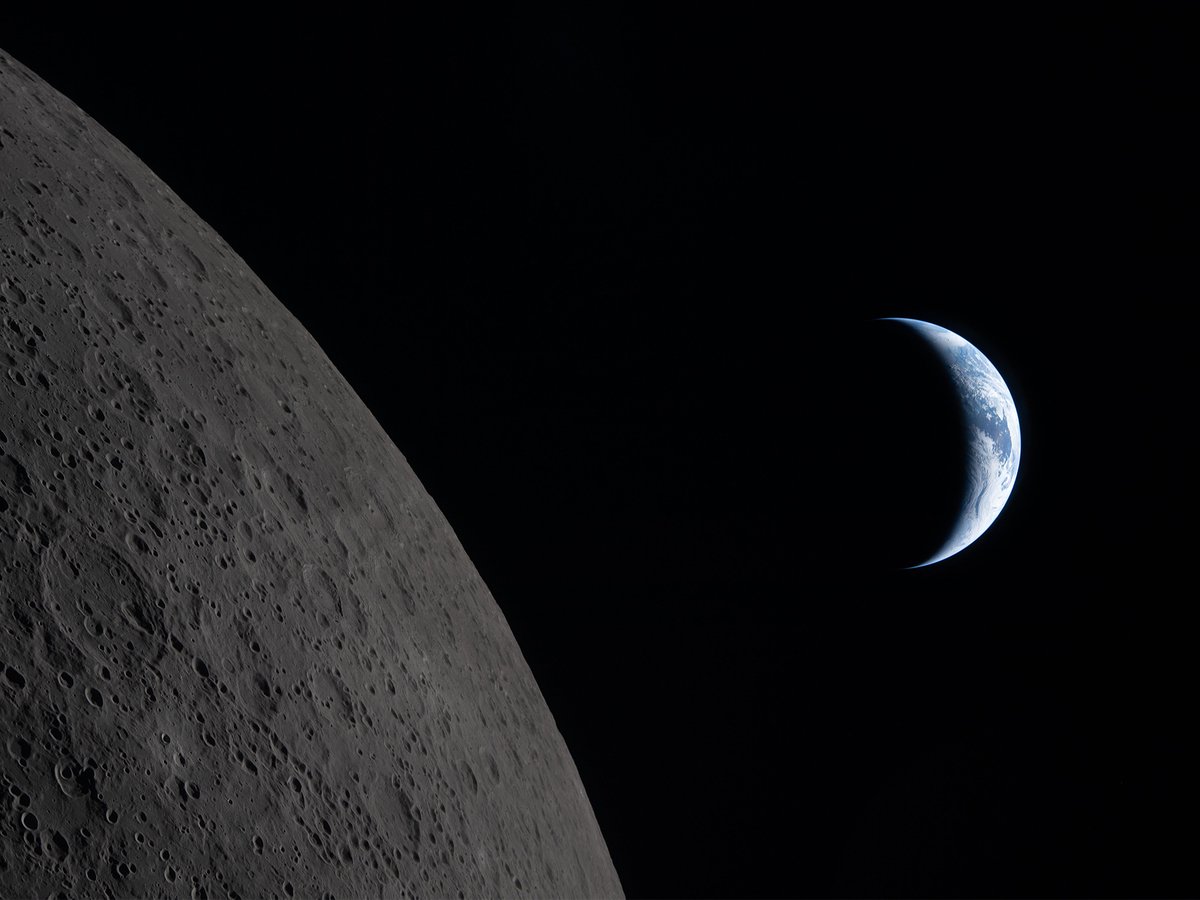
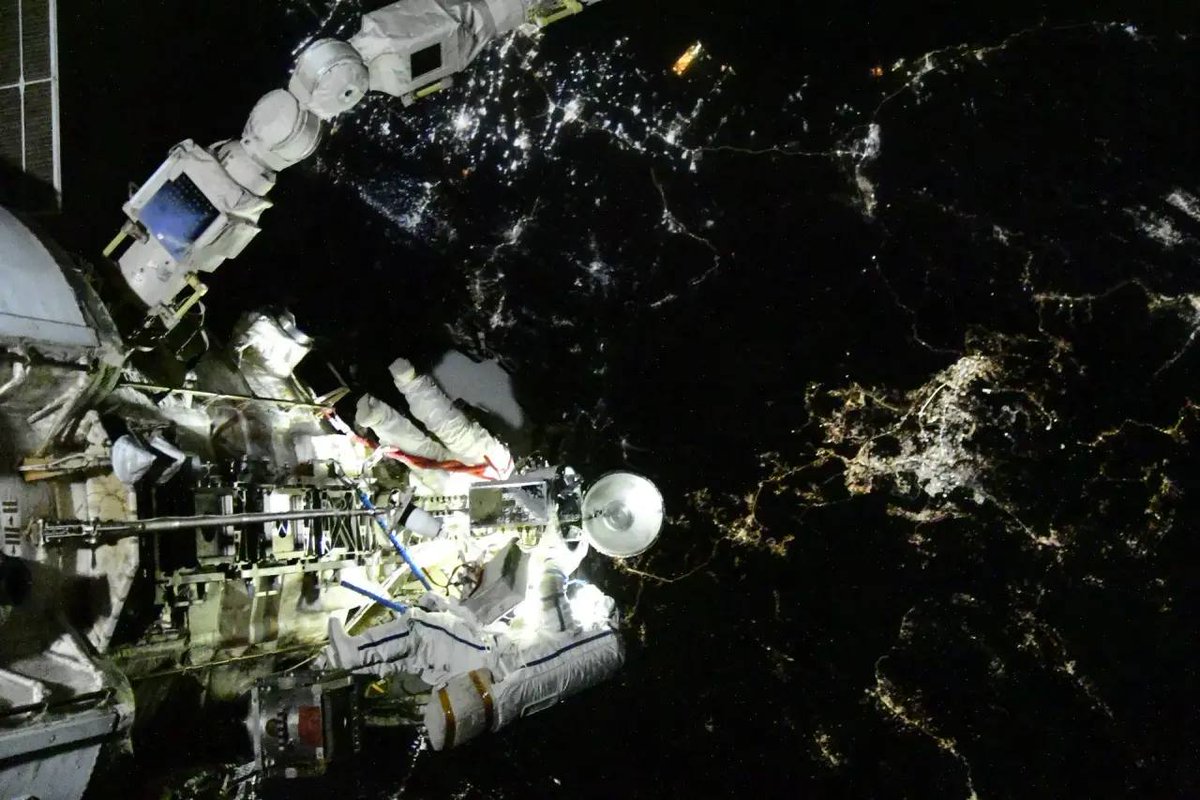
NASA astronaut Chris Williams took this photo of an orbital sunrise from the International Space Station on June 26, 2026.
#DYK in a 24-hour period, the space station makes 16 orbits of Earth, traveling through 16 sunrises and sunsets?
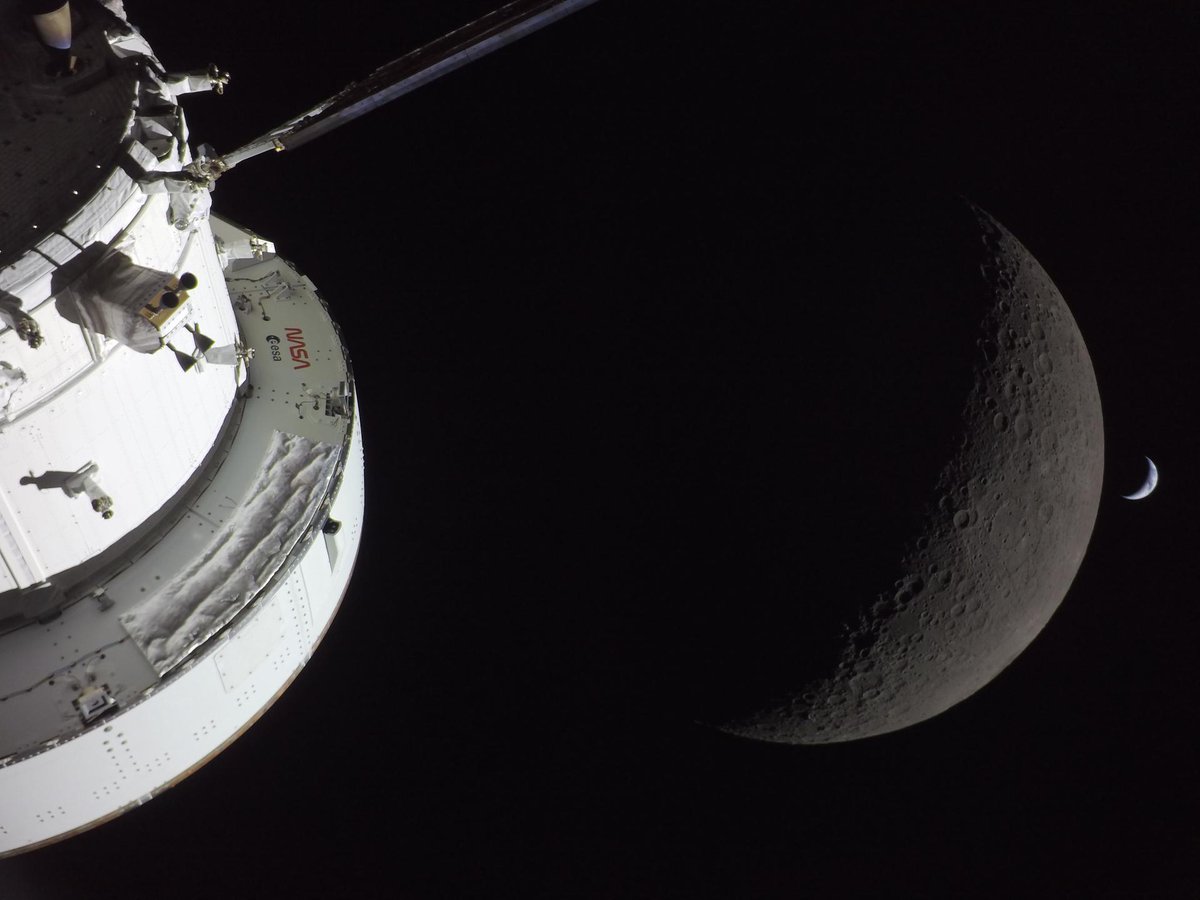
Get ready for a front row seat to Artemis III.
NASA has selected @SpaceX to provide laser communications capabilities from the Orion spacecraft for the mission. They will deliver high-def imagery as astronauts test rendezvous & docking operations between Orion and commercial systems. https://t.co/lWEf9If4re
Artemis III
🌍 A low Earth orbit demonstration mission
🔧 Practicing critical rendezvous and docking operations
🌙 Paving the way for Moon landings
More info in this explainer: https://t.co/ADvWEVACSh
Since arriving at its destination five years ago, our Perseverance Mars rover has collected data that hints at a history of past life on the Red Planet.
Catch up on Percy’s biggest discoveries in this week’s episode of our Curious Universe podcast: https://t.co/J5dh8FhHjw
Before Neil Armstrong could take his historic first steps on the Moon, NASA first had to master the techniques that would let an astronaut safely exit a spacecraft in space.
On June 3, 1965, Gemini IV pilot Ed White made that first step with the first American spacewalk.
NASA’s Juno mission saw particles accelerated by Jupiter’s powerful magnetic field to near the speed of light.
The findings may unlock a 100-year-old mystery about even faster particles reaching Earth from distant supernovas. 🔎⚡
Published today: https://t.co/yMv3Yv2PgM
Join us today for a live event where we'll share our @NASAMoonBase plans! At 2pm ET (1800 UTC), we'll update you on our progress toward a long-term presence on the Moon. Watch right here on X.
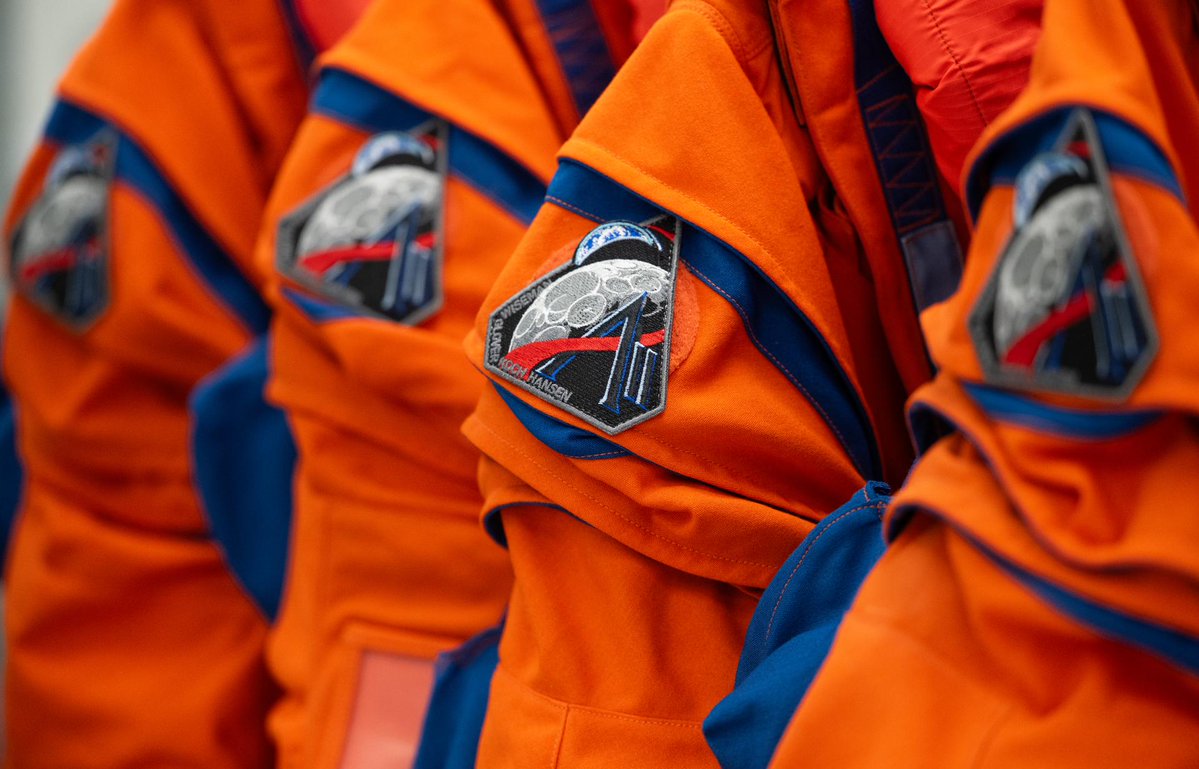
On Tuesday, June 9, we’ll announce the four astronauts who will orbit Earth aboard the @NASAArtemis III mission!
Watch our live event at 11 a.m. EDT (1500 UTC) to find out who will test the docking capabilities necessary for crewed Moon landings: https://t.co/TyU7StKGxH
Skywatchers: the next full Moon is approaching!
Check out NASA’s Daily Moon Guide, an interactive map that lets you explore the Moon’s surface day by day. See each phase, discover features visible to the naked eye, and learn what you can spot with binoculars or a telescope. https://t.co/Ndu2JKTSfM
El 31 de mayo tendremos una “luna azul”. 🌕💙
A pesar del nombre, nuestro satélite natural no se verá de ese color: se le llama así a la segunda luna llena que ocurre en un mismo mes del calendario. Disfrútala este fin de semana, antes del amanecer o después del atardecer.
Once in a Blue Moon 💙
Tomorrow, May 31, we will be treated to a rare second full Moon in one month – aka a Blue Moon. Which means double the Moon joy!
Check out more notable astronomical events that are happening this year here >> https://t.co/MtXTEaVuw8
New data from @NASAWebb shows that supermassive black holes can grow to their current size without a much larger host galaxy to feed them.
This helps to explain why some black holes in the early universe got so big so quickly. https://t.co/9l3SjnKHqZ
NASA’s Juno spacecraft captured this view of Thebe, the second largest of Jupiter’s inner moons, during a close pass on May 1, 2026.
Thebe is believed to play a role in the formation of the planet’s “gossamer” ring through the shedding of dust. Read more: https://t.co/OUGGbApsCs
Artemis II represented a team of people across NASA’s centers and beyond who came together to support the four astronauts aboard and complete a successful mission.
Tomorrow at 3:30pm ET (1930 UTC), our experts will be on @Reddit to take your questions: https://t.co/LknsFJd5xD
Humanity's farthest landing ever
We touched down on Saturn's moon Titan in 2005. This is real probe data "NOT CGI"
The only spacecraft to land in the outer solar system.