Honored to be in @FIUnews where I talk about my academic journey in 🇮🇹🇺🇸 as well as the applications and impacts of my flood modeling research. @warredoc@FIUSeaLevel@FIUEnvironment@FIUCASE@UNI_FIRENZE https://t.co/vUMRyW8pYD
flood fact of the day: did you know 84.5% of NOAA flood damage reports from 2006-2020 are OUTSIDE a mapped FEMA high risk area (100 year floodplain) or in an unmapped region? thanks for this fascinating analysis Elyssa Collins @ncsu https://t.co/uOg36HpXgk
Along with the other great compound-events sessions at #AGU22, there'll be a “Multidisciplinary Exchanges on Critical Risks” mini-workshop with 3 keynotes, lightning talks, and time for small-group interactions. https://t.co/s5OkXUCJSJ
Lightning abstracts not due until Aug 17!
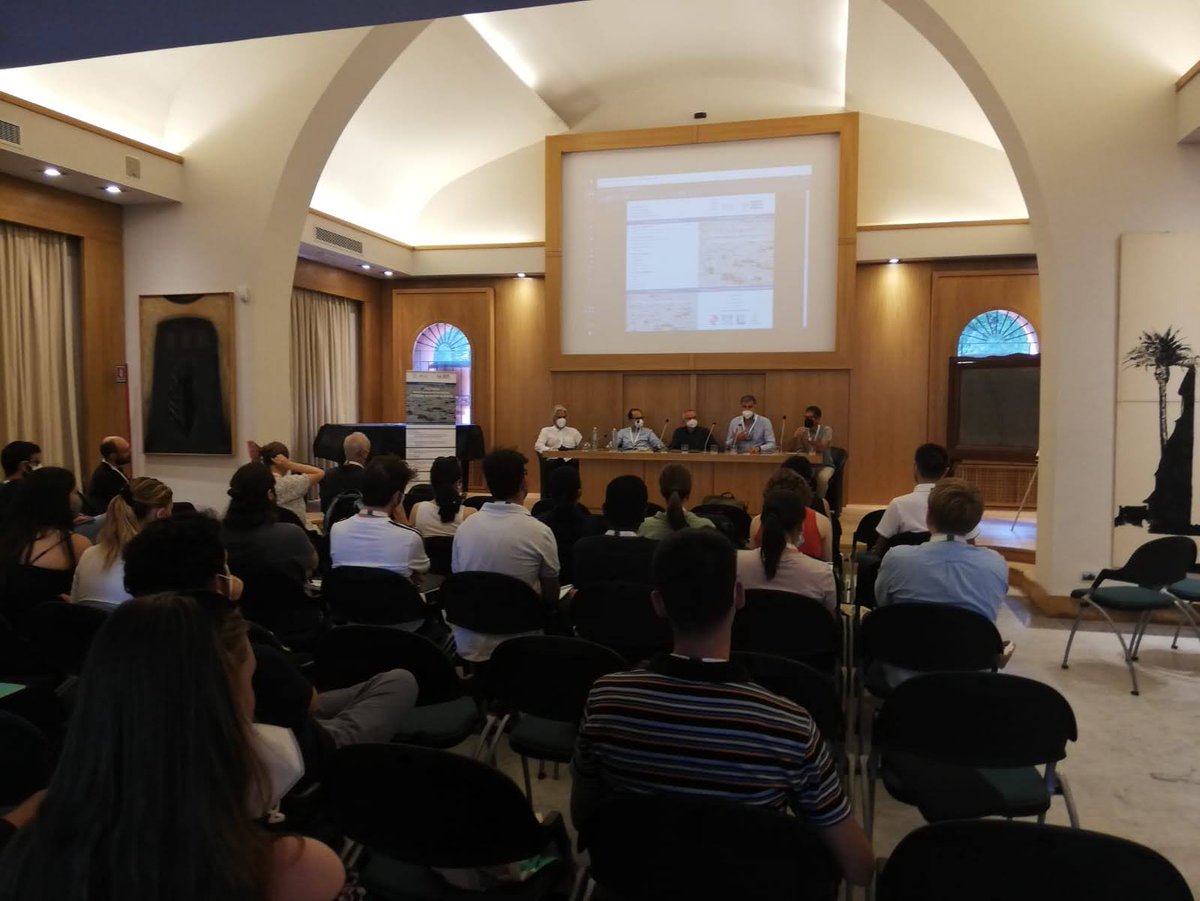
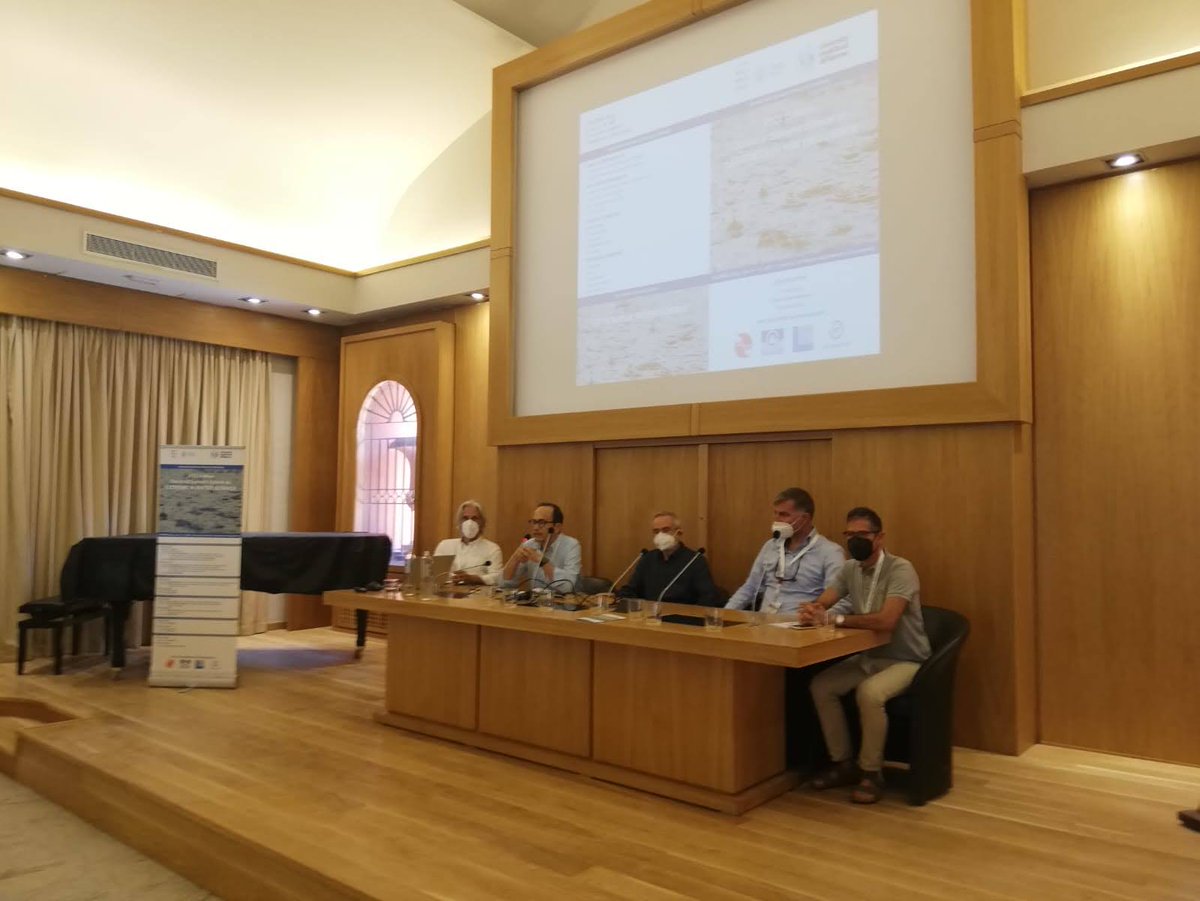
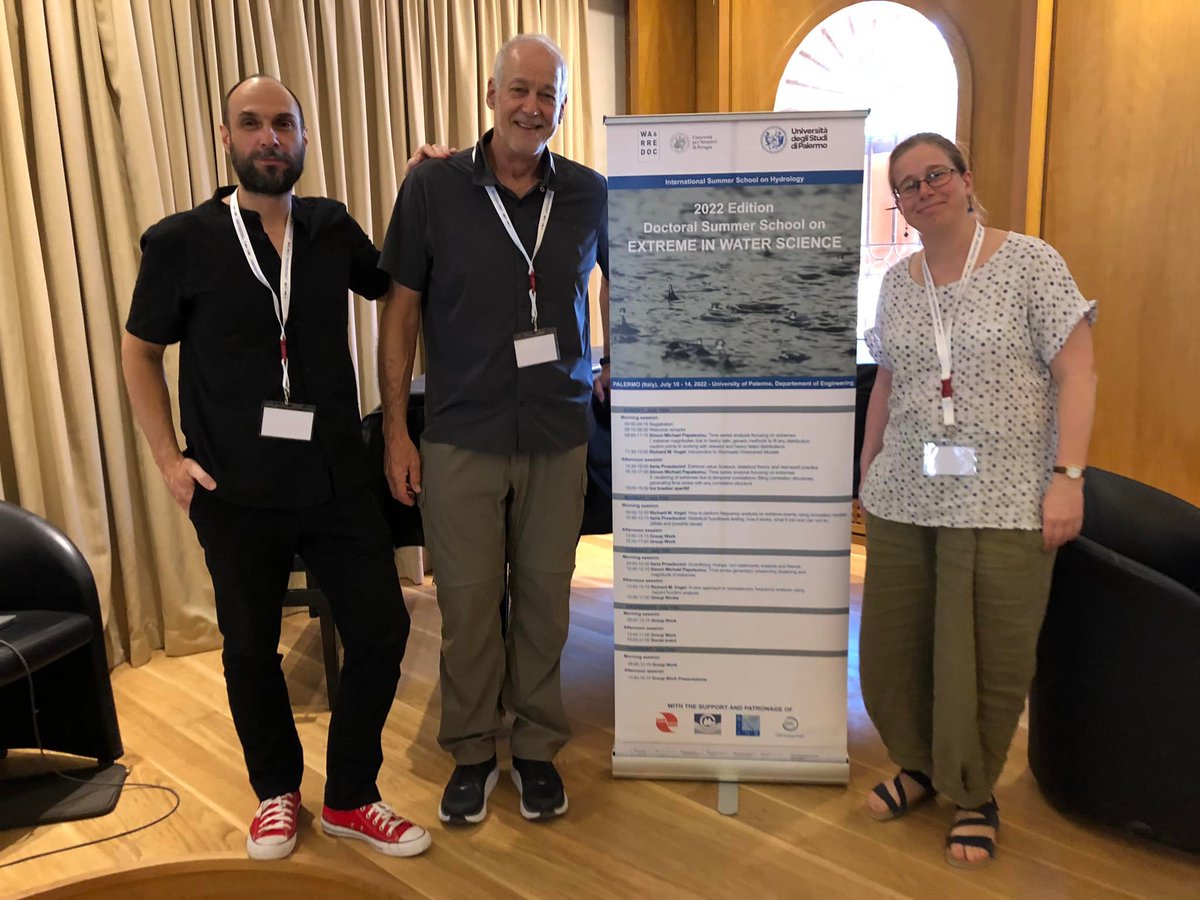
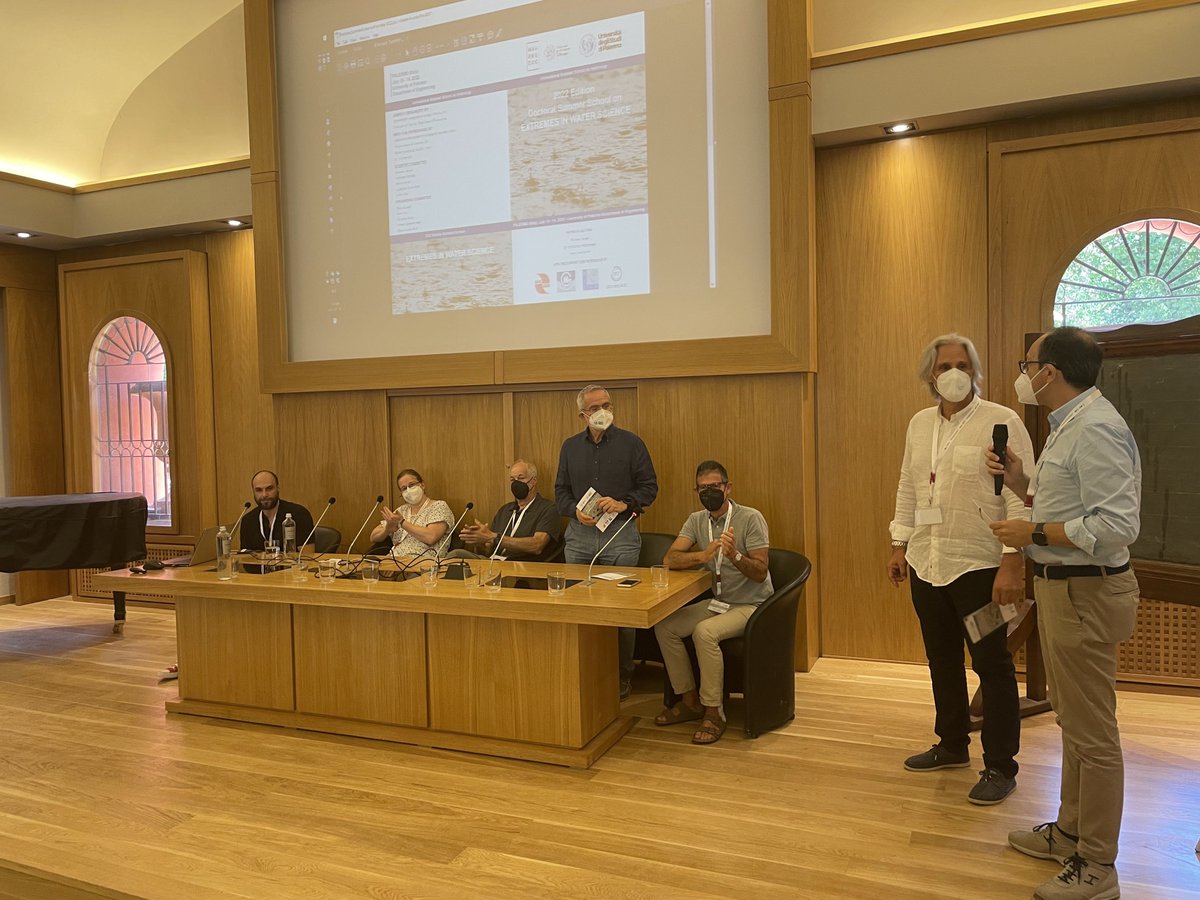
Today in Palermo opening of the 2022 International Summer School On Hydrology “Extremes In Water Science” by @UniStraPg@unipa_it w/ keynote lecturers @SimonPapalexiou Richard Vogel @ilapros and the scientific/organizing committee (info in link/comments)
https://t.co/7jfVaybxus
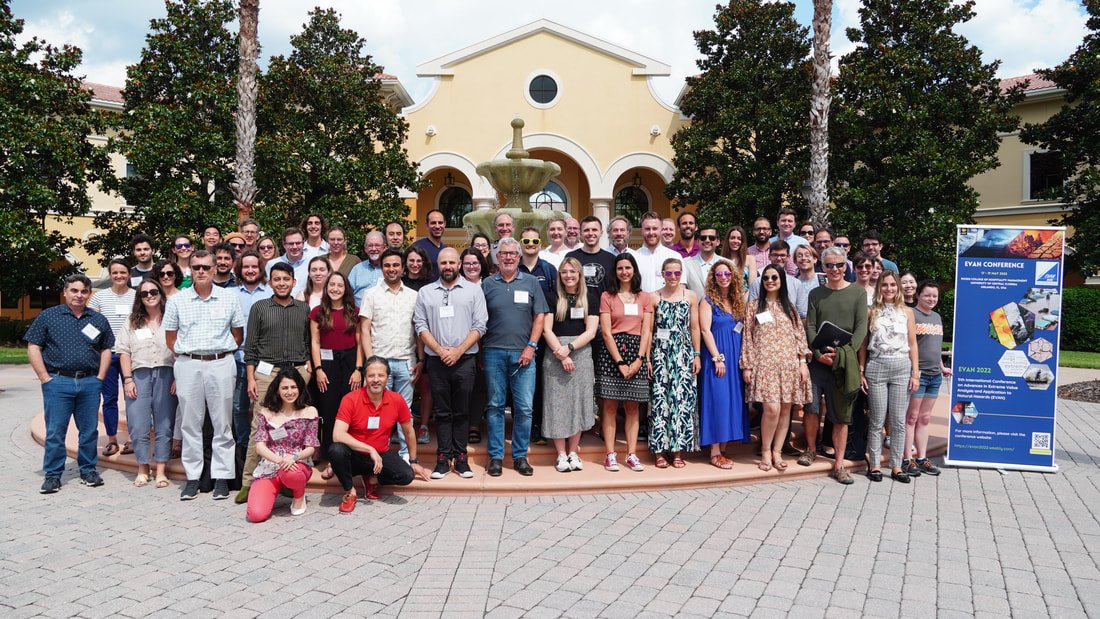
Great experience at #EVAN2022! Strengthening collaboration with statisticians, hydrologist and civil engineers to incorporate multivariate statistical analysis (copulas) into #compound#flooding models 🌊. Thank you for the opportunity @TWahl1981 @CoRELabUCF
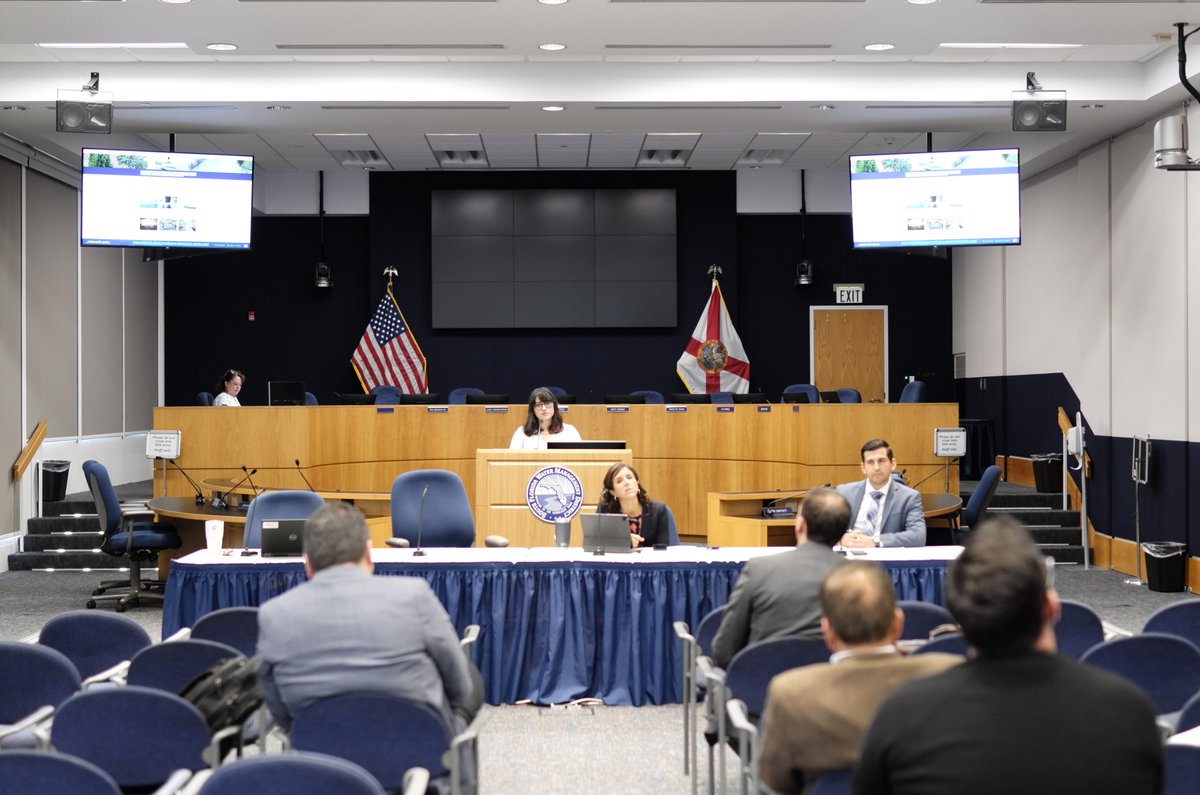
This week, SFWMD hosted a workshop on Future Rainfall Projections in support of its Resiliency initiatives. Visit the new Water & Climate Resilience Hub to view the latest info & data analysis including rainfall projections for SFWMD's 16-county region. https://t.co/S4HnQTVwZM
Now you know Rome is the largest agri-metropolis in Europe and one of the largest globally. Surely an optimal demonstrator case for @NexusNess_Prima Great field visit today, thanks to Consorzio di Bonifica Litorale Nord
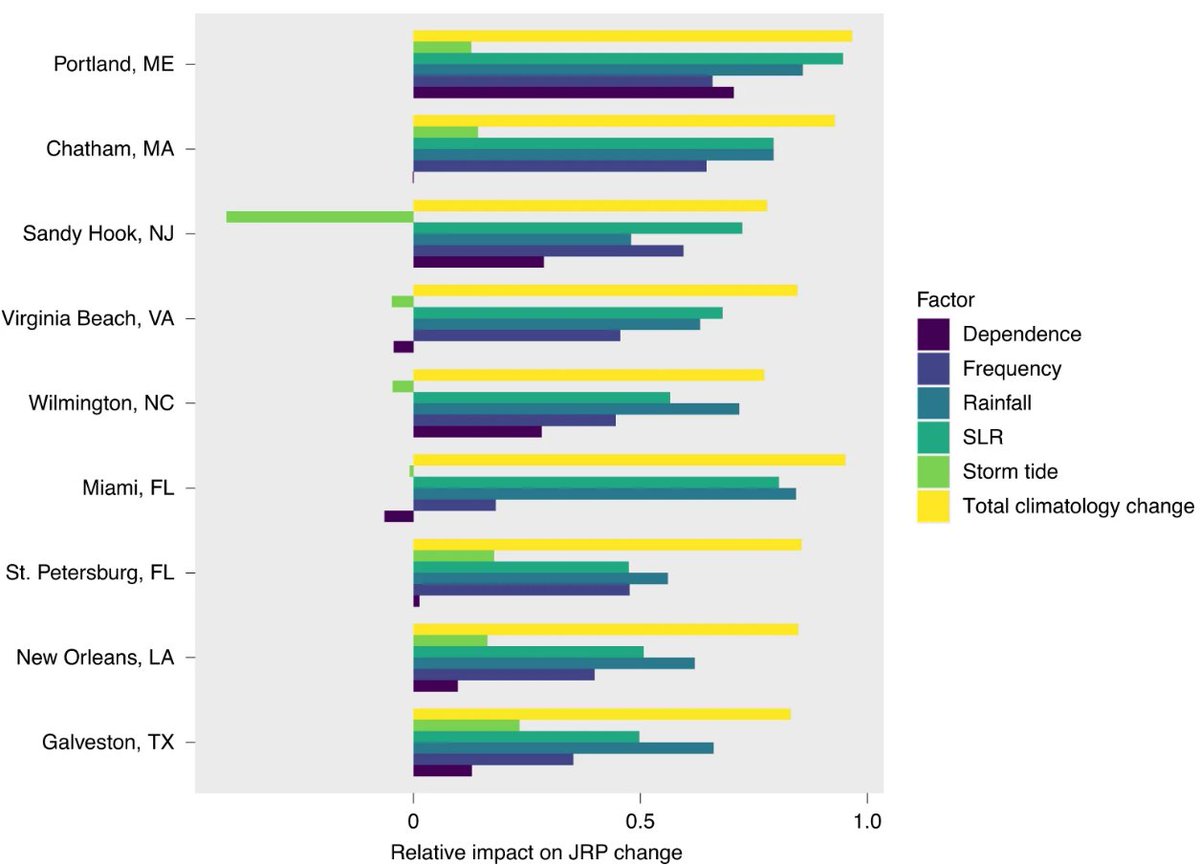
Research: Tropical cyclone climatology change greatly exacerbates US extreme rainfall–surge hazard from @avantika_gori et al finds increasing cyclone intensity & decreasing translation speed are the largest contributors https://t.co/gHaJWDX6Hl
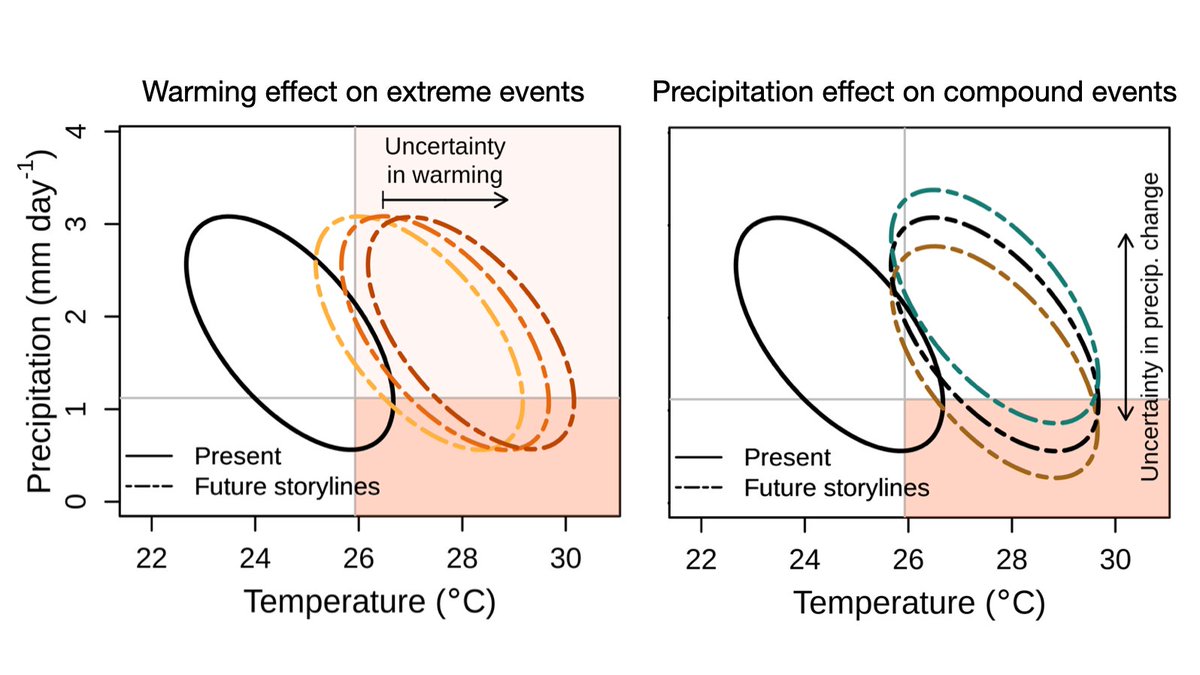
In a new @NatureClimate paper, we show that the future occurrence of compound hot–dry events will be exclusively determined by trends in precipitation. This occurs because future droughts will always be hot, regardless of the exact local warming. 1/5
https://t.co/Bwyk20vPCp
The 2nd 'Coastlines and people Open data and MachinE learning sprinT' (COMET) event will be held from May 2-6 in Kitty Hawk, NC.
Send an email/DM (to me or @AEBraswell) if you have Qs, and please apply if you are interested!
https://t.co/4ABZI1R6aB
1. See failure as a beginning.
2. Never stop learning.
3. Assume nothing, question everything.
4. Teach others what you know.
5. Analyze objectively.
6. Practice humility.
7. Respect constructive criticism.
8. Take initiative.
9. Give credit where it's due.
10. Love what you do.
I would like to thank my mentors @fnardi, Assefa Melesse, Jayantha Obeysekera, Fabio Castelli, @DrHydro, Todd Crowl, and Noemi Gonzalez for all their support to become a better professional and scientist.
More papers to come!
I am very happy to share that my manuscript "Compound flood modeling framework for surface-subsurface water interactions" is now available in the online library of Natural Hazards and Earth System Sciences at: https://t.co/GOzlHqfQPt
Looking forward to this event. I'll talk about spatially extended precipitaiton extremes and some work (in press) about compound hot-dry events. See you there! :) @Compound_Event
📢 What is forecast-based financing? How can it be used to avoid displacement before disasters strike?
Let's explore lessons learned together on 01 March to drive climate action: https://t.co/ZjWP3CsNni.
Presenters: @ZSimperingham, @edjemba@RCClimate & myself @PrincetonSPIA.