Lover of cities, architecture, preservation, art, people. Jump at every chance to go to London, Paris, Barcelona, Berlin, Hong Kong, Mumbai, Marrakesh, Boston
Has no one at @mta@NYCMayor@NYCTSubway@MTAPD@NYPDnews ever heard of crowd crush deaths? You can't have *one staircase* to exit the entire one train at Penn Station it's unsafe.
The 1991 City College Stampede that killed nine people in a staircase was at a basketball game.
Spotted one of my favorites on the Appalachian trail near Cold Spring last weekend--an Indigo Bunting! It was happily singing right next to the path. 💙💙💙 #Bunting#CentralPark#birdcpp
This is an adult North American bobcat, a mid-sized wildcat with distinctive white and black facial markings, prominent ear tufts, and a robust ruff of fur around its neck. Populations have been gradually recovering across the northeastern United States, including N.Y.
Brosnan was always gorgeous. Remember his breakaway role as an IRA terrorist in The Long Good Friday? That closing in the car with Helen Mirren? (1982)
"Powerful new Marine One helis!" Trump's latest renovation plan: Helipad may be installed at White House to prevent powerful new Marine One helicopters from damaging South Lawn https://t.co/iCrllOOeJx via @WSJ
The tallest, biggest tree came down overnight on the @34_ave open street. RIP
Gone = lots of shade and beauty.
I was out taping this tree 2x this week of all things!
@NYC_DOT@StreetsblogNYC@CMShekarK
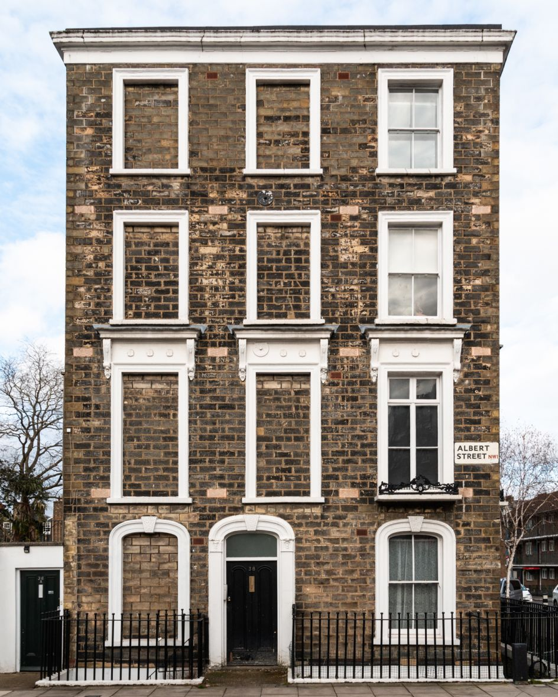
In 1696, the British government decided to tax sunlight. Under the Window Tax, households were charged according to the number of windows in their homes. To avoid paying, many people simply bricked up or boarded over their windows, choosing to live in darkness rather than hand money to the state for daylight.
The tax was presented as a fair way of taxing wealth, since larger houses tended to have more windows. In practice, it proved crude and damaging. Tax inspectors were given the power to enter homes and count the windows, which was widely resented as an invasion of privacy.
The consequences were severe. Poorer families, in particular, bricked up windows to reduce their liability, leaving homes darker, damper and poorly ventilated. This contributed to higher rates of disease, including tuberculosis and rickets. Architects began designing houses with fewer windows to minimise the tax, resulting in buildings that were less healthy and less pleasant to live in.
Far from being an efficient revenue raiser, the Window Tax distorted behaviour, harmed public health and became increasingly unpopular over time. Yet it remained in place for 155 years until it was finally abolished in 1851. The Window Tax required invasive enforcement and created more resentment, hardship and economic distortion than revenue. It is a classic example of the unintended consequences of taxation.
In addition to @CentralParkNYC turning on their mission to preserve park history by taking a bizarre stance against the beloved carriage horses, & loving daily e-bike accidents, they also prefer Cherry Hill to flood in the rain rather than be properly paved; They lost their way!
Everybody at @TfL, the Government’s cycling body @activetraveleng and the wider activist cycling community now know that 2025 was the worst year on record for serious cyclist injury and the risk of serious injury has been trending upwards since 2015.
We know their fanaticism has led to the exclusion of blind people from their bus services and there is almost no evidence for the benefit of cycle tracks except they make you ‘feel safer’.
It’s time for a new approach to cycling!