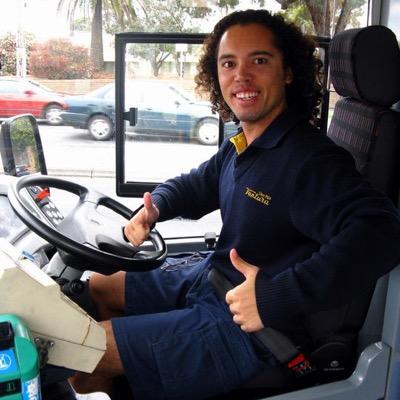
Your kids regulate through your nervous system until around age 7. They reflect your internal calm or your chaos.
This is why your toddler melts down more when you're stressed and stays more balanced when you're grounded. Working on yourself helps them more than working on them.
Two years of vigorous exercise reversed about 20 years of structural heart aging in sedentary 50-year-olds
By gradually building to 5–6 hours/week of training, participants reversed the shrinking and stiffening that comes with age
The protocol:
• Norwegian 4x4 intervals (once per week initially, later twice per week, eventually back to once per week)
• Recovery aerobics (20–30 min. light exercise on days following intervals)
• Endurance sessions (1+ hr. endurance training, plus a 30-min. base pace session weekly)
• Strength training twice weekly
The takeaway: even at 50, the heart can regain size and flexibility with enough structured training
I would love for someone to write the long form book / post on corporate dark arts embodied in the world class EAs
calendar snooping, insane politicking, true edge cases of travel and scheduling, soft power logistics, lies and damned lies, etc
female business owners…
would love to help you spread awareness on your health products
email us and we’ll have our science team check it out
partnerships at bryanjohnson dot com
I'm a cardiologist. I've held dying hearts in my hands in the cath lab at 3 AM. And I need to tell you something that changes everything about how we prevent heart attacks.
For decades, the entire field was built on one target: lower LDL cholesterol. Statins save lives — that's settled science. But too many of my patients did everything right — took their statins, hit their numbers, lived clean — and still ended up on my table with a ruptured artery.
We were treating the smoke while the fire kept burning.
The fire is inflammation. And the evidence is now overwhelming.
The CANTOS trial proved it first — lowering inflammation independent of cholesterol reduced cardiac events. But the newer data is what keeps me up at night.
AI-enhanced CT angiography can now detect inflamed arteries by measuring changes in the fat surrounding your coronary vessels — the perivascular fat attenuation index. Higher inflammation in the fat around even one artery independently predicts cardiac death. When multiple arteries show inflammation, the risk multiplies dramatically — even in patients whose cholesterol looks perfect.
This isn't theoretical. This is measurable. Right now. On a scan you can get this month.
Low-dose colchicine — a drug that's been around for centuries for gout — is now FDA-approved specifically for reducing cardiovascular events. It works by quieting the inflammatory cascade that destabilizes the plaque sitting in your arteries. A pill that costs pennies is saving lives the statins couldn't reach.
And the next wave is already in Phase 3 trials. Ziltivekimab — an IL-6 inhibitor — targets the central inflammatory pathway driving atherosclerosis. Phase 2 data showed a 90% reduction in hsCRP. The ZEUS cardiovascular outcomes trial is enrolling now, with results expected late 2026 into 2027. If positive, anti-inflammatory therapy will become standard in managing heart disease alongside lipid-lowering. The era of inflammation-targeted cardiology is arriving.
But it goes deeper than drugs. AI is now predicting heart failure and cardiac events 5+ years before symptoms — integrating CT imaging, electronic health records, and genetic data with accuracy that jumps far beyond traditional risk calculators.
And polygenic risk scores — a simple genetic test that flags inherited cardiovascular risk — are now formally recognized as a risk-enhancing factor in the 2026 ACC/AHA guidelines. A single blood draw can reveal risk that's been silently building since birth. Decades before the first chest pain.
Here's what this means for you right now — today:
Ask your doctor for a high-sensitivity CRP test. It's cheap, routine, and measures the systemic inflammation that standard cholesterol panels completely miss. You can have perfect LDL and inflamed arteries that are quietly preparing to rupture.
If your hsCRP is elevated, discuss low-dose colchicine with your physician. It's FDA-approved for exactly this.
Push for a coronary CT angiography with AI plaque and inflammation analysis if you have risk factors. This isn't the stress test your parents got. This is 3D visualization of your actual arteries — with AI quantifying not just how much plaque you have, but what kind it is and whether the surrounding tissue is inflamed.
Consider polygenic risk score testing — especially with a family history of early heart disease. It's now guideline-supported.
And the foundation that never changes: move daily, eat real food, sleep 7-9 hours, manage stress, and know your numbers — ApoB, Lp(a), hsCRP, fasting insulin.
I left Iran as a child with nothing. I rebuilt everything in a country that gave me the freedom to become a physician. I've spent twenty years watching patients get second chances.
The ones who haunt me aren't the ones who died on my table. They're the ones who survived but never acted on what the science was telling them — years before the event that didn't have to happen.
You can have perfect cholesterol and still have a heart attack. Inflammation plus genetics can drive plaque rupture in arteries that look "fine" on a standard panel.
The myth that normal cholesterol means you're safe has cost more lives than I can count.
We now have the tools to detect the fire — not just the smoke. AI to see it. Genetics to predict it. Drugs to quiet it. And the ancient basics — movement, real food, sleep, purpose — to prevent it from starting.
Prevention is the new cure. And the science to make it real is no longer coming.
It's here.
Fixing your gut is annoyingly intricate.
More complex than a diet, but not one size fits all, which is why knowing the right tools is key.
It's one of the best ways to optimize health. I highly recommend implementing some of these strategies:
My top 10 gut health tools:
1. Elimination diets: start simple while you rebuild.
2. Bile flow: taurine, glycine, folate, choline.
3. Lose weight: overweight = gut problems.
4. Constipation fix: mg citrate + iberagast
5. Gut lining: PEA, collagen, lactoferrin, broth, kefir
6. Antimicrobials: S Boulardii, BSO, Mct oil + berberine
7. Inflammation: Curcumin + ginger tea
8. Digesting fats/proteins: Betaine HCL + Tudca
9. Nutrition chemistry: hit all mineral/vitamin RDAs
10. Hydration: 3L men, 2L women daily (1/8 teaspoon sodium, 1/4 mg malate per cup of water)
Bonus tools
- thyroid: 120 carbs daily
- fiber: PHGG, MCP, boiled carrots
- biofilms: NAC
- co-systems: oral health, sinus health
- circadian rhythm: morning light, darkness after sunset
@gold_and_water Unfortunately true. Was deciding between accepting a founding product management role at a promising health startup, or a stable government job. Because I want to move out and start a family ASAP, and I need to support my partner, I didn't really have a choice.
Drunk on a bottle of wine. Talked about our future, the children, with my partner. Why do drunk conversations feel more sincere? My partner, ever anxious, trusts the words I say more.
I’m meeting Kate’s parents for the first time.
Do you think they’ll like me?
I’m flying 17 hrs. She’s from Australia and international travel increases aging. But I really love her so it’s worth the cost.
In 1935, two American doctors examined seven women's ovaries and saw small lumps. They called them cysts and named the disease after them. They were wrong. It took 91 years to fix.
What we called PCOS is now Polyendocrine Metabolic Ovarian Syndrome (PMOS), announced today in The Lancet by an international panel of doctors and patients. The renaming followed more than a decade of consensus work and 22,000 patient and clinician survey responses.
The lumps Stein and Leventhal saw were never cysts. Modern imaging shows they were follicles, the tiny sacs inside the ovary that grow and release an egg each month, frozen partway through by a hormonal imbalance. PMOS is a multi-system disorder centered in the endocrine system, the body's network of glands that produces hormones like insulin (controls blood sugar), cortisol (the stress hormone), and thyroid hormones (set the body's metabolism). The ovary trouble flows downstream from there.
The naming choice is not academic. When doctors hear "ovary" in a diagnosis, they look at the ovary. "Metabolic" and "endocrine" send them to the whole body.
PMOS affects roughly 1 in 8 women worldwide, more than 170 million people. The WHO estimates 70% have never been diagnosed. Among those who do, 1 in 3 wait more than 2 years, and nearly half see 3 or more doctors first. The CDC reports more than half of women with PMOS develop type 2 diabetes by age 40, a risk 5 to 10 times higher than women without the condition. Around 37% have clinically significant depression, compared with 14% in women without it. Anxiety runs at 42% versus 8.5%.
A label born from a 1935 look at seven ovaries is finally going away. The new diagnostic guidelines roll out fully in 2028. By then, a woman walking into a clinic with these symptoms should hear questions about her blood sugar and her mood alongside her cycle. Those are the parts of the disease the old name hid for 91 years.
This is it.
Everything learned spending millions on longevity.
From: Your Immortal Unc and Auntie.
To: Our Immortal nieces and nephews.
0. Sleep is the world's most powerful drug.
1. Be in your bed for 8 hours
2. Same bedtime every night, any time before midnight
3. Don’t eat right before bed
4. Calm foods for dinner
5. No screens 1 hour before bed
6. Avoid added sugar (be aware it’s in everything)
7. Avoid all things in an American convenience store
8. Avoid fried foods
9. Shoes off at the door
10. Eat whole foods, particularly veggies fruits nuts legumes berries
11. Walk a little after meals or air squats
12. Get your heart rate high routinely
13. Lift heavy things
14. Stretch daily
15. Water pik, floss, brush, tongue scrape, morning and night
16. Make an effort to drink water
17. Get sunlight when you wake up (UV is low)
18. Protect skin in midday sun
19. Stand up straight
20. See at least one friend once a week
21. Avoid plastic where you can (in all things)
22. Circulate air in rooms
23. When stressed, breathe, learn to calm your body
24. Go to the dentist
25. Avoid sitting for long times
26. Protect your hearing, the world is too loud
27. Alcohol is bad for you
28. Finish coffee before noon
29. Avoid bright lights after sunset
30. If obese, look into a GLP
31. Sleep in a cold room
32. Texting while driving is dangerous
33. Turn off all notifications
34. Limit social media use
35. Don’t smoke anything
36. If you struggle to sleep, read a physical book before bed
37. 1 hour before bed have a calm wind down routine: bath, read, light walk, listen to music
38. The body is a clock and loves routine. Have a daily morning and evening schedule.
39. Avoid long distance travel where you can
40. Baby steps first: incorporate new things slowly
41. Do less… most things don’t work.
Bonus points if you get your blood checked.
Start here, it will change your life.
What to eat in the first weeks postpartum:
- Beef. The fastest way to rebuild iron and B12.
- Bone broth. Easy to digest and loaded with minerals you need.
- Eggs with the yolks. Choline, vitamin A, easy on the stomach.
- Dates and prunes for energy and to keep your bowels moving.
- Sweet potatoes, white rice, oats. Easy carbs your body needs for milk and recovery.
- Coconut water and fresh juices. Plain water alone is not enough.
- Liver if you can. Even small amounts offer a lot.
- Warm cooked everything. Your gut needs easy to digest food right now.
Avoid smoothies, salads, and cold drinks. Your body is too newly opened for cold raw foods. Eat like a queen for the first 6 weeks. The faster you rebuild, the better you feel for years.