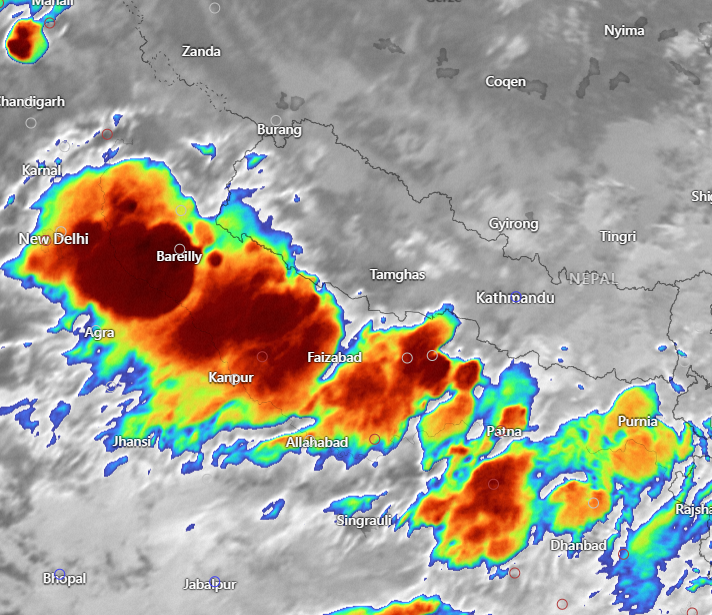
मनसुन ऋतुको पूर्वानुमान/आँकलन - २०८३
यो वर्षको मनसुनमा देशका धेरैजसो ठाउँमा सरदरभन्दा कम पानी पर्ने सम्भावना छ। अधिकतम तापक्रम र न्यूनतम तापक्रम पनि देशभर सरदर भन्दा बढी रहने सम्भावना छ। अर्थात गर्मी बढी हुने सम्भावना देखिन्छ।
विस्तृत विवरण :https://t.co/6CdNy5JtLI
Unofficial Monsoon 2026 Outlook 🌧️
Overall rain ~94% (±5%) → Slight Bel Normal
📊 NE: Above Normal
East: Normal
Central/West/South: Below Normal
North/NW: Mixed
El Nino Risk: Uneven rainfall floods in some areas, dry spells in others
#Monsoon2026#ElNino#wu2m#uşak#19Abril
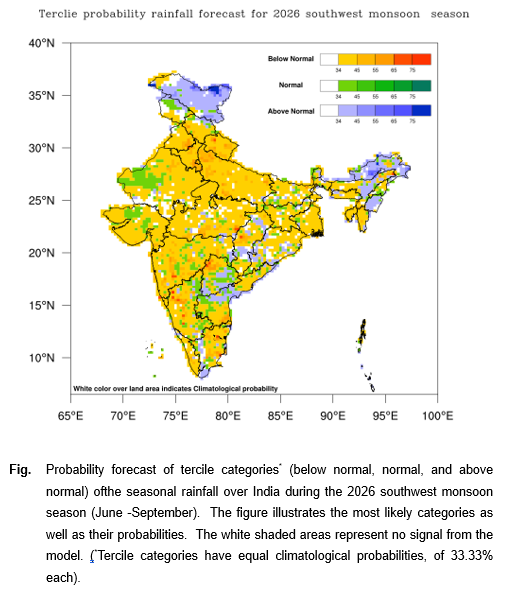
Sub: Long Range Forecast for Southwest Monsoon Seasonal Rainfall 2026
(1) India Meteorological Department predicts below normal southwest monsoon seasonal (June to September) rainfall over the country as a whole during 2026.
(2) Quantitatively, the southwest monsoon seasonal rainfall over the country as a whole during 2026 is likely to be 92% of long period average (LPA) with a model error of ± 5%. The LPA of the monsoon seasonal rainfall over the country as a whole based on 1971-2020 is 87 cm.
(3) Spatially, below-normal seasonal rainfall is most likely over many parts of country except some areas over Northeast, Northwest and South Peninsular India, where it is likely to be normal to above-normal.
(4) El Niño-Southern Oscillation (ENSO)-neutral conditions are most likely during April to June 2026. Thereafter, El-Nino conditions are very likely during SW Monsoon season.
(5) Neutral Indian Ocean Dipole (IOD) conditions are prevailing over the Indian Ocean. Positive IOD conditions are likely to develop towards the end of SW monsoon season which is favourable for SW monsoon seasonal rainfall.
(6) Northern Hemisphere Snow Cover as well as Eurasian Snow Cover during January to March 2026 were slightly below normal, which is favourable for southwest monsoon seasonal rainfall 2026.
(7) Detailed Press Release is available at https://t.co/r25wJBTk8f
@PMOIndia@DrJitendraSingh@moesgoi@PIBHomeAffairs@icarindia@ICRER_MHA@DDNewslive@airnewsalerts@IAF_MCC@ndmaindia@IndiannavyMedia@IndiaCoastGuard
💥 What makes one quake more damaging than another?
On 30 July, a magnitude 8.8 earthquake near Kamchatka triggered Pacific-wide tsunami alerts.
Impacts were limited — thanks in part to early warning, preparedness & resilience.
What determines earthquake impact? 👇
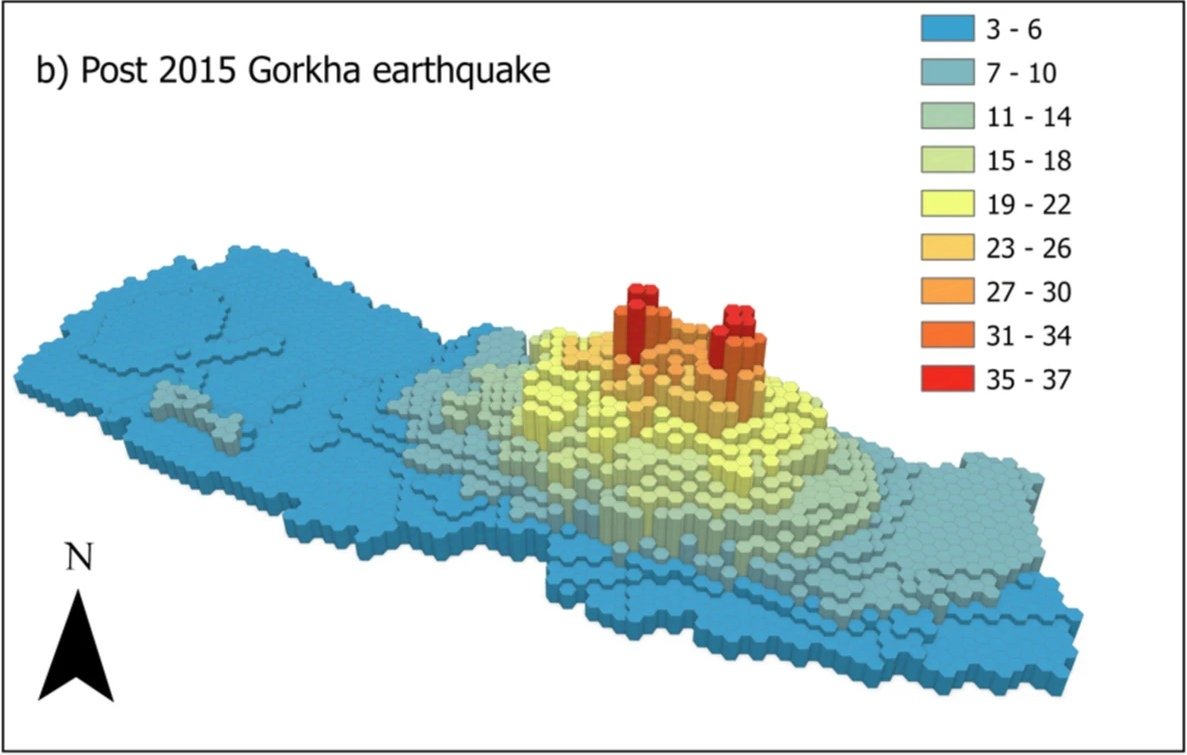
Earthquake shaking intensity map? No! This figure is showing the coverage of landslide inventories in Nepal since 2015, with clear biases and limited data in many high-risk areas of the country.
Read our new paper led by @ErinLHarvey mapping this out:
https://t.co/dsU7268TUo
Huge congratulations to @RameshS60528611 who successfully defended his PhD today! Dr Shrestha - it’s been an absolute pleasure working with and learning from you. A big thank you to Ramesh’s examiners Prof. Amy Donovan @dramydonovan and Prof. Matt Brain
NSET elects New Management Board for the term 2024-2026.
President: Dr. Amod Mani Dixit
Vice President: Mr. Shreeram Singh Basnet
General Secretary: Mr. Surya Prasad Acharya
Treasurer: Mr. Surya Bhakta Sangachhe
Members: Mr. Kalyan Bista, Ms. Hima Shrestha& Dr. Binod Shrestha
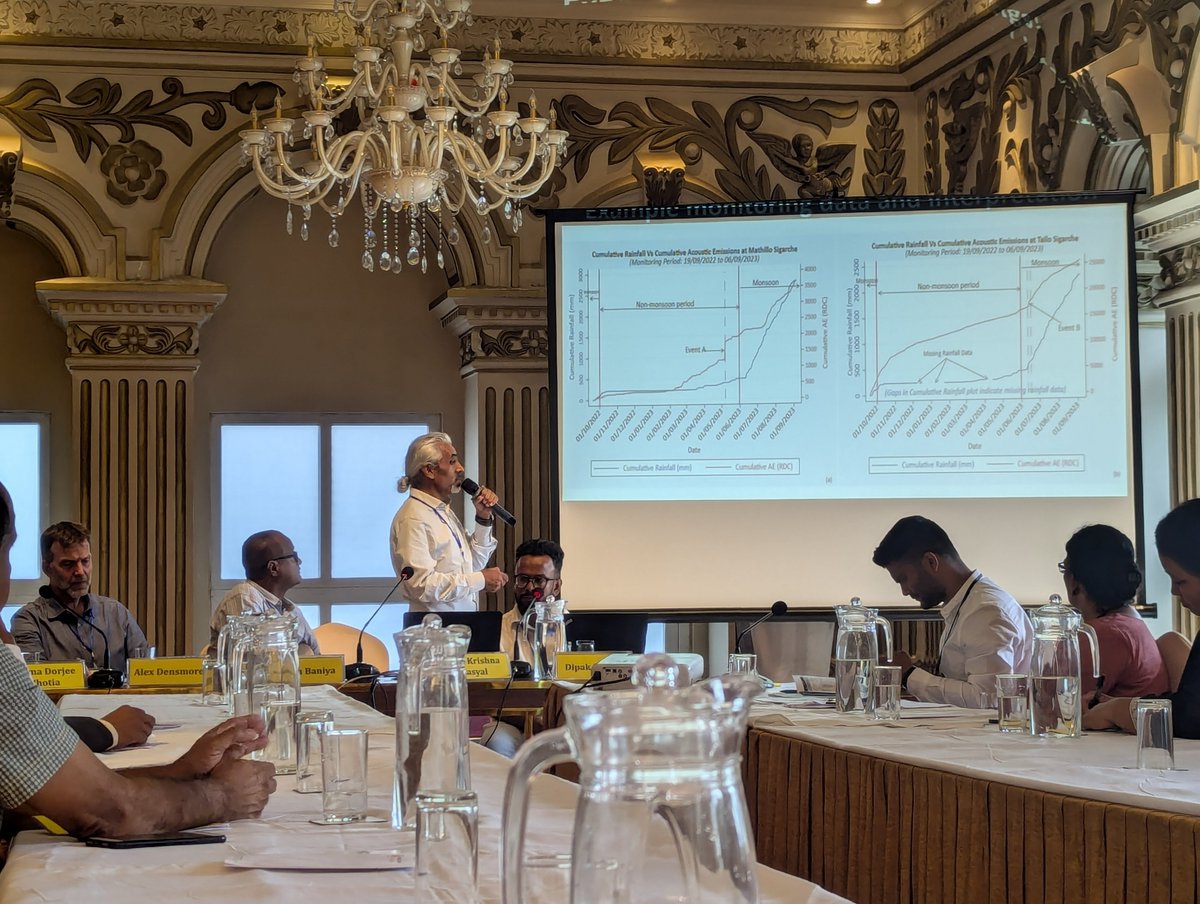
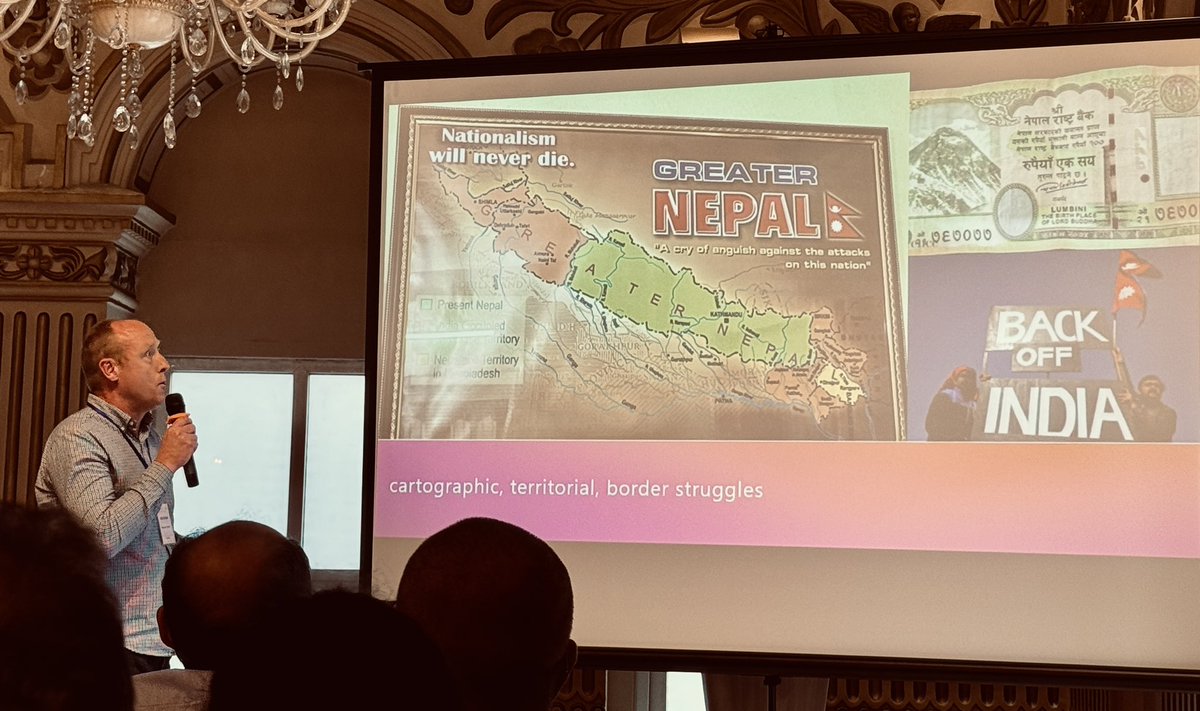
A really fab few days with the @SajagNepal project team (led by Alex Densmore from @GeogDurham) presenting our research at the annual Kathmandu conference co-organised by @soscbaha & @anhs_himalaya
सुक्ष्मअरुण प्रकाशमा बादलको यो दृष्य ! हिजोदेखि सिमानमा मोर्चा कसेको छ। सनैसनै आएर सिमसिम पानी पारे हुन्थ्यो। हठात् पसेर उधुम मच्चाउला कि भन्ने डर छ ।
११५५ मा फोन गरेर मौसमको जानकारी लिँदै गरौं। अरुका कम, मौसम र यसको प्रभावका बढी कुरा गरौं ।