Great to join Peter Sands from the Global Fund to Fight AIDS, Tuberculosis and Malaria for a global health briefing. Recent federal funding cuts are making it harder for us to save lives and put a stop to harmful diseases. I was encouraged to hear innovative AI tools are helping to fill the gap by improving diagnoses and treatments and strengthening health outcomes — but AI is just one tool in our toolbelt. We need to both support new technologies and fund global health scientists, aid workers, and researchers to ensure we don’t undo decades of progress fighting these diseases.
Our study is out in @ScienceMagazine! It shows that CAR-expressing astrocytes (CAR-A) can recognize and clear amyloid aggregates, reducing pathology and restoring microglial homeostasis in AD models.
Led by Yun Chen, Alex Liu and @khainotkaiorky!
https://t.co/toBkTydEpT
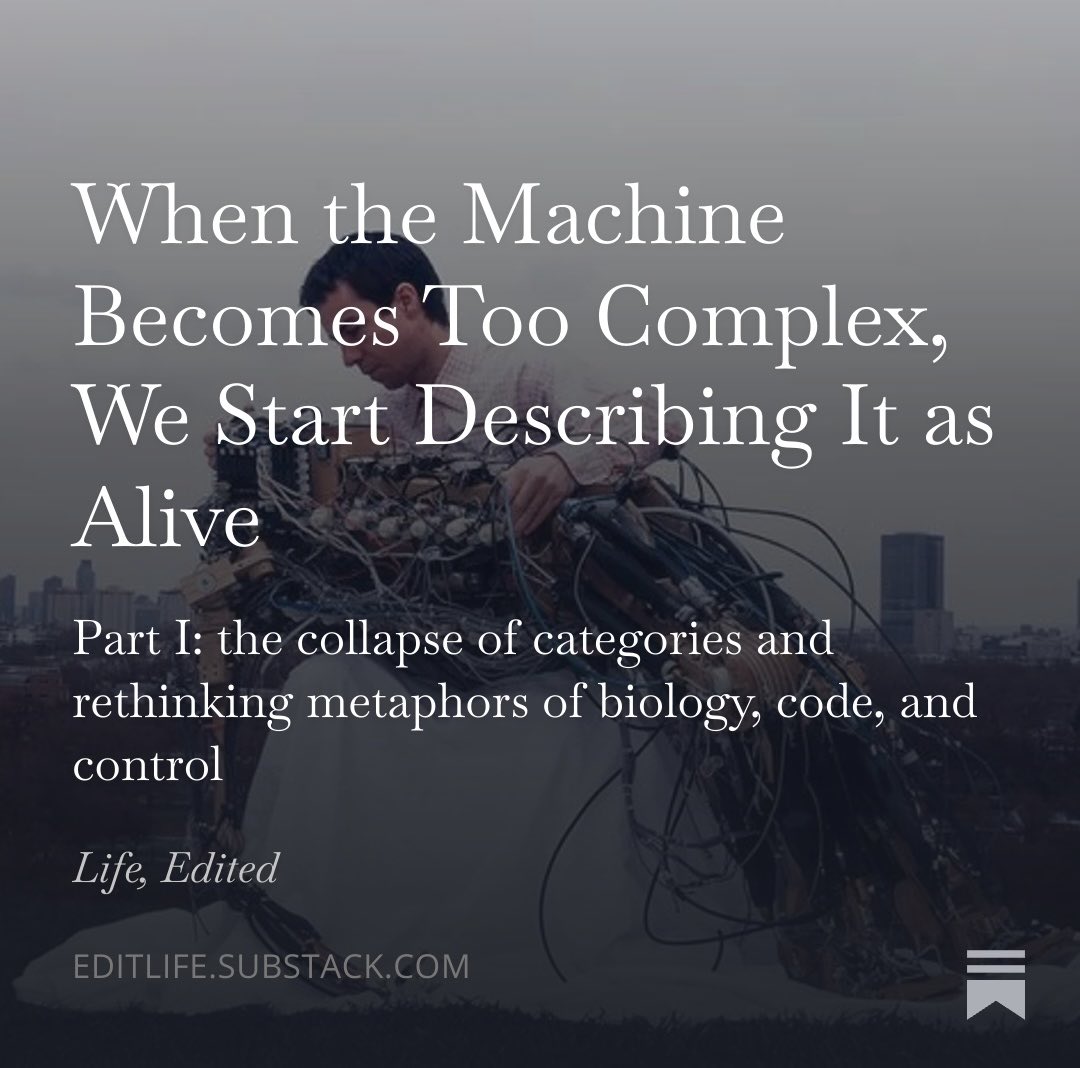
Biology isn't inspired by technology. It is the original technology.
We use machine metaphors to condense and domesticate biological complexity, creating an illusion of control.
But as our machines grow less controllable, AI’s resist full comprehension, we reverse course and explain this complexity through the very biological frameworks we keep trying to transcend.
It's time our metaphors evolve.
I explore this and more in my new post (linked below)
Genome-edited immune cell therapy just did something extraordinary.
A rare, aggressive blood cancer - T-cell acute lymphoblastic leukemia - has been one of the hardest to treat.
These patients often run out of options.
Some are told to prepare for palliative care.
And now? Base-edited immune cells are bringing them back.
What happened?
A team at UCL and Great Ormond Street Hospital used a new therapy called BE-CAR7 - immune cells edited with next-generation CRISPR that changes single letters of DNA without cutting the genome.
It’s precise.
It’s powerful.
And it’s the first time it’s ever been used at this scale.
10 patients. Children and adults.
Results: 82% went into deep remission - enough to get a life-saving stem cell transplant. 64% are still disease-free.
The earliest patients are 3 years out and living normal lives.
For a cancer this aggressive, that is not “promising.”
That is historic.
Why it matters:
CAR-T therapy revolutionized leukemia treatment - but T-cell leukemias were the exception.
The cancer is made of T-cells.
The therapy is made of T-cells.
They kill each other. Total friendly fire.
BE-CAR7 solves this with elegant molecular engineering:
Remove the receptors so donor cells can be universal
Remove CD7 so the cells don’t kill one another
Remove CD52 so they survive conditioning drugs
Add a CAR that targets CD7 on cancerous T-cells
Use base editing to make all of this precise, clean, and stable.
What you get is a storable bank of universal cancer-killing cells - ready for any patient who needs them.
Not 1:1 bespoke therapies.
Not months of manufacturing.
Off-the-shelf cures.
The human story:
Alyssa was 13.
She had failed chemo. Failed a transplant.
She was discussing end-of-life options.
Then she became the first human in the world to receive a base-edited cell therapy.
Today she’s 16.
She’s back in school. Sailing. Doing her Duke of Edinburgh award. Planning to learn to drive.
Her next dream? Become a research scientist.
This is what science can do when we let it.
The bigger picture:
Most kids with T-cell leukemia survive.
But the 20% who don’t desperately need new tools.
BE-CAR7 is not a miracle cure.
Some patients didn’t make it - and the clinical teams are brutally honest about that.
This is real science, real stakes, real learning.
But for the first time, families facing this cancer have more than hope.
They have data.
They have survivors.
They have a path.
What’s next:
The NEJM publication confirms it:
Base-edited universal CAR-T cells work in humans.
GOSH Charity is now funding treatment for another 10 patients.
A new Children’s Cancer Centre is being built to accelerate this work.
And the research team - clinicians, nurses, engineers, donors, and families - just opened the door to a future where genome-edited cell therapies are not rare miracles…but standard medicine.
This is how science wins.
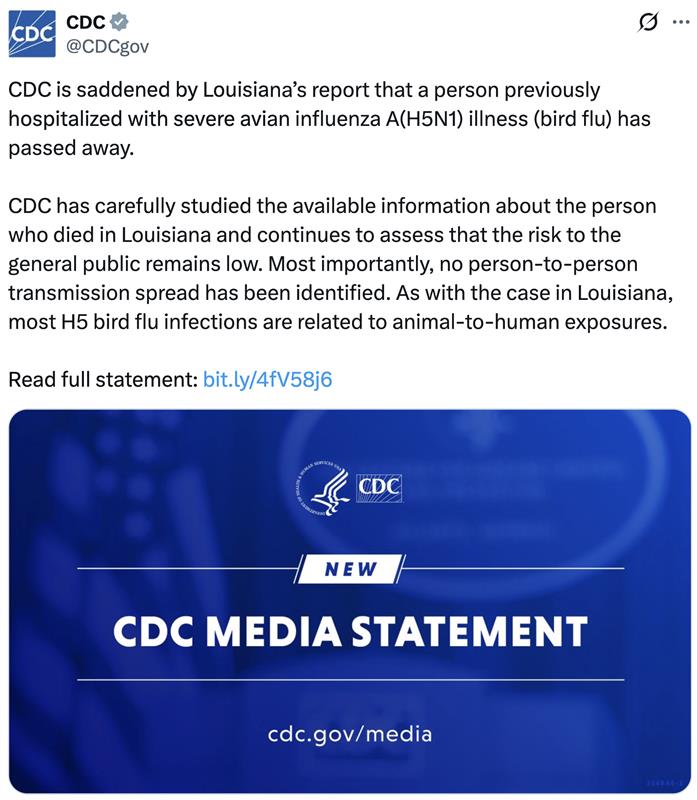
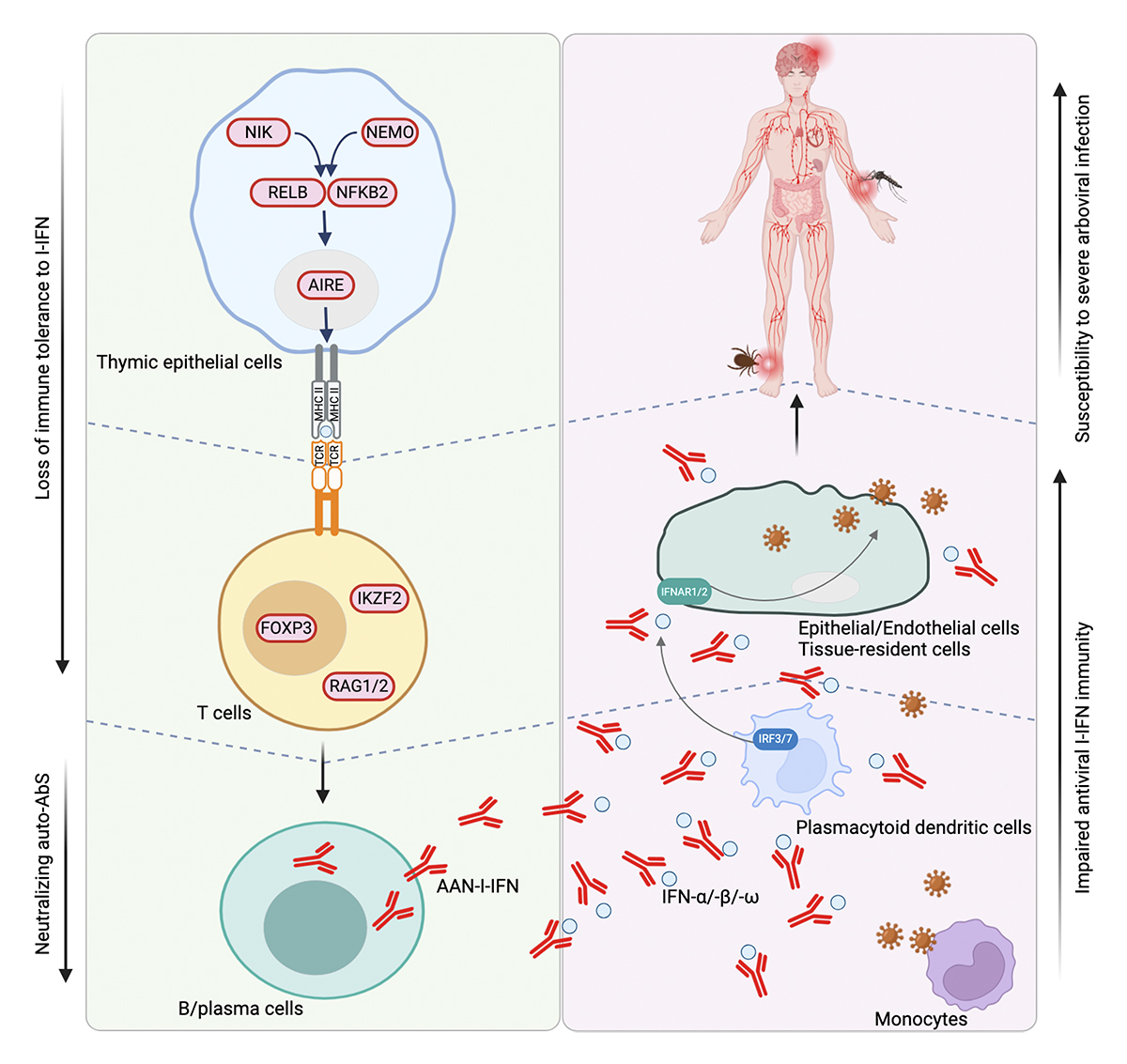
1/ A year ago, a 71-year-old Louisiana man died from H5N1, marking the first avian flu death in the US. Now we report in @JExpMed that the cause of his death is rogue autoantibodies neutralizing type I IFN (AutoAb-IFN). https://t.co/L3COz2taJR
Check out our new review, "The lingering shadow of epidemics: post-acute sequelae across history" by Drs. Christine Miller and @jannamoen. We highlight historical accounts of post-acute infection syndromes (PAIS) through the centuries 👇🏼 #LongCOVID
https://t.co/gCS7nmVKUW
Magic & mystique - players behind Firefly, a #glow-in-the-dark #petunia, share backstory behind this illuminating discovery & how they expect to attract entirely new consumers. in the dark Firefly exudes a #luminescence from roots to flowers. https://t.co/ItsI0I8fwD
The closer we look, the more harmful long -term infections with pathogenic viruses turn out to be. This, together with the proven connection between EBV and MS, should prompt a Project Warp Speed for an EBV vaccine.
Today! ⏰TWiEVO #119 〰️ Nels & Vincent livestream an episode of This Week in Evolution on Wednesday 15 Oct. 2025 at 1pm Eastern. Paper for today’s discussion is “Sexual selection drives sex difference in adult life expectancy across mammals and birds.” 📺https://t.co/ZEMBmIdIIJ
“California will start selling low-cost insulin in January, becoming the first state in the nation to bypass Big Pharma with its own supply of the expensive diabetes drug and marking a notable win in Gov. Gavin Newsom’s push to rein in health care costs with state-branded drugs.”
Federal Contract for up to $40 Million Fuels Research to Revolutionize Clean Indoor Air and Defend Against Next Pandemic @UCDavisCOE@VTEngineering https://t.co/Zc9gYupM7N
A Novel Gene Therapy for Osteoarthritis Pain | "This could revolutionize the treatment of #osteoarthritis," said Christopher Evans, Ph.D. https://t.co/7uHpjByMKv