

Top Tweets for #PlantPathogenic

I had the pleasure to chair the #kickoff meeting of #CLARITY new project funded by @EFSA_EU about #Colletotrichum #plantpathogenic species, coordinated by the #plantpathology group of @unito @DISAFA_INT and with expert partners from @Unibo @PlantPathology_ and @isagronomia


The #psyllid #Trioza #urticae is tied to a specific group of #hostplants. They are sometimes perceived by other #insects in shades of #gray and can harbor #plantpathogenic #bacteria. Enemies are predatory insects, like lady beetles.
Depending on the predator taxon, the prey is #perceived differently in terms of its #color. The #wavelengths that insects can perceive begin with the UV spectrum and extend below the color red. Therefore, as a small #artistic project, I have presented a specimen in the color that our vertebrate eyes can perceive, a further specimen in which the #reddish parts that are not visible to insects are highlighted, and a third specimen in shades of gray, as it is at least partially seen by various insect predator species.
Trioza urticae (#Sternorrhyncha, #Hemiptera) is #hostspecific for stinging nettles (#Urticaceae). The adults overwinter (at least in Central Europe). The nymphs that hatched after mating in the following year induce #galls to their host plant, in which they develop and which cause the leaves to curl and bend, thereby interfering with the growth of the nettle shoots.
#Jumpingplantlice can harbor and spread plant pathogenic #microorganisms. Psyllid species spread the bacterium #Candidatus #Liberibacter #solanacearum as an important plant pathogen native to North America that there infects apiaceous and solanaceous #crops. However, the bacterium could already be found in Finland in the form of the so-called #haplotype U on Trioza urticae and U. dioica. The authors M. J. Sjölund et al. (2018) provided the first evidence for the bacterium CLso in Trioza urticae in #Germany. It was found with an unknown haplotype on a T. urticae specimen from a population near the city Quedlinburg (Saxony-Anhalt, Germany).
Now I would like to return to the #colorimpression that predators and other insects in general get from T. urticae. This is difficult to define in detail and across insects, as the preferred #colorspectrum can vary from species to species, depending on the ecology, morphology and physiology. The authors Bo-Mi Song & Chi-Hon Lee (2018) dealt with the general “Mechanistic Understanding of #ColorVision in Insects”. Their studies showed at least one commonality in insects, namely that insects have an #oppositionbased processing for “#truecolorvision”. Thus this affects insects as well as vertebrates. Ecology, physiology and eye morphology initially play no role on that general level.
© StefanFWirth Berlin
Sources :
M. J. Sjölund et al. (2018):
https://t.co/8aREDmEjYx
Bo-Mi Song & Chi-Hon Lee (2018):
https://t.co/9qWYBh2vN6


New paper on HGT in #plantpathogenic #wooddecay #Armillaria, some of the largest organisms on Earth. #Humongousfungus. Congrats @nehasahu486_ @FungiDownUnder, @jgi @fmartin1954 @ishengtsai @BHenrissat, @fungolution and many others. 1/n. @NatureMicrobiol
https://t.co/3cjYgP2V9s

The #PlantPathogenic #bacterium Xanthomonas hortorum infects vegetables, ornamentals and other plants - detailed review in @MPPjournal by Nay C. Dia, @LucasMoriniere and others like @koebnik_ralf, @Osdaghi and @nehapotnis - https://t.co/NExw0UTurl
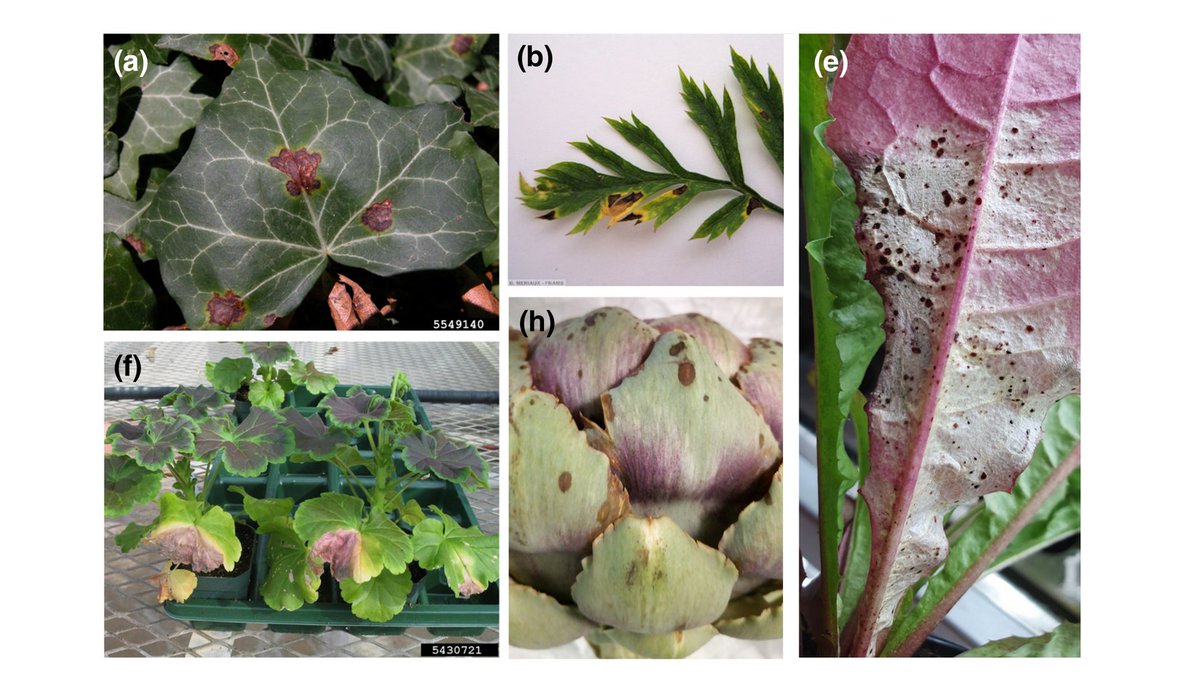
Review of the chemical ecology of phloem-restricted #PlantPathogenic #bacteria (Phytoplasma, Spiroplasma, Liberibacter, Arsenophonus) and their vectors in @EntomologiaG by Jürgen Gross and others at @JKI_Bund Dossenheim - https://t.co/1yLOYiXQSf

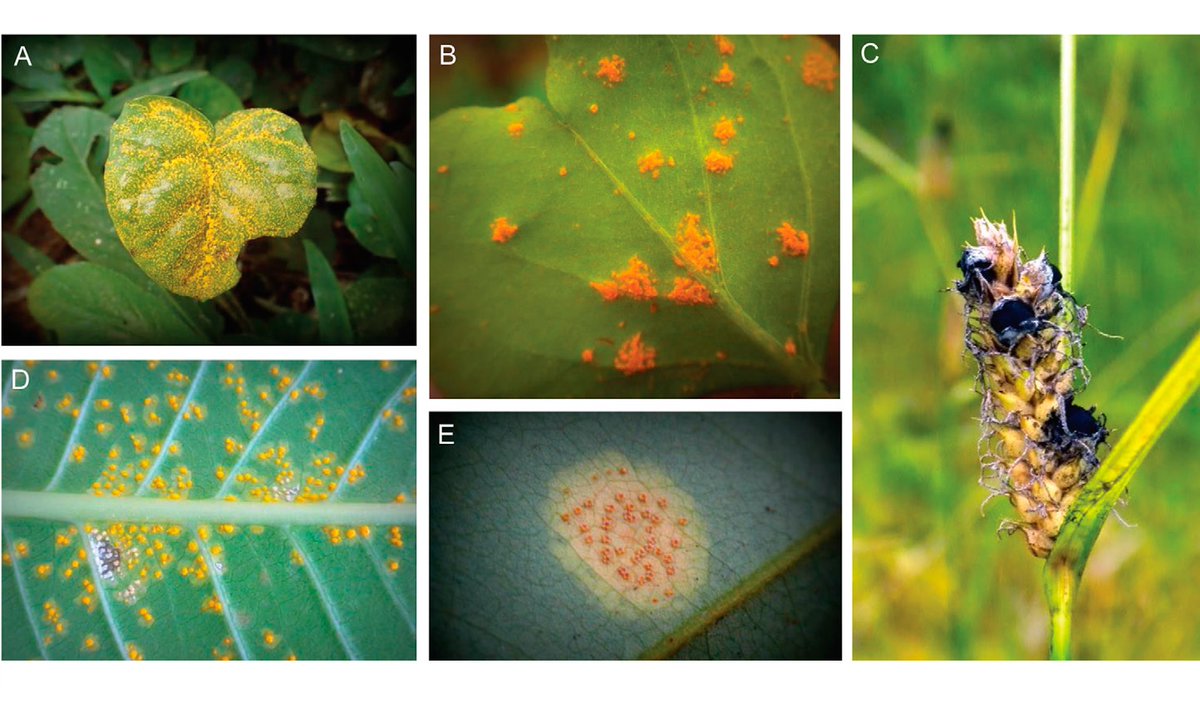
Many #PlantPathogenic fungi have new names due to the "one fungus, one name" rule and taxonomic research - practical guide in @PhytopathologyJ by @FungusCrous and others at @_Westerdijk_ , @osubpp and other institutes - https://t.co/AyPnT6q2uy
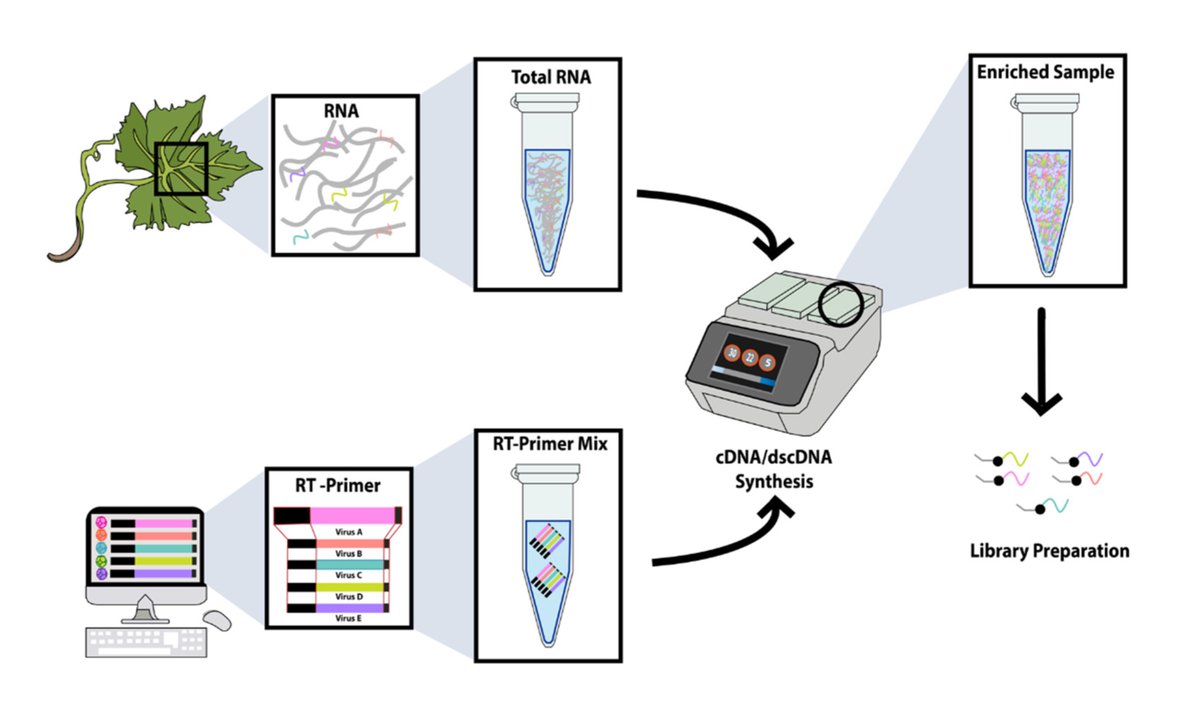
TArget-SPecific Reverse Transcript (TASPERT) pool - a new technique for reliable detection of #PlantPathogenic RNA #viruses using HTS - article in @VirusesMDPI by @andrese52 and others like @ochoa_corona at @okstate_epp - https://t.co/V5Q6hylZVF
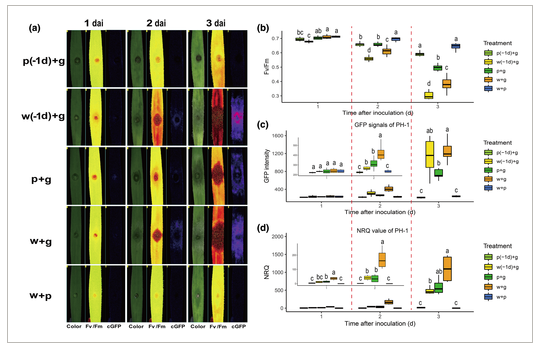
Non-invasive distinction between plants resistant and susceptible to #PlantPathogenic #fungi - article in @BSPPjournals by @AnnaBrugger, @schrame90, @kerstingAIML and others at #INRES @UniBonn, @CS_TUDarmstadt and others - https://t.co/fHSUsc2yfR


Currently at @ColoradoStateU, @j_e_stewart's lab is focusing on #biology, #ecology, & #genetics of emerging #plantpathogenic #fungi important for #Colorado & worldwide #forests. Jane is dear friend, super active in @plantdisease & supporter of #WomenInSTEM #WHM2021 #WHM 2/2

Structural specificity in plant–filamentous pathogen interactions
https://t.co/JqCyTOvpNQ
#plantscience #plantpathogenic ♻️


First report of Pantoea ananatis affecting wheat (Triticum aestivum).
#pathogens, #plantpathogenic #bacteria #Oulema melanopus #wheat #phytopathology #MLSA
@Pathogens_MDPI
https://t.co/ghEEutrO7Q


Coinoculation of #Fusarium graminearum and Fusairum poae inhibited symptom development in #wheat but did not alter mycotoxin accumulation. #fusariumheadblight #fungi #fungal #pathogen #plantpathogenic https://t.co/lK5Fol6lj0
Structural specificity in plant–filamentous pathogen interactions
https://t.co/JqCyTOvpNQ
#plantscience #plantpathogenic ♻️


At the scene of the crime: New insights into the role of weakly pathogenic members of the fusarium head blight disease complex
https://t.co/z6E1odtq5g
#plantscience #plantpathogenic ♻️


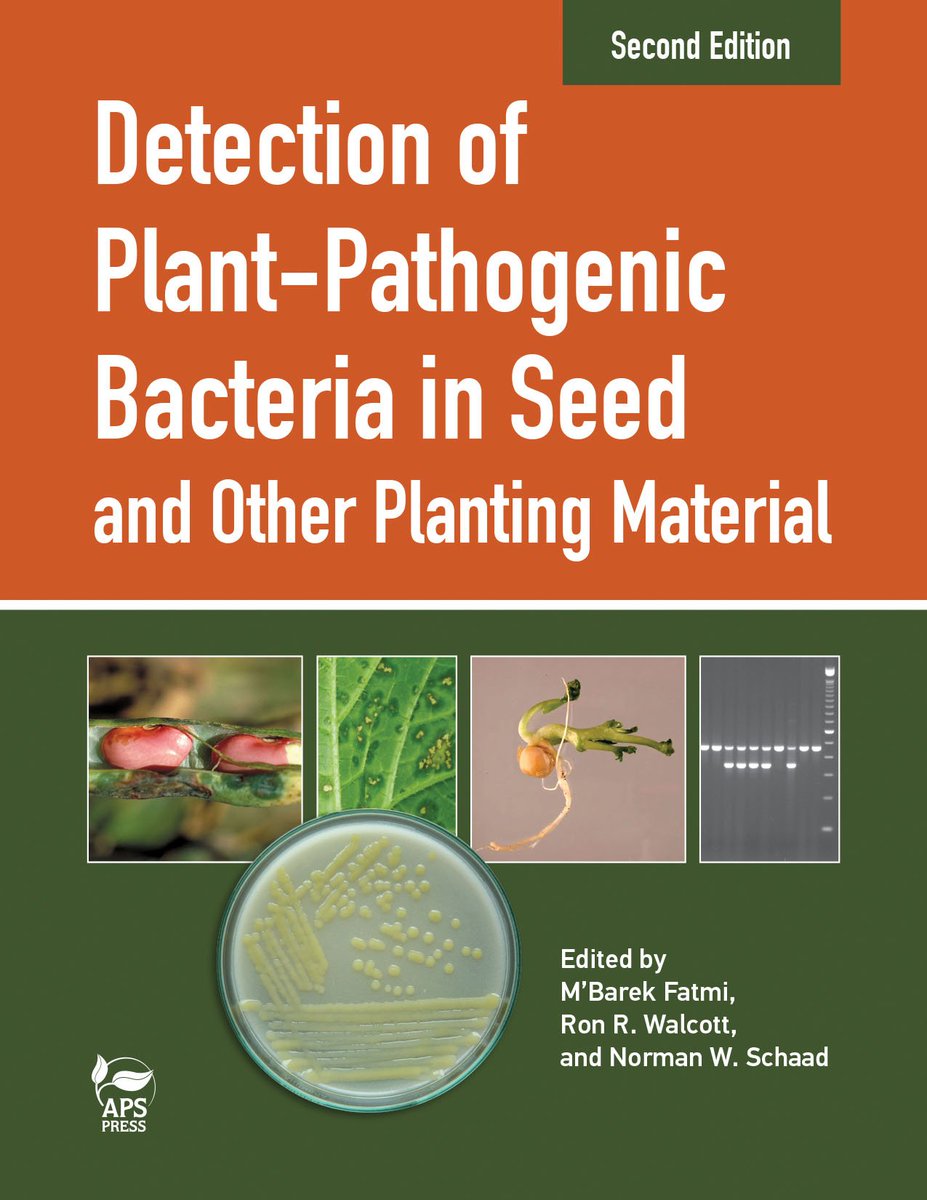
NEW Book Alert! @plantdisease's "Detection of #PlantPathogenic Bacteria in Seed." Shop #APSPRESS. Members save 10%! https://t.co/DqzXUJKsfa

NEW Book Alert! "Detection of #PlantPathogenic #Bacteria in #Seed" Shop #APSPRESS. @plantdisease members save 10%! https://t.co/DqzXUJKsfa

NEW Book Alert! @plantdisease's "Detection of #PlantPathogenic Bacteria in Seed." Shop #APSPRESS. Members save 10%! https://t.co/DqzXUJKsfa

@plantdisease's "Detection of #PlantPathogenic Bacteria in Seed." Shop #APSPRESS. Members save 10%! https://t.co/DqzXUJsQQA

NEW Book Alert! @plantdisease's "Detection of #PlantPathogenic Bacteria in Seed." Shop #APSPRESS. Members save 10%! https://t.co/DqzXUJKsfa
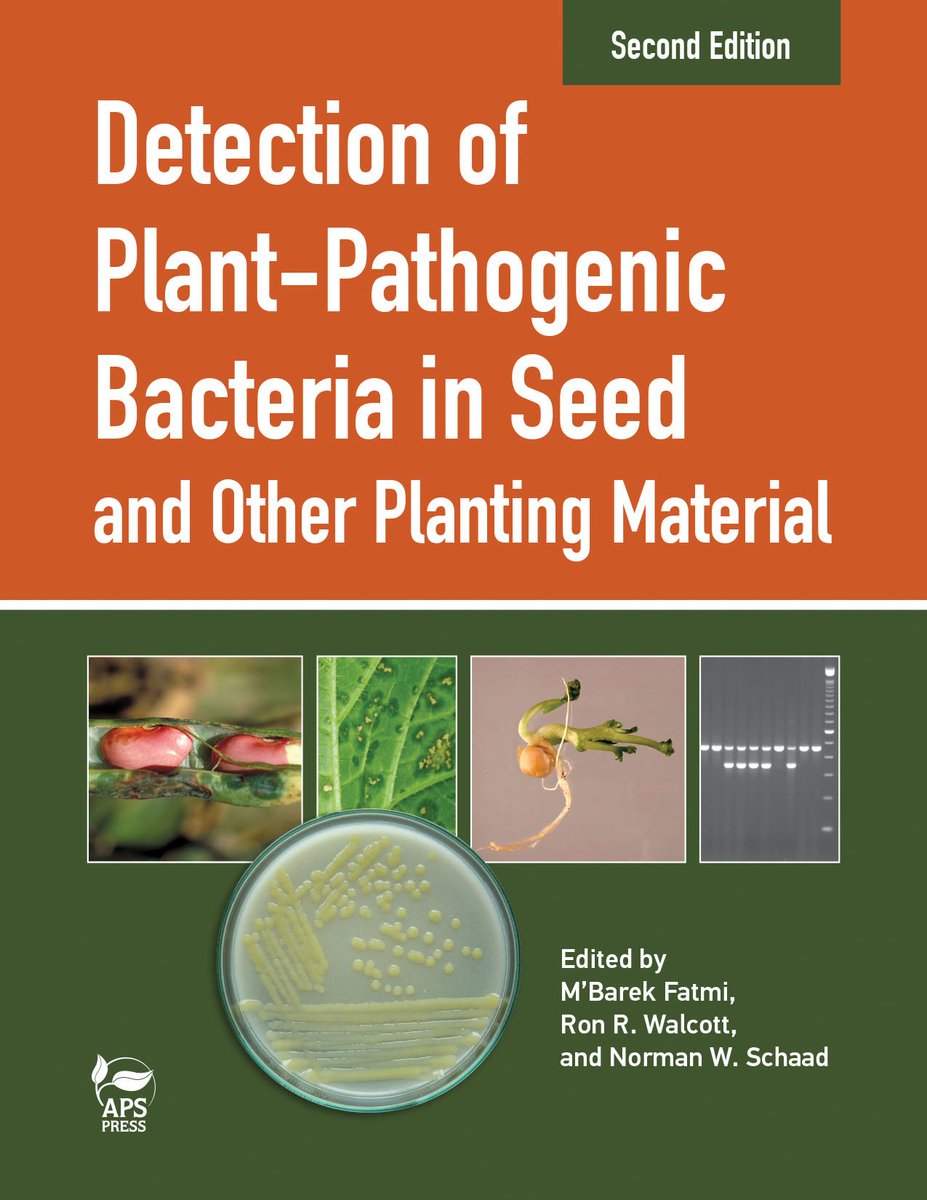
NEW Book Alert! @plantdisease's "Detection of #PlantPathogenic Bacteria in Seed." Shop #APSPRESS. Members save 10%! https://t.co/DqzXUJKsfa
Last Seen Hashtags on Sotwe
Most Popular Users

Elon Musk 
@elonmusk
241.7M followers

Barack Obama
@barackobama
119M followers

Cristiano Ronaldo
@cristiano
114.4M followers

Donald J. Trump
@realdonaldtrump
111.9M followers

Narendra Modi
@narendramodi
107.2M followers

Rihanna
@rihanna
98.7M followers

NASA
@nasa
92.4M followers

Justin Bieber
@justinbieber
91.8M followers

KATY PERRY
@katyperry
90M followers

Taylor Swift
@taylorswift13
83.9M followers

Lady Gaga
@ladygaga
75.4M followers

Virat Kohli
@imvkohli
73.3M followers

Kim Kardashian
@kimkardashian
70.9M followers

YouTube
@youtube
68.8M followers

Neymar Jr
@neymarjr
66.3M followers

Bill Gates
@billgates
65.1M followers

Selena Gomez
@selenagomez
63M followers

The Ellen Show
@theellenshow
62.3M followers

CNN
@cnn
61.8M followers

X
@x
60.7M followers