New paper on neighbourhood batteries out from us! It's an more scholarly analysis of previous work. Inspired by @jenk2021 and @cmilchram et al we use value sensitive design, responsible research,energy justice to explore neighbourhood batteries https://t.co/XYhT6coyug
@isoutar @hkpoulter@darkdirk is really the practitioner expert in this space. Essentially things began poorly when the state opted for industry self-regulation....
@Vervoort_Joost@JumpOvertheAge@CreaturesEu Lovely piece for a non-gamer. But funnily brings two separate projects that I worked on. 1) emotions in social movements https://t.co/MagHLUazDT and care in energy https://t.co/1flKzzGKGV have shared this article with colleagues :-)
Congrats to the authors for this important work.... here's yet another important opportunity to address the many shortfalls in material reconcilitation....
#COVID19 threw a spotlight on disparities facing First Nations communities in energy transition
Our Perspective today in #ERSS shows energy insecurity for prepay customers remained unrelentingly high or deteriorated during first years of COVID-19
https://t.co/AlQqWawg49
@isoutar Energy social scientists really need to wisen up around the complexity and problematics of local energy systems rolled out under market-based institutional structures!
@isoutar If you check out our work on consumer protections, you'll see there is cause for a lot of concern. In Australia, this poorly regulated industry has cause countless pain and cost for every day people, with often zero recourse for protection. https://t.co/arjQjckyjL
@sidsareen I feel a lot of despair about this at the moment Sid. My only hope lies in the complete disinterest people have to participate in VPPs and other types of flexibility services...I'm so curious to see what will happen when the rubber hits the rd
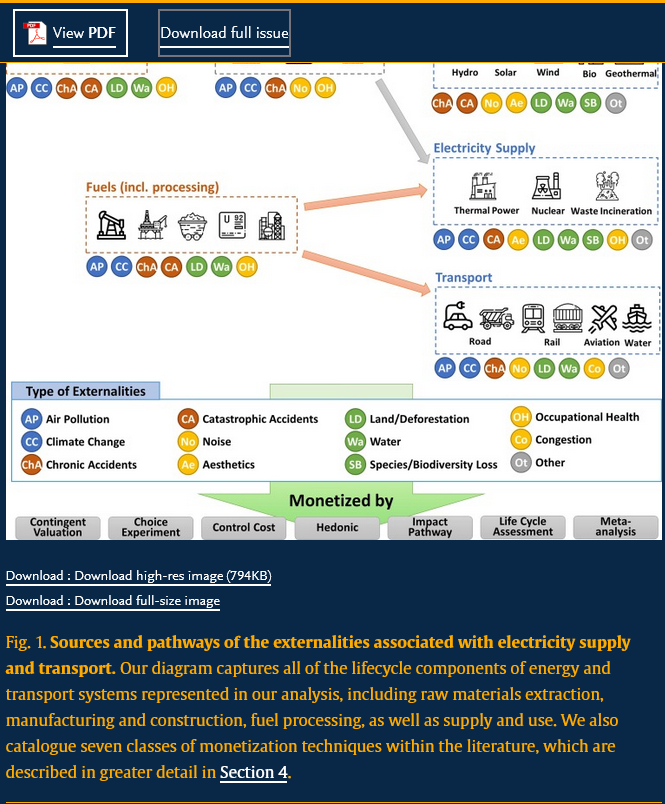
Based on 139 studies, @BenjaminSovaco1 et al. estimate the annual hidden environmental and social cost of electricity at $11.644 trillion.
For mobility, these negative externalities amount to $13.018 trillion.
Combined, this is nearly 30% of global GDP.
https://t.co/ANZ4D4cmEK
"The pattern has the potential to unwind decades of progress toward gender equity".... or maybe the pattern will cause us to ask what kinds of lives we want to lead?!?! (hint, maybe one with less exhaustion in it)
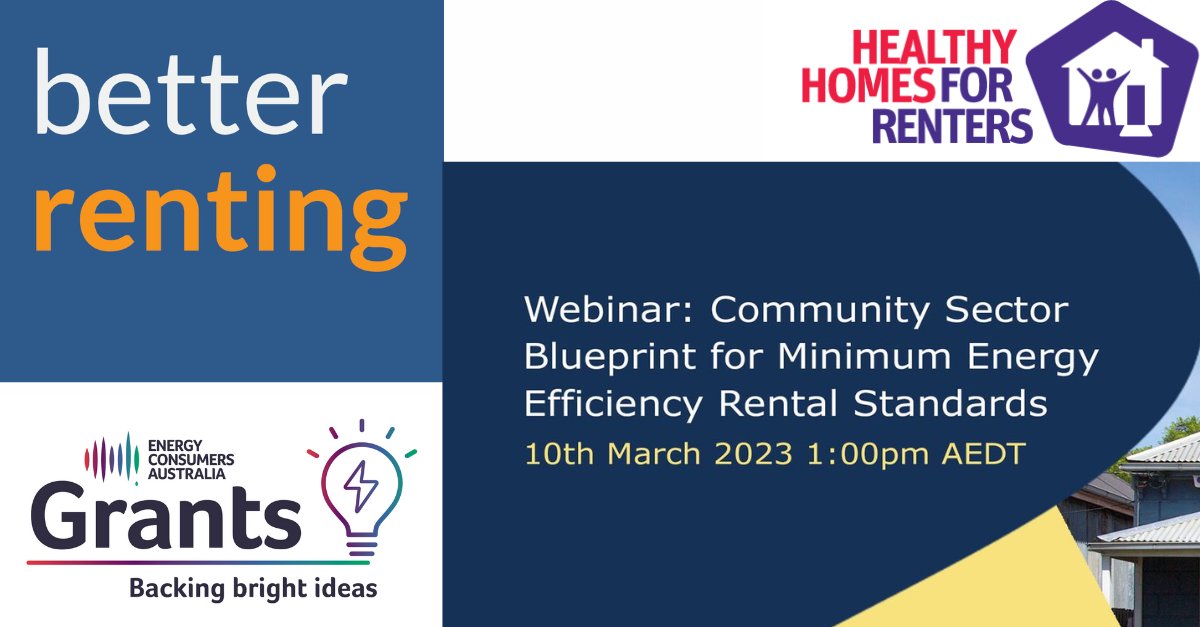
How can we regulate the energy efficiency of rentals?
With funding from our Grants Program, @BetterRentingAU have released their blueprint for a” National Framework for Minimum Energy Efficiency Rental Requirements”.
Folks, maybe pls ask climate billionaires who want to save us how their solutions will fundamentally address complex problems. Reductions in energy based on tech may only displace emissions and/or generate environmental problems elsewhere (e.g. e-waste)
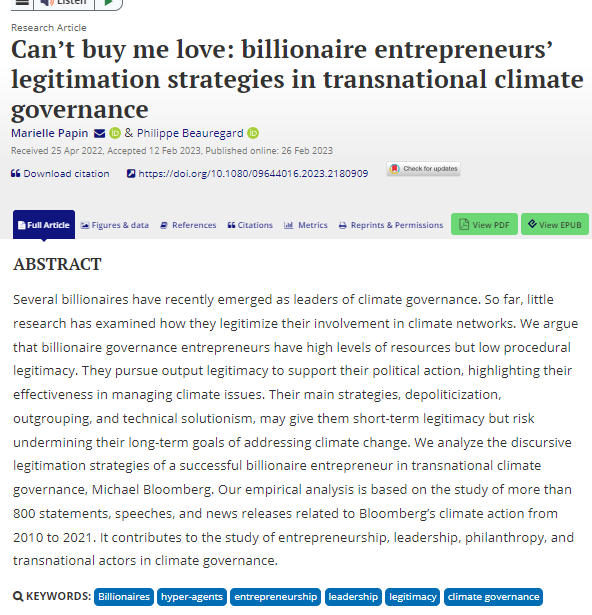
In "Can't Buy me Love" @Marielle_Papin & @PhiBeauregard use case study of Michael Bloomberg to suggest billionaires use depoliticization, outgrouping, and technical solutionism to gain legitimacy, at the expense of long-term goals of effectiveness.
https://t.co/pEWSyMYCcg
What an absolute treat to get to talk about ALL of the great research that came out of our team on parents' experiences during COVID.
The key takeaways:
1. Mothers employment and health suffered
2. Remote school knocked mothers out of employment
3. Telecommuting was key
Symposium CFP - Care Infrastructures in Unequal Worlds, 22-23rd June 2023, WSU. We want to explore the range and state of infrastructures that enable care in cities, suburbs, towns, rural areas, remote communities and across scales. Abstracts due 14 March https://t.co/TwzOFFq0Pd