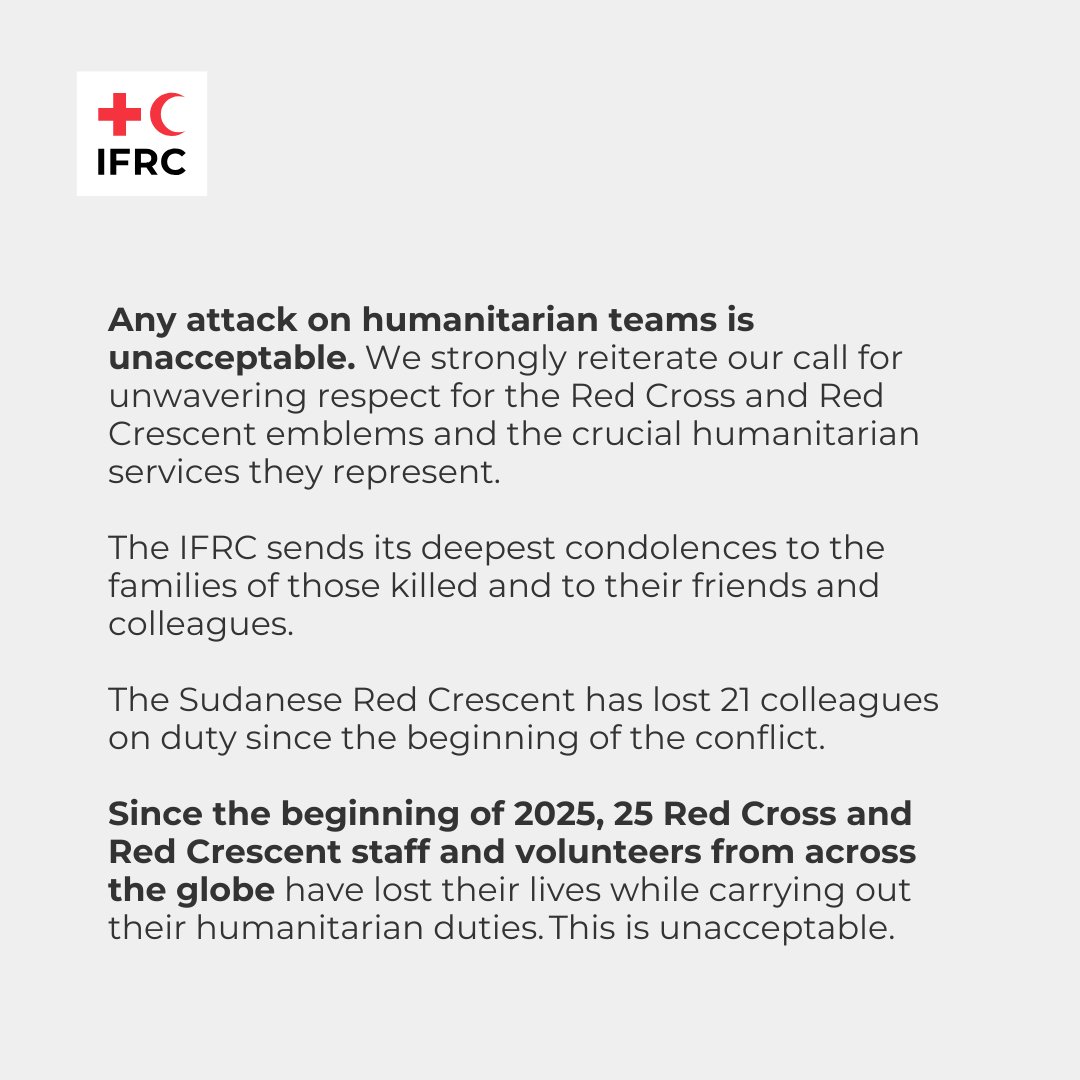
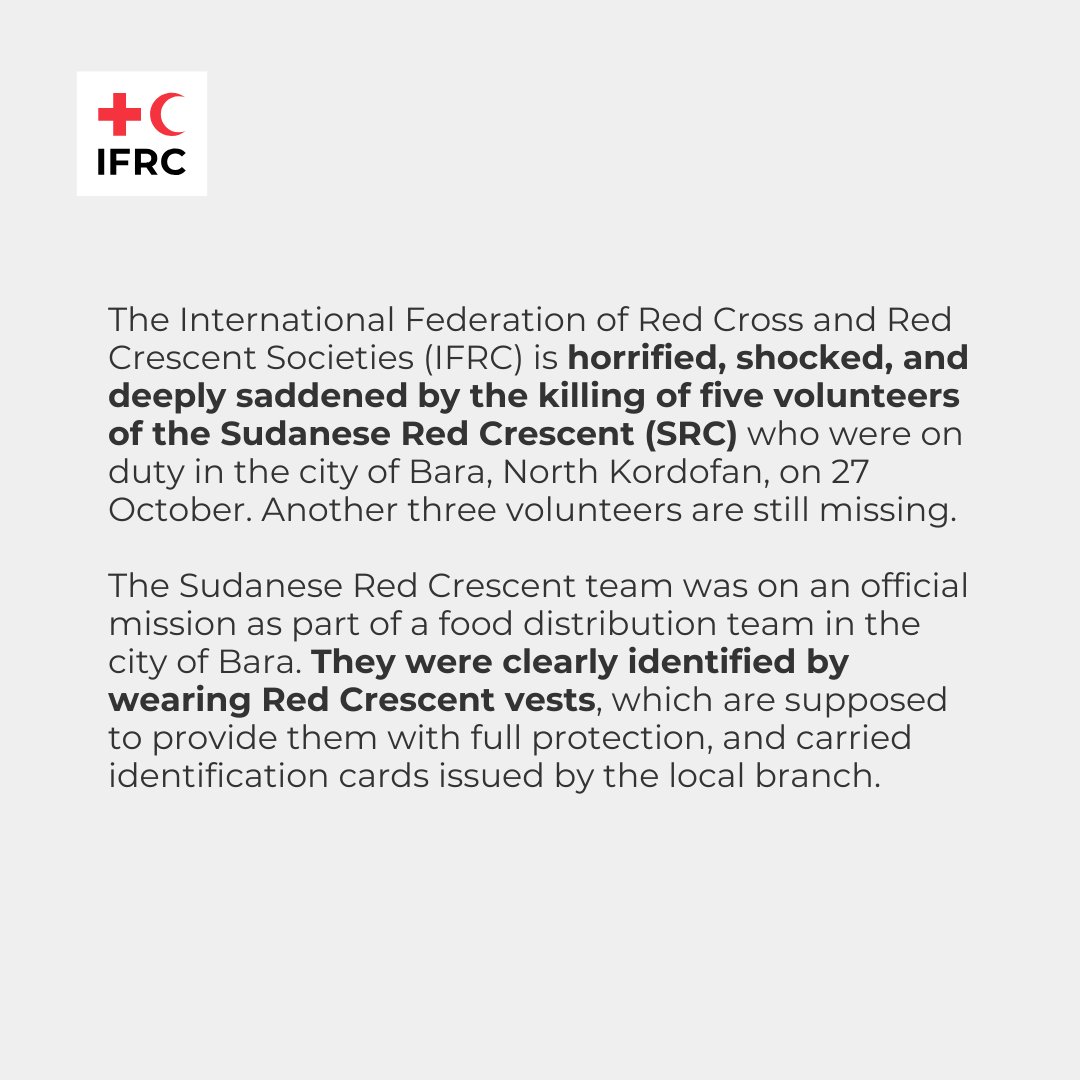
The @IFRC is horrified, shocked, and deeply saddened by the killing of five volunteers of the Sudanese Red Crescent @SRCS_SD who were on duty in the city of Bara, North Kordofan, on 27 October. Another three volunteers are still missing.
We send our deepest condolences to the families of those killed and to their friends and colleagues.
Our statement 👉https://t.co/eRJReSLvYQ
Deeply concerned after Sunday’s incident, when the Ocean Viking humanitarian ship was struck by multiple gunshots.
Thankfully, no individuals were physically harmed. However, this serious event has jeopardized the safety and well-being of both our humanitarian personnel and the rescued individuals on board.
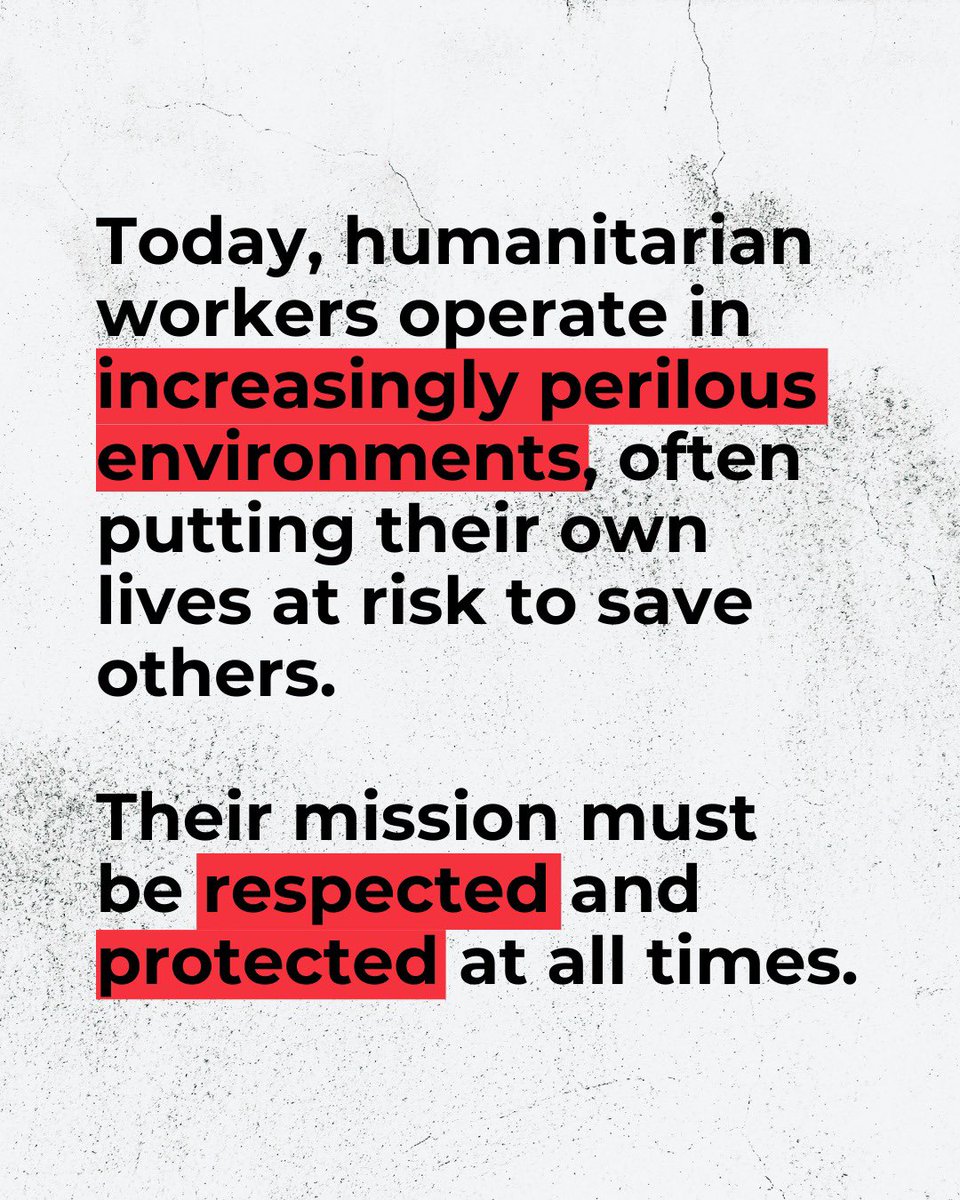
Today, humanitarian workers operate in increasingly perilous environments, often putting their own lives at risk to save others. Their mission must be respected and protected at all times.
The Ocean Viking has long been a beacon of hope in a vast, unforgiving sea. Humanitarian operations must always be protected.
Europe is facing widespread heatwaves and wildfires🔥. Heat risks are preventable with early action.
The @IFRC Network is mobilizing. Teams are providing safety tips, checking on the most vulnerable and supporting efforts to battle wildfires. #BeatTheHeat
I want to express my gratitude to both the Iranian Red Crescent @Iran_RCS and Magen David Adom @Mdais for their tireless humanitarian work in the midst of highly concerning hostilities in the Middle East and under extremely difficult and worsening circumstances.
I call on all parties involved to exercise the utmost restraint. The safety and protection of civilians must be ensured.
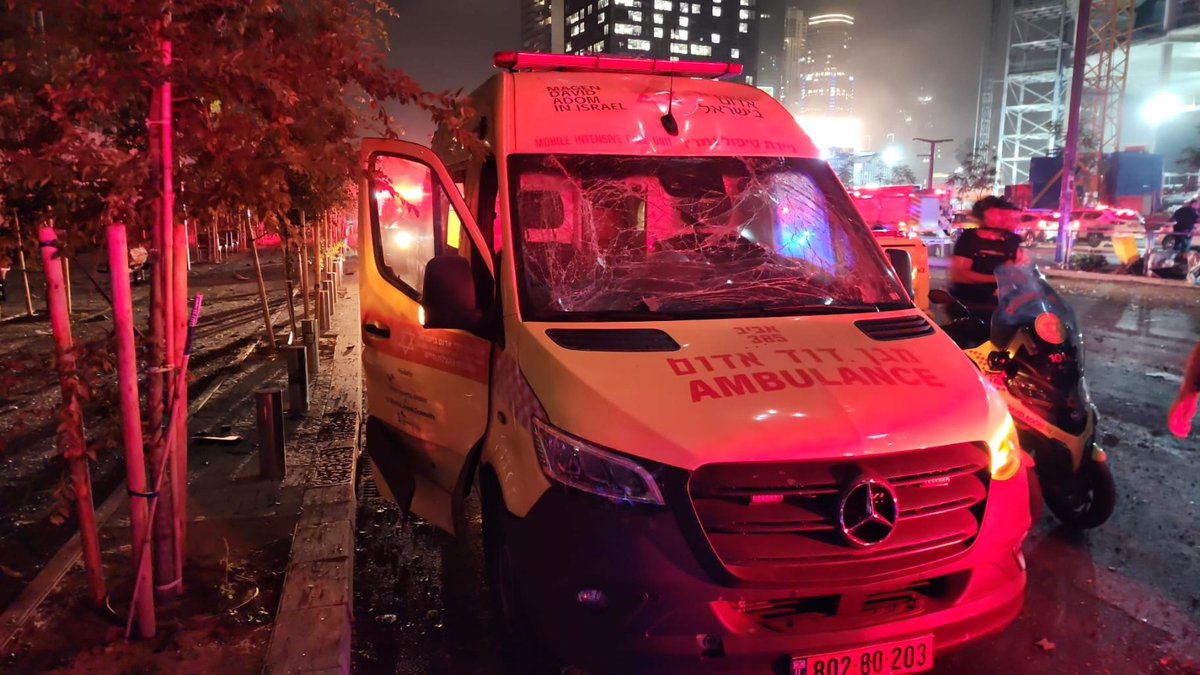
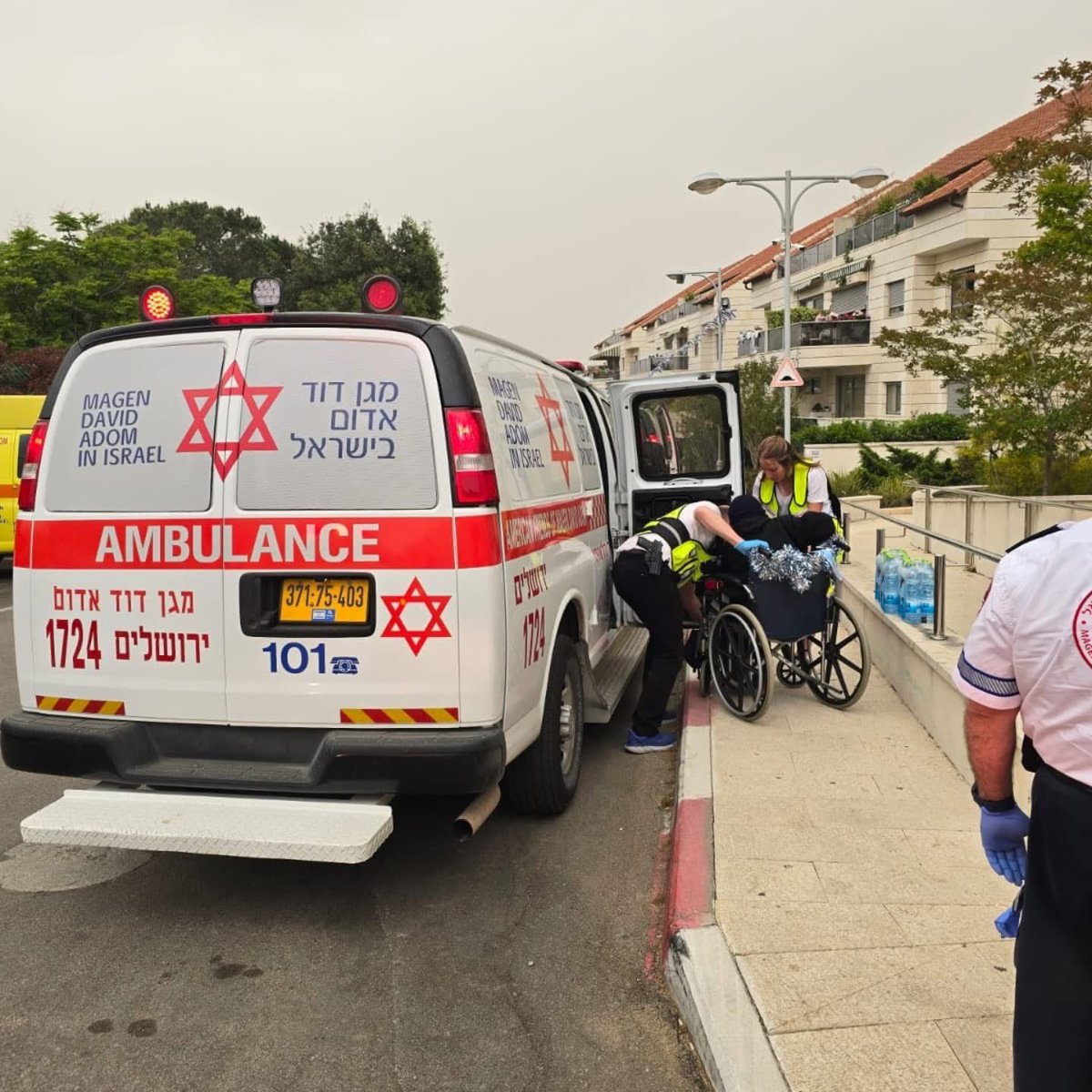
Over the night, @mdais teams across #Israel treated and transported dozens of people impacted by missile attacks.
Two paramedics suffered light injuries from shrapnel while treating patients on the scene.
Extreme heat is a growing concern for Europe and Central Asia. Before it hits this year, we must:
Adapt.
Anticipate.
Absorb.
Thank you for this formula to the participants of today's heat action webinar where we've shared insights on how to make our communities more resilient.
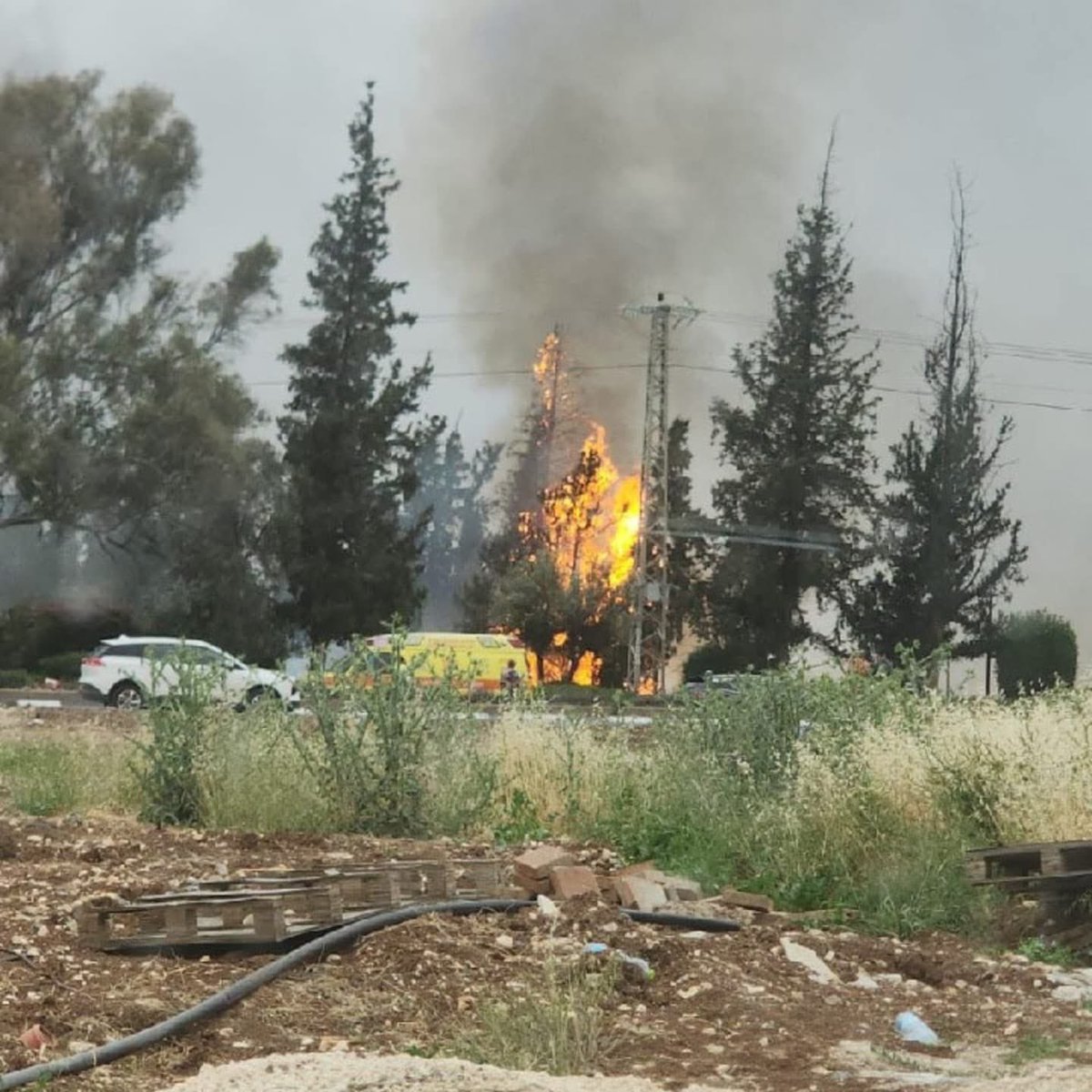
🔥 As Israel battles the worst fires in decades, the Magen David Adom teams have stepped up to support people in need through:
🔺 evacuations
🔺 emergency medical care
🔺 blood supply
A wide volunteer network has mobilized to assist in rescue operations and support communities.
Strong and clear language from our Secretary General @jagan_chapagain.
I am outraged. But I’m also tired of being outraged. Humanitarian aid workers must be protected. For the sake, quite simply, of humanity.
https://t.co/W3wweht3RM
The @IFRC condemns the killing of eight @PalestineRCS medics in Gaza.
We are heartbroken. These dedicated humanitarians, killed while responding to the wounded, should have been protected.
We mourn their loss and stand with the Palestine Red Crescent.
Full statement: https://t.co/68JaS6s5Rz
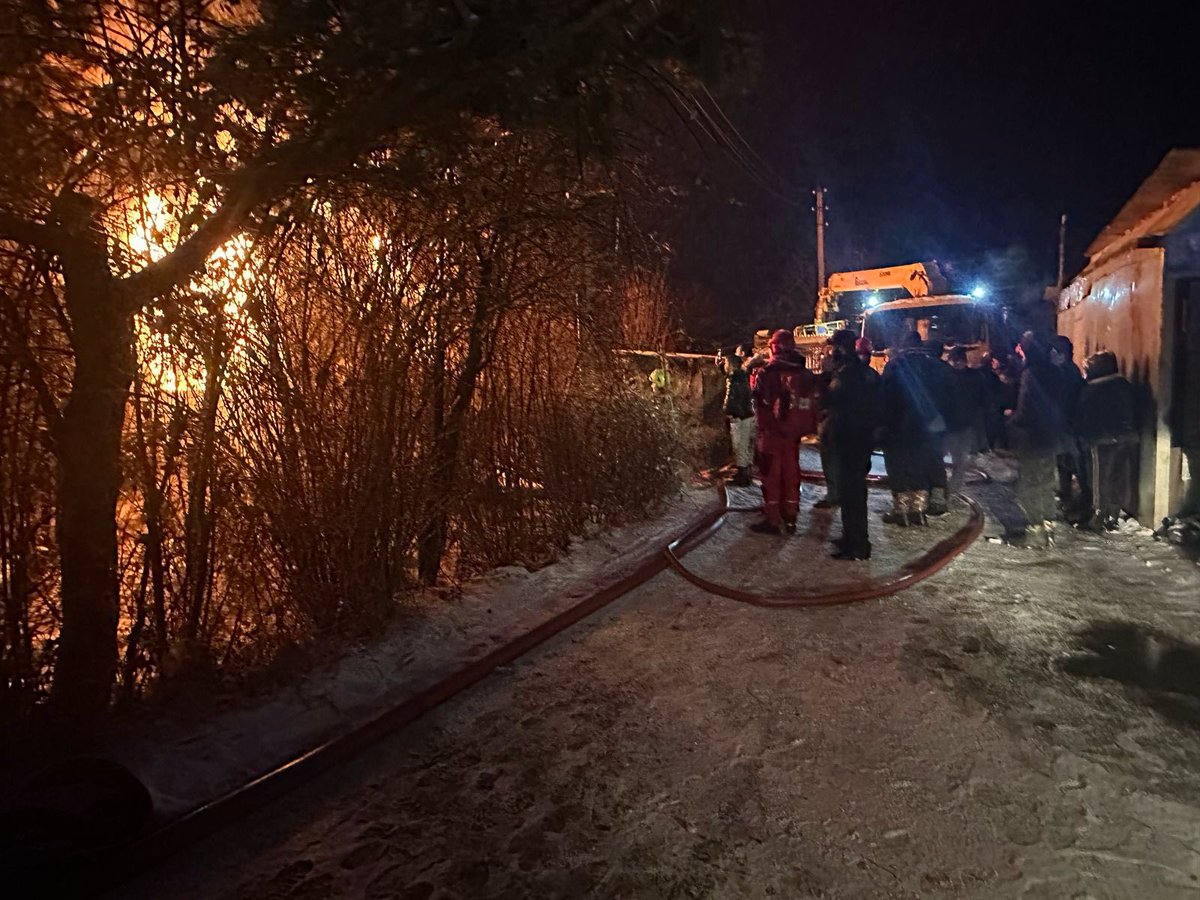
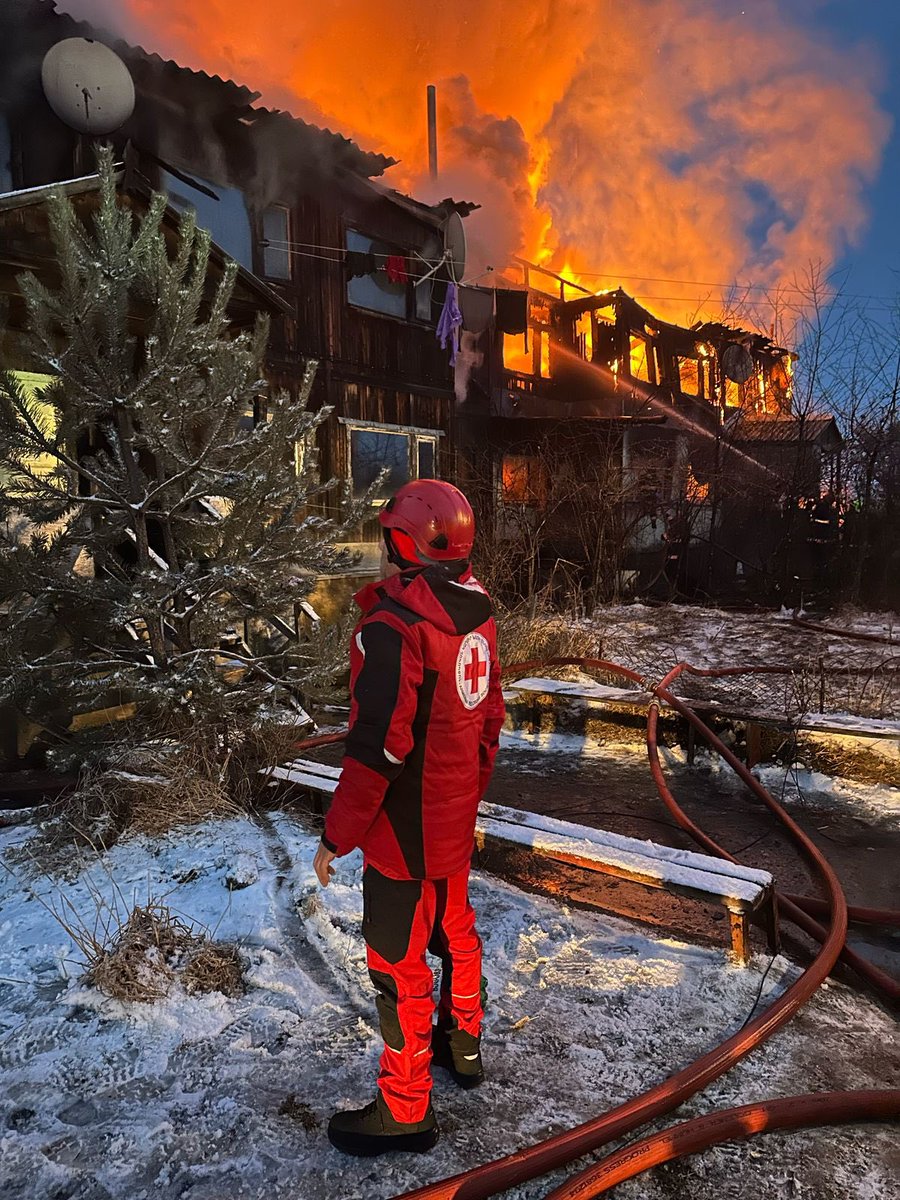
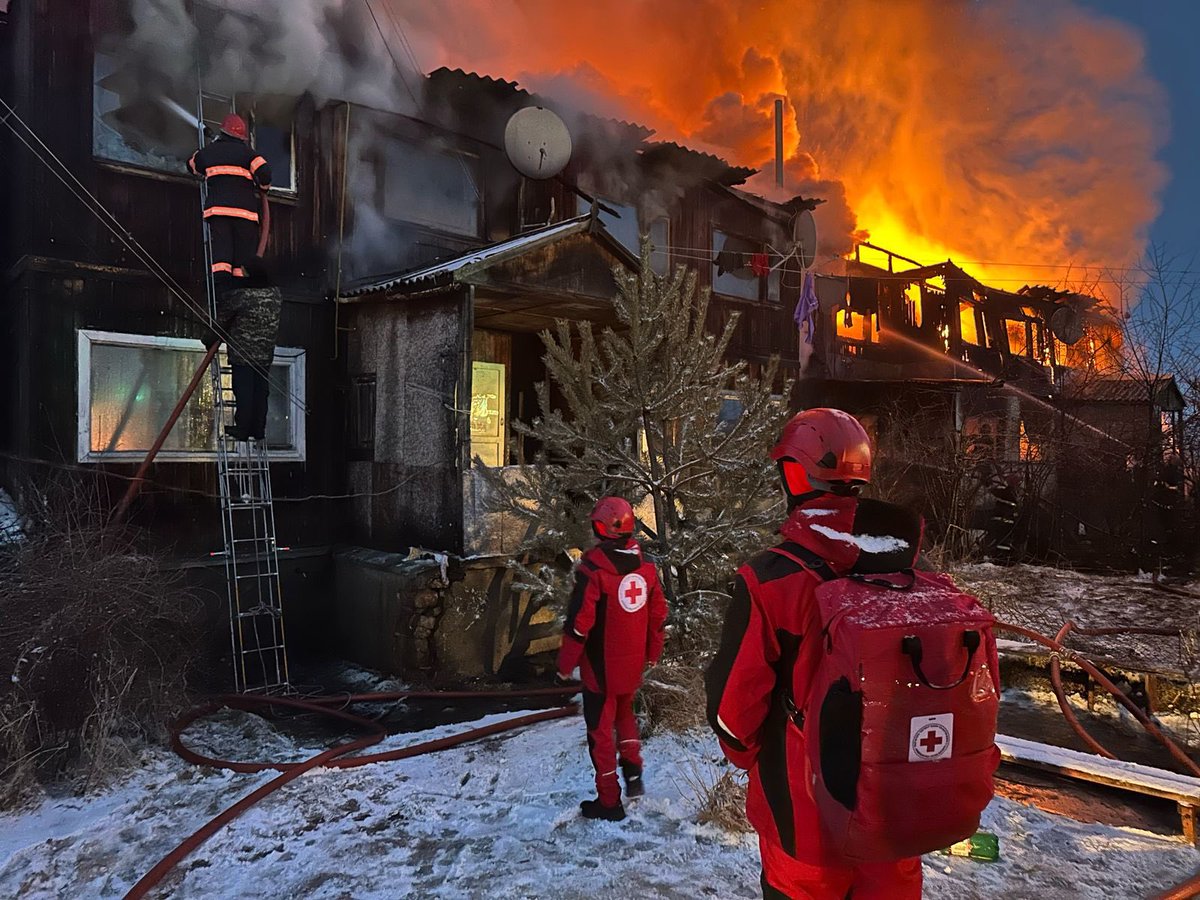
🚨 Emergency Response in Stepanavan
Early this morning, the Armenian Red Cross received an urgent ☎️ about a fire in Stepanavan city. As a result, 16 families (42 people) have lost everything. Local authorities and volunteers have evacuated some families to a hotel..
My heart is broken for Türkiye, as a devastating fire has taken lives and left many injured.
Thinking of the Turkish @RedCrescent teams on the ground, providing crucial support to those in need.
@ifrc stands in solidarity with all those affected.
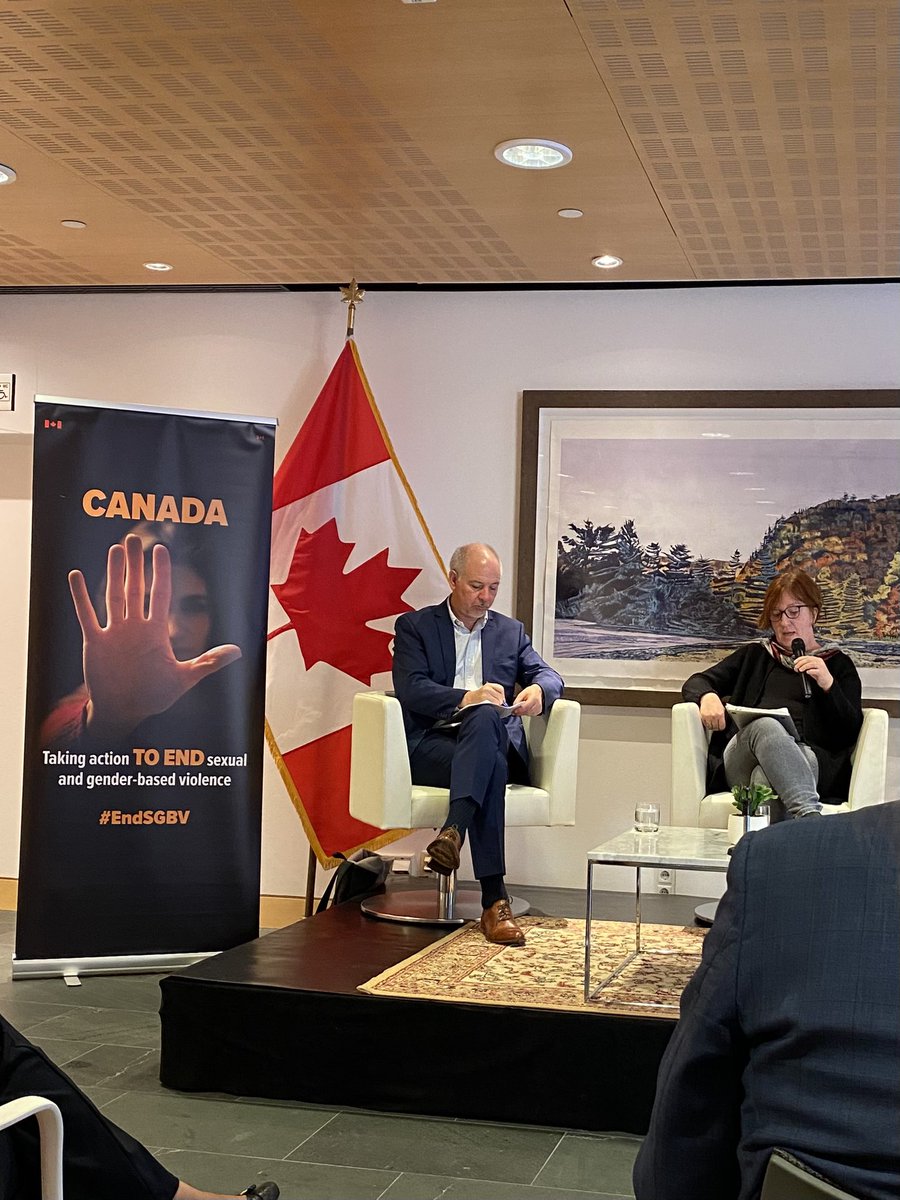
Important discussions today on solutions to end sexual and gender based violence, hosted by @canadahungary
Support, leadership from @redcrosscanada@GAC_Corporate has helped @ifrceurope accelerate Protection, Gender and Inclusion, including SGBV, in the region.
#endsgbv
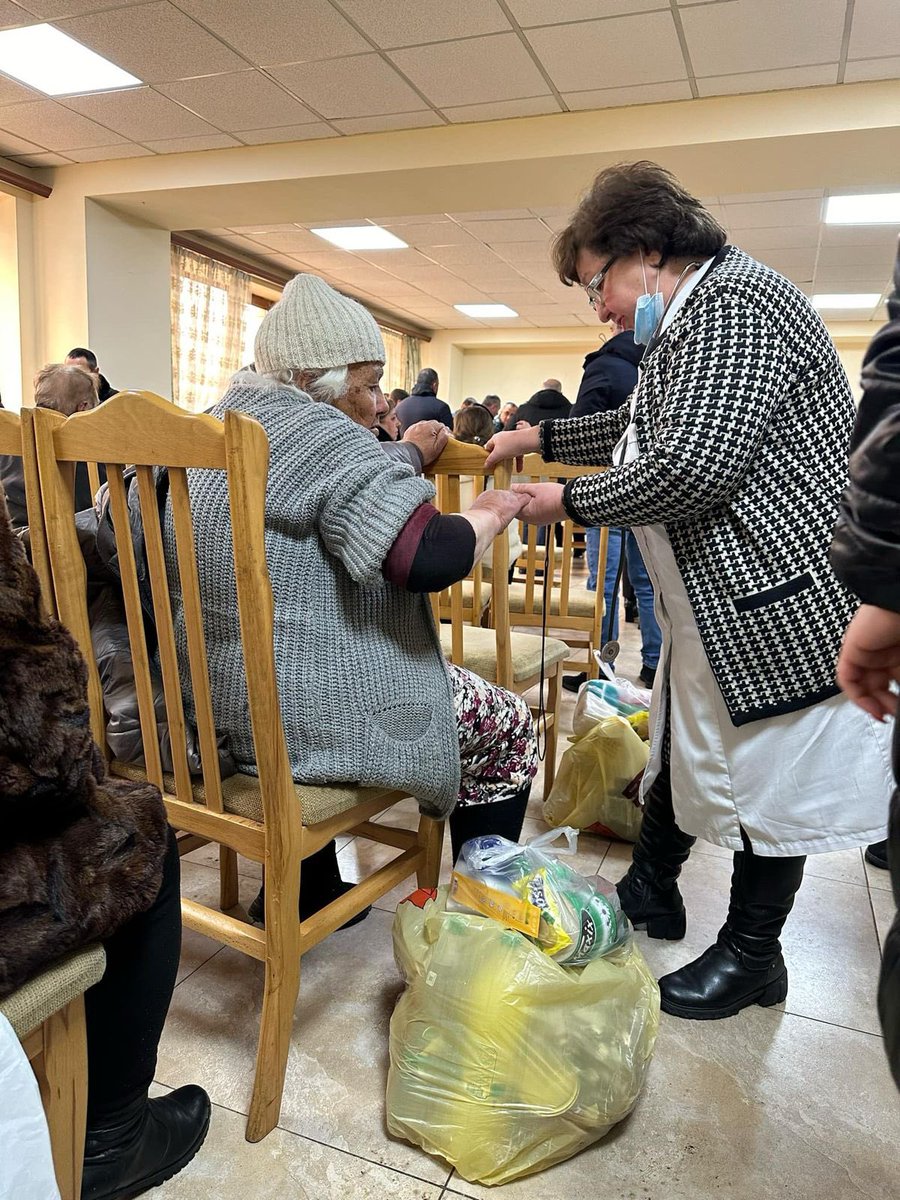
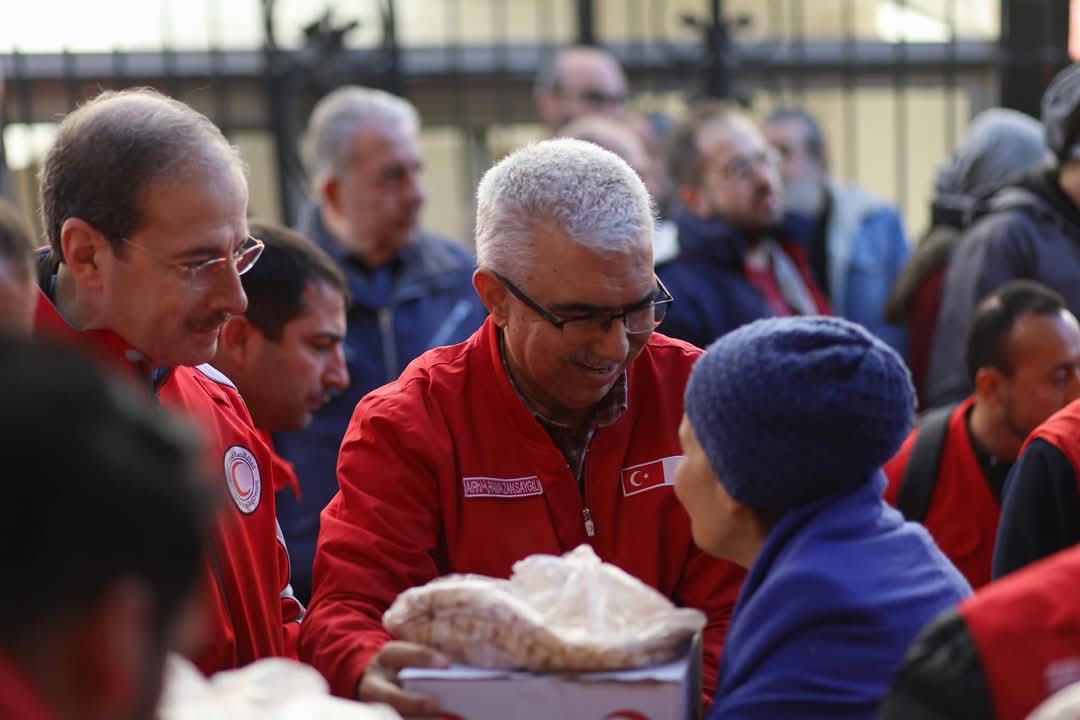
In Aleppo, a joint effort by @SYRedCrescent and @Kizilay brought vital aid and hope to families in need. This collaboration demonstrates the @ifrc network strength and commitment to addressing humanitarian needs #EveryWhere for #EveryOne.
Amazing stories of early warning/early action by @maldivianrc, presented by Ahmad Shabin, MRCS vice president - and meteorologist. Maldives is a very specific context, but plenty to learn on how to make sense of multi-stakeholder systems. #EarlyWarningsForAll
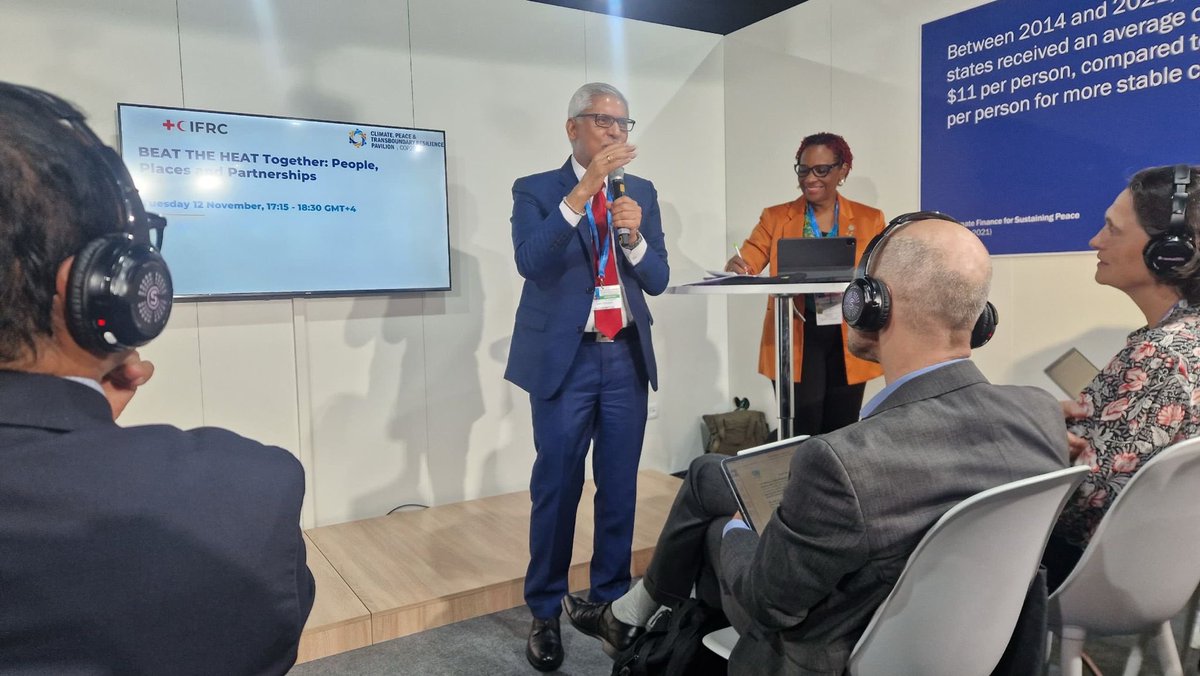
IFRC SG @jagan_chapagain opening the Beat the Heat session at #COP29Baku. Heatwaves are incredible silent killers: 500,000 people die every year from heat related causes, globally. But as grim as the number is, it’d be much higher without adaptation.
Thrilled to be moderating this panel tomorrow. If you are at the EFDRR, join us, we have a great panel! Advancing anticipatory action is a huge opportunity and all stakeholders have a role. #ResilienceForAll#EFDRR@UNDRR_ECA
#Earlywarning systems enable populations to prepare for hazards and extreme climate events instead of relying on reactive disaster response.
Join us at #EFDRR for the EW4ALL Multi-Stakeholder Forum: Role of Actors in Early Warning Systems.
#ResilienceForAll@UNDRR_ECA
The IFRC has reached a major milestone in disaster risk financing. For the first time, an insurance payout has been triggered by @IFRC_DREF, as demands for disaster relief surpassed its ‘deductible’ threshold.
The IFRC-DREF is a vital fund that provides immediate funding for our member Red Cross and Red Crescent Societies when disasters strike, especially for forgotten emergencies that do not attract global attention.
The IFRC has plans to grow its IFRC-DREF insurance, to widen coverage beyond disasters caused by natural hazards. The @IFRC_DREF offers an attractive proposition to the donors to multiply their contributions in particularly calamitous years. https://t.co/E8d1RYyWcr
Spoke at the UN press briefing the other day. The flood situation is evolving across the region - the worst seems to soon be over, but recovery will go on for a long time.
“With Europe warming faster than the rest of the world, floods like these may soon become frequent, not historic. We must prepare to adapt to this new reality.”
Listen as Andreas, @ifrc Head of Health and Crises, updates on the Red Cross response to the floods in Central Europe.
“With Europe warming faster than the rest of the world, floods like these may soon become frequent, not historic. We must prepare to adapt to this new reality.”
Listen as Andreas, @ifrc Head of Health and Crises, updates on the Red Cross response to the floods in Central Europe.