Nature paper...
CANCER is evil...it prepares distant organs for metastasis BEFORE tumor cells arrive
Suppressive myeloid cells helped build lung premetastatic niches.
Epigenetic therapy disrupted this process and reduced metastases
https://t.co/C7Sj7cvZE2
📌Beyond MRD detection🩸: our @NatureCancer uses plasma to explore immune escape and implications for immunotherapy, plus organoids to test targeted therapies🎯.
🎥 From detection to biology and treatment.
🔗https://t.co/iWuJuIQzDp
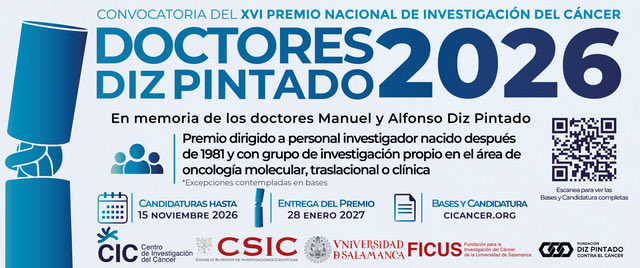
✅ ATENCIÓN: Nueva convocatoria (La 1️⃣6️⃣) del Premio Doctores Diz Pintado del @ciccancer dirigido a personal investigador joven español y con grupo propio que trabaje en el ámbito de la oncología. Preséntate ‼️ @ASEICAnews@EACRnews@Ikerbasque@icreacommunity
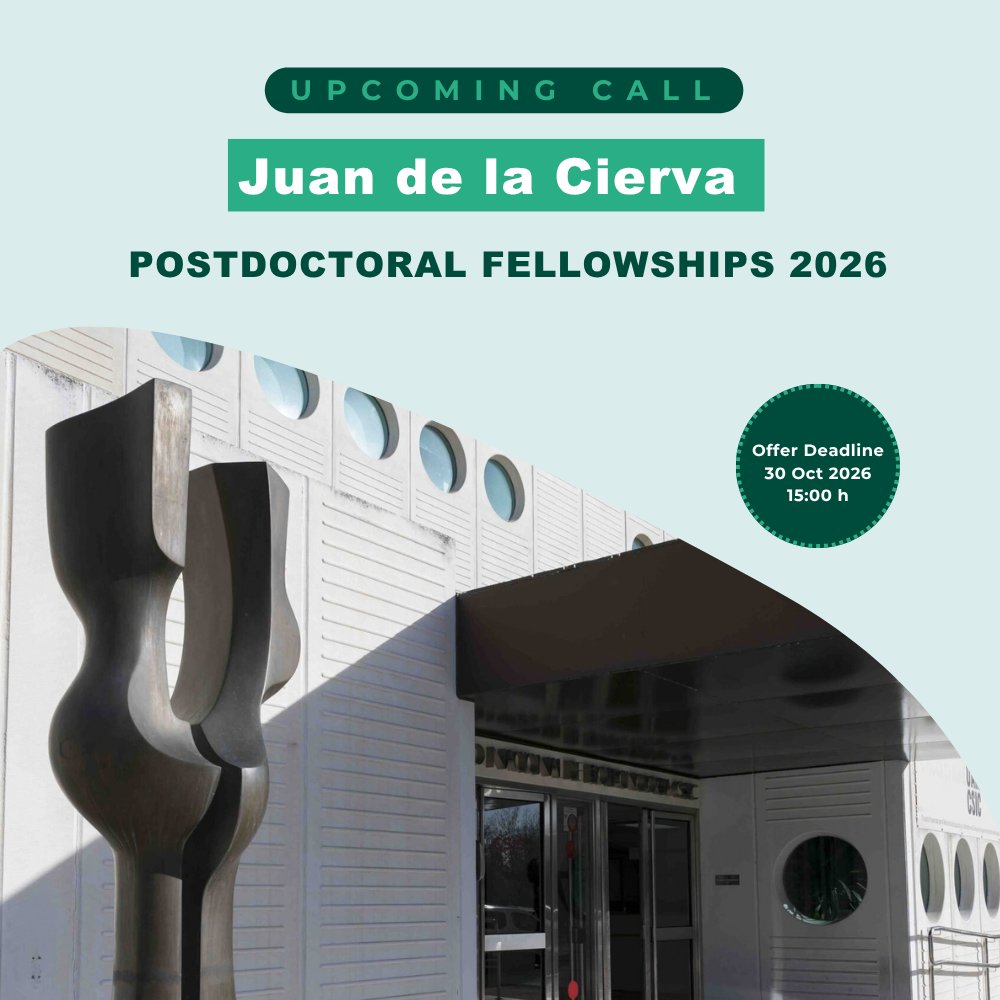
📢 Reminder: Juan de la Cierva Postdoctoral Fellowships 2026
✅ Explore the host laboratories available at CNB-CSIC for the upcoming Juan de la Cierva call and find the perfect environment for your research!
🗓️ Offer deadline: 30 October, 15:00 h
ℹ️ https://t.co/PCbt1fumJF
Interested in cancer metabolism? We have a 4y FPI-funded PhD student position available in my lab to study the metabolic interplay of cancer cells and their microenvironment.
Vivaldi's “Winter,” visualized in a fascinating way, so that the auditory experience is even more intense; one can literally “see” the music, so to speak
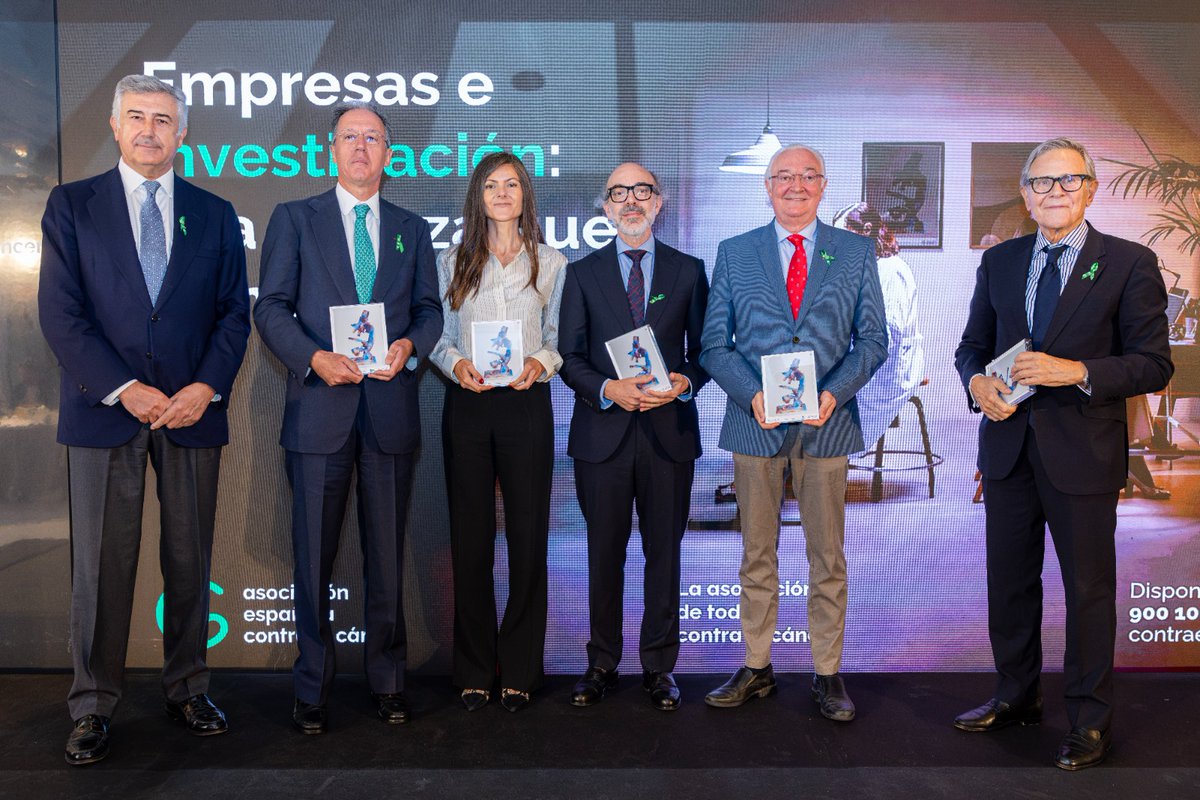
🔬 Ayer reunimos a empresas, investigadores y pacientes para hablar de cómo la colaboración puede impulsar la investigación en cáncer.
Detrás de cada avance científico hay personas y proyectos de vida.
#WorldCancerResearchDay#Investigandoencáncer
Excited to share our new paper, out today in @ScienceMagazine! We developed senescence-modulating nanoparticles (SMNPs) that target P-selectin+ pathogenic senescent-like macrophages in fibrotic tissues and tumors.
https://t.co/S1Sjfci2Yj
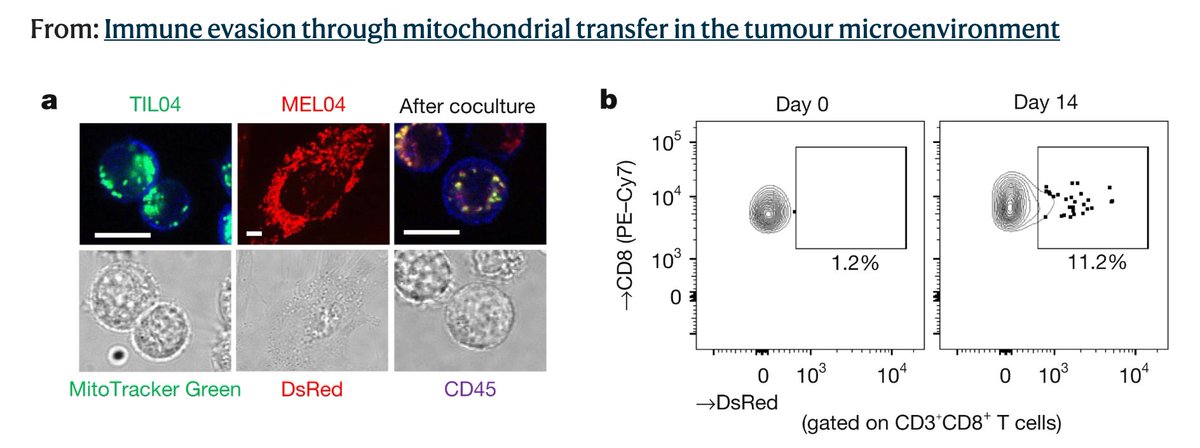
Tumor cells are literally handing their mitochondria to the T cells meant to kill them.
The T cells can't digest them, so the cancer's mitochondria take over, the T cells go senescent, and killing stops. Researchers spotted it because the T cells carried mitochondrial DNA mutations identical to those of the tumor.
Patients whose tumors had those mutations did worse on immunotherapy.
#ScienceSaturday What if #cancer starts weakening T cells before they even reach the tumor?
A new study published in @Nature suggests that an important part of cancer’s immune suppression may happen outside the #tumor itself, in nearby lymph nodes where cancer-fighting T cells are activated and prepared to respond.
🔬 Researchers studied tumor-draining #lymph nodes from patients with melanoma and identified a population of immune cells, mainly macrophages, producing high levels of an enzyme called PLA2G2D. These cells were found close to activated CD8+ T cells and were associated with poorer outcomes.
In laboratory and mouse studies, PLA2G2D acted like an immune brake, limiting the early expansion of tumor-specific T cells. When researchers blocked it, more cancer-fighting T cells expanded in the lymph nodes, entered the bloodstream and ultimately reached the tumor.
Even more interesting, blocking PLA2G2D alongside PD-1 checkpoint inhibition produced additive or synergistic antitumor effects in preclinical models, suggesting the two pathways may suppress #Tcells in different ways.
💡 Why does this matter? We often focus on overcoming immune suppression inside the tumor. This study suggests there may also be important immune “checkpoints” in the lymph nodes where antitumor responses begin.
There is still more work to do before this approach can be tested as a treatment in patients, but understanding these early barriers could reveal new ways to help more tumor-specific T cells make it into the fight. @AvanKrimpen_@R_Stadhouders@bart_lambrecht@ErasmusMC@tmu2010@UTokyo_News_en@NatureComms@NatureMedicine
Read the study: https://t.co/qRABB2nQpo
📝 #JAMAReview: #LiquidBiopsy using circulating #tumor#DNA can help guide care in #Cancer by identifying gene variants associated with treatment selection, monitoring treatment response, and detecting minimal residual disease after therapy.
Detectable circulating tumor DNA after curative-intent treatment was associated with recurrence and poorer survival across multiple cancer settings, often before progression was evident on imaging.
https://t.co/hUWmVvEhEM
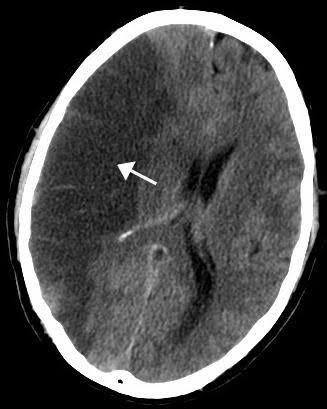
Un accidente cerebrovascular a los 34 años.
Corre 5 km cada fin de semana.
Tiene la presión arterial normal.
No es diabético.
Y tampoco fuma.
Entonces, ¿qué pudo haberlo provocado?
Los médicos sospecharon de un hábito muy común que muchas personas utilizan para liberar el estrés y que, en este caso, podría haber contribuido a la ruptura de una arteria importante.
Este es el hilo médico sobre lo que realmente ocurrió:
Moderna and @Merck today announced positive topline results from the Phase 3 INTerpath-001 trial evaluating adjuvant treatment with intismeran autogene, a novel investigational mRNA-based individualized neoantigen therapy jointly developed by Merck and Moderna, in combination with KEYTRUDA® (pembrolizumab), Merck's anti-PD-1 therapy, in patients with completely resected Stage IIB-IV melanoma.
Read more: