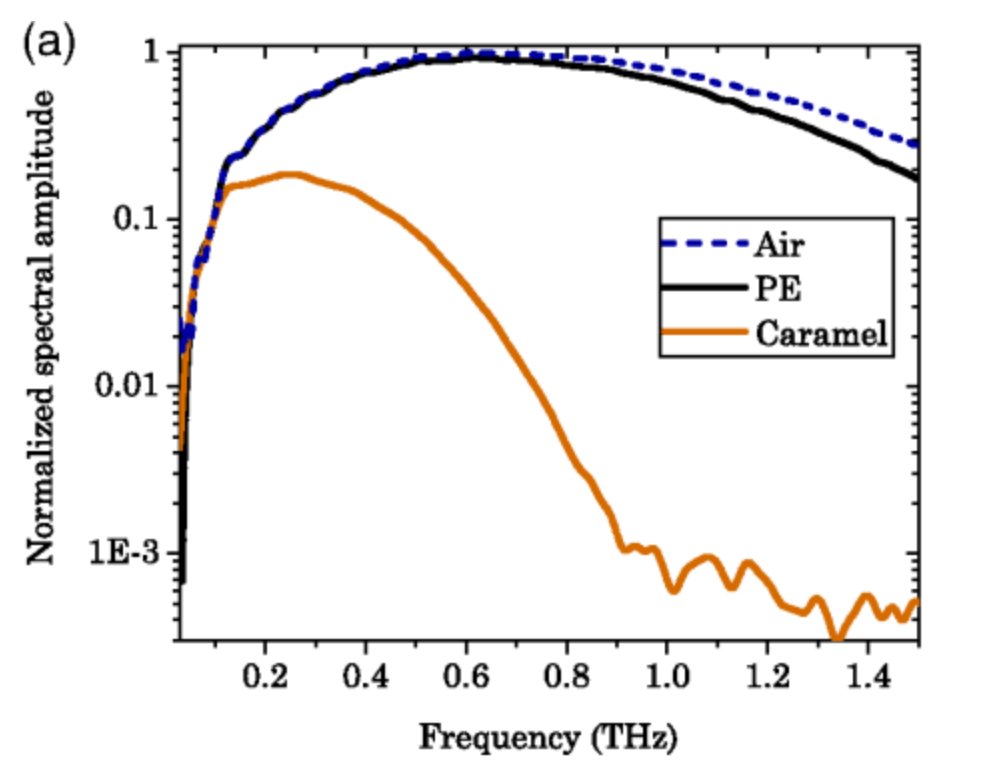
"We have demonstrated a simple-to-prototype edible THz lens made of caramel. We reached a near-diffraction limited performance in the near-millimeter wavelength range. The lens can be improved by the substitution of other confectionery substrates, eg. sugar alcohol, isomalt."
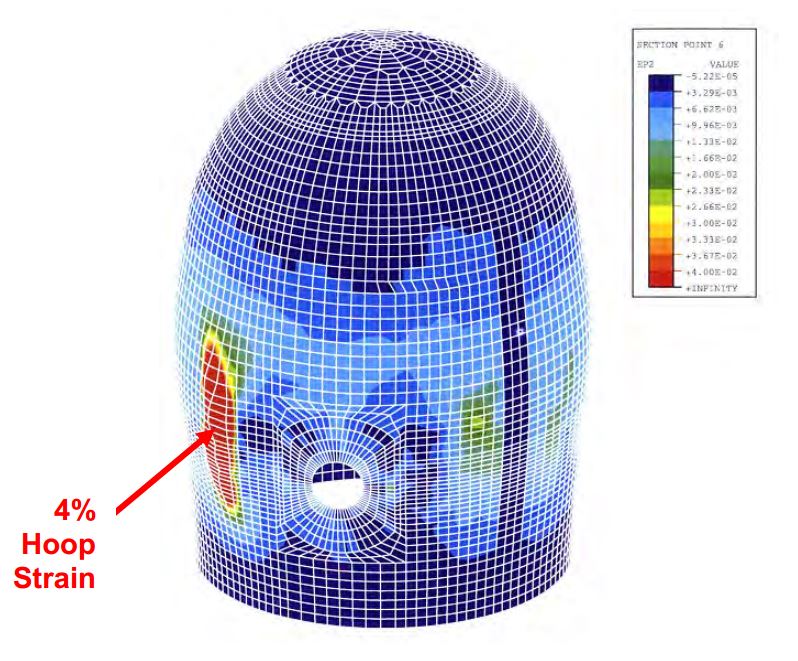
What's also cool is that the test data was able to validate FEA models. If you want to read more about this test, check out this article: https://t.co/8GYb5NszUe 4/4
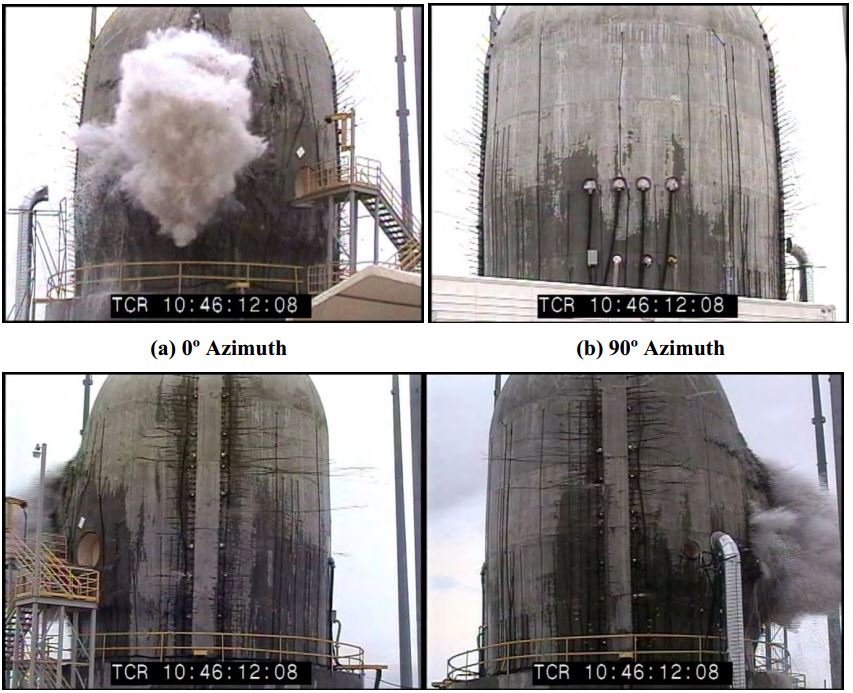
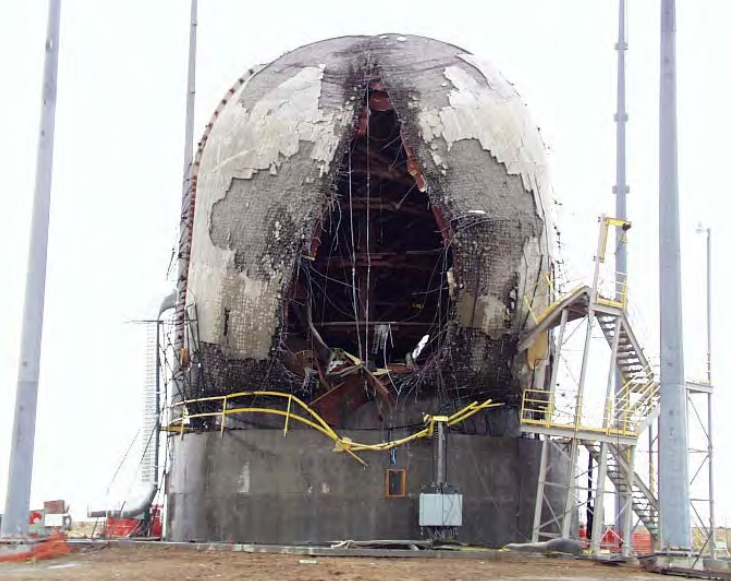
One of the ways that nuclear reactors are so safe is because of the tremendous effort in modeling and testing them. A great example of this is the time Sandia National Lab built a 1/4 scale reactor containment vessel just to see how hard it was to blow up. 1/4
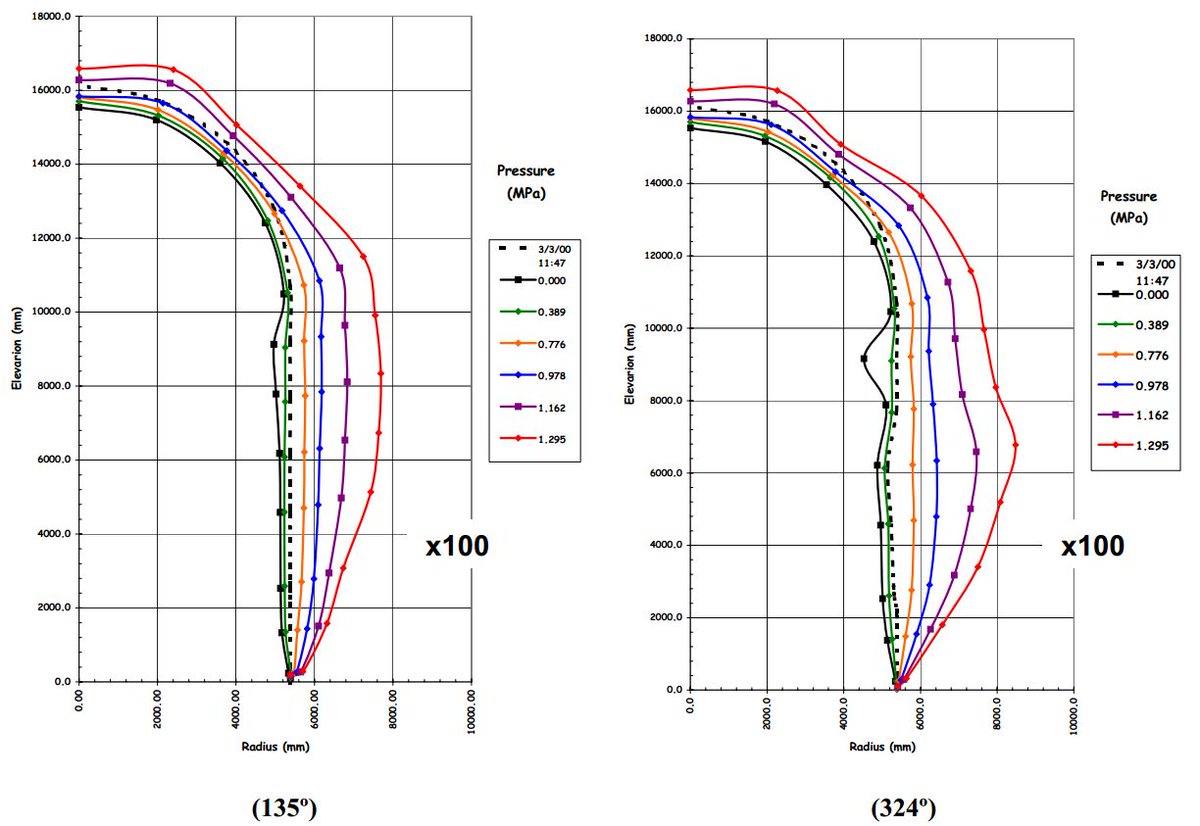
They ran two tests, first up to 3.3 times the designed max pressure, and then again up to 3.63 times max pressure, at which point it exploded. They got some excellent data, like these graphs showing how the containment vessel bulged as pressure built. 3/4
Great article if you want to know more: https://t.co/x6jKwznONn
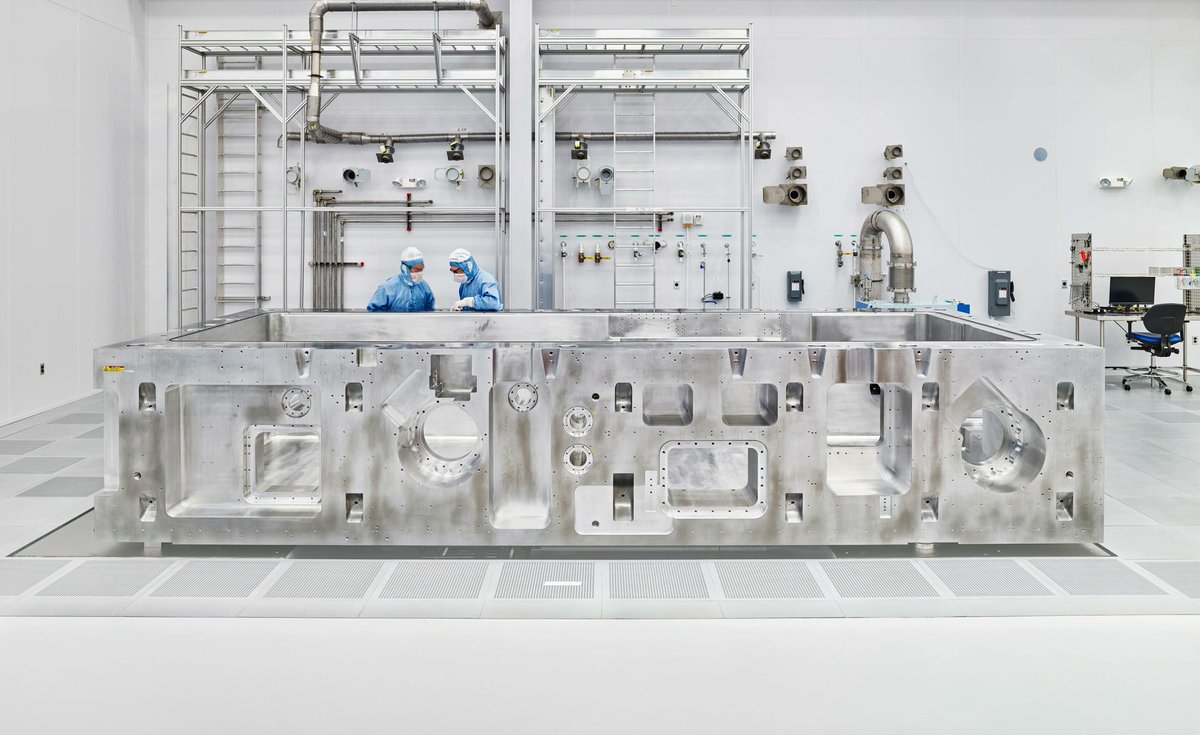
I also love this picture of the frame of a different machine they make, milled out of an absolutely massive solid block of aluminum.
@johncoogan An alternative idea I've heard is to include media rights to those stories as part of normal fundraising so you can recover your investment.
Being a designer is seen as more prestigious than a test or manufacturing engineer, which means it's not taught as well in schools, and is easy to underinvest in as a company.
Something that surprises people about hardware engineering is that the amount of effort spent designing something is usually much smaller than the effort required to test it, and WAY less than the effort required to manufacture it. This is true even for very complex designs.
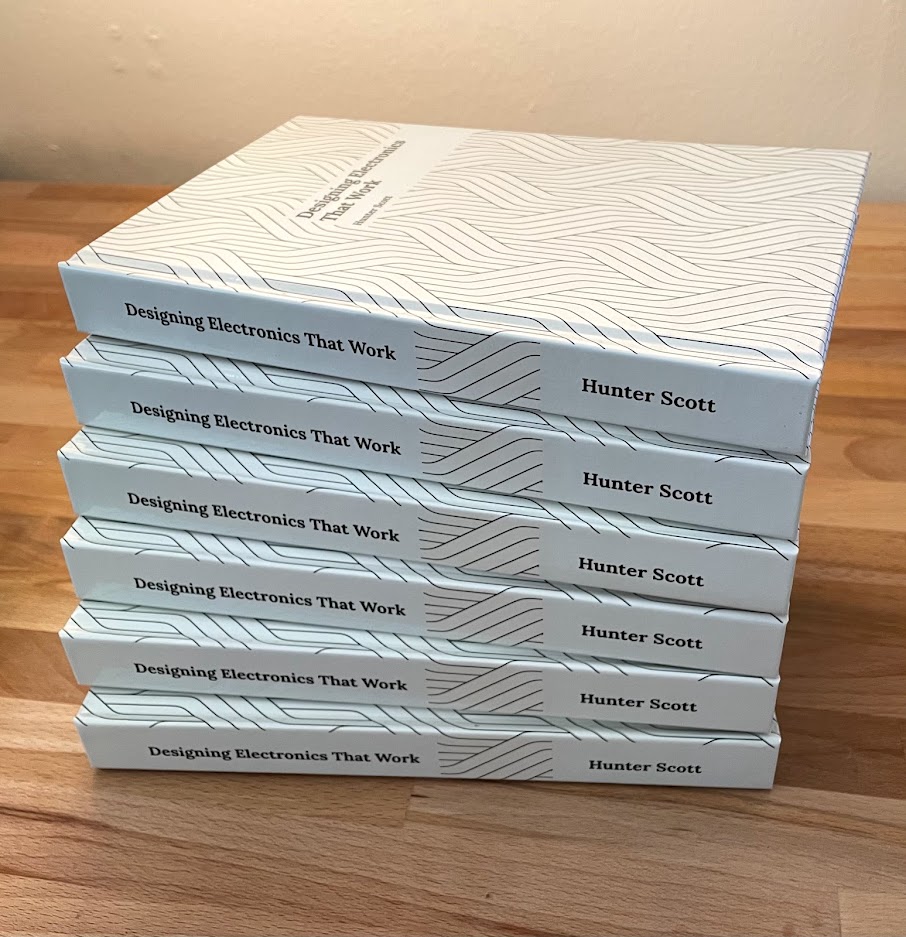
My book is now shipping and all pre-orders have been fulfilled! It's about electronics design, and is basically everything I've learned over the past 10 years founding and working at several hardware startups. You can also download a copy for free at https://t.co/yCP8EcD9B7
@patrickc Candidate for "fast": US Nitrate Plant #2 in Muscle Shoals, AL. 113 buildings, 85 trains a day just for construction materials, absolutely massive and critical for WW1. Took only 1 year to build and start continuous production. Detailed in Electric City by Hager (p.65)
I wrote a book, and yesterday I released it into the wild. It's about electronics design, and it's basically everything I've learned over the past 10 years founding and working at several hardware startups. You can download the digital version for free at https://t.co/yCP8EcD9B7
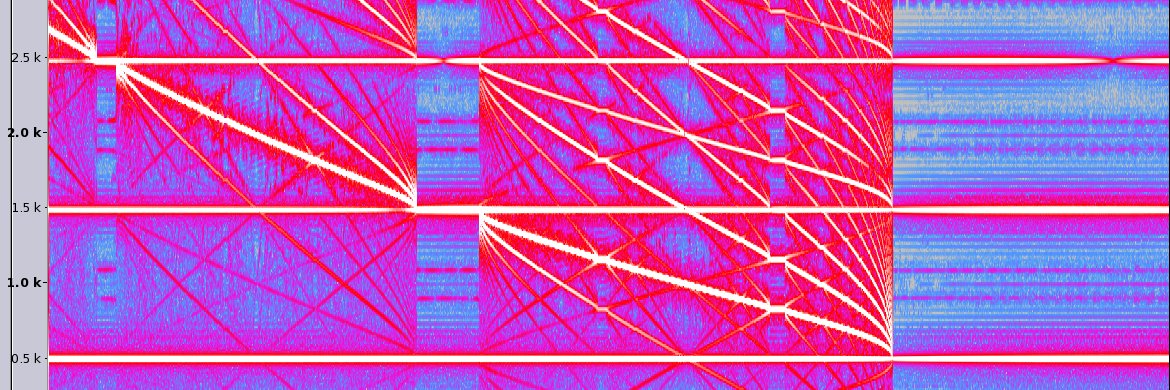
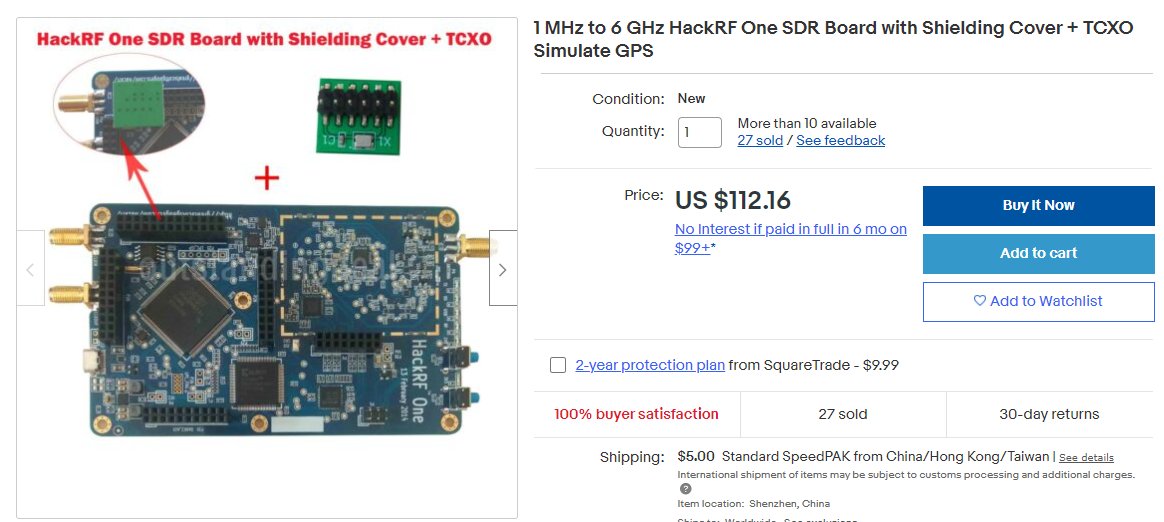
You can now buy a Chinese HackRF clone for ~$100, and many are specifically marketed for spoofing GPS. These are all over ebay. Amazing that an SDR like that is only $100 now. And who are all these people that need to spoof GPS?
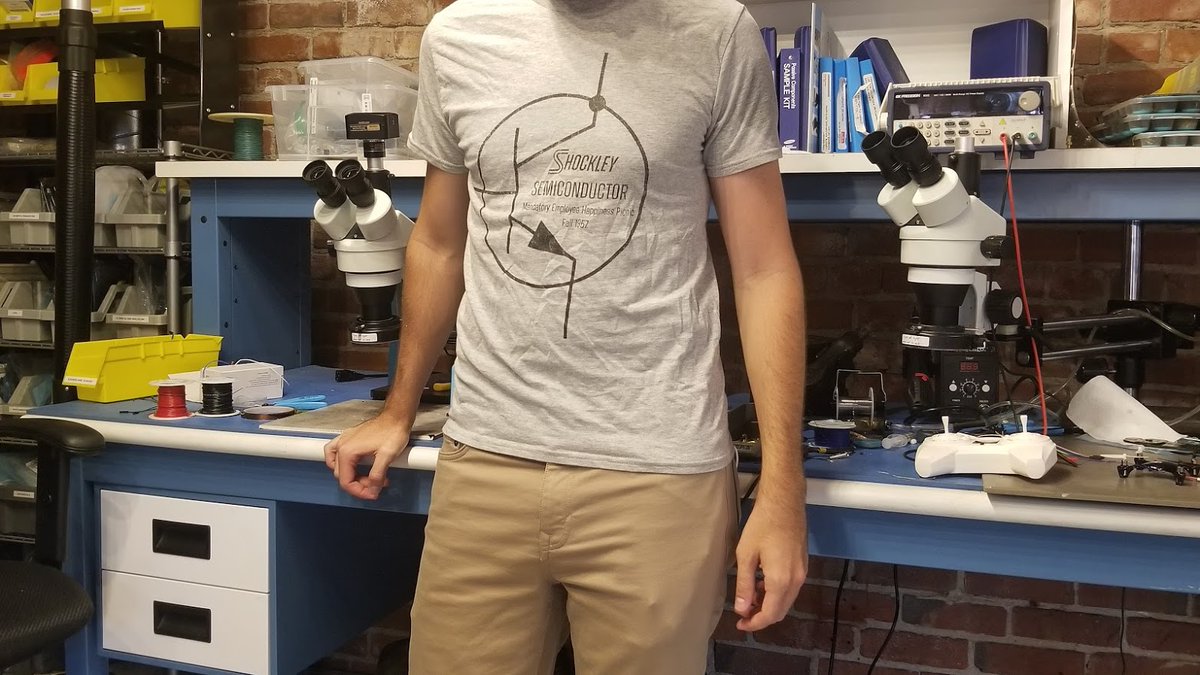
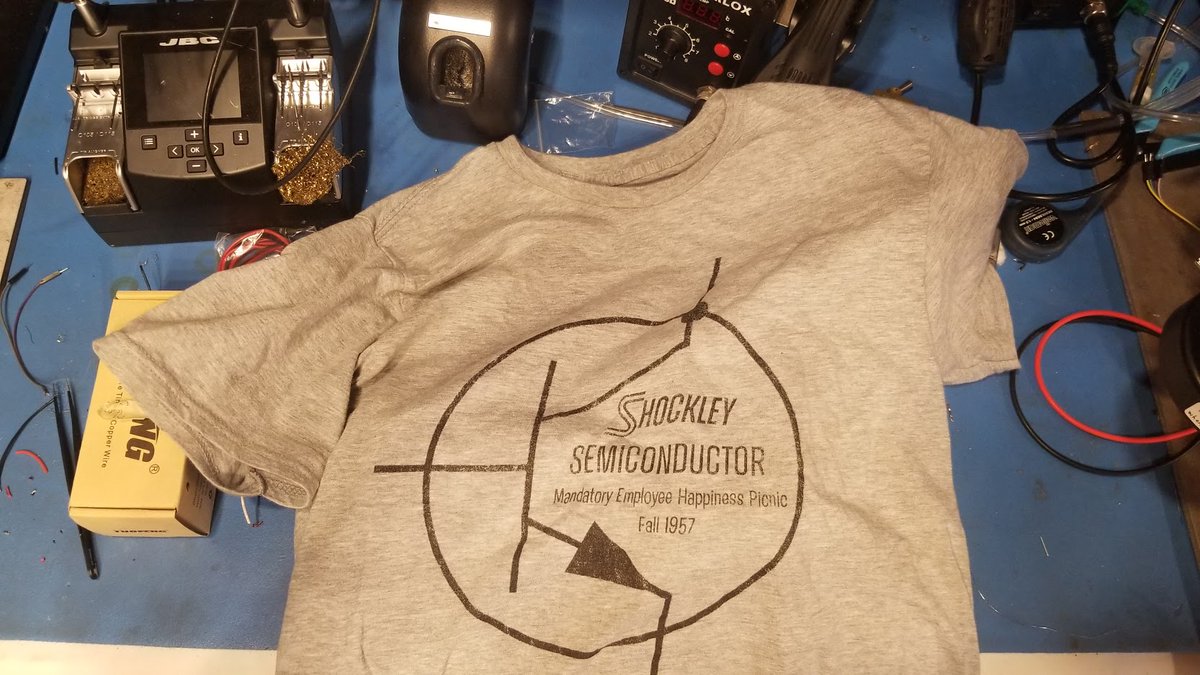
I like to imagine that William Shockley, the founder of Shockley Semi, probably had a mandatory employee happiness picnic in response, to prevent further defection. And the shirt probably would have looked like this (the word mark is their real logo). https://t.co/1obrpirq6Q
Recently discovered within the ruins of the old Shockley Semiconductor building in Silicon Valley, this shirt marks the Mandatory Employee Happiness Picnic in the fall of 1957. It's suspected that this may have been a response to a certain group of 8 recently departed employees
Basically, Shockley Semiconductor was the first real silicon valley company, and the guy who started it pissed off his coworkers so much that they started their own competing business, Fairchild, which spawned Intel and AMD.