king of SEA/meta-realities, icemachine is currently recruiting fit milfs or hot speed boats for live missions on the set, icemachine athletics also recruiting
Did you know?
NASA only uses 15 digits of π for calculating interplanetary travel.
At 40 digits, you could calculate the circumference of a circle the size of the visible universe with an accuracy that'd fall off by less than the diameter of a hydrogen atom.
π Day 2026
Mark Your Calendars !
FEBRUARY 28, 2026
Don't forget to look up the planets will drift quietly across the sky, reminding us how beautifully the universe can align.
Gorgeous: The Pillars of Creation in Infrared...
Remember, this colossal structure spans several trillion miles!
(Credit: NASA, ESA, CSA, STScI/Joseph DePasquale, Alyssa Pagan, Anton M. Koekemoer - Video by Universal-Sci)
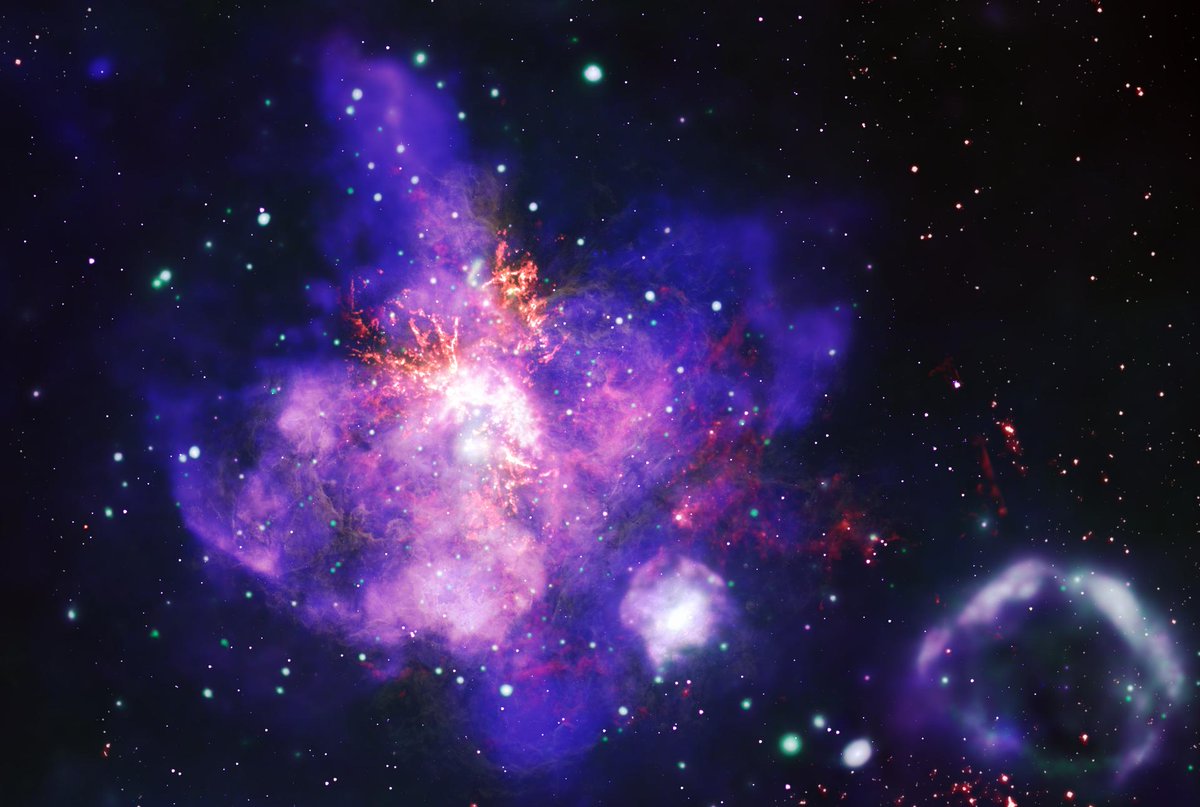
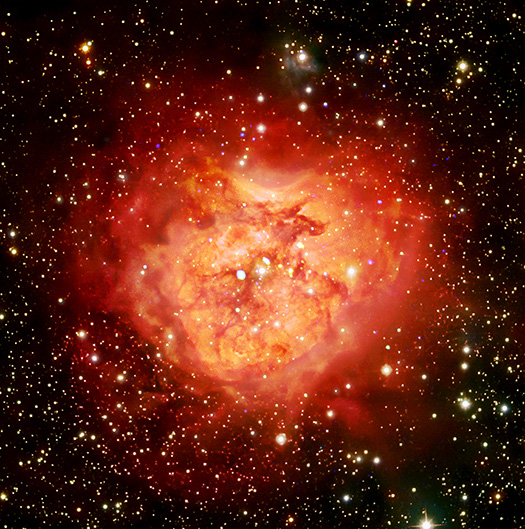
To celebrate Valentine's Day, the @chandraxray team has released a new image of the Cocoon Nebula (officially named IC 5146). This heart-shaped nebula is a region in the Milky Way galaxy where new stars are forming.
Read more: https://t.co/1VEisGnULD
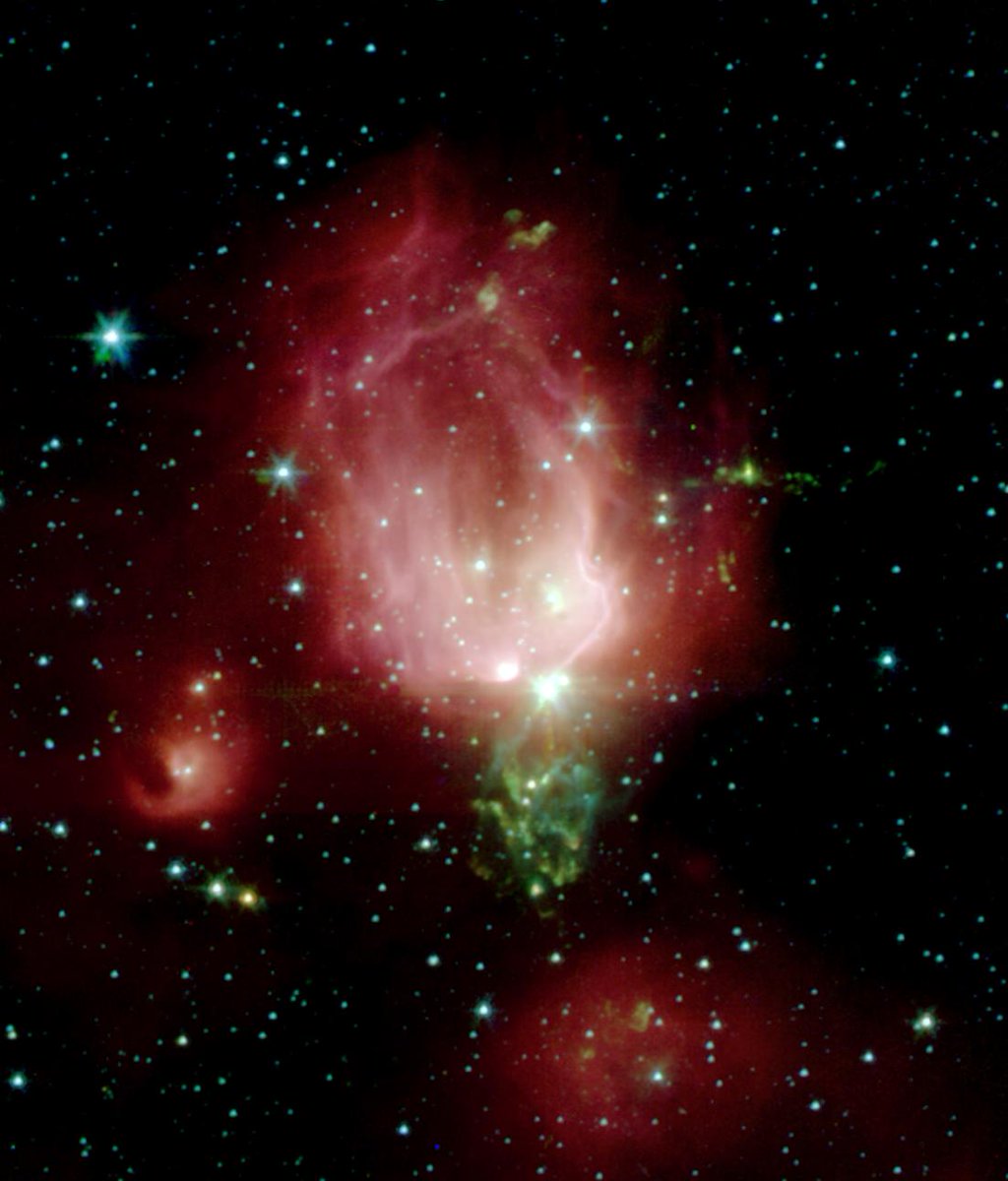
A glimpse at Cepheus 💫
This image is a small portion of a mosaic captured by NASA’s Spitzer Space Telescope. Here we see the Cepheus B region, a star cluster that sits within a few thousand light-years of our Sun.
See the full photo and learn more: https://t.co/IL4Yy0nVOT
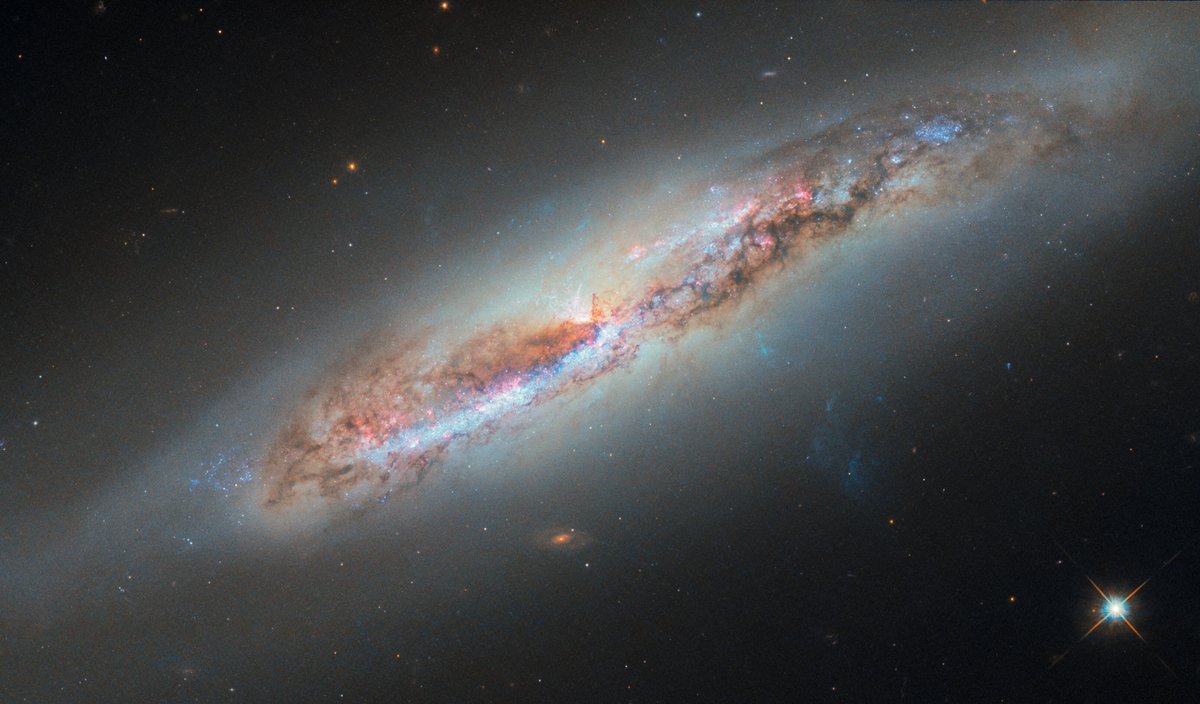
Our ESA/Hubble Picture of the Week sees galactic gas making a getaway ☁️💨
The spiral galaxy NGC 4388 is located about 60 million light-years away in the Virgo cluster. From Earth, it appears tilted at an extreme angle, giving us a nearly edge-on view of the galaxy. This reveals a glowing gas cloud billowing from the galaxy’s disc. 1/3
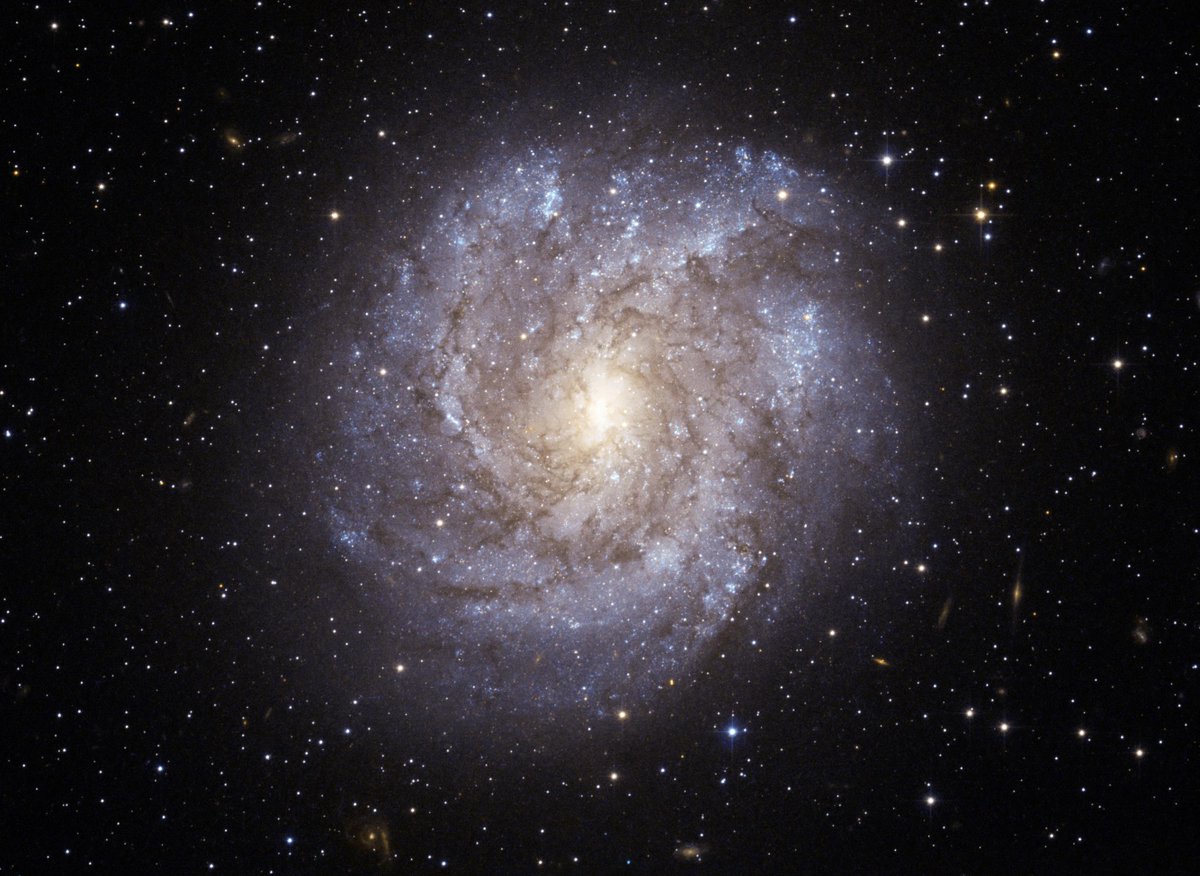
The spiral galaxy NGC 2082 stuns from 60 million light-years away.
Captured here by Hubble's Advanced Camera for Surveys, NGC 2082 can be seen in exquisite detail – filaments of dark dust splay across the galaxy's arms and central hub of stars: https://t.co/vYXQYbdhGs
Big, beautiful spiral galaxy M101 is one of the last entries in Charles Messier's famous catalog, but definitely not one of the least. About 170,000 light-years across, this galaxy is enormous, almost twice the size of our own Milky Way. M101 was also one of the original spiral nebulae observed by Lord Rosse's large 19th century telescope, the Leviathan of Parsontown. Assembled from 51 exposures recorded by the Hubble Space Telescope in the 20th and 21st centuries, with additional data from ground based telescopes, this mosaic spans about 40,000 light-years across the central region of M101 in one of the highest definition spiral galaxy portraits ever released from Hubble. The sharp image shows stunning features of the galaxy's face-on disk of stars and dust along with background galaxies, some visible right through M101 itself. Also known as the Pinwheel Galaxy, M101 lies within the boundaries of the northern constellation Ursa Major, about 25 million light-years away.
Image Credit: NASA, ESA, CFHT, NOAO; Acknowledgement - K.Kuntz (GSFC), F.Bresolin (U.Hawaii), J.Trauger (JPL), J.Mould (NOAO), Y.-H.Chu (U. Illinois)