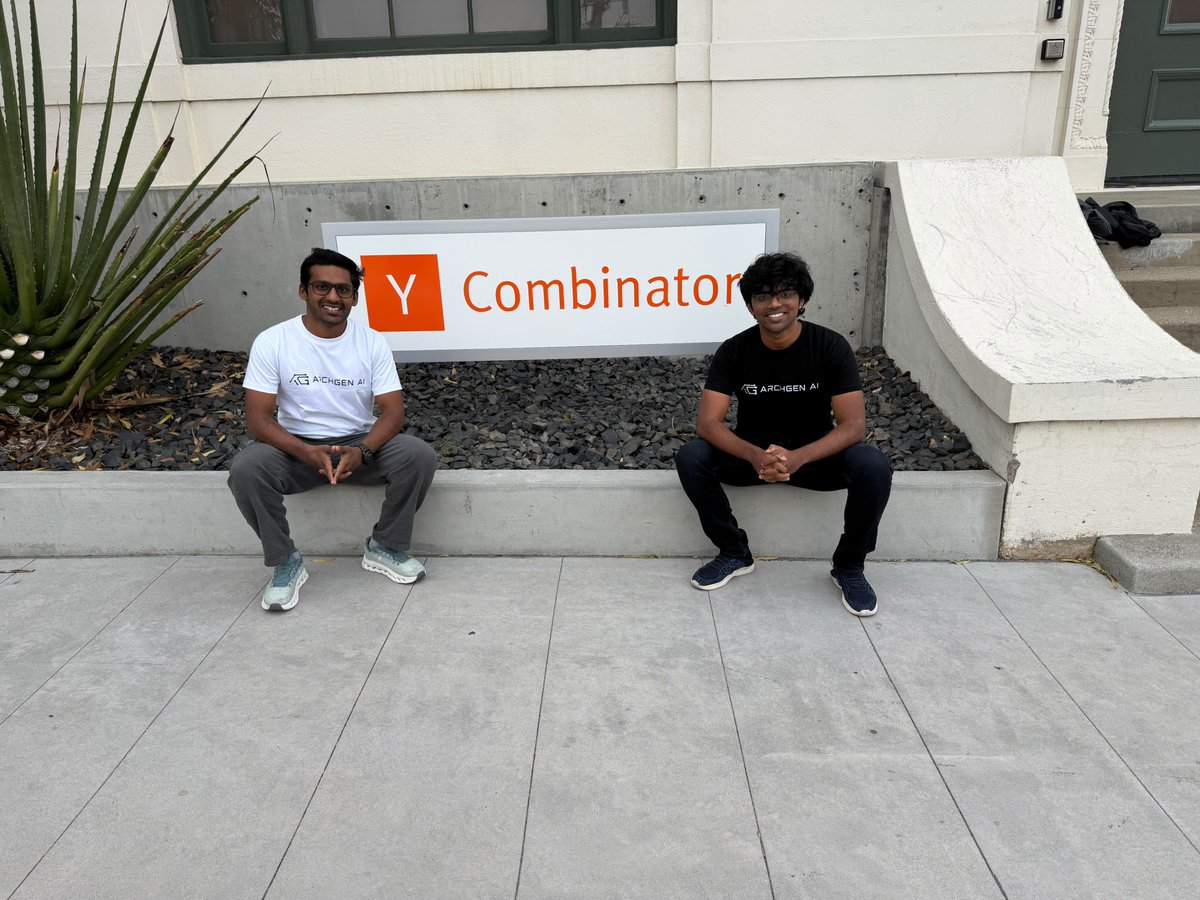
Archgen Labs (@archgen_) is now backed by Y Combinator (@ycombinator)
We are a research lab for silicon design, with one ambition: make chip design 1,000× faster.
For decades, computing advanced by shrinking transistors. The next chapter for compute workloads will increasingly depend on building vertically - stacking active logic layers to create 3D chips.
This makes designing those chips much harder but also opens up new possibilities for performance and efficiency.
At @archgen_ , we’re bringing together foundational models, EDA tools, and physics-informed surrogate models to explore more designs, predict their behavior faster, and optimize how they’re built.
Grateful to Kulveer Taggar (@kul), Garry Tan (@garrytan) and the @ycombinator team for backing us, and to the customers, mentors, and collaborators who have helped us get here.
If you want to get to tapeout faster, we’d love to talk. DM us.
#Semiconductors #OpenROAD #OpenLane #OpenSourceEDA #ChipDesign #VLSI #PhysicalDesign #AIForHardware #3DIC
@naveen_venk
#Prompting in AI is very similar to short form videos like #reels in instagram or youtube. It severely cuts down your vocabulary attention span. Writing blogs once in a while is what keeps the "writing" skill alive for engineers like me.
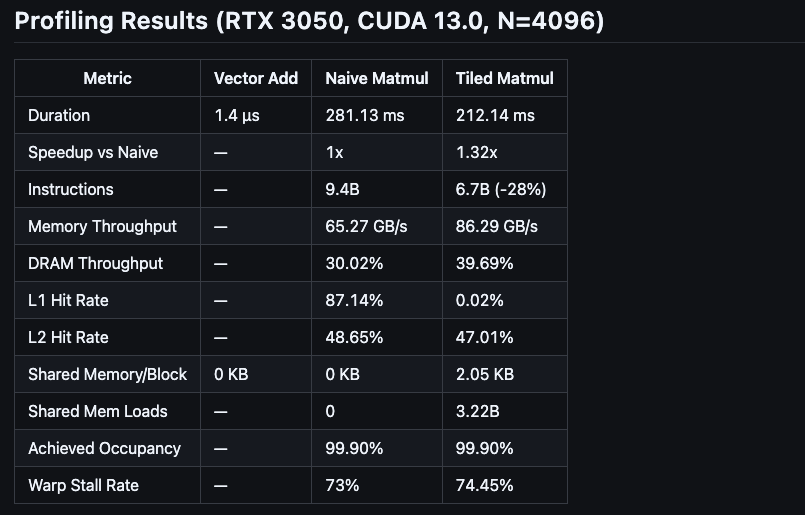
Tiled is faster because it executes 28% fewer instructions using deterministic shared memory instead of variable-latency L1. Blog post coming soon! (3/3)
The counter-intuitive finding: tiled matmul's 1.32x speedup over naive isn't from saving memory bandwidth — naive already had 87% L1 hit rate (hardware was caching it automatically). (2/3)
@primal_brainer Every technology lives with experts to begin with and then slowly penetrates into the layman market. People eventually adapt and work around it or with it.
Is it making people dumber? I guess it's making already dumb people dumber that's all.