Quick Linux tip:
When you need to create several directories at once, you don’t have to do it one by one.
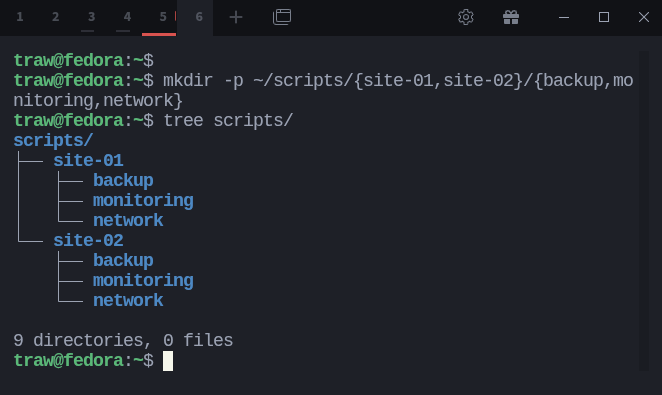
The mkdir command supports brace expansion, letting you create multiple nested directories in a single go.
$ mkdir -p ~/scripts/{site-01,site-02}/{backup,monitoring,network}
This instantly creates folders for two sites, each with its own backup, monitoring, and network directories.
A neat way to save time and keep your directory structure organized.
LLM = Smart, but works only with what it was trained on. Its knowledge is fixed after training, and when it lacks relevant information, it may generate plausible-sounding but incorrect answers (“hallucinations”).
RAG = Smart + can “look things up” in real time. It retrieves specific, relevant information from an external source and combines it with the LLM’s reasoning to give more accurate, up-to-date answers. Still, if retrieval is poor or ignored, hallucinations can happen.
Agent = Smart + can “decide what to do next” to reach a goal. It reasons through problems, chooses and uses the right tools (like web search or APIs), and can optionally maintain memory of its steps. This enables it to handle complex tasks that require multiple actions.
----
Follow @techNmak
Learn Linux before Learning Cloud
Learn Linux before Learning Docker
Learn Linux before Learning Kubernetes
Learn Linux before Learning Terraform
Learn Linux before Learning Git
Learn Linux before Learning Computer Network
Learn Linux before Learning programming
HTTP 2 vs HTTP 3 — What's the Difference?
• 1996 → HTTP 1
• 1997 → HTTP 1.1
• 2015 → HTTP 2
• 2022 → HTTP 3
But what’s the difference? Starting at the foundation:
🔹 𝗛𝗧𝗧𝗣 𝟭.𝟭:
✓ 𝗣𝗲𝗿𝘀𝗶𝘀𝘁𝗲𝗻𝘁 𝗰𝗼𝗻𝗻𝗲𝗰𝘁𝗶𝗼𝗻𝘀 — Reuses connections instead of opening new ones
✓ 𝗖𝗵𝘂𝗻𝗸𝗲𝗱 𝘁𝗿𝗮𝗻𝘀𝗳𝗲𝗿𝘀 — Sends data in parts instead of waiting for the full response
✓ 𝗜𝗺𝗽𝗿𝗼𝘃𝗲𝗱 𝗰𝗮𝗰𝗵𝗶𝗻𝗴 — Introduced headers for better caching and connection management
🅇 𝗦𝗲𝗾𝘂𝗲𝗻𝘁𝗶𝗮𝗹 𝗿𝗲𝗾𝘂𝗲𝘀𝘁𝘀 — Requests block each other (HoL blocking at the request level)
🅇 𝗠𝘂𝗹𝘁𝗶𝗽𝗹𝗲 𝗰𝗼𝗻𝗻𝗲𝗰𝘁𝗶𝗼𝗻𝘀 𝗻𝗲𝗲𝗱𝗲𝗱 — Browsers used multiple TCP connections for speed
It introduced core features still used today.
🔹 𝗛𝗧𝗧𝗣 𝟮:
✓ 𝗠𝘂𝗹𝘁𝗶𝗽𝗹𝗲𝘅𝗶𝗻𝗴 — Multiple requests in a single TCP connection
✓ 𝗛𝗲𝗮𝗱𝗲𝗿 𝗰𝗼𝗺𝗽𝗿𝗲𝘀𝘀𝗶𝗼𝗻 (𝗛𝗣𝗔𝗖𝗞) — Reduces metadata size
✓ 𝗦𝘁𝗿𝗲𝗮𝗺 𝗽𝗿𝗶𝗼𝗿𝗶𝘁𝗶𝘇𝗮𝘁𝗶𝗼𝗻 — Ensures critical resources load first
🅇 𝗛𝗲𝗮𝗱-𝗼𝗳-𝗹𝗶𝗻𝗲 (𝗛𝗼𝗟) 𝗯𝗹𝗼𝗰𝗸𝗶𝗻𝗴 — A lost packet blocks all streams
While HTTP 2 optimized TCP, it remained constrained by TCP’s head-of-line blocking.
🔹 𝗛𝗧𝗧𝗣 𝟯:
✓ 𝗕𝘂𝗶𝗹𝘁 𝗼𝗻 𝗤𝗨𝗜𝗖 (𝗨𝗗𝗣) — No more TCP bottlenecks
✓ 𝗜𝗻𝗱𝗲𝗽𝗲𝗻𝗱𝗲𝗻𝘁 𝘀𝘁𝗿𝗲𝗮𝗺𝘀 — Packet loss in one stream doesn’t affect others
✓ 𝗙𝗮𝘀𝘁𝗲𝗿 𝗵𝗮𝗻𝗱𝘀𝗵𝗮𝗸𝗲𝘀 — Combines transport + encryption setup in one step
✓ 𝗠𝗮𝗻𝗱𝗮𝘁𝗼𝗿𝘆 𝗲𝗻𝗰𝗿𝘆𝗽𝘁𝗶𝗼𝗻 (𝗧𝗟𝗦 𝟭.𝟯) — Security by default
✓ 𝗖𝗼𝗻𝗻𝗲𝗰𝘁𝗶𝗼𝗻 𝗺𝗶𝗴𝗿𝗮𝘁𝗶𝗼𝗻 — Seamless across network changes
𝗜𝗻 𝗮 𝗻𝘂𝘁𝘀𝗵𝗲𝗹𝗹: HTTP 2 optimized TCP, but HTTP 3 rewrites the game with QUIC, making it faster, more reliable, and encrypted by default.
💬 Which fact surprised you? 💭
--
Thanks to our partner Augment Code who keeps our content free to the community.
𝗗𝗶𝗱 𝘆𝗼𝘂 𝗵𝗲𝗮𝗿 about Augment Code releasing Auggie CLI to GA?
Check it out: https://t.co/6phY8IdPY3
New to Containers? Start Here with Practical Docker & Kubernetes Labs 🔥🔥
<details guide link in comment>
Docker Labs 👇👇
→Lab 1: Getting started with Docker - installation, first containers, basic commands
→Lab 2: Building custom Docker images with Dockerfiles
→Lab 3: Docker networking and persistent storage with volumes
→Lab 4: Multi-container applications with Docker Compose
Kubernetes Labs 👇👇
→Lab 5: Setting up a local Kubernetes environment with minikube
→Lab 6: Creating and managing Kubernetes deployments
→Lab 7: Kubernetes services and networking concepts
→Lab 8: Managing application configuration with ConfigMaps and Secrets
→Lab 9: Working with persistent storage in Kubernetes
→Lab 10: Advanced concepts like StatefulSets, autoscaling, and security
🚀 AI for Linux: The Future of System Administration and DevOps
This 9-chapter course shows how AI is reshaping system administration, automation, and DevOps workflows.
📖 Read the full guide:
👉 https://t.co/iQmGbOPPNb
Follow @tecmint for more Linux + AI insights!
🚀 Usa tu propio ChatGPT local con Ollama 🚀
🦙 Ollama es el programa (cliente). Puedes descargarlo desde su página oficial (Win/Mac/Linux).
🦙 Su última versión incorpora una interfaz similar a ChatGPT (Win/Mac), donde puedes elegir el modelo a usar y tener historiales con las conversaciones.
🦙 Para usar Ollama, necesitas cargar un modelo LLM. Los más populares son: Gemma3 (Google), Llama (Meta), GPT-OSS (OpenAI), DeepSeek (HF) o Qwen3 (Alibaba), entre otros.
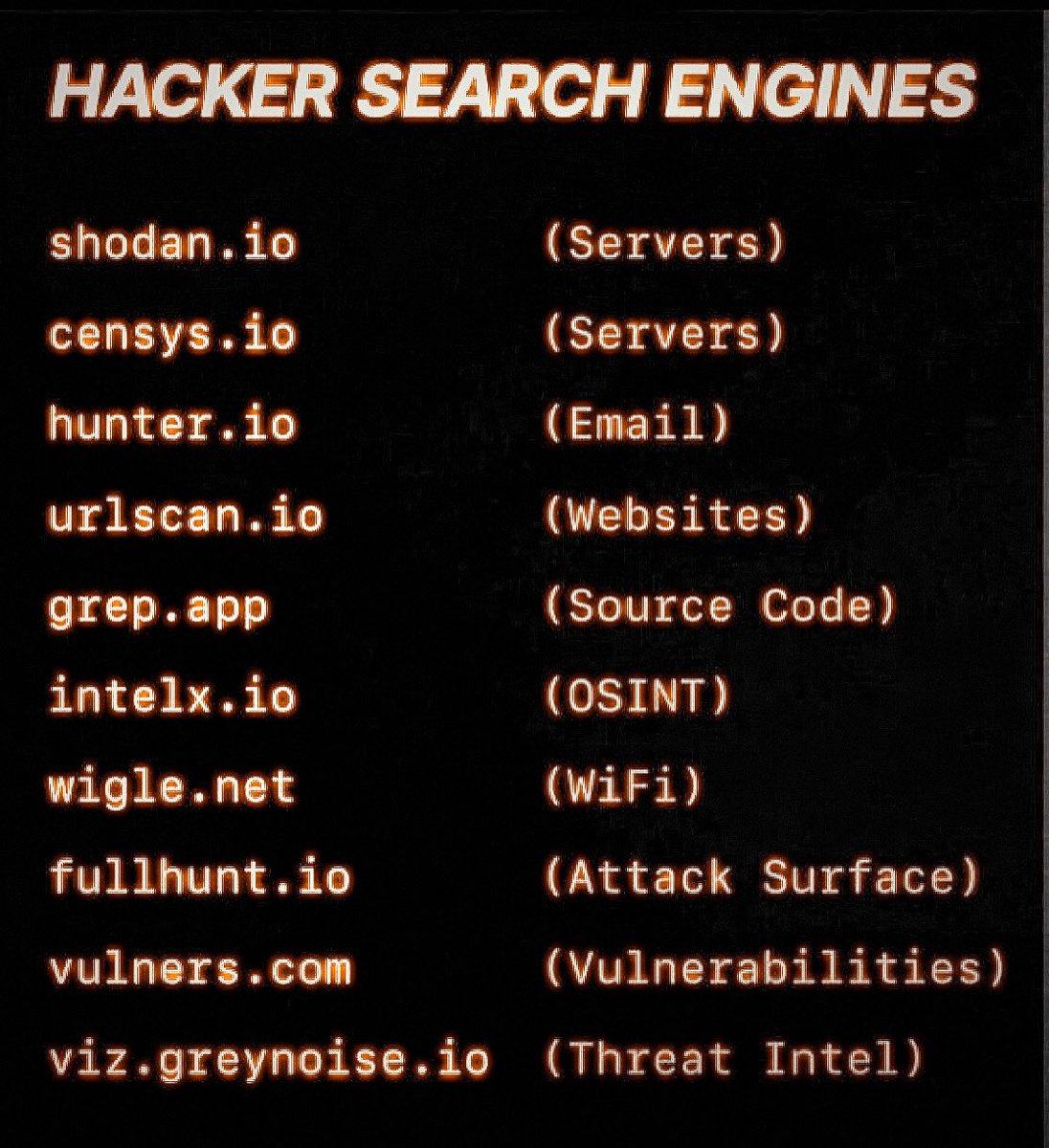
GooFuzz: A tool to perform fuzzing with an OSINT approach, managing to enumerate directories, files, subdomains or parameters without leaving evidence on the target's server and by means of advanced Google searches (Google Dorking).
GitHub: https://t.co/SfYClmkXPn
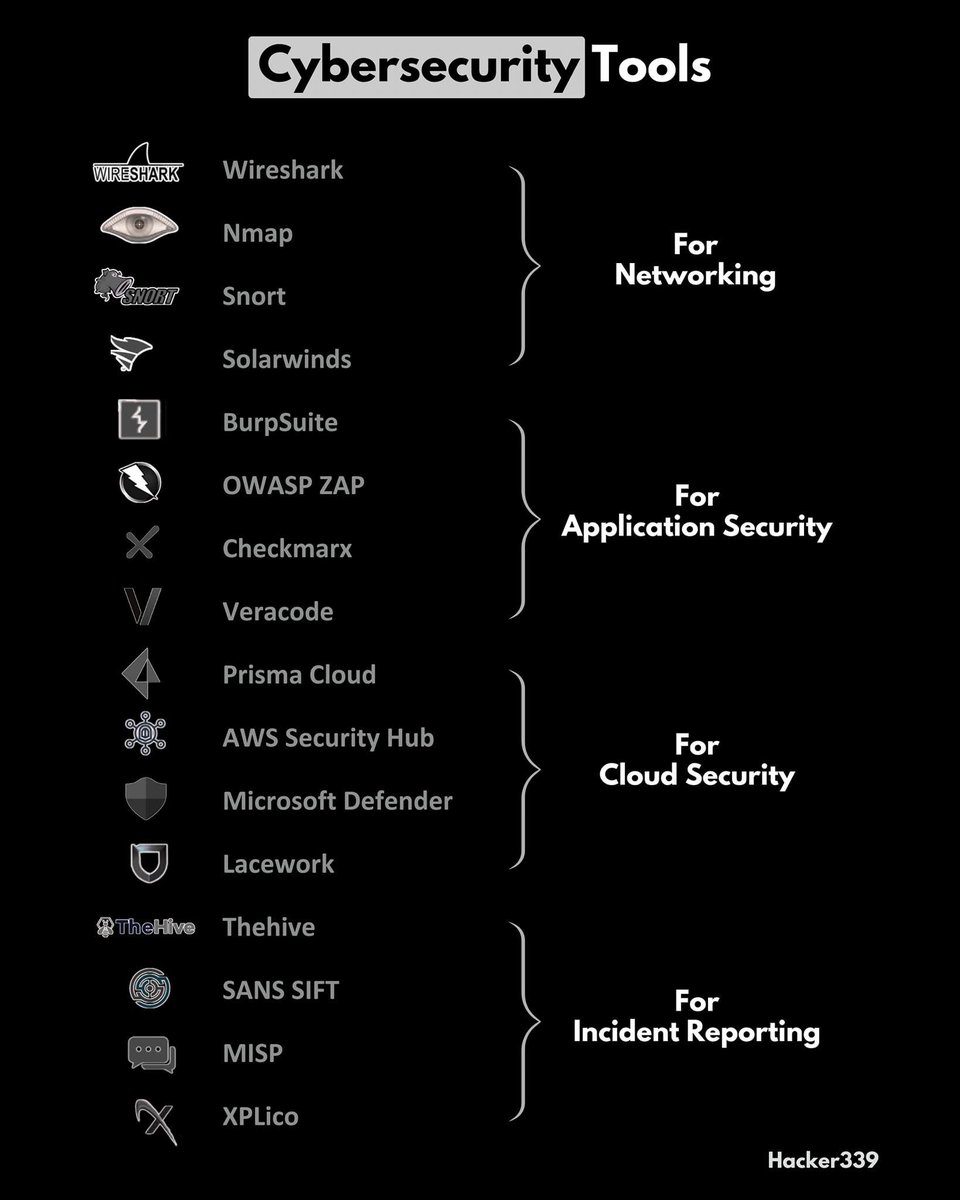
Cybersecurity Tools
For Networking
• Wireshark → Used for network traffic analysis and packet inspection.
• Nmap → Network scanner for discovering devices, open ports, and services.
• Snort → Intrusion detection and prevention system (IDS/IPS).
• SolarWinds → Network monitoring and management solution.
For Application Security
• Burp Suite → Web application security testing tool.
• OWASP ZAP → Open-source web application vulnerability scanner.
• Checkmarx → Static application security testing (SAST) tool for code analysis.
• Veracode → Cloud-based platform for application security testing.
For Cloud Security
• Prisma Cloud → Cloud-native security platform for workloads and infrastructure.
• AWS Security Hub → Centralized view for AWS security alerts and compliance.
• Microsoft Defender → Threat protection for cloud, endpoints, and apps.
• Lacework → Cloud workload protection and security automation.
For Incident Reporting
• TheHive → Open-source incident response platform.
• SANS SIFT → Digital forensics and incident response toolkit.
• MISP → Malware Information Sharing Platform for threat intelligence.
• XPLico → Network forensics analysis tool for extracting application data.
✓Advice: Always use these tools ethically for learning, securing systems, and protecting organizations. Misuse can harm others and is against the law. Focus on defense, prevention, and knowledge growth.