I've started doing a lot of async learning where I'll take every interesting blog post, tweet, arxiv paper and ask AI to teach me it with a specific prompt. I never read it in the moment, I just queue it up for later. Then when I have a block of time (in an uber, before bed, etc), I'll go and read it vs doomscrolling X.
This is somehow become better than saving links in Notes or something because when I finally have time to read it, there's this highly approachable artifact for me to dive into, read, and ask follow up questions.
I feel like I am learning at a much faster rate than I ever have before. Even if the content was poorly written, AI can fix it to your liking and adapt to your experience level.
If you need AI to do a search for you in the real world, ds4-agent is basically SOTA, because it can access the web sites without any limitations given that it uses your local Chrome browser (no, not in headless mode, that's the trick...), and DeepSeek v4 is great at search.
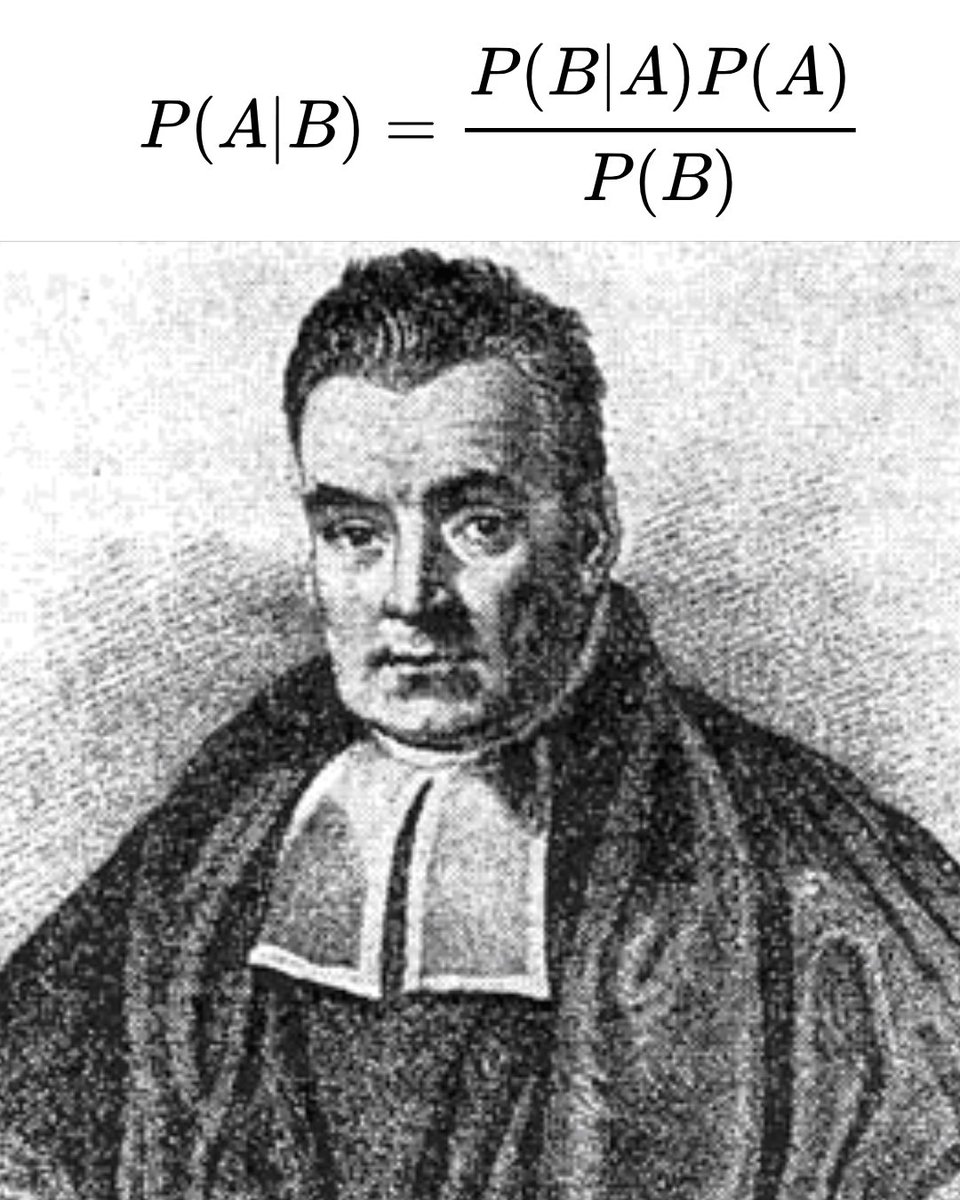
Bayes’ theorem is probably the single most important thing any rational person can learn.
So many of our debates and disagreements that we shout about are because we don’t understand Bayes’ theorem or how human rationality often works.
Bayes’ theorem is named after the 18th-century Thomas Bayes, and essentially it’s a formula that asks: when you are presented with all of the evidence for something, how much should you believe it?
Bayes’ theorem teaches us that our beliefs are not fixed; they are probabilities. Our beliefs change as we weigh new evidence against our assumptions, or our priors. In other words, we all carry certain ideas about how the world works, and new evidence can challenge them.
For example, somebody might believe that smoking is safe, that stress causes mouth ulcers, or that human activity is unrelated to climate change. These are their priors, their starting points. They can be formed by our culture, our biases, or even incomplete information.
Now imagine a new study comes along that challenges one of your priors. A single study might not carry enough weight to overturn your existing beliefs. But as studies accumulate, eventually the scales may tip. At some point, your prior will become less and less plausible.
Bayes’ theorem argues that being rational is not about black and white. It’s not even about true or false. It’s about what is most reasonable based on the best available evidence. But for this to work, we need to be presented with as much high-quality data as possible. Without evidence—without belief-forming data—we are left only with our priors and biases. And those aren’t all that rational.
Okay, kiddo with the wiggles: Bayes' theorem is like a treasure hunt for truth!
You start with a guess, like "There's candy in this box!" (That's your "prior" belief.)
Then you get clues: Shake it and hear rattling. (Evidence!)
Now you think, "Ooh, maybe 80% chance of candy!" Update your guess with each clue.
It helps you not stick to wrong ideas forever. More clues = smarter guesses. Got it? Now go play!
this is wild - claude code got PebbleOS booting in qemu in browser (wasm) overnight with no input from me. Took 6 hours in --dangerously-skip-permissions mode, but I woke up to success!
you can now try PebbleOS in the browser here: https://t.co/0rxuE9sKu3
source: https://t.co/7uJB7J8yc2
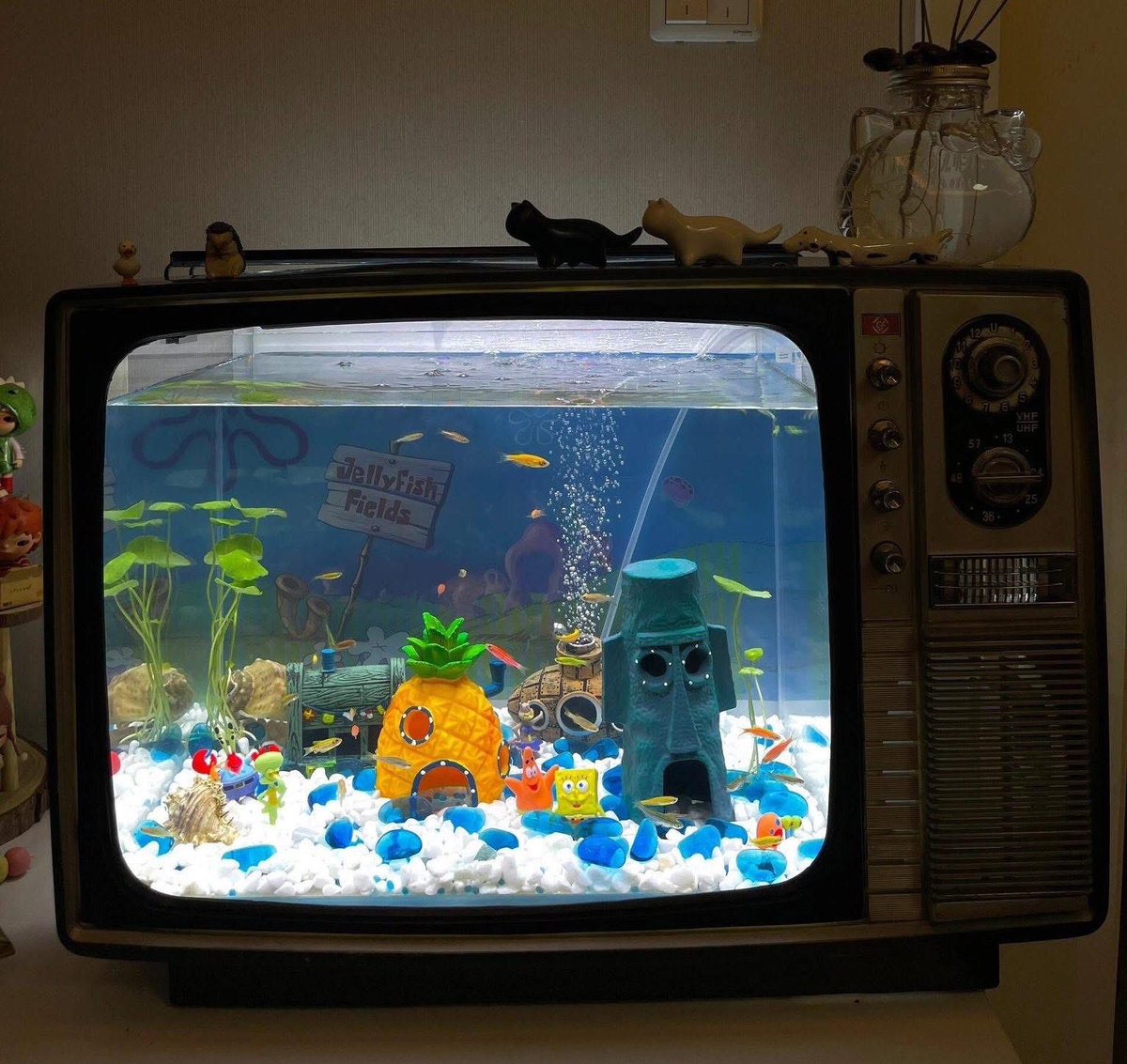
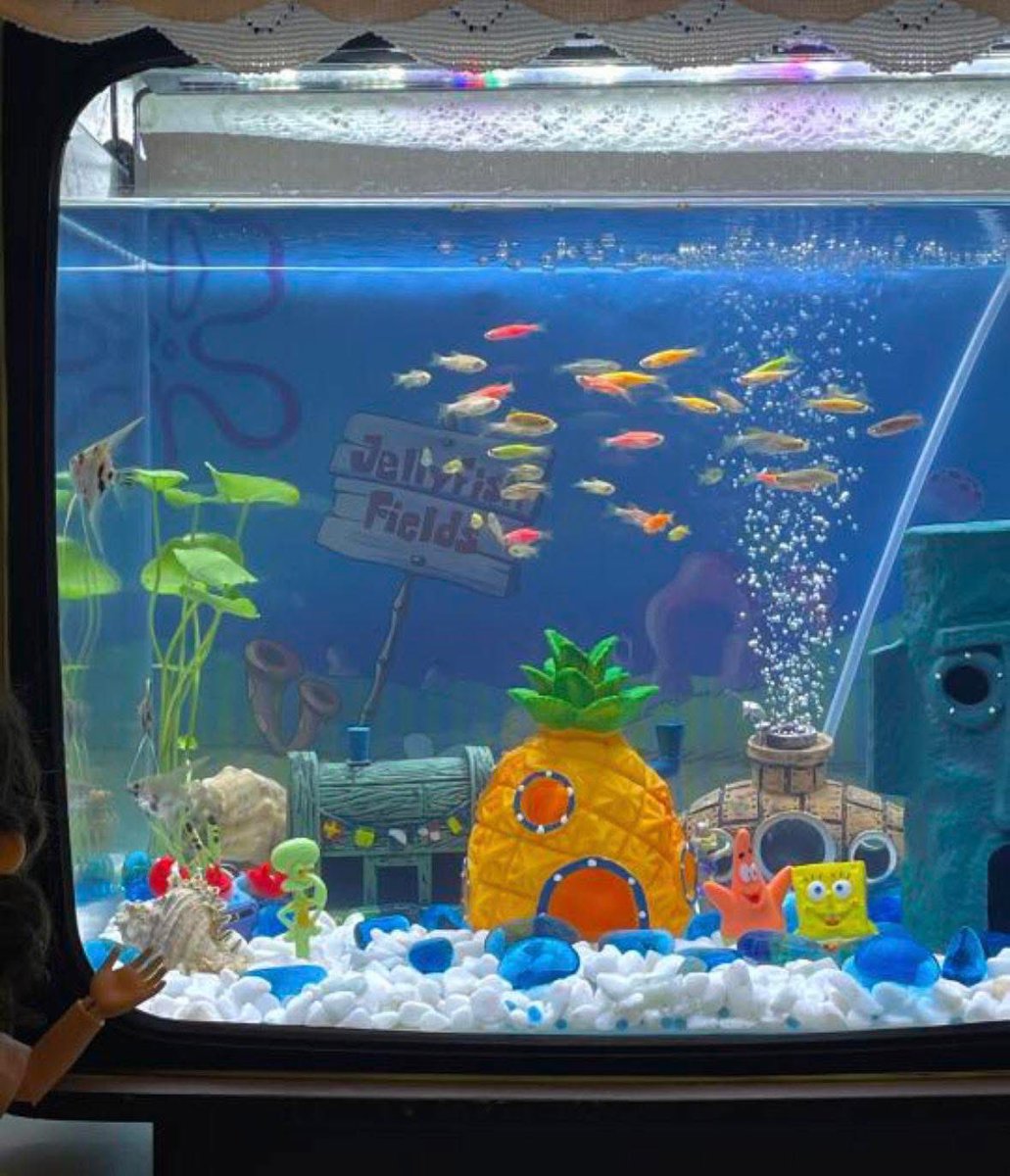
New art project.
Train and inference GPT in 243 lines of pure, dependency-free Python. This is the *full* algorithmic content of what is needed. Everything else is just for efficiency. I cannot simplify this any further.
https://t.co/HmiRrQugnP
no one’s gonna believe me but becoming a good speaker is really easy
just record yourself for 10 minutes every day, first thing in the morning. don’t send it to anyone, just force yourself to watch it later.
you’ll notice every possible flaw you can imagine.
this list is gonna feel super random but each one really piqued my curiosity at different points in time. you may enjoy some of them.
Curiously Recurring Template Patterns:
https://t.co/d7LEjdXeZq
Roofline: An Insightful Visual Performance Model for Floating-Point Programs and Multicore Architectures:
https://t.co/XEkQVYOkbS
Dissecting the NVIDIA Volta GPU Architecture via Microbenchmarking:
https://t.co/84yzlf2thH
Monolith: Real Time Recommendation System With Collisionless Embedding Table
https://t.co/HoM58xRlZ9
Language Models Are Better Than Humans at Next-token Prediction
https://t.co/ZvMtSz4A0X
Motion Blur Removal for Uav-Based Wind Turbine Blade Images Using Synthetic Datasets
https://t.co/X60suesKpL
Marc Andreessen: There are two ways to think about education. One is at the national level — how do you educate all kids? But the real question is N = 1: what do you do for one individual kid? And for centuries, the answer has been obvious.
If your goal is to maximize a single child, the best method by far is one-on-one tutoring. Every royal family knew this. Every aristocratic class knew this. It’s why Alexander the Great was tutored by Aristotle — and then took over the world.
There’s actually statistical proof of this. The Bloom’s 2-sigma effect shows one-on-one tutoring can move a kid from the 50th percentile to the 99th percentile. No other educational method comes close.
AI changes that. For the first time in history, every kid can have access to infinite questions, instant feedback, personalized explanations, and real-time quizzes — all at N = 1 scale.
This is the most powerful shift in education we’ve seen in centuries. One-on-one tutoring was always the gold standard. AI is what finally makes it available to everyone.
My PhD supervisor, Dubuc, once told me
« You can do great things with mathematics, as long as you don't become a mathematician. »
It took to me a long time to appreciate the wisdom of the his statement.
There is basically an endless stream of narrow topics you can master. But most of it would not help you.
Rather what helps you is to have a broad base of knowledge that you can quickly integrate.
For example, most people need relatively little mathematics. Even high level software developers need little math. But mix in a bit of math, a bit of business, a bit of design, and so forth... and you can achieve great things!